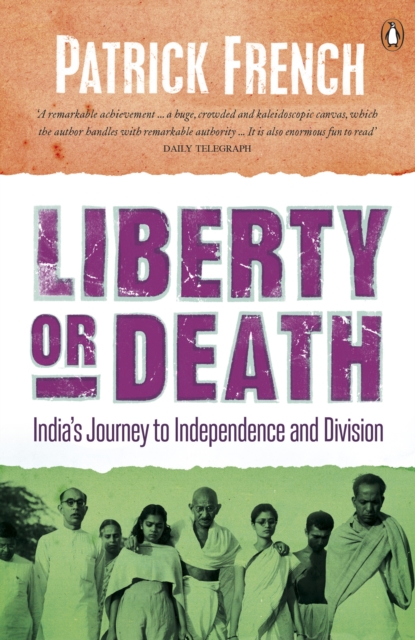
The definitive and first non-partisan biography of one of the most formidable political figures of the twentieth century (voted Woman of the Millennium in a BBC poll, 2000)Indira Gandhi's life, from her birth in 1917, through partition and up to her assassination in 1984, was dominated by the politics of her country.
An accessible and accurate translation of the Quran that offers a rigorous analysis of its theological, metaphysical, historical, and geographical teachings and backgrounds, and includes extensive study notes, special introductions by experts in the field, and is edited by a top modern Islamic scholar, respected in both the West and the Islamic world.
A powerful account of the life of Tamerlane the Great (1336-1405), the last master nomadic power, one of history's most extreme tyrants, and the subject of Marlowe's famous play.
Sahib is a magnificent history of the British soldier in India from Clive to the end of Empire, making full use of personal accounts from the soldiers who served in the jewel in Britain's Imperial Crown.
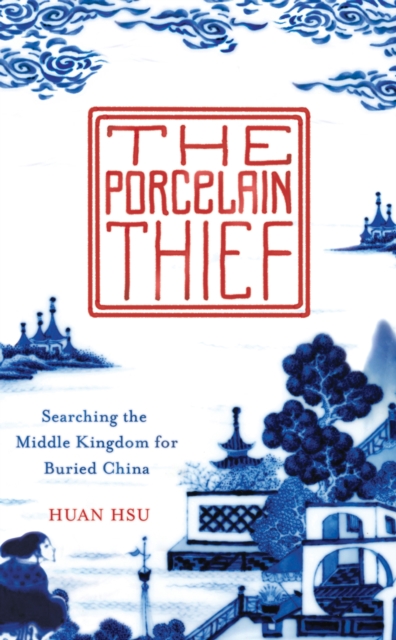
In 1938, with the Japanese army approaching from Nanking, Huan Hsu's great-great grandfather, Liu, and his five granddaughters, were forced to flee their hometown on the banks of the Yangtze River.
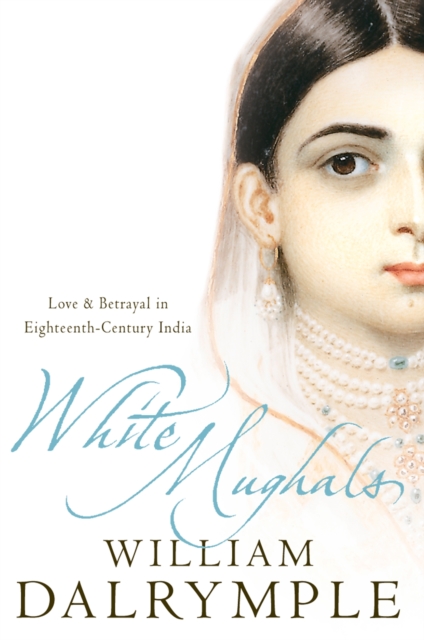
From the author of the Samuel Johnson prize-shortlisted 'Return of a King', the romantic and ultimately tragic tale of a passionate love affair that transcended all the cultural, religious and political boundaries of its time.
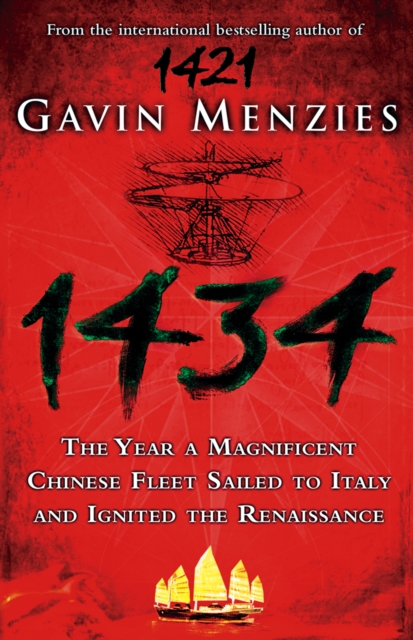
In his bestselling book 1421:The Year China Discovered the World, Gavin Menzies revealed that it was the Chinese that discovered America, not Columbus.
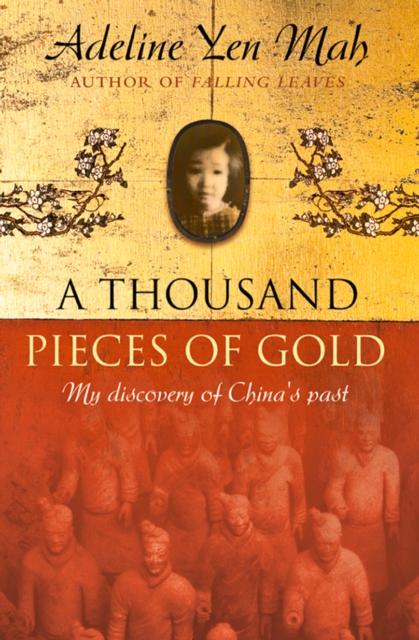
The author of the international bestsellers Watching the Tree and Falling Leaves has always been fascinated by proverbs and their importance and use in China.
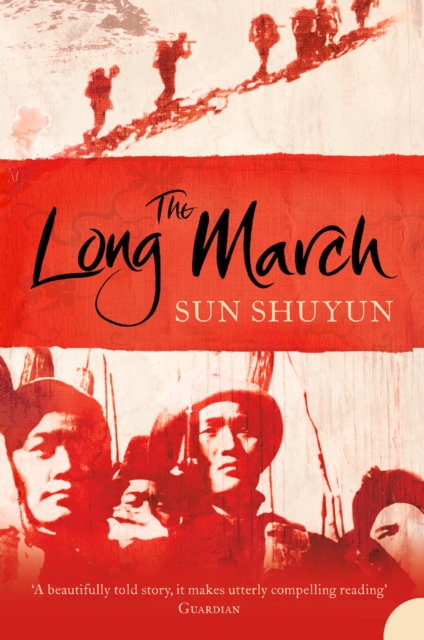
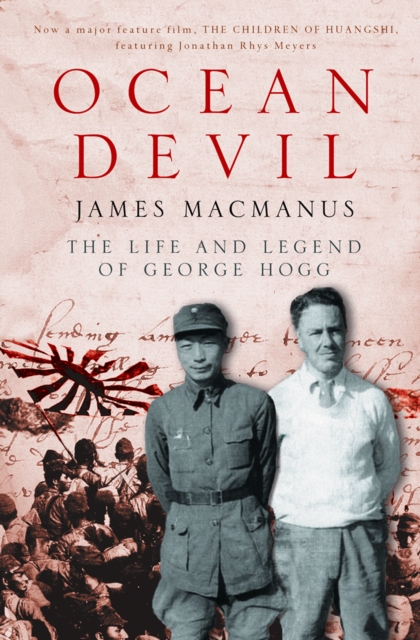
The dramatic true-life story of George Hogg, a young Oxford graduate who is caught up in the Japanese invasion of China in 1937 and the Chinese Civil war, and who leads a group of Chinese children hundreds of miles across 15,000-foot mountains to safety - only to die tragically in early 1945.
Highlighted by the prisoner-of-war escapes that earned them the name "e;The Houdini Club,"e; here is the elite combat odyssey of World War II's "e;Darby's Rangers"e; as never told before-drawing on previously unknown sources and former Army Ranger Mir Bahmanyar's exclusive, uncensored interviews with the greatest generation of Rangers themselves.
Personal, provocative and powerfully persuasive - an essential guide to what white feminism is, why it matters, and how we can put an end to it'Thoughtful and provocative.
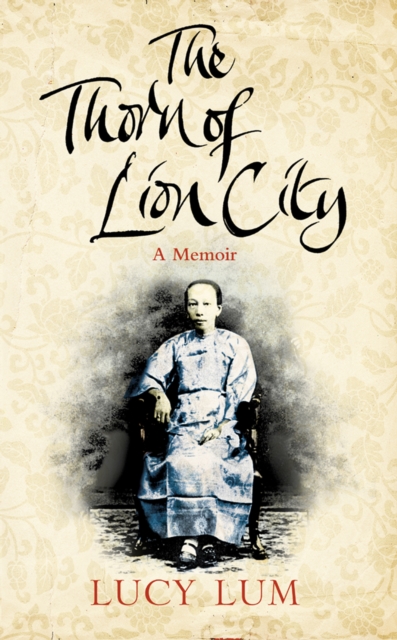
Discover one family's fascinating story in this beautiful, sweeping, multigenerational memoir, spanning 19th century south China to modern day Singapore'A captivating, compelling story of history, family loyalty, and personal sacrifice.
Returning to 1960s' India after decades beyond its borders, Ved Mehta explores his native country with two sets of eyes: those of the man educated in the West, and those of the child raised under the Raj.
THE SUNDAY TIMES BESTSELLERFrom award-winning actor and food obsessive Stanley Tucci comes an intimate and charming memoir of life in and out of the kitchen.
The astonishing story of the Sassoons, one of the nineteenth century's preeminent commercial families and 'the Rothschilds of the East'The Sassoons were one of the great business dynasties of the nineteenth century, as eminent as traders as the Rothschilds were bankers.
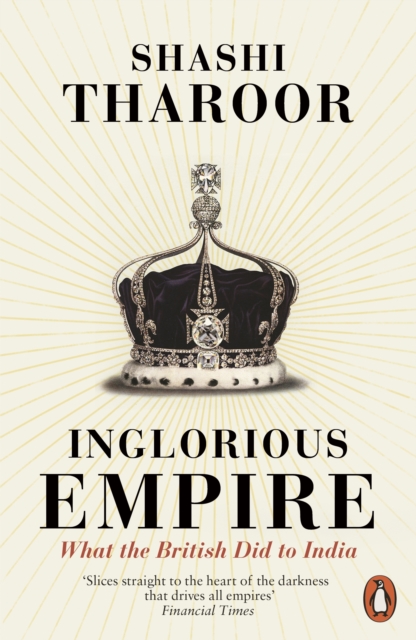
The Sunday Times Top 10 bestseller on India's experience of British colonialism, by the internationally-acclaimed author and diplomat Shashi Tharoor'Tharoor's impassioned polemic slices straight to the heart of the darkness that drives all empires .
'Masterfully opens up a little explored realm: how the quest for religion and spirituality drives hundreds of millions of Chinese' Pankaj Mishra'A fascinating odyssey .
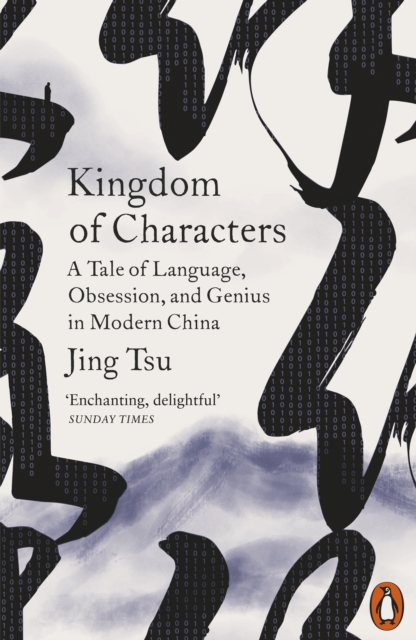
A PULITZER PRIZE FINALISTA riveting, masterfully researched account of the bold innovators who adapted the Chinese language to the modern world, transforming China into a superpower in the processWhat does it take to reinvent the world's oldest living language?
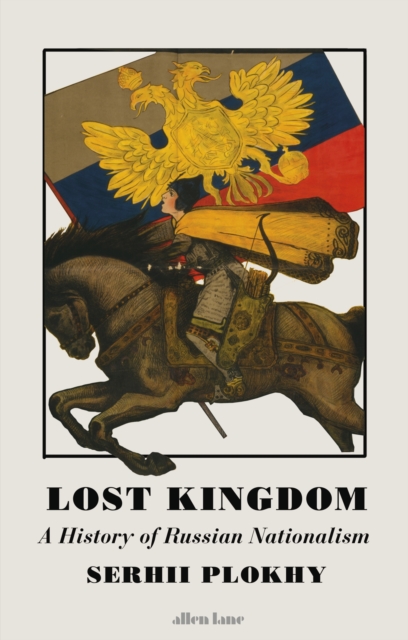
An astonishingly wide-ranging history of Russian nationalism chronicling Russia's yearning for Empire and how it has affected its politics for centuriesIn 2014, Russia annexed Crimea and attempted to seize a portion of Ukraine.
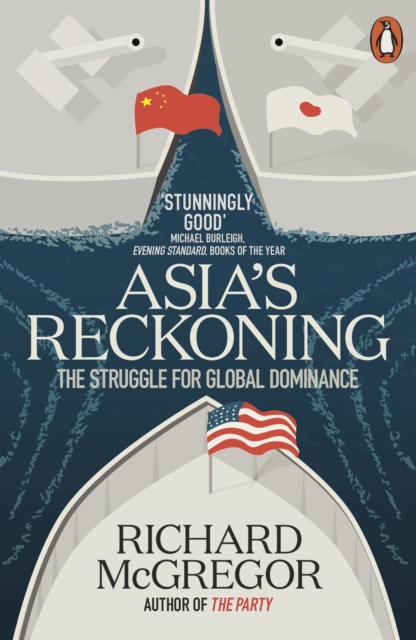
'Stunningly good' Michael Burleigh, Evening Standard, Books of the Year 2017The dramatic story of the relationship between the world's three largest economies, one that is shaping the future of us all, by one of the foremost experts on east AsiaFor more than half a century, American power in the Pacific has successfully kept the peace.
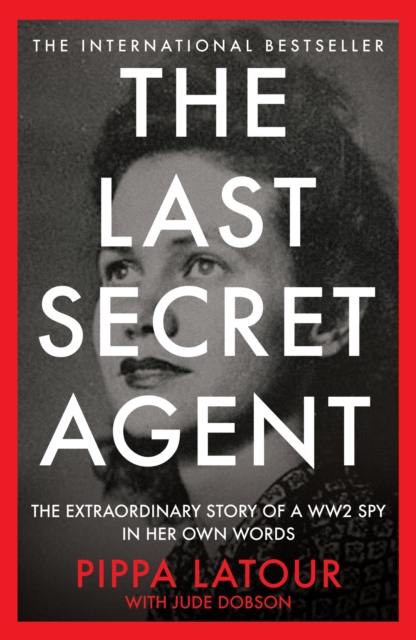
THE INTERNATIONAL BESTSELLER'Vivid, honest, inspiring and sometimes shocking, Pippa Latour's memoir shows how right the SOE were to assess her as having '"e;tons of guts"e;' -CLARE MULLEY, author of Agent Zo'***** Extraordinary.
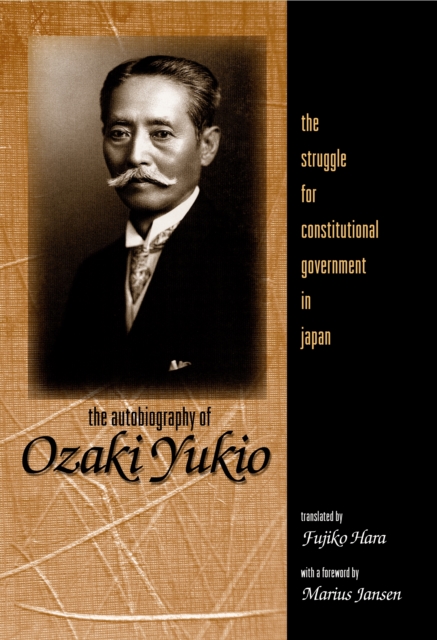
Personal reflections by one of the makers of modern JapanOzaki Yukio, who was returned to his seat in the Japanese Diet twenty-five times, served in that body from its inception in 1890 to 1953.
The diaries of the last British Governor of Hong Kong, published on the 25th anniversary of the handoverIn June 1992 Chris Patten went to Hong Kong as the last British governor, to try to prepare it not (as other British colonies over the decades) for independence, but for handing back in 1997 to the Chinese, from whom most of its territory had been leased 99 years previously.
This great Central Asian epic, passed down through generations and now brought to life in a new translation, carries the reader into a world of nomads, warriors and horselords'I am a steel-fanged lion, a dragon ready to pounce, a mighty poplar with golden branches rising up to the sky'The bard Sagh mbay Orozbaq uulu composed his oral telling of the great Central Asian Manas epic in the early twentieth century, although it draws on far older sources.
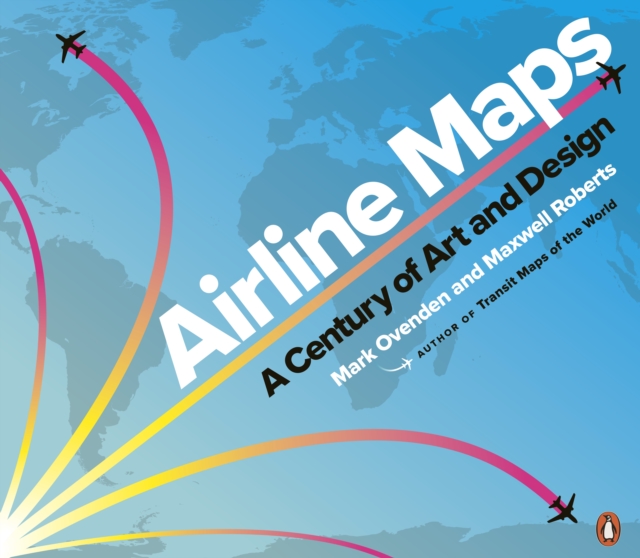
In this gorgeously illustrated collection of airline route maps, Mark Ovenden and Maxwell Roberts look to the skies and transport readers to another time.