From the author of Another Kyoto and Lost Japan, a rich, personal exploration of the culture and history of Bangkok, and an essential guide for anyone visiting the cityAlex Kerr has spent over thirty years of his life living in Bangkok.
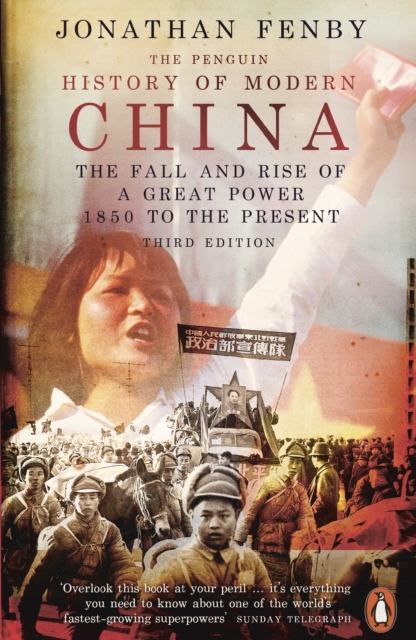
In the early nineteenth century China remained almost untouched by British and European powers - but as new technology started to change this balance, foreigners gathered like wolves around the weakening Qing Empire.
For more than twenty years after the Communist Revolution in 1949, China and most of the western world had no diplomats in each others' capitals and no direct way to communicate.
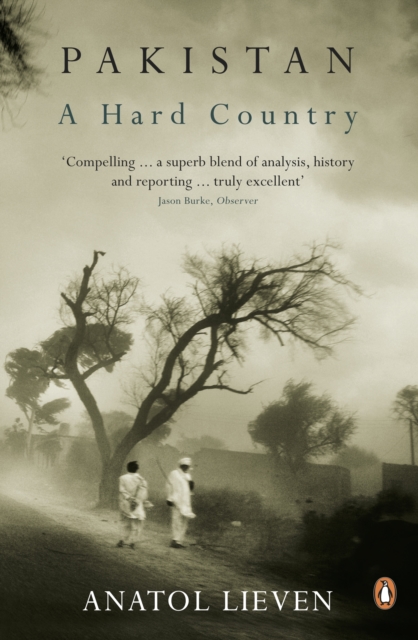
DAILY TELEGRAPH and INDEPENDENT BOOKS OF THE YEARLONGLISTED FOR THE ORWELL PRIZE 20122011 LOS ANGELES TIMES BOOK PRIZE FINALISTIn the wake of Pakistan's development of nuclear weapons, unpoliceable border areas, shelter of the Afghan Taliban and Bin Laden, and the spread of terrorist attacks by groups based in Pakistan to London, Bombay and New York, there is a clear need to look further than the simple image of a failed state so often portrayed in the media, and to see instead a country of immense complexity and importance.
Gandhi's non-violent struggles against racism, violence, and colonialism in South Africa and India had brought him to such a level of notoriety, adulation that when asked to write an autobiography midway through his career, he took it as an opportunity to explain himself.
THE IDEA OF INDIA was originally published to mark the 50th anniversary of India's independence and has since established itself as a uniquely valuable and authoritative book on a key subject.
This new book represents a complete rewriting of Romila Thapar's hugely successful HISTORY OF INDIA - VOLUME ONE, thirty-four years after it was first published.
With wit, intelligence and his trademark eye for riveting detail, John Julius Norwich has brought together the most important and fascinating events from his trilogy of the rise and fall of the Byzantine empire.
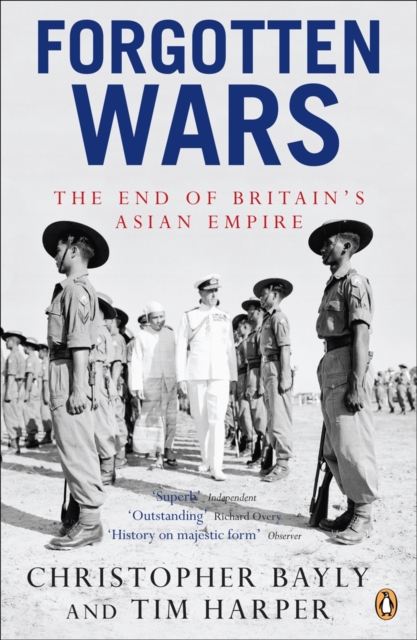
The vast crescent of British-ruled territories from India down to Singapore appeared in the early stages of the Second World War a massive asset in the war with Germany, providing huge quantities of soldiers and raw materials and key part of an impregnable global network denied to the Nazis.
'Bracingly apocalyptic stuff: atmospheric, chock-full of information and with a constantly escalating sense of pace and tension' Sunday TelegraphSimon Winchester's brilliant chronicle of the destruction of the Indonesian island of Krakatoa in 1883 charts the birth of our modern world.
Six Records of a Floating Life (1809) is an extraordinary blend of autobiography, love story and social document written by a man who was educated as a scholar but earned his living as a civil servant and art dealer.
The great city of Beijing, capital of China from the ninth century, and given its form for five hundred years by the Ming Dynasty, was for a millennium one of the most extraordinary places on earth.
'China's reemergence as a global economic powerhouse has compressed into a single generation an industrial and urban revolution on a scale the world has never seen.
This extraordinary book is a vivid, highly original account of the creation of a new Asia after the Second World War - an unstoppable wave of nationalism that swept the British Empire aside.
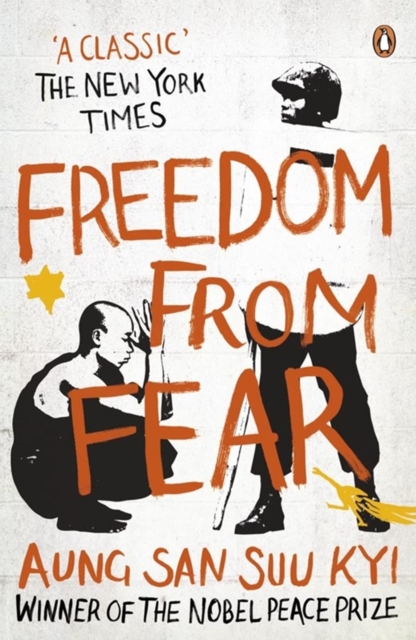
Freedom from Fear - collected writings from the Nobel Peace prize winner Aung San Suu KyiAung San Suu Kyi's collected writings - edited by her late husband, whom the ruling military junta prevented from visiting Burma as he was dying of cancer - reflects her greatest hopes and fears for her fellow Burmese people, and her concern about the need for international co-operation in the continuing fight for Burma's freedom.
The Torah is both hidden and revealed there is a secret meaning to the holy Torah that is not written down explicitly or explained in it This selection offers a comprehensive survey of the 'Kabbalah', the body of writings in the Jewish mystical tradition.
Churchill's description of the fall of Singapore on 15 February 1942, after Lt-Gen Percival's surrender led to over 100,000 British, Australian and Indian troops falling into the hands of the Japanese, was no wartime exaggeration.
This chronicle of the Byzantine Empire, beginning in 1025, shows a profound understanding of the power politics that characterized the empire and led to its decline.
This book analyzes the Central Asian economies of Kazakhstan, the Kyrgyz Republic, Tajikistan, Turkmenistan, and Uzbekistan, from their buffeting by the commodity boom of the early 2000s to its collapse in 2014.
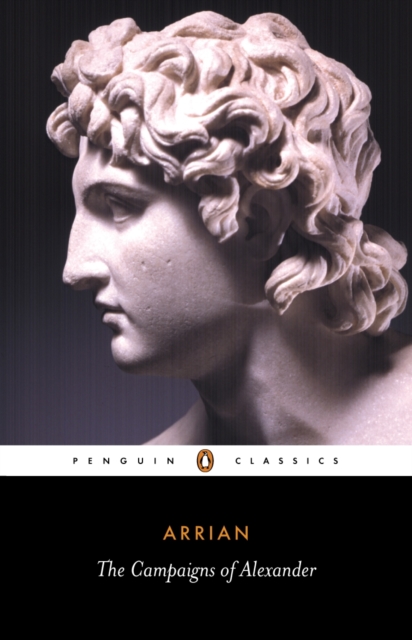
An exploration of how the Greeks reacted to and interacted with India from the third to first centuries BCEWhen the Greeks and Macedonians in Alexander's army reached India in 326 BCE, they entered a new and strange world.
It has long been contended that the Indian Constitution of 1950, a document in English created by elite consensus, has had little influence on India's greater population.
Letters from Burma - an unforgettable collection from the Nobel Peace prize winner Aung San Suu KyiIn these astonishing letters, Aung San Suu Kyi reaches out beyond Burma's borders to paint for her readers a vivid and poignant picture of her native land.
'A fine achievement by a huge new talent' William Dalrymple, Sunday TimesIn 1857 the native troops of the Bengal army rose against their colonial masters.
An iconoclastic history of the first two decades after independence in IndiaNehru's India brings a provocative but nuanced set of new interpretations to the history of early independent India.
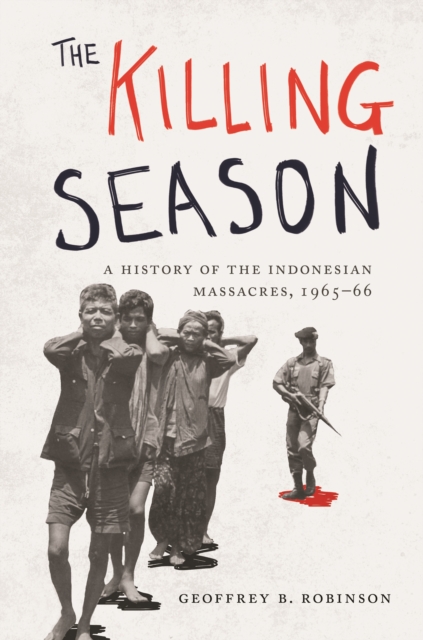
The Killing Season explores one of the largest and swiftest, yet least examined, instances of mass killing and incarceration in the twentieth century-the shocking antileftist purge that gripped Indonesia in 1965-66, leaving some five hundred thousand people dead and more than a million others in detention.
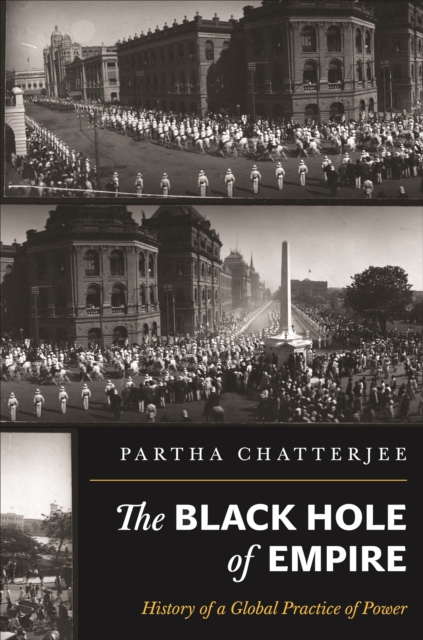
When Siraj, the ruler of Bengal, overran the British settlement of Calcutta in 1756, he allegedly jailed 146 European prisoners overnight in a cramped prison.
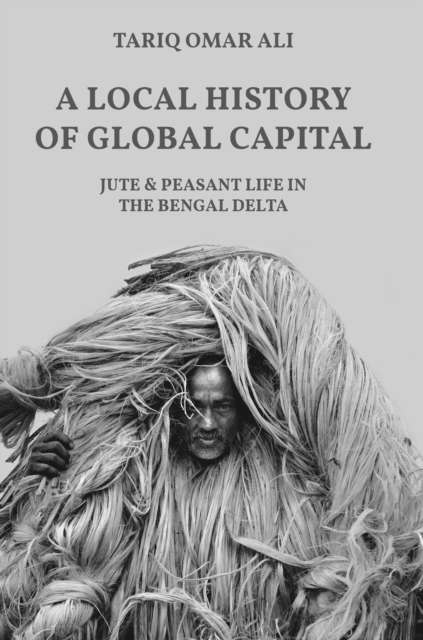
Before the advent of synthetic fibers and cargo containers, jute sacks were the preferred packaging material of global trade, transporting the world's grain, cotton, sugar, tobacco, coffee, wool, guano, and bacon.
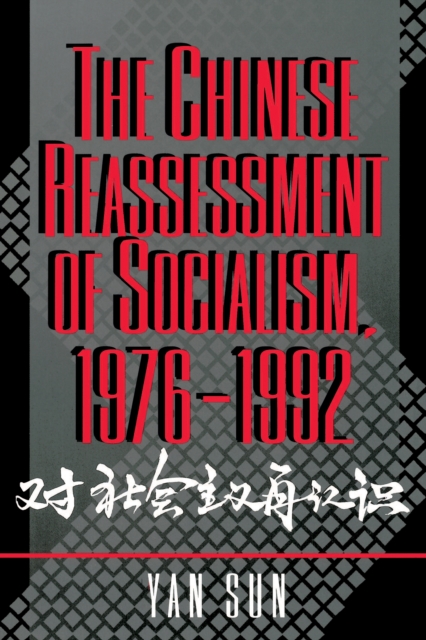
A momentous debate has been unfolding in China over the last fifteen years, only intermittently in public view, concerning the merits of socialism as a philosophy of social justice and as a program for national development.
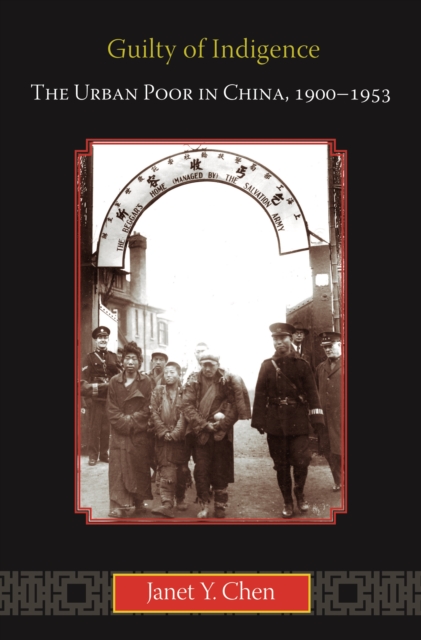
In the early twentieth century, a time of political fragmentation and social upheaval in China, poverty became the focus of an anguished national conversation about the future of the country.