Existing studies of settler colonial genocides explicitly consider the roles of metropolitan and colonial states, and their military forces in the perpetration of exterminatory violence in settler colonial situations, yet rarely pay specific attention to the dynamics around civilian-driven mass violence against indigenous peoples.
Existing studies of settler colonial genocides explicitly consider the roles of metropolitan and colonial states, and their military forces in the perpetration of exterminatory violence in settler colonial situations, yet rarely pay specific attention to the dynamics around civilian-driven mass violence against indigenous peoples.
Since the turn of the twenty-first century, family history is the place where two great oceans of research are meeting: family historians outside the academy, with traditionally trained, often university-employed historians.
Since the turn of the twenty-first century, family history is the place where two great oceans of research are meeting: family historians outside the academy, with traditionally trained, often university-employed historians.
Dynamite on the Tropic of Cancer is the radical, explosive retelling of the first decade of the 'Father of Modern China' Dr Sun Yatsen's globally shaped formation as a professional revolutionist, and of the impact of the adult Sun's revolutionary relationship with Hawai?
Dynamite on the Tropic of Cancer is the radical, explosive retelling of the first decade of the 'Father of Modern China' Dr Sun Yatsen's globally shaped formation as a professional revolutionist, and of the impact of the adult Sun's revolutionary relationship with Hawai?
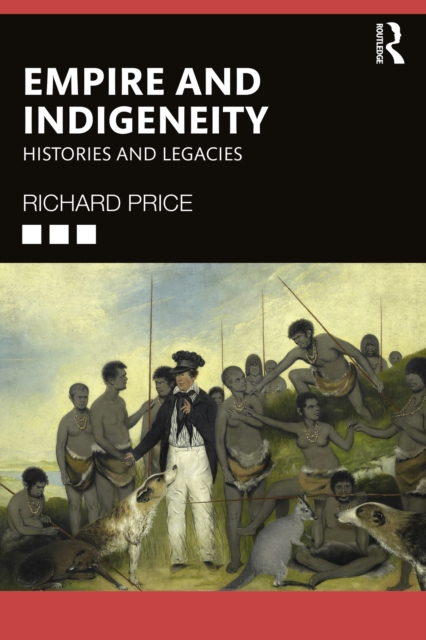
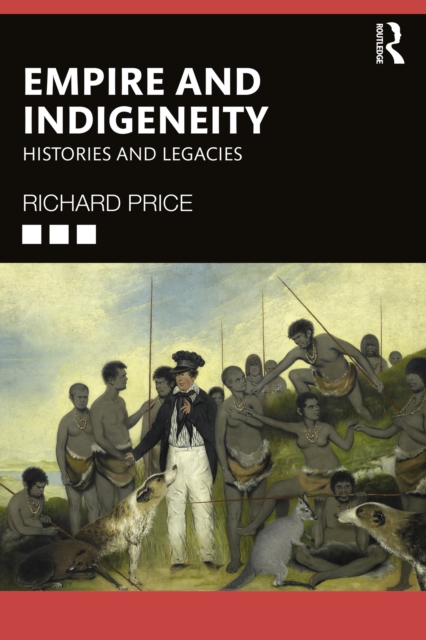
Indigeneity is inseparable from empire, and the way empire responds to the Indigenous presence is a key historical factor in shaping the flow of imperial history.
Indigeneity is inseparable from empire, and the way empire responds to the Indigenous presence is a key historical factor in shaping the flow of imperial history.
Since it was first published in 1982, High Command had become the standard reference for anyone interested in Australia's participation in the Second World War, this edition was originally published in 1992.
Originally published in 1984, this book tells the story of sixteen of Australia's most eminent military men, as they performed under the stress of strategy-making and in the heat of battle.
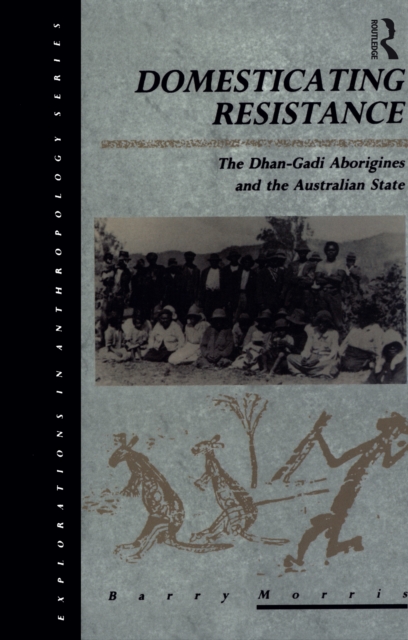
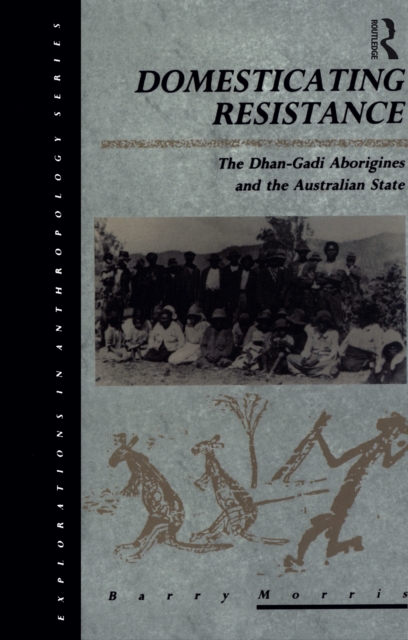
In this fascinating study of the Dhan-Gadi Aboriginal people of New South Wales, Australia, the author combines the skills of a social historian with the detailed observation of a social anthropologist.
In this fascinating study of the Dhan-Gadi Aboriginal people of New South Wales, Australia, the author combines the skills of a social historian with the detailed observation of a social anthropologist.
From September 1836 to December 1837, young Aboriginal clerks produced the Flinders Island Weekly Chronicle, a remarkable record of life on the island off Tasmania where a number of Aboriginal people had been forced to resettle.
From September 1836 to December 1837, young Aboriginal clerks produced the Flinders Island Weekly Chronicle, a remarkable record of life on the island off Tasmania where a number of Aboriginal people had been forced to resettle.
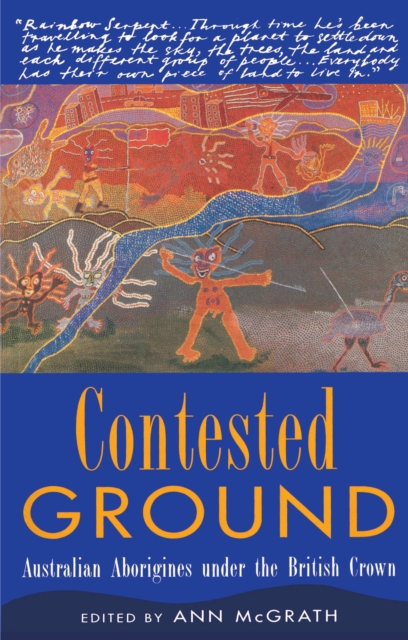
Contested Ground provides a comprehensive and up to date account of the processes and experiences which shaped the lives of Aboriginal Australians from 1788 to the present.
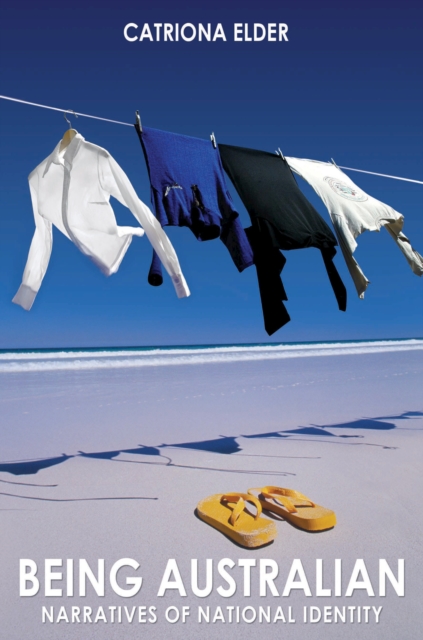
After a century of speculation by writers, filmmakers, travelers and scholars, being Australian' has become a recognisable shorthand for a group of national characteristics.
Behind the glittering image of 'Marvellous Melbourne' there existed in the popular imagination another, very different, picture of the colonial metropolis.
'We cannot help but wonder why it has taken the white Australians just on 200 years to recognise us as a race of people' Bill Onus, 1967Aboriginal people were the original landowners in Australia, yet this was easily forgotten by Europeans settling this old continent.
This is the story of Sydney's much maligned western suburbs: how the city spread across the plains to the Blue Mountains, and why the 'westie' stigma haunts the people of the region.