Contested Ground provides a comprehensive and up to date account of the processes and experiences which shaped the lives of Aboriginal Australians from 1788 to the present.
After a century of speculation by writers, filmmakers, travelers and scholars, being Australian' has become a recognisable shorthand for a group of national characteristics.
Behind the glittering image of 'Marvellous Melbourne' there existed in the popular imagination another, very different, picture of the colonial metropolis.
'We cannot help but wonder why it has taken the white Australians just on 200 years to recognise us as a race of people' Bill Onus, 1967Aboriginal people were the original landowners in Australia, yet this was easily forgotten by Europeans settling this old continent.
This is the story of Sydney's much maligned western suburbs: how the city spread across the plains to the Blue Mountains, and why the 'westie' stigma haunts the people of the region.
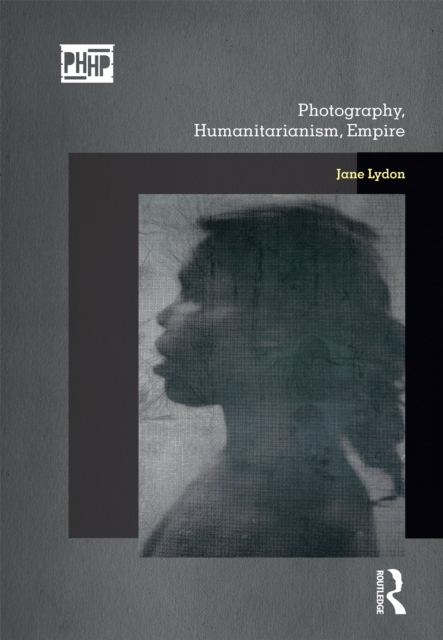
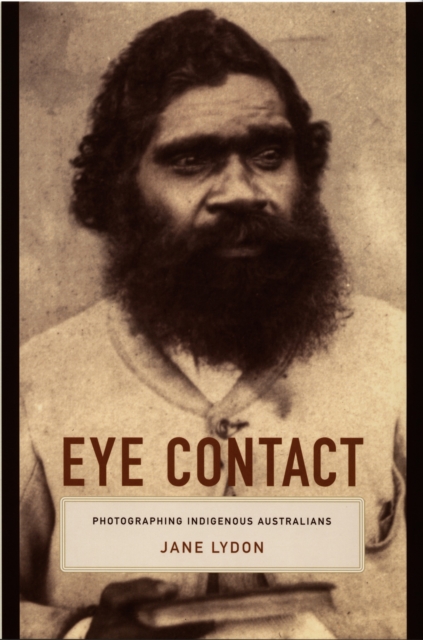
With their power to create a sense of proximity and empathy, photographs have long been a crucial means of exchanging ideas between people across the globe; this book explores the role of photography in shaping ideas about race and difference from the 1840s to the 1948 Declaration of Human Rights.
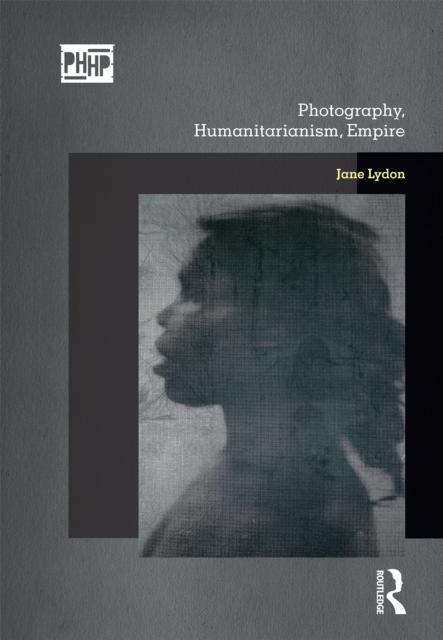
With their power to create a sense of proximity and empathy, photographs have long been a crucial means of exchanging ideas between people across the globe; this book explores the role of photography in shaping ideas about race and difference from the 1840s to the 1948 Declaration of Human Rights.
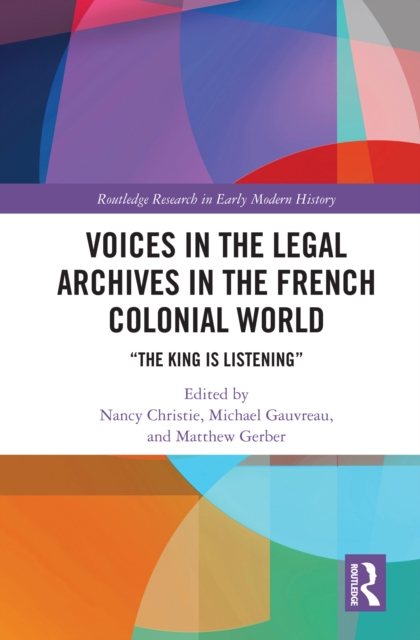
Voices in the Legal Archives in the French Colonial World: "e;The King is Listening"e; offers, through the contribution of thirteen original chapters, a sustained analysis of judicial practices and litigation during the first era of French overseas expansion.
Voices in the Legal Archives in the French Colonial World: "e;The King is Listening"e; offers, through the contribution of thirteen original chapters, a sustained analysis of judicial practices and litigation during the first era of French overseas expansion.
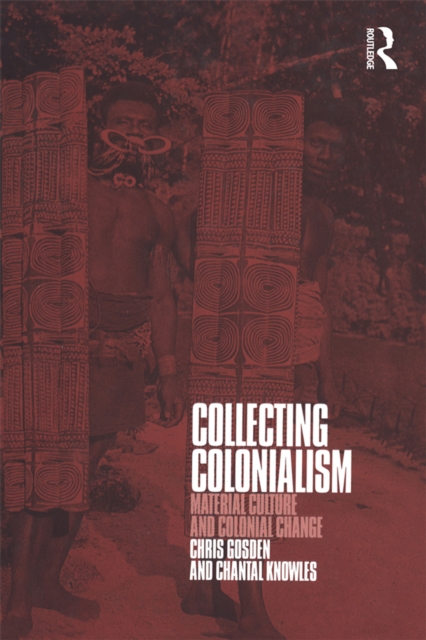
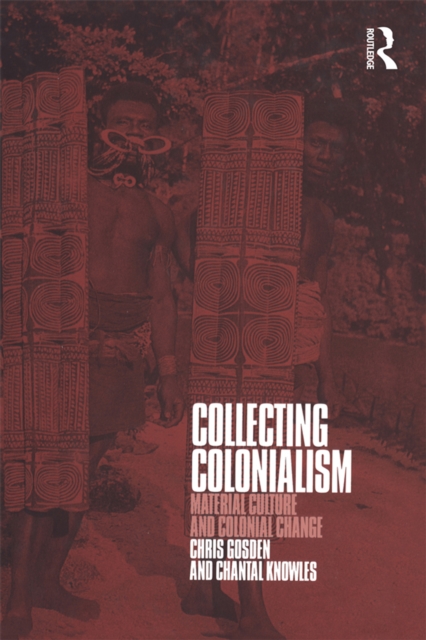
Colonialism has shaped the world we live in today and has often been studied at a global level, but there is less understanding of how colonial relations operated locally.
Colonialism has shaped the world we live in today and has often been studied at a global level, but there is less understanding of how colonial relations operated locally.
This book provides a comprehensive environmental history of how Australia's rainforests developed, the influence of Aborigines and pioneers, farmers and loggers, and of efforts to protect rainforests, to help us better understand current issues and debates surrounding their conservation and use.
This book provides a comprehensive environmental history of how Australia's rainforests developed, the influence of Aborigines and pioneers, farmers and loggers, and of efforts to protect rainforests, to help us better understand current issues and debates surrounding their conservation and use.
Contesting Inequality and Worker Mobilisation: Australia 1851-1880 provides a new perspective on how and why workers organise, and what shapes that organisation.
Contesting Inequality and Worker Mobilisation: Australia 1851-1880 provides a new perspective on how and why workers organise, and what shapes that organisation.
This collection brings together world-leading and emerging scholars to explore how the concept of "e;protection"e; was applied to Indigenous peoples of Britain's antipodean colonies.
This collection brings together world-leading and emerging scholars to explore how the concept of "e;protection"e; was applied to Indigenous peoples of Britain's antipodean colonies.
From its origins as a convict chaplaincy to the challenges of expansion today, Sydney Diocese has grown through turbulent years of Church-State controversy and the traumas of economic depression and war.
The diversity of opinions which were held by Anglicans in the late nineteenth and early twentieth centuries was, ideally, the ingredients of a unifying comprehensiveness.
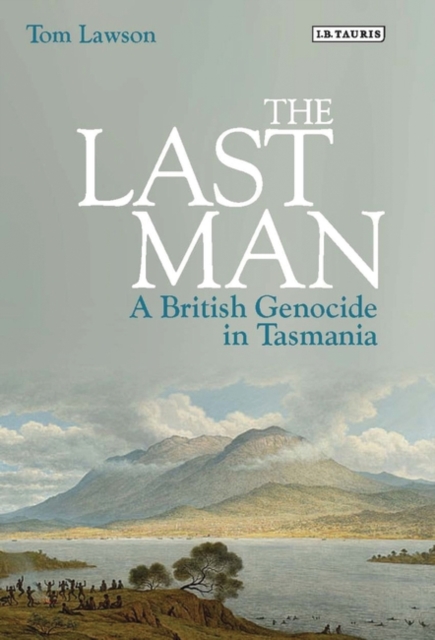
Little more than seventy years after the British settled Van Diemen's Land (later Tasmania) in 1803, the indigenous community had been virtually wiped out.
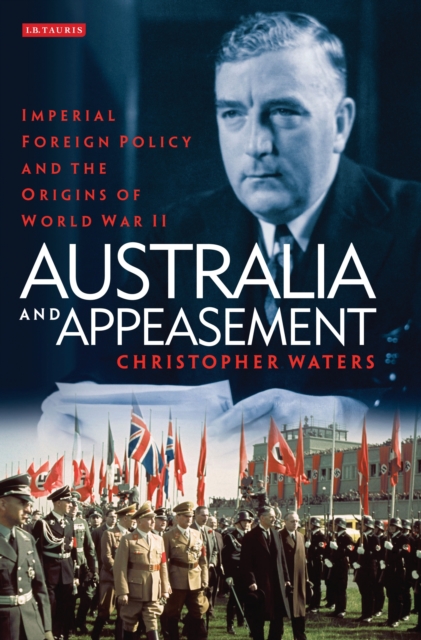
On 3 September 1939, Robert Menzies, the Australian Prime Minister, broadcast to the Australian people the news that their country was at war with Germany.
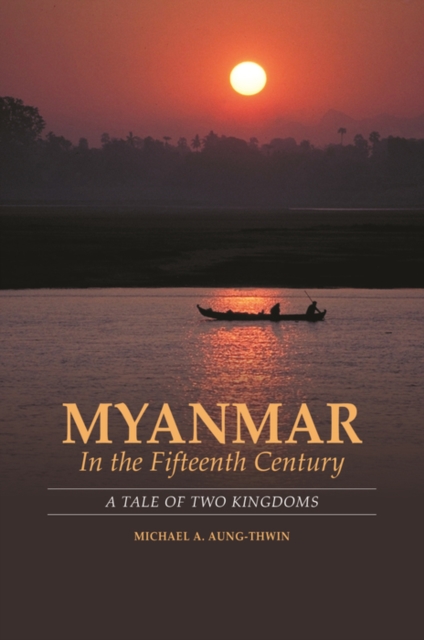
When the great kingdom of Pagan declined politically in the late thirteenth and early fourteenth centuries, its territory devolved into three centers of power and a period of transition occurred.
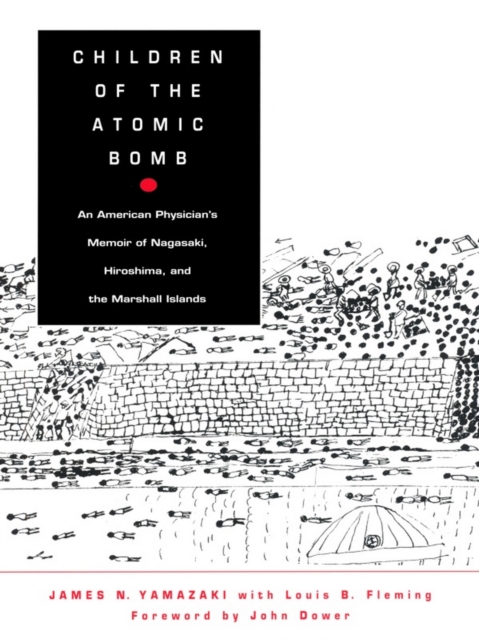
Despite familiar images of the dropping of the atomic bomb on Japan and the controversy over its fiftieth anniversary, the human impact of those horrific events often seems lost to view.
An indigenous reservation in the colony of Victoria, Australia, the Coranderrk Aboriginal Station was a major site of cross-cultural contact the mid-nineteenth century and early twentieth.