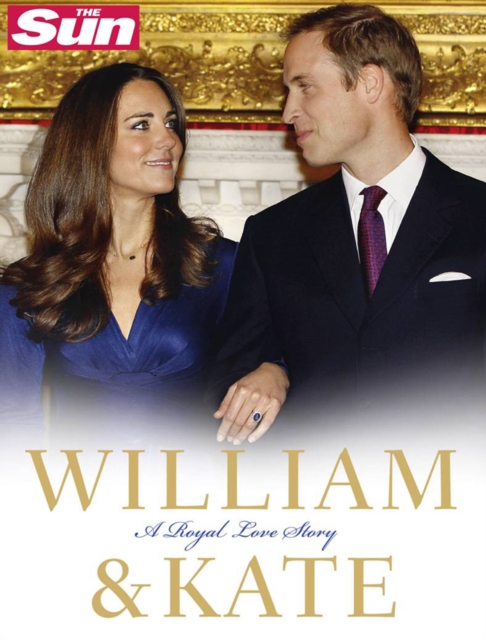
Prince William and Kate Middleton's fairytale romance is the greatest love story of the century, with a happy ending to come - a Royal wedding that will truly capture the hearts of the British people.
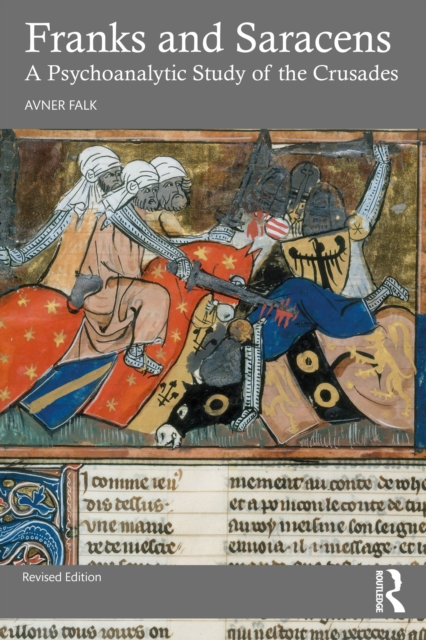
Franks and Saracens is the first and only book to examine the Crusades from the viewpoint of psychoanalysis, studying the hidden emotions and fantasies that drove the Crusaders and the Muslims to undertake their terrible wars.
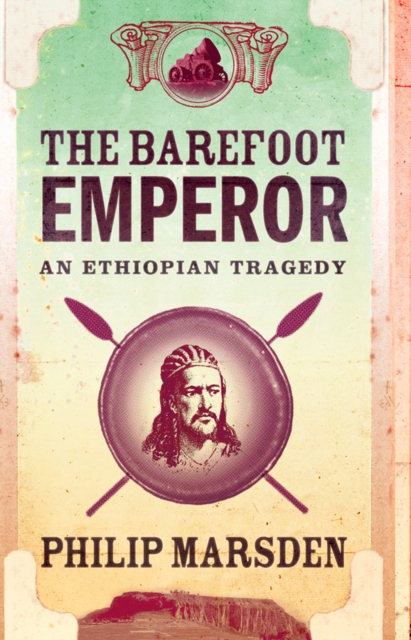
A fascinating narrative excursion into a bizarre episode in 19th century Ethiopian and British imperial history, featuring a remote African despot and his monstrous European-built gun.
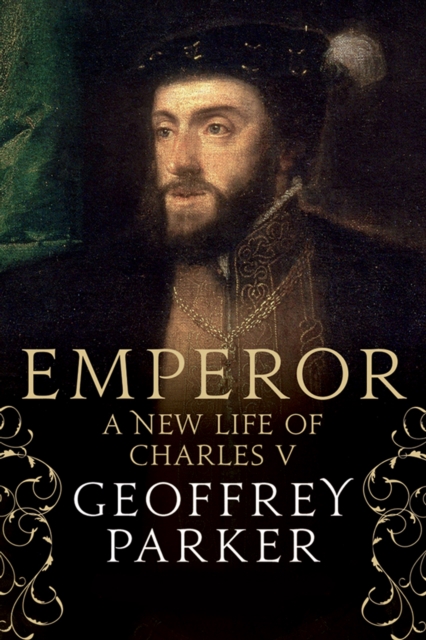
This "e;elegant and engaging"e; biography dramatically reinterprets the life and reign of the sixteenth-century Holy Roman Emperor: "e;a masterpiece"e; (Susannah Lipscomb, Financial Times).
The essential history of Anglo-Saxon England, brought completely up to date with new discoveries and interpretations The Anglo-Saxon period, stretching from the fifth to the late eleventh century, begins with the Roman retreat from the Western world and ends with the Norman takeover of England.
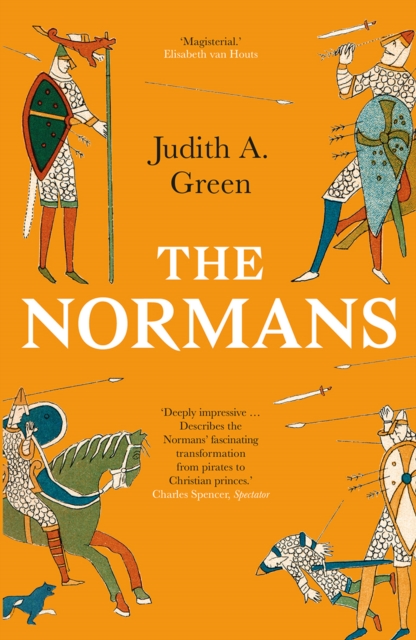
A bold new history of the rise and expansion of the Norman Dynasty across Europe from Byzantium to England In the eleventh century the climate was improving, population was growing, and people were on the move.
An "e;engaging narrative history"e; of the medieval church, with new attention to women, ordinary parishioners, attitudes toward Jews and Muslims, and more (Publishers Weekly, starred review).
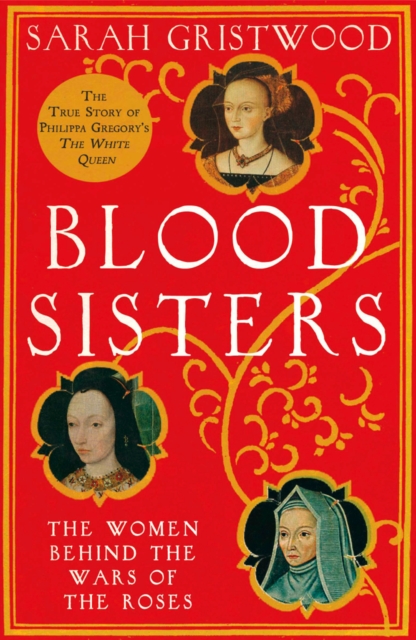
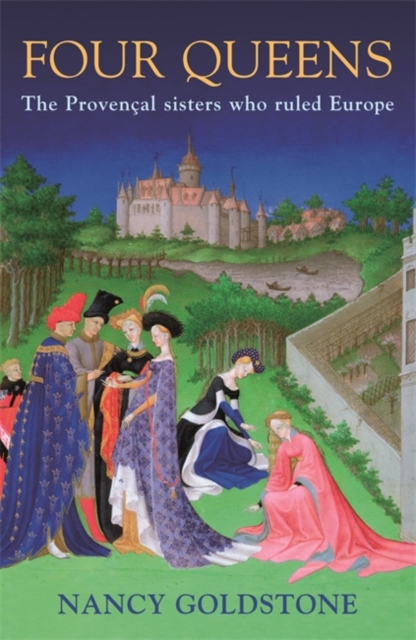
The four beautiful, cultured and clever daughters of the Count and Countess of Provence made illustrious marriages and lived at the epicentre of political power and intrigue in 13th-century Europe.
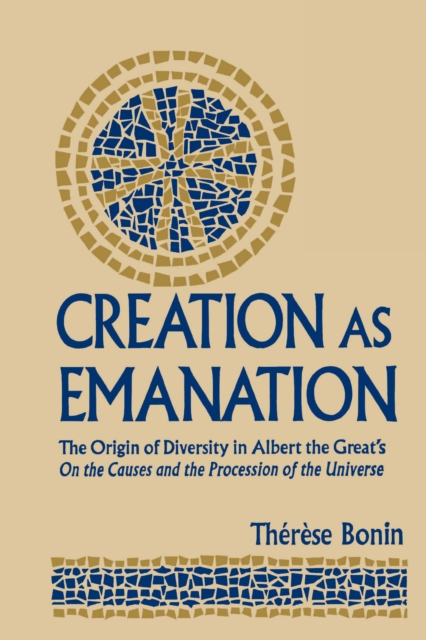
The Liber de causis (De causis et processu universitatis a prima causa), a monotheistic reworking of Proclus' Elements of Theology, was translated from Arabic into Latin in the twelfth century, with an attribution to Aristotle.
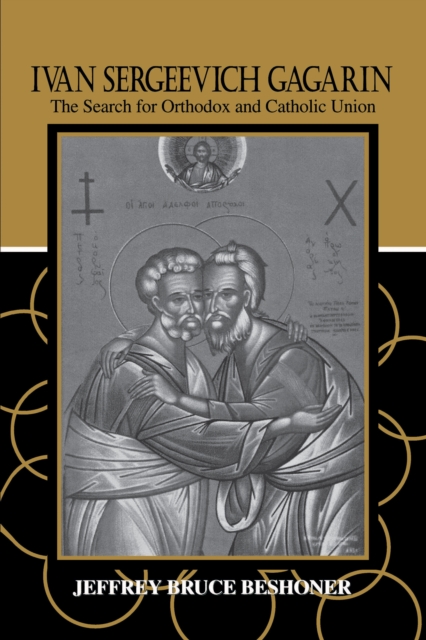
Ivan Sergeevich Gagarin analyzes questions of nationality and religious identity in nineteenth-century Russian history as reflected in the life of Jesuit priest Ivan Gagarin.
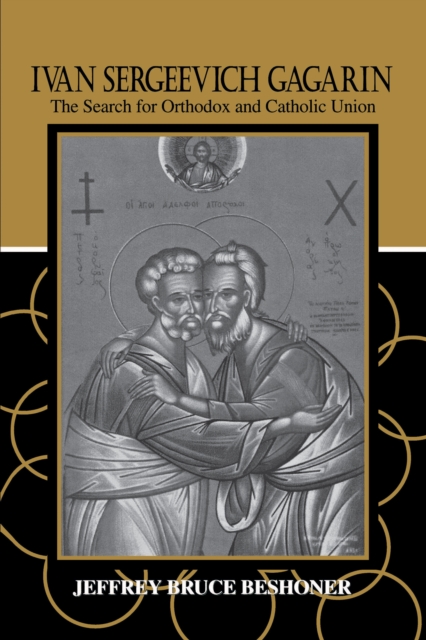
Ivan Sergeevich Gagarin analyzes questions of nationality and religious identity in nineteenth-century Russian history as reflected in the life of Jesuit priest Ivan Gagarin.
The history of East Central, Southeastern and Eastern Europe may be considered as alternating between a Marxist emphasis on rigid differences between Antiquity and the Middle Ages, largely derived from distinctive modes of production, and a preoccupation with borders, ethnicity, and personalities.
In late July 1263 a public disputation was convened by King James I of Aragon, pitting Friar Paul Christian against the distinguished rabbi of Gerona, Moses ben Nahman.
By the mid-sixteenth century, Jews in the cities of Italy were being crowded into compulsory ghettos as a result of the oppressive policies of Pope Paul IV and his successors.
While the Middle Ages represent a topic of perennial interest, most studies have addressed the western parts of the European continent, often from the angle of the written sources.
Distinguished historian Robert Brentano provides an entirely new perspective on the character of the church, religion, and society in the medieval Italian diocese of Rieti from 1188 to 1378.
Marc Bloch was one of the founders of social history, if by that is meant the history of social organization and relations to contrast to the more conventional histories of political elites and diplomatic relations.
Irish Kingship in the Eleventh and Twelfth Centuries examines the power of medieval Irish kings but treats 'power' as a complex concept worthy of study in its own right.
The dissolution of the Lombard political unity in southern Italy and the Muslim military activities in that area rendered the ninth century a crucial, yet troubled period for the history of this part of the Italian peninsula.
In late July 1263 a public disputation was convened by King James I of Aragon, pitting Friar Paul Christian against the distinguished rabbi of Gerona, Moses ben Nahman.
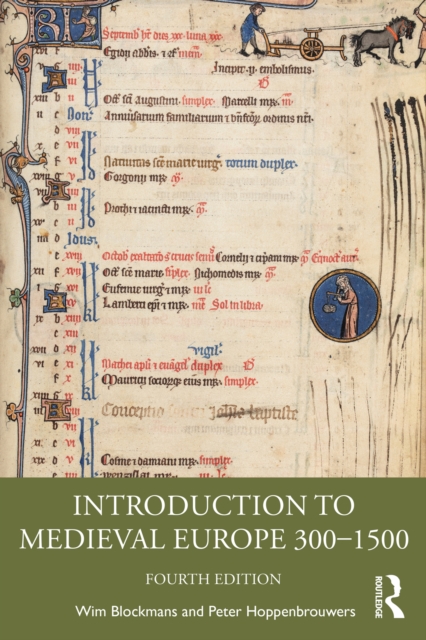
Introduction to Medieval Europe 300-1500 provides a comprehensive survey of this complex and varied formative period of European history within a global context, covering themes as diverse as barbarian migrations, the impact of Christianisation, the formation of nations and states, the emergence of an expansionist commercial economy, the growth of cities, the Crusades, the effects of plague and the intellectual and cultural dynamism of the Middle Ages.
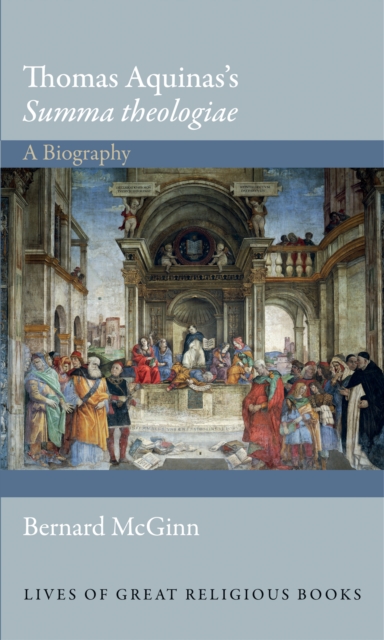
The life and times of the most important theological work of medieval ChristendomThis concise book tells the story of the most important theological work of the Middle Ages, the vast Summa theologiae of Thomas Aquinas, which holds a unique place in Western religion and philosophy.
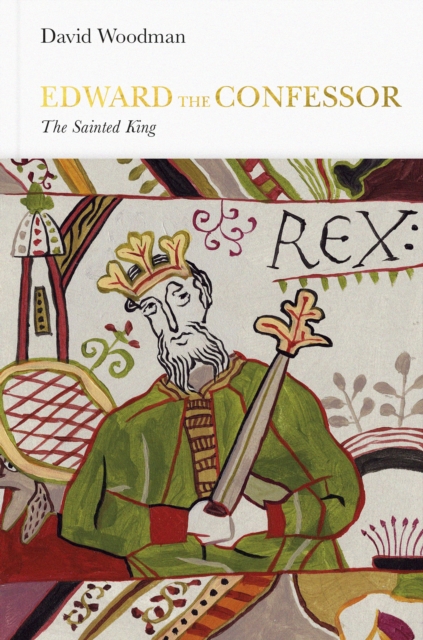
Edward the Confessor, the last great king of Anglo-Saxon England, canonized nearly 100 years after his death, is in part a figure of myths created in the late middle ages.
Chosen as a Book of the Year by The Times, Daily Telegraph, TLS, BBC History Magazine and Tablet'Compulsive, brilliantly clear and superbly well-written, it's a charismatic evocation of another world' Ian Mortimer, author of The Time Traveller's Guide to Medieval EnglandThe Middle Ages were a time of wonder.
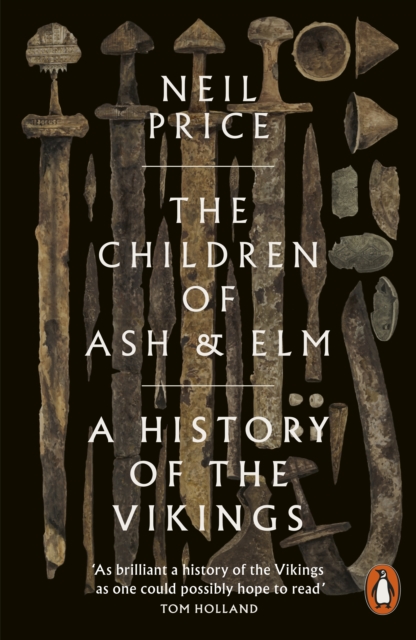
A TIMES BOOK OF THE YEAR'As brilliant a history of the Vikings as one could possibly hope to read' Tom HollandThe 'Viking Age' is traditionally held to begin in June 793 when Scandinavian raiders attacked the monastery of Lindisfarne in Northumbria, and to end in September 1066, when King Harald Hardrada of Norway died leading the charge against the English line at the Battle of Stamford Bridge.
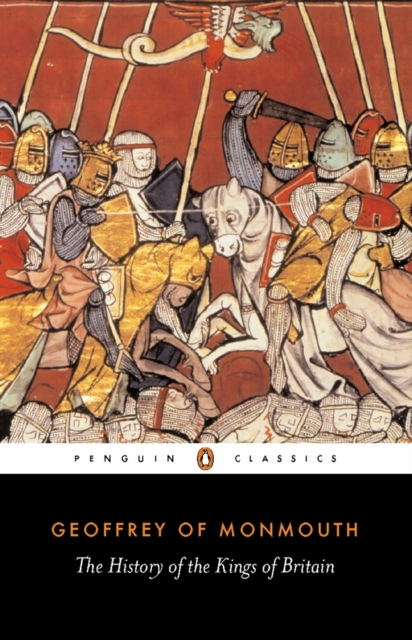
Completed in 1136, The History of the Kings of Britain traces the story of the realm from its supposed foundation by Brutus to the coming of the Saxons some two thousand years later.
In recent years, work on the medieval English peasant has tended to stress the degree of interaction between the village and the world beyond its bounds.