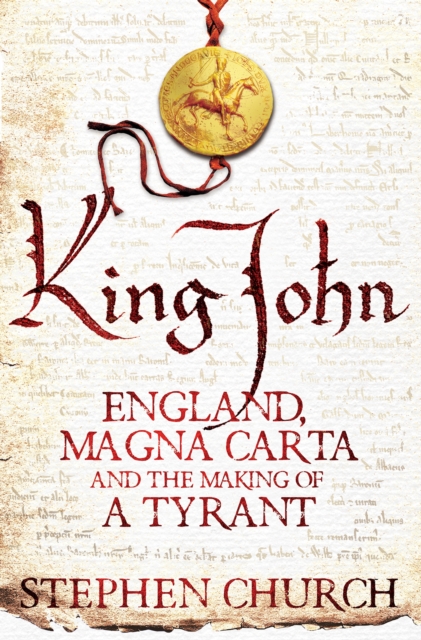
No English king has suffered a worse press than King John: Bad King John, the Sheriff of Nottingham and Robin Hood, Magna Carta - but how to disentangle myth and truth?
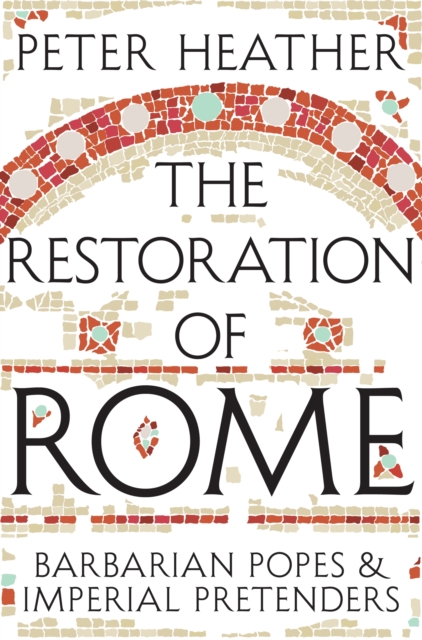
In 476 AD the last of Rome's emperors was deposed by a barbarian general, the son of one of Attila the Hun's henchmen, and the imperial vestments were despatched to Constantinople.
This book examines the scholarly construction of Geoffrey Chaucer in different historical eras, and challenges long-standing assumptions to enhance the theoretical dialogue on Chaucer's historical reception.
This study covers the history of the underage male kings of England, examining their historical relationship to one another and assessing their collective impact on the political and constitutional development of England.
This book portrays the great variety of work that medieval English juries carried out while highlighting the dramatic increase in demands for jury service that occurred during this period.
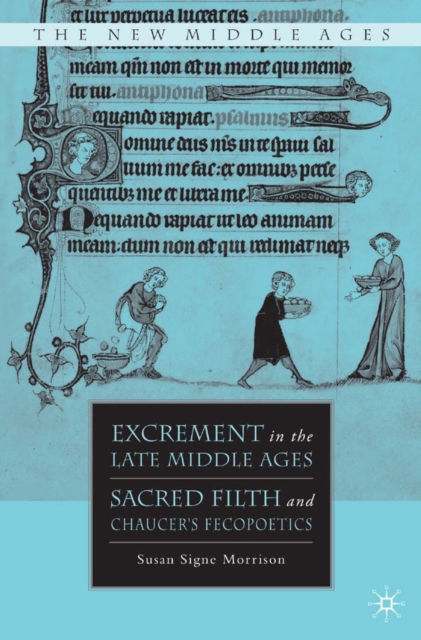
This interdisciplinary book intergrates the historical practices regarding material excrement and its symbolic representation, concluding that excrement is a moral and ethical category deserving scrutiny.
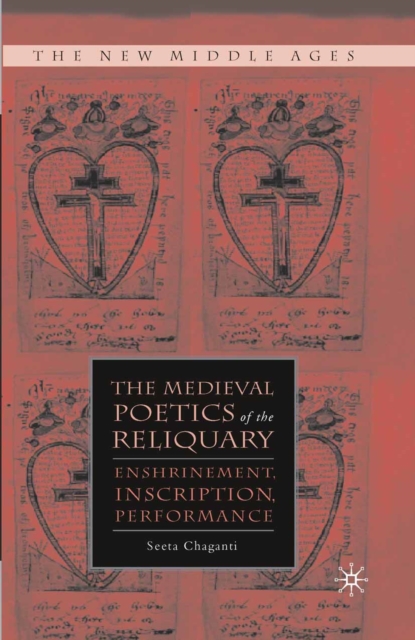
Through interdisciplinary readings of medieval literature and devotional artifacts, The Medieval Poetics of the Reliquary shows how reliquaries shaped ideas about poetry and poetics in late-medieval England.
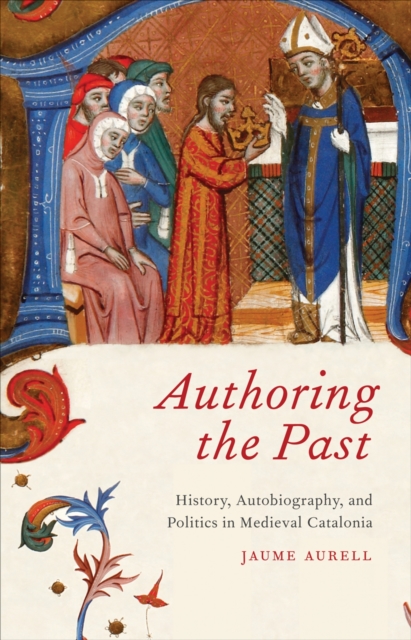
Authoring the Past surveys medieval Catalan historiography, shedding light on the emergence and evolution of historical writing and autobiography in the Middle Ages, on questions of authority and authorship, and on the links between history and politics during the period.
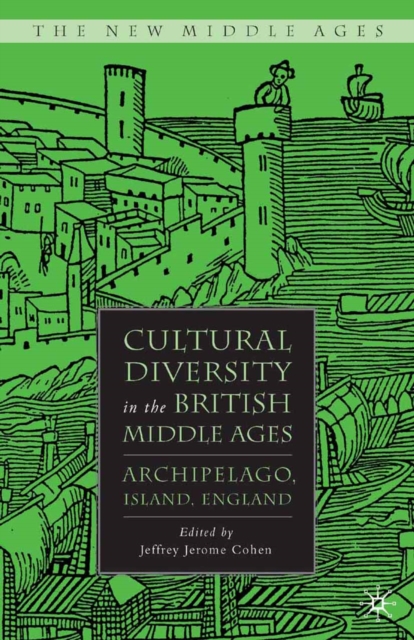
Through close readings of both familiar and obscure medieval texts, the contributors to this volume attempt to read England as a singularly powerful entity within a vast geopolitical network.
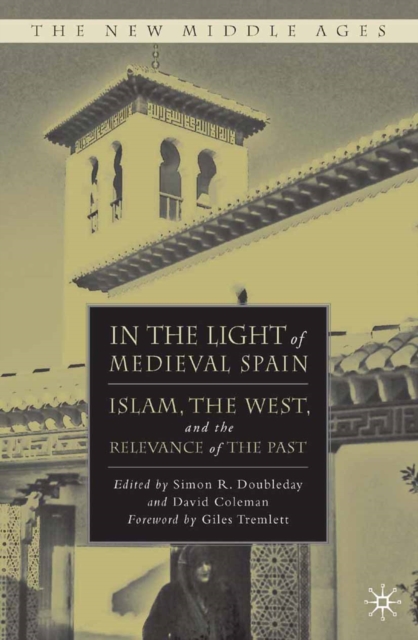
This volume brings together a team of leading scholars in Spanish studies to interrogate the contemporary significance of the medieval past, offering a counterbalance to intellectual withdrawal from urgent public debates.
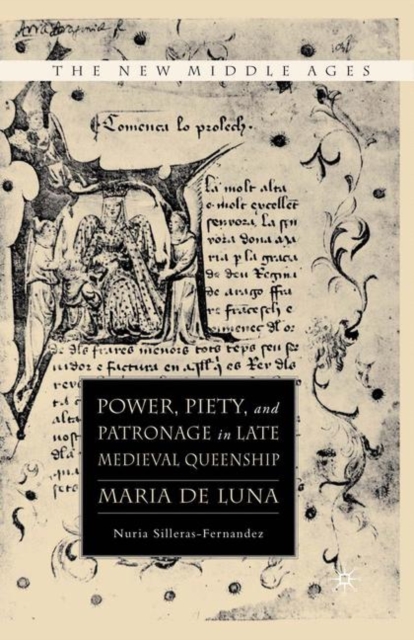
Based on an exhaustive and varied study of predominantly unpublished archival material as well as a variety of literary and non-literary sources, this book investigates the relation between patronage, piety and politics in the life and career of one Late Medieval Spain's most intriguing female personalities, Maria De Luna.
This collection examines the cultural and intellectual dimensions of war and its resolution between Han Chinese and the various ethnically dissimilar peoples surrounding them during the crucial 'middle period' of Chinese history.
The Lingua Ignota, "e;brought forth"e; by the twelfth-century German nun Hildegard of Bingen, provides 1012 neologisms for praise of Church and new expression of the things of her world.
This volume brings together contemporary popular entertainment, current political subjects, and medieval history and culture to investigate the intersecting and often tangled relations between politics, aesthetics, reality and fiction, in relation to issues of morality, identity, social values, power, and justice, both in the past and the present.
This study explores the extraordinary afterlife of the Spanish legend of King Roderick and La Cava in plays, poems, novels and operas from the Eighth century to the present day.
Representing Others in Medieval Iberian Literature explores the ways Arabic, Jewish and Christian intellectuals in medieval Iberia (courtiers and clerics) adapt and transform the Andalusi go-between figure in order to represent their own role as cultural intermediaries.
This book examines marvels as tangible objects in the literary, courtly, and artisanal cultures of medieval England, but these clever devices, neither wholly semiotic nor purely positivist objects, are imbued with diverse cultural significance that illuminates in new ways the familiar literature of the Ricardian period.
This study of medieval women as postcolonial writers defines the literary strategies of subversion by which they authorized their alterity within the dominant tradition.
Through extended readings of English, French, and Italian writers of the Thirteenth and Fourteenth centuries, Claustrophilia shows that medieval enclosures actually make room for desires and communities that a poetics of pure openness would exclude.
The medieval film genre is not, in general, concerned with constructing a historically accurate past, but much analysis nonetheless centers on highlighting anachronisms.
This groundbreaking interdisciplinary collection of essays by American, British, and Iberian scholars examines the literary, historical, and artistic exchanges between England and Iberia from the Twelfth to Fifteenth century.
Taking as its starting point two uprisings in England and Germany (Richard Marshal in 1233-4 and Henry (VII) in 1234-5), this book offers a new take on the political culture of high medieval Europe.
Bringing together many of today's key scholars of verbal charming, these essays cover vernacular magical texts and practice from Malaysia to Madagascar, and from England to Estonia.
This collection of essays by European and American scholars addresses the changing nature and appeal of crusading during the period which extended from the battle of Nicopolis in 1396 to the battle of Mohacs in 1526.
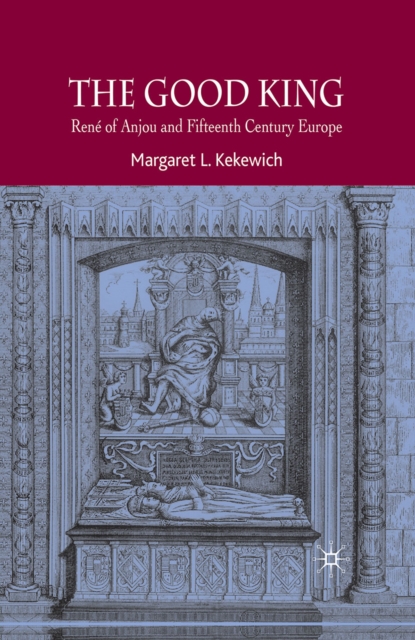
King Rene is little known beyond France, yet, through his controversial daughter Margaret of Anjou, he affected events in England during the Wars of the Roses.
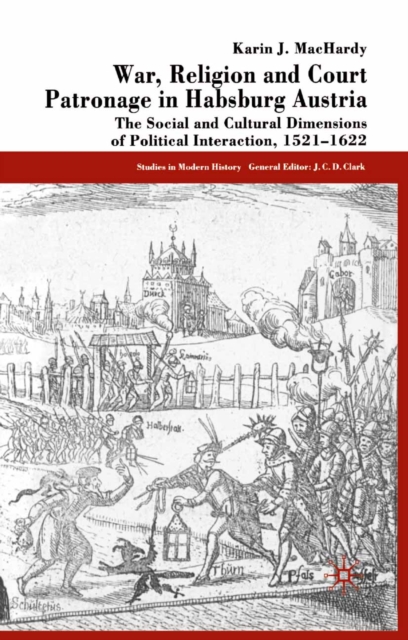
This case study of the causes of the Thirty Years' War suggests an alternative framework to that of Absolutism, and views statebuilding as an interactive bargaining process that can engender challenges to political authority.
This book breaks new ground by bringing postmodern writings on vision and embodiment into dialogue with medieval texts and images: an interdisciplinary strategy that illuminates and complicates both cultures.
In Renaissance Europe, when 'leisure classes' used social gathering to define civility and the commercialization of leisure was beginning, the human need for recreation became a cultural topos.
This book is aimed at students coming to the study of western European medieval history for the first time, and also graduate students on interdisciplinary medieval studies programmes.
Heir to an earldom, and wife and widow of William de Valence (half-brother of King Henry III), Joan de Valence was an important actor in the volatile political world of thirteenth-century England, Wales, Scotland, and Ireland.
Broadens the perspective of recent work on the discourse of the Muslim Other in medieval Christendom by investigating pertinent texts, art, and artefacts, situating these local discourses of the Muslim Other in the larger cultural context of proto-Eurocentric discourse.
In a rare combination of comprehensive coverage and sustained critical focus, this book examines Japan's progress through its entire history to its current status as an economic, technological, and cultural superpower.