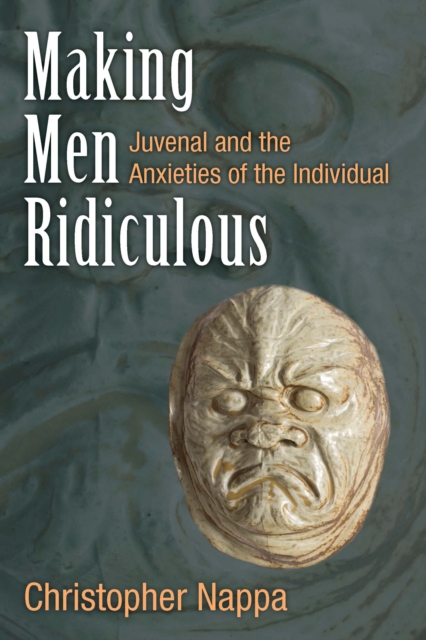
Writing during the reign of emperors Trajan and Hadrian, Juvenal drew on Roman legend and the history of preceding imperial dynasties as a means of scrutinizing cultural upheavals in the Rome of his day.
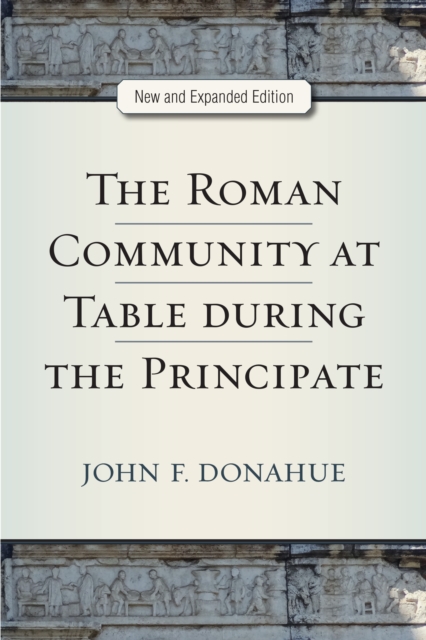
On its initial publication, The Roman Community at Table during the Principate broke new ground with its approach to the integral place of feasting in ancient Roman culture and the unique power of food to unite and to separate its recipients along class lines throughout the Empire.
Writing during the reign of emperors Trajan and Hadrian, Juvenal drew on Roman legend and the history of preceding imperial dynasties as a means of scrutinizing cultural upheavals in the Rome of his day.
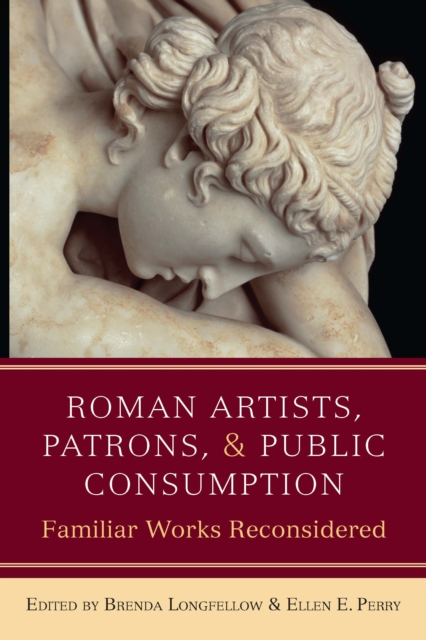
In recent decades, the study of Roman art has shifted focus dramatically from issues of connoisseurship, typology, and chronology to analyses of objects within their contemporary contexts and local environments.
On its initial publication, The Roman Community at Table during the Principate broke new ground with its approach to the integral place of feasting in ancient Roman culture and the unique power of food to unite and to separate its recipients along class lines throughout the Empire.
In recent decades, the study of Roman art has shifted focus dramatically from issues of connoisseurship, typology, and chronology to analyses of objects within their contemporary contexts and local environments.
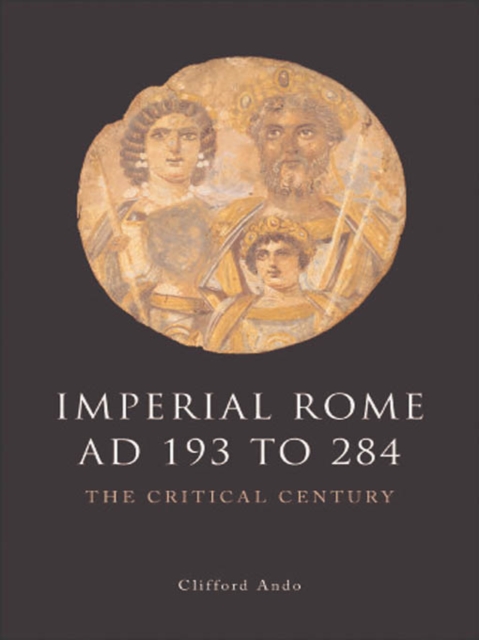
A pioneering history of this period of crisisThe Roman empire during the period framed by the accession of Septimus Severus in 193 and the rise of Diocletian in 284 has conventionally been regarded as one of crisis.
In ancient Rome, where literacy was limited and speech was the main medium used to communicate status and identity face-to-face in daily life, an education in rhetoric was a valuable form of cultural capital and a key signifier of elite male identity.
In ancient Rome, where literacy was limited and speech was the main medium used to communicate status and identity face-to-face in daily life, an education in rhetoric was a valuable form of cultural capital and a key signifier of elite male identity.
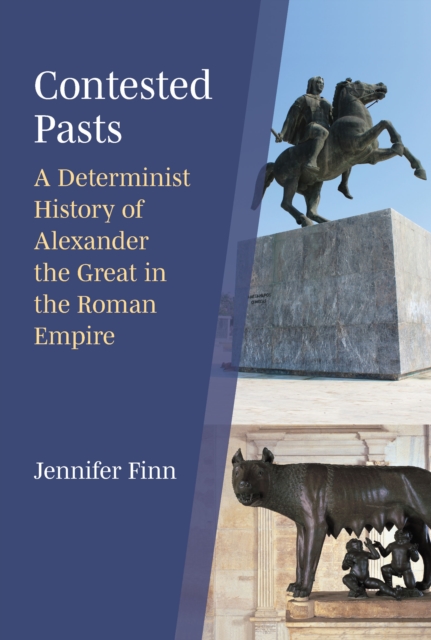
Taking as a key turning point the self-fashioning of the first Roman emperor Augustus, author Jennifer Finn revisits the idea of "e;universal history"e; in Polybius, Justin, and Diodorus, combined with the Stoic philosophy of determinism present in authors like Plutarch and Arrian.
Taking as a key turning point the self-fashioning of the first Roman emperor Augustus, author Jennifer Finn revisits the idea of "e;universal history"e; in Polybius, Justin, and Diodorus, combined with the Stoic philosophy of determinism present in authors like Plutarch and Arrian.
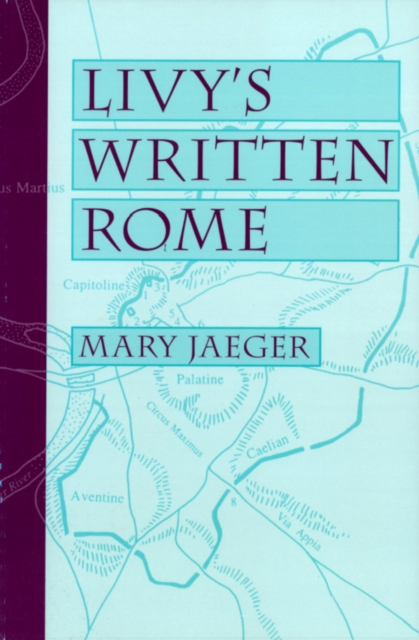
The modern age is not the only one in which Romans and visitors to Rome have been fascinated with the city's striking juxtapositions of past and present.
The modern age is not the only one in which Romans and visitors to Rome have been fascinated with the city's striking juxtapositions of past and present.
The economy of the Roman Empire was predominantly agrarian: Roman landowners, agricultural laborers, and small tenant farmers were highly dependent upon one another for assuring stability.
The economy of the Roman Empire was predominantly agrarian: Roman landowners, agricultural laborers, and small tenant farmers were highly dependent upon one another for assuring stability.
Seventeen centuries after the first ecumenical council of Nicaea (325), we should not only think about the contribution of the most prominent personalities of that event, but also that of the participants who were less involved in the doctrinal debates, but whose presence gave weight and authority to the final document approved there, such as St.
Seventeen centuries after the first ecumenical council of Nicaea (325), we should not only think about the contribution of the most prominent personalities of that event, but also that of the participants who were less involved in the doctrinal debates, but whose presence gave weight and authority to the final document approved there, such as St.
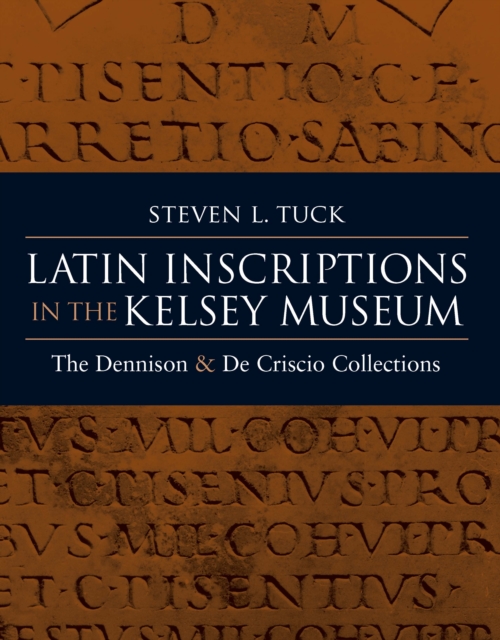
The Latin inscriptions in the Kelsey Museum are among the best primary sources we have for documenting the lives of the lower classes in the Roman world.
The Latin inscriptions in the Kelsey Museum are among the best primary sources we have for documenting the lives of the lower classes in the Roman world.
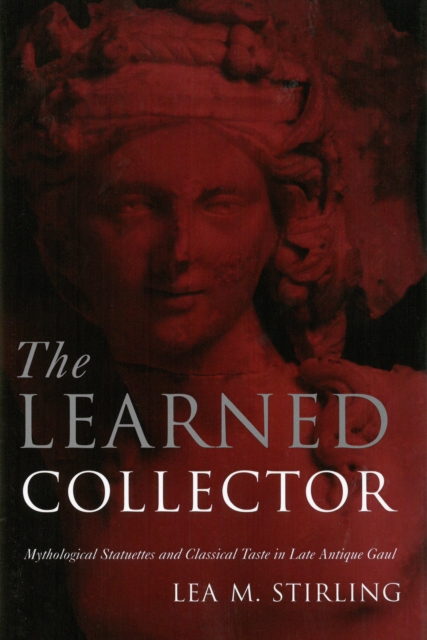
Inspired by a classical education, wealthy Romans populated the glittering interiors of their villas and homes with marble statuettes of ancestors, emperors, gods, and mythological figures.
Inspired by a classical education, wealthy Romans populated the glittering interiors of their villas and homes with marble statuettes of ancestors, emperors, gods, and mythological figures.
For hundreds of years, the Roman people produced laws in popular assemblies attended by tens of thousands of voters to publicly forge resolutions to issues that might otherwise have been unmanageable.
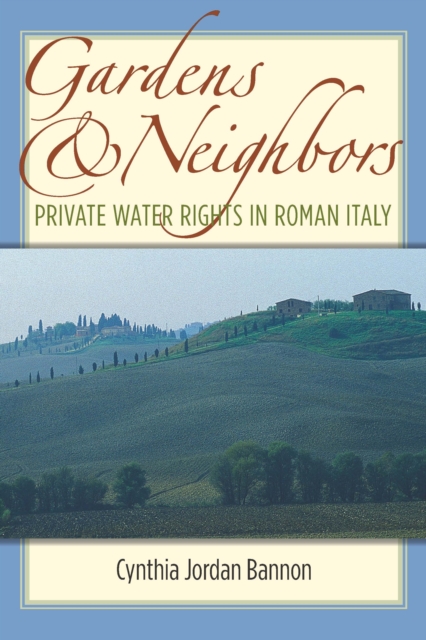
"e;Gardens and Neighbors will provide an important building block in the growing body of literature on the ways that Roman law, Roman society, and the economic concerns of the Romans jointly functioned in the real world.
"e;Gardens and Neighbors will provide an important building block in the growing body of literature on the ways that Roman law, Roman society, and the economic concerns of the Romans jointly functioned in the real world.
For hundreds of years, the Roman people produced laws in popular assemblies attended by tens of thousands of voters to publicly forge resolutions to issues that might otherwise have been unmanageable.
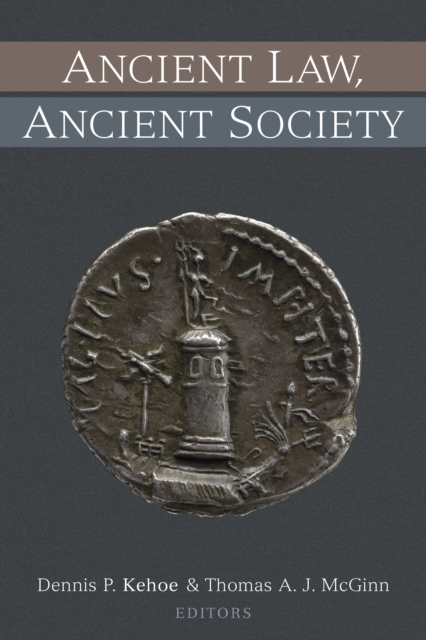
The essays composing Ancient Law, Ancient Society examine the law in classical antiquity both as a product of the society in which it developed and as one of the most important forces shaping that society.
The essays composing Ancient Law, Ancient Society examine the law in classical antiquity both as a product of the society in which it developed and as one of the most important forces shaping that society.