Lucius Annaeus Seneca (4 BCE-65 CE) was a Roman Stoic philosopher, dramatist, statesman, and advisor to the emperor Nero, all during the Silver Age of Latin literature.
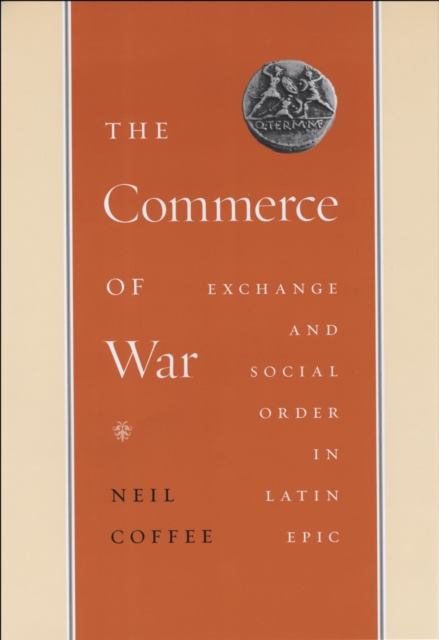
Latin epics such as Virgil's Aeneid, Lucan's Civil War, and Statius's Thebaid addressed Roman aristocrats whose dealings in gifts, favors, and payments defined their conceptions of social order.
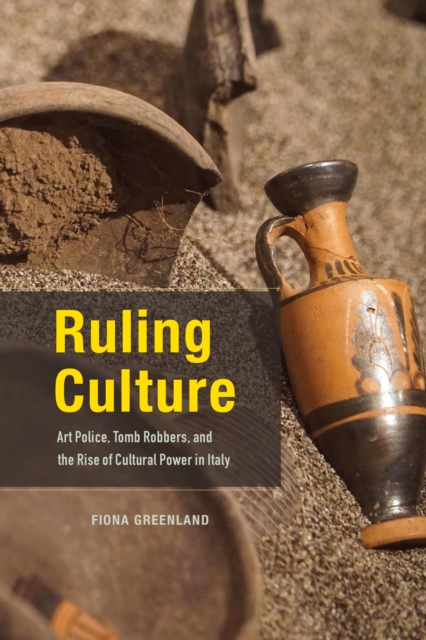
Through much of its history, Italy was Europe's heart of the arts, an artistic playground for foreign elites and powers who bought, sold, and sometimes plundered countless artworks and antiquities.
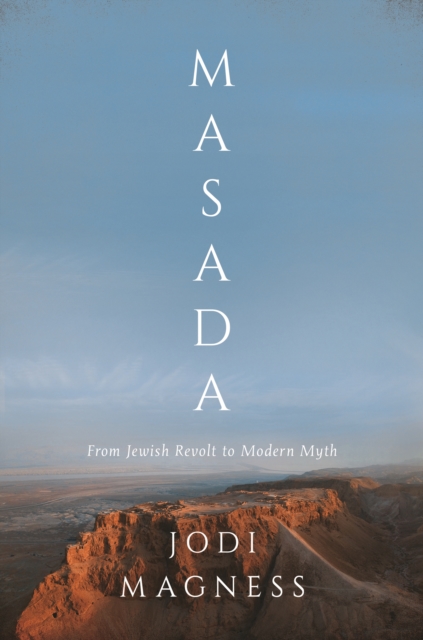
A new account of the famous site and story of the last stand of a group of Jewish rebels who held out against the Roman EmpireTwo thousand years ago, 967 Jewish men, women, and childrenthe last holdouts of the revolt against Rome following the fall of Jerusalem and the destruction of the Second Templereportedly took their own lives rather than surrender to the Roman army.
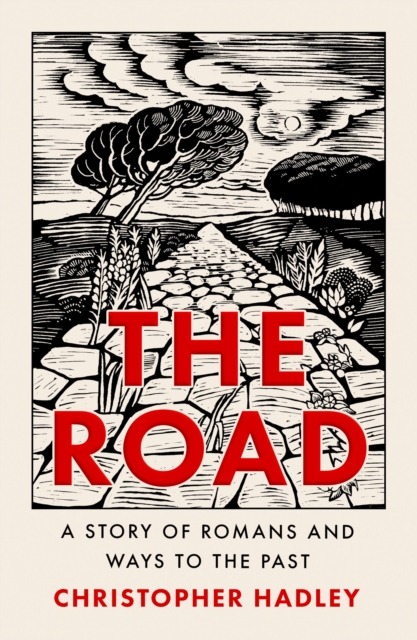
A TIMES BOOK OF THE YEAR'An absolute joy to read and an early contender for every list of History Books of the Year' Sunday Telegraph'On nearly every page a random passage takes one's breath away' The TimesHave you ever heard the march of legions on a lonely country road?
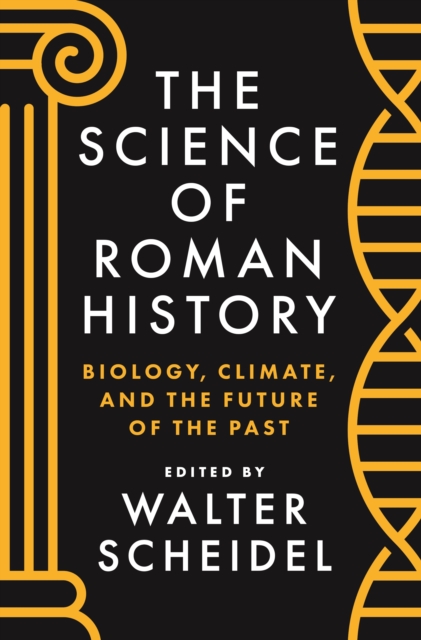
How the latest cutting-edge science offers a fuller picture of life in Rome and antiquityThis groundbreaking book provides the first comprehensive look at how the latest advances in the sciences are transforming our understanding of ancient Roman history.
Late Antiquity was an era of remarkable change as beliefs were shaped and reshaped by the competing philosophies of traditional Greco-Roman religion, Middle and Neoplatonist philosophy, and the theology of the early Church.
The book that inspired the stories of Gladiator & Gladiator II: Step into the ring with this classic, in-depth account of the ancient Romans' obsession with the bloody and brutal games.
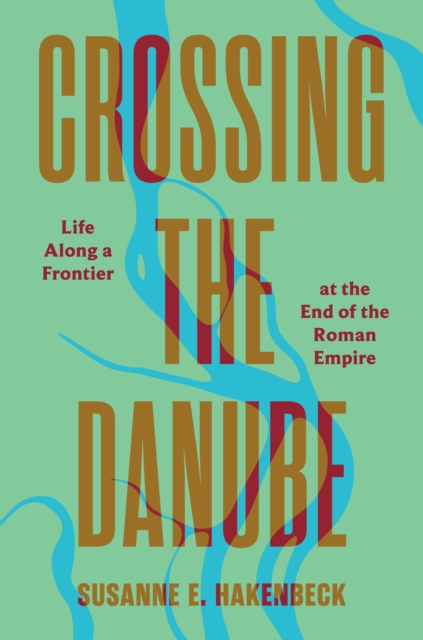
A richly illustrated history that reveals how the peoples living along the Danube frontier helped transform the Roman EmpireCrossing the Danube offers a new account of the peoples who lived along Europe's greatest riverthe nearly 2,000-mile-long Danubeduring the dramatic centuries leading up to the end of the Roman Empire in the West.
Magnus Maximus and the Priscillianists analyses the Priscillianist controversy from the perspective of the imperial government, focusing on developments in imperial ideology and laws against sorcery, sexual immorality, and treason over the course of the fourth century in order to explain why Priscillian's actions appeared so sinister to officials.
Magnus Maximus and the Priscillianists analyses the Priscillianist controversy from the perspective of the imperial government, focusing on developments in imperial ideology and laws against sorcery, sexual immorality, and treason over the course of the fourth century in order to explain why Priscillian's actions appeared so sinister to officials.
A richly illustrated history that reveals how the peoples living along the Danube frontier helped transform the Roman EmpireCrossing the Danube offers a new account of the peoples who lived along Europe's greatest riverthe nearly 2,000-mile-long Danubeduring the dramatic centuries leading up to the end of the Roman Empire in the West.
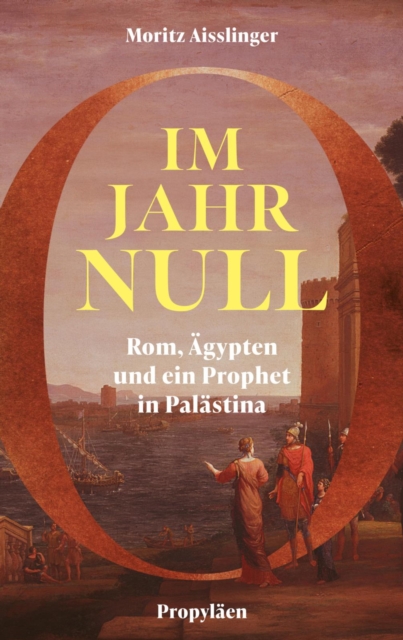
Als unsere Zeit begannUberall spuren die Menschen, dass die Welt, die sie kannten, in ihren Grundfesten erschuttert wird: In Rom steigt Augustus zum ersten Kaiser, spater zum Gott auf.