"Diese Enzyklopädie des gesamten naturkundlichen Wissen des Altertums wurde von Plinius aus griechischen und römischen Quellen zusammengestellt und nach Sachgruppen geordnet.
"Diese Enzyklopädie des gesamten naturkundlichen Wissen des Altertums wurde von Plinius aus griechischen und römischen Quellen zusammengestellt und nach Sachgruppen geordnet.
"Diese Enzyklopädie des gesamten naturkundlichen Wissen des Altertums wurde von Plinius aus griechischen und römischen Quellen zusammengestellt und nach Sachgruppen geordnet.
"Diese Enzyklopädie des gesamten naturkundlichen Wissen des Altertums wurde von Plinius aus griechischen und römischen Quellen zusammengestellt und nach Sachgruppen geordnet.
"Diese Enzyklopädie des gesamten naturkundlichen Wissen des Altertums wurde von Plinius aus griechischen und römischen Quellen zusammengestellt und nach Sachgruppen geordnet.
"Diese Enzyklopädie des gesamten naturkundlichen Wissen des Altertums wurde von Plinius aus griechischen und römischen Quellen zusammengestellt und nach Sachgruppen geordnet.
"Diese Enzyklopädie des gesamten naturkundlichen Wissen des Altertums wurde von Plinius aus griechischen und römischen Quellen zusammengestellt und nach Sachgruppen geordnet.
"Diese Enzyklopädie des gesamten naturkundlichen Wissen des Altertums wurde von Plinius aus griechischen und römischen Quellen zusammengestellt und nach Sachgruppen geordnet.
"Diese Enzyklopädie des gesamten naturkundlichen Wissen des Altertums wurde von Plinius aus griechischen und römischen Quellen zusammengestellt und nach Sachgruppen geordnet.
"Diese Enzyklopädie des gesamten naturkundlichen Wissen des Altertums wurde von Plinius aus griechischen und römischen Quellen zusammengestellt und nach Sachgruppen geordnet.
"Diese Enzyklopädie des gesamten naturkundlichen Wissen des Altertums wurde von Plinius aus griechischen und römischen Quellen zusammengestellt und nach Sachgruppen geordnet.
"Diese Enzyklopädie des gesamten naturkundlichen Wissen des Altertums wurde von Plinius aus griechischen und römischen Quellen zusammengestellt und nach Sachgruppen geordnet.
"Diese Enzyklopädie des gesamten naturkundlichen Wissen des Altertums wurde von Plinius aus griechischen und römischen Quellen zusammengestellt und nach Sachgruppen geordnet.
"Diese Enzyklopädie des gesamten naturkundlichen Wissen des Altertums wurde von Plinius aus griechischen und römischen Quellen zusammengestellt und nach Sachgruppen geordnet.
"Diese Enzyklopädie des gesamten naturkundlichen Wissen des Altertums wurde von Plinius aus griechischen und römischen Quellen zusammengestellt und nach Sachgruppen geordnet.
"Diese Enzyklopädie des gesamten naturkundlichen Wissen des Altertums wurde von Plinius aus griechischen und römischen Quellen zusammengestellt und nach Sachgruppen geordnet.
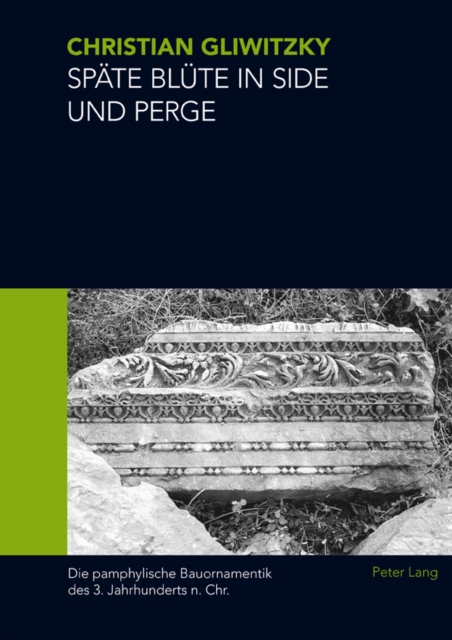
Die Stadt Rom und ihre Monumente waren in der Spätantike für Kaiser, Senatorenstand und christliche Autoren Bezugspunkt der Selbstdarstellung und Fixpunkt des eigenen Geschichtsbildes.