Gibbon offers an explanation for why the Roman Empire fell, a task made difficult by a lack of comprehensive written sources, though he was not the only historian to tackle the subject.
Gibbon offers an explanation for why the Roman Empire fell, a task made difficult by a lack of comprehensive written sources, though he was not the only historian to tackle the subject.
Gibbon offers an explanation for why the Roman Empire fell, a task made difficult by a lack of comprehensive written sources, though he was not the only historian to tackle the subject.
Gibbon offers an explanation for why the Roman Empire fell, a task made difficult by a lack of comprehensive written sources, though he was not the only historian to tackle the subject.
Gibbon offers an explanation for why the Roman Empire fell, a task made difficult by a lack of comprehensive written sources, though he was not the only historian to tackle the subject.
Although there are many works dealing with Pompeii and Herculaneum, none of them try to encompass the entire spectrum of material related to its reception in popular imagination.
Although there are many works dealing with Pompeii and Herculaneum, none of them try to encompass the entire spectrum of material related to its reception in popular imagination.
In A City of Marble, Kathleen Lamp argues that classical rhetorical theory shaped the Augustan cultural campaigns and that in turn the Augustan cultural campaigns functioned rhetorically to help Augustus gain and maintain power and to influence civic identity and participation in the Roman Principate (27 b.
"e;Many of my ardent admirers would be roundly shocked and disturbed if they realized that everything I believe is thoroughly moral, thoroughly Catholic, and that it is these beliefs that give my work its chief characteristics.
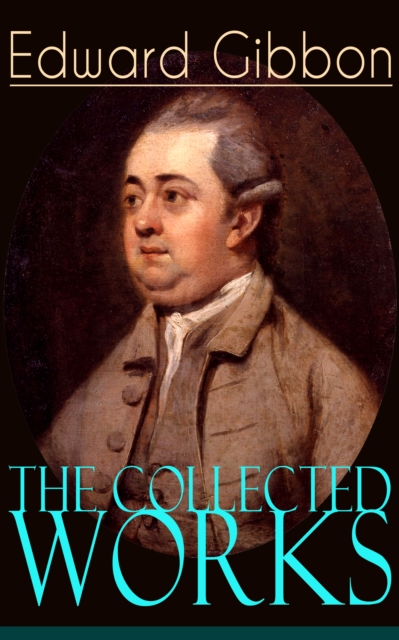
The Collected Works of Edward Gibbon gathers the writings of one of the Enlightenment's most commanding historians, centering on the monumental Decline and Fall of the Roman Empire while preserving the essays, memoirs, and ancillary pieces that illuminate his intellectual method.
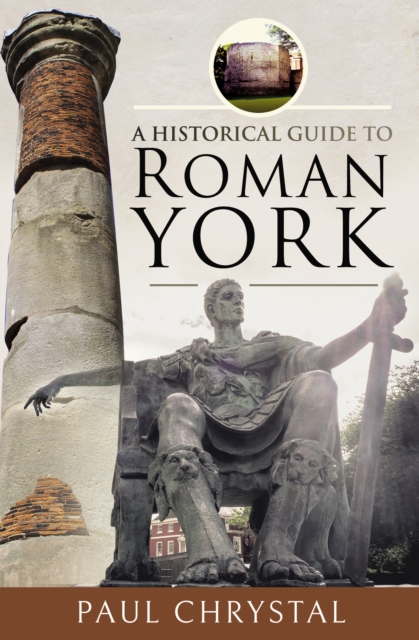
Considering that York was always an important Roman city there are few books available that are devoted specifically to the Roman occupation, even though it lasted for over 300 years and played a significant role in the politics and military activity of Roman Britain and the Roman Empire throughout that period.
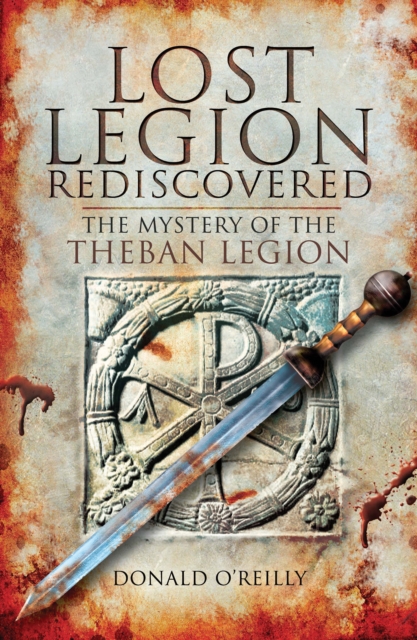
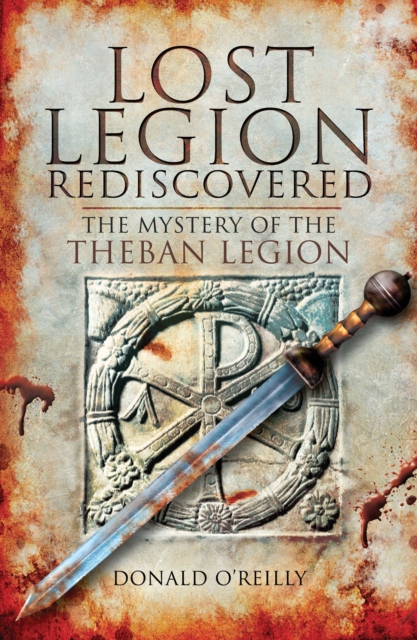
In AD383, according to Bishop Eucherius of Lyon, flooding caused part of the bank of the River Rhone to collapse, revealing a massed grave of thousands of bodies.
In AD383, according to Bishop Eucherius of Lyon, flooding caused part of the bank of the River Rhone to collapse, revealing a massed grave of thousands of bodies.
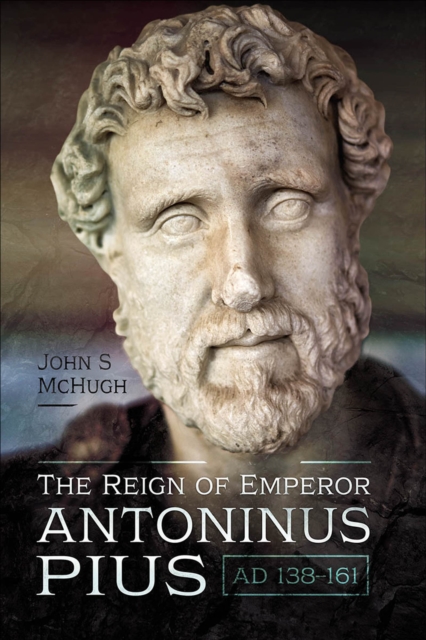
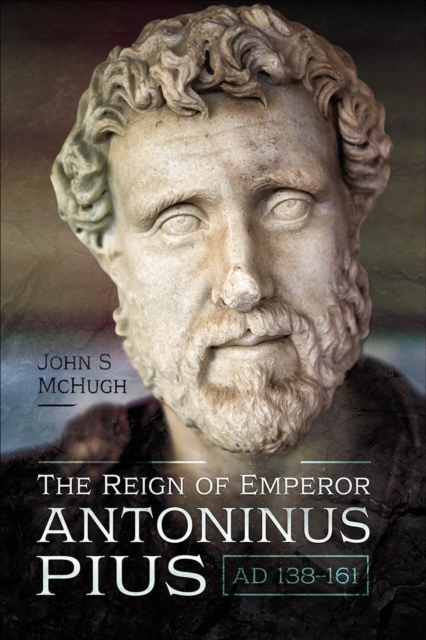
The reign of Antoninus Pius is widely seen as the apogee of the Roman Empire yet, due to gaps in the historical sources, his reign has been overlooked by modern historians.
The reign of Antoninus Pius is widely seen as the apogee of the Roman Empire yet, due to gaps in the historical sources, his reign has been overlooked by modern historians.
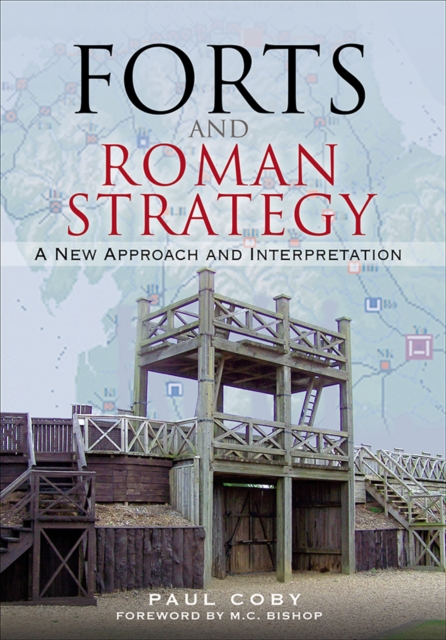
Paul Coby here proposes a new system for the recording and mapping of Roman forts and fortifications that integrates all the data, including size, dating and identification of occupying units.
Paul Coby here proposes a new system for the recording and mapping of Roman forts and fortifications that integrates all the data, including size, dating and identification of occupying units.
"e;An exceptional, well written, exhaustively researched, and detailed biography"e; of the controversial Roman emperor-from the author of Constantius II (Midwest Book Review).
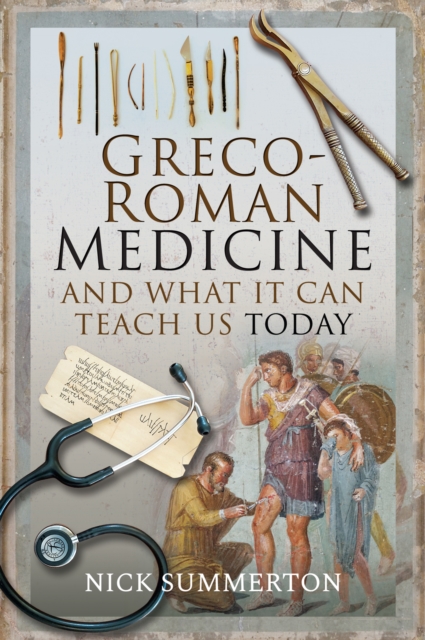
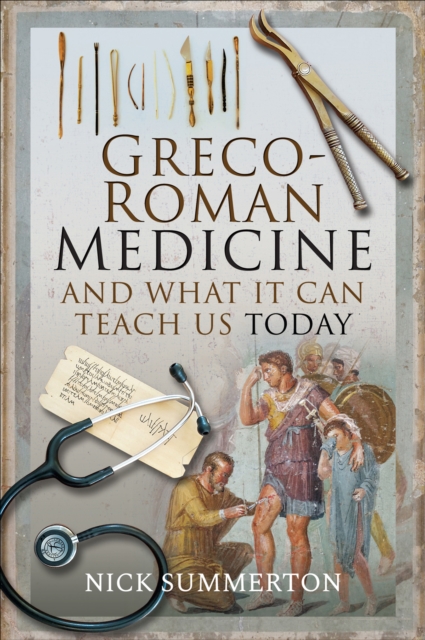
There can be little doubt that the Romans experienced many of the illnesses that are still encountered today, and individuals have always had to decide how best to deal with their health-related concerns.
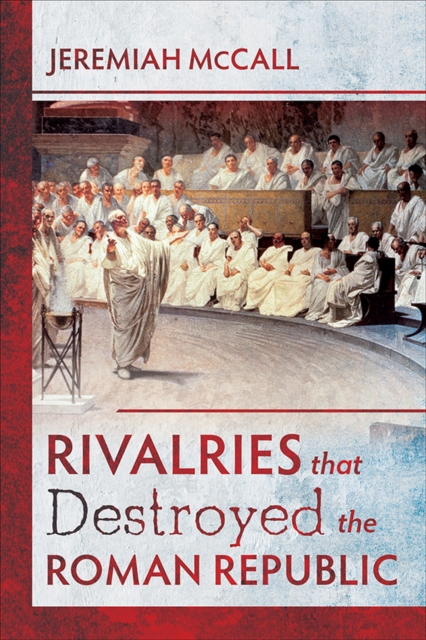
This is the story of how some Roman aristocrats grew so competitive in their political rivalries that they destroyed their Republic, in the late second to mid-first century BCE.