This book is the first systematic study examining depictions of Roman Britain in fictional film and television, exploring the varying interpretations of the rich history and myths that emerge from the clash of cultures between Romans and Britons.
This book is the first systematic study examining depictions of Roman Britain in fictional film and television, exploring the varying interpretations of the rich history and myths that emerge from the clash of cultures between Romans and Britons.
A timeless collection of stoic wisdom, Dialogues brings together a series of philosophical conversations and essays from one of ancient Rome's greatest thinkers.
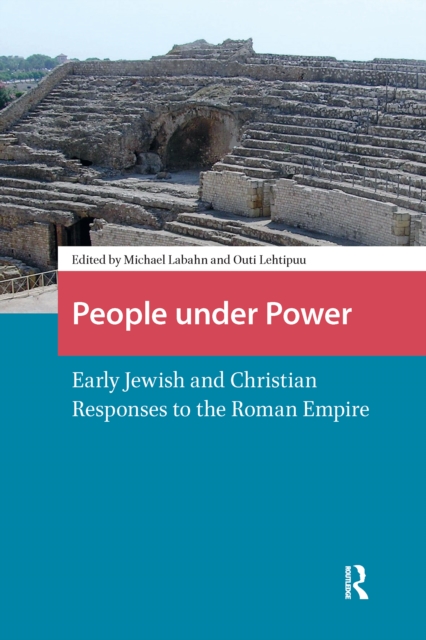
This volume presents a batch of incisive new essays on the relationship between Roman imperial power and ideology and Christian and Jewish life and thought within the empire.
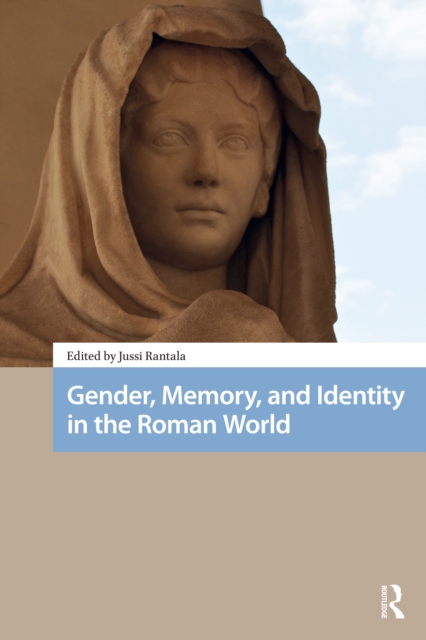
This volume approaches three key concepts in Roman history - gender, memory and identity - and demonstrates the significance of their interaction in all social levels and during all periods of Imperial Rome.
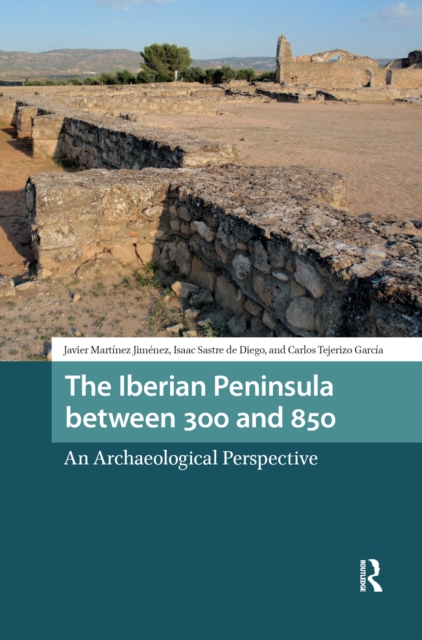
The vast transformation of the Roman world at the end of antiquity has been a subject of broad scholarly interest for decades, but until now no book has focused specifically on the Iberian Peninsula in the period as seen through an archaeological lens.
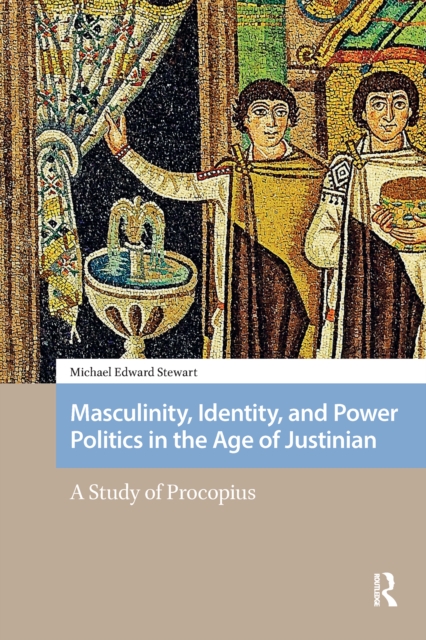
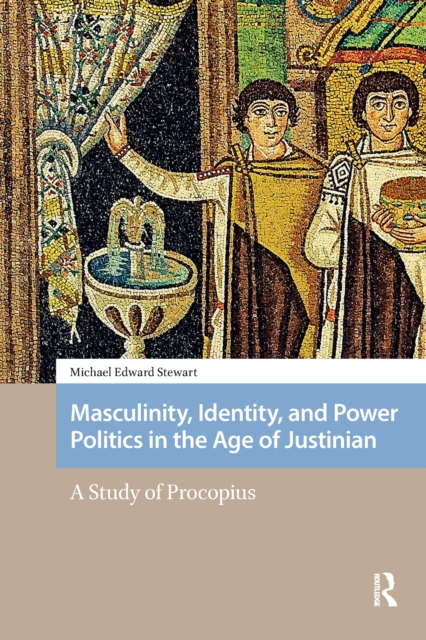
A generation of historians has been captivated by the notorious views on gender found in the mid-sixth century Secret History by the Byzantine historian Procopius of Caesarea.
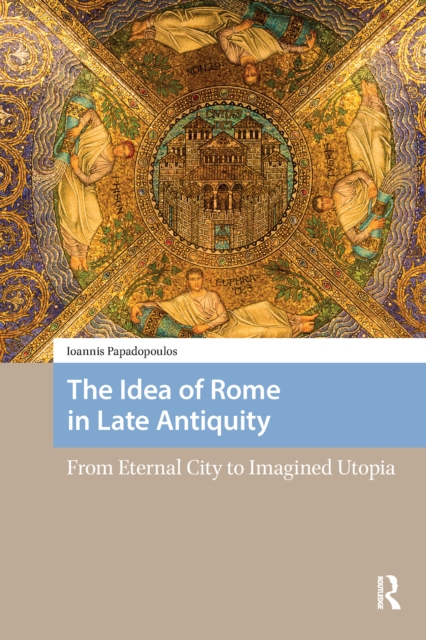
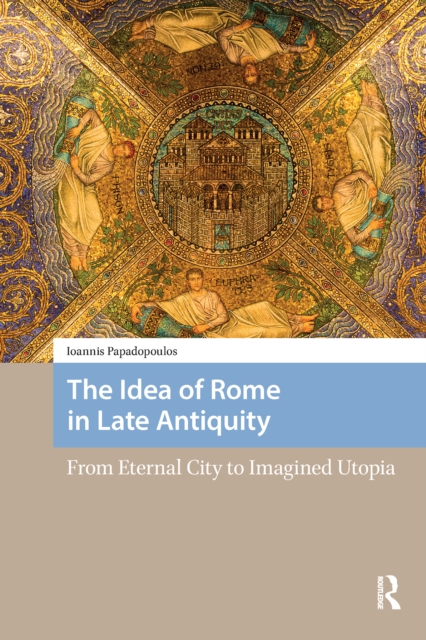
This book approaches the manifestation and evolution of the idea of Rome as an expression of Roman patriotism and as an (urban) archetype of utopia in late Roman thought in a period extending from AD 357 to 417.
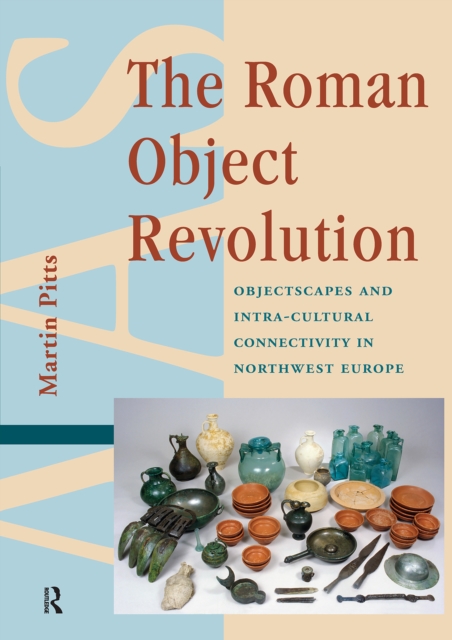
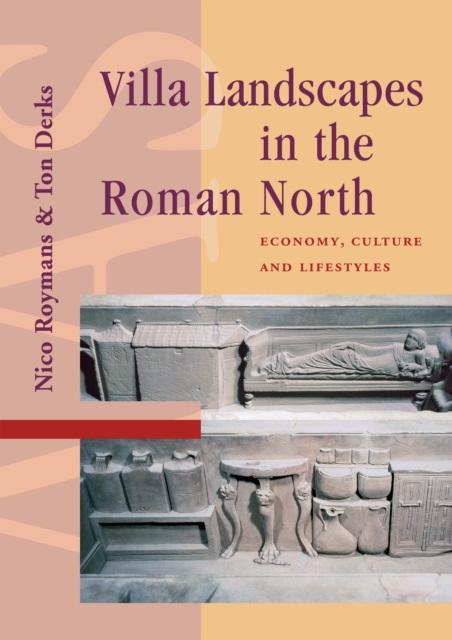
Archaeologists working in northwest Europe have long remarked on the sheer quantity and standardisation of objects unearthed from the Roman period, especially compared with earlier eras.
This volume presents a batch of incisive new essays on the relationship between Roman imperial power and ideology and Christian and Jewish life and thought within the empire.
This volume presents eight new Iron Age gold hoards from the southern Netherlands and Belgium, consisting of gold coinages and in several cases also gold ornaments.
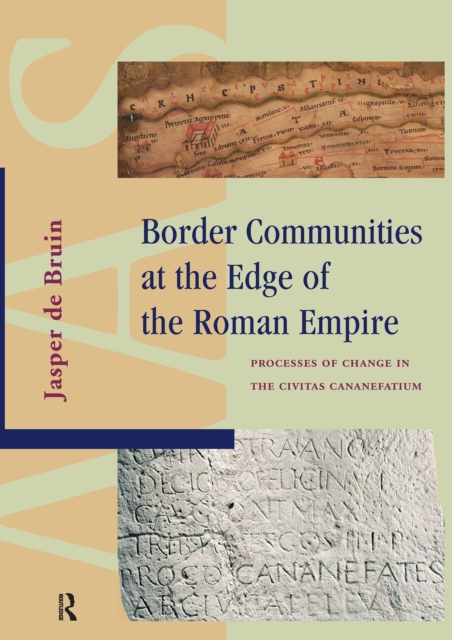
In Roman times, the area between the Lower Rhine and the Meuse in the present day province of South Holland in the Netherlands, was known as the administrative district of the community of the Cananefates (the civitas Cananefatium).
The vast transformation of the Roman world at the end of antiquity has been a subject of broad scholarly interest for decades, but until now no book has focused specifically on the Iberian Peninsula in the period as seen through an archaeological lens.
This volume presents eight new Iron Age gold hoards from the southern Netherlands and Belgium, consisting of gold coinages and in several cases also gold ornaments.
Archaeologists working in northwest Europe have long remarked on the sheer quantity and standardisation of objects unearthed from the Roman period, especially compared with earlier eras.
A generation of historians has been captivated by the notorious views on gender found in the mid-sixth century Secret History by the Byzantine historian Procopius of Caesarea.
This volume approaches three key concepts in Roman history - gender, memory and identity - and demonstrates the significance of their interaction in all social levels and during all periods of Imperial Rome.
This book approaches the manifestation and evolution of the idea of Rome as an expression of Roman patriotism and as an (urban) archetype of utopia in late Roman thought in a period extending from AD 357 to 417.
In Roman times, the area between the Lower Rhine and the Meuse in the present day province of South Holland in the Netherlands, was known as the administrative district of the community of the Cananefates (the civitas Cananefatium).
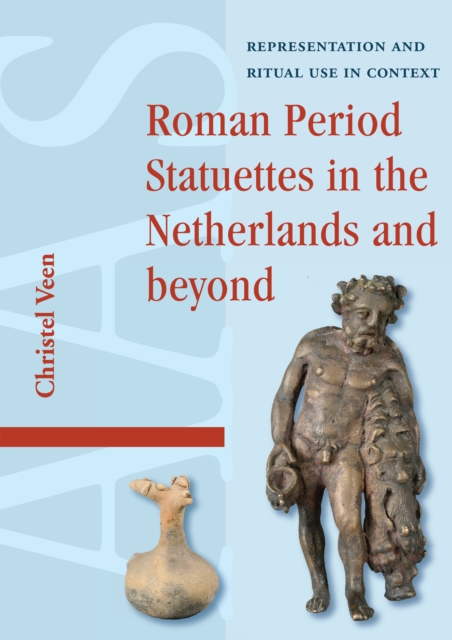
The subject of this study is a relatively rare category of artefacts, bronze and terracotta statuettes that represent deities, human figures and animals.