This volume will focus on the products that are the most closely associated with pharmacy and on their commodification during the course of the century.
Originally published in 1983, this is a detailed and hard-headed analysis of events in Poland from summer 1980 to December 1981, the period in which the efforts of Solidarity to achieve a free trade union and some degree of autonomy for working people were met with a final clampdown by the authorities.
Focusing on one of the most dramatic and controversial periods in modern Greek history and in the history of the Cold War, James Edward Miller provides the first study to employ a wide range of international archives American, Greek, English, and French together with foreign language publications to shed light on the role the United States played in Greece between the termination of its civil war in 1949 and Turkeys 1974 invasion of Cyprus.
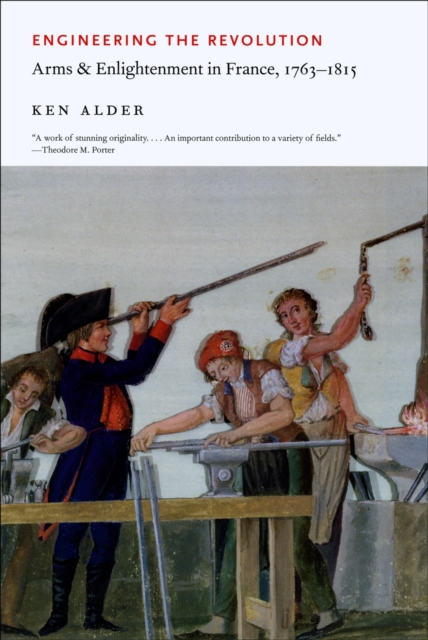
Engineering the Revolution documents the forging of a new relationship between technology and politics in Revolutionary France, and the inauguration of a distinctively modern form of the "e;technological life.
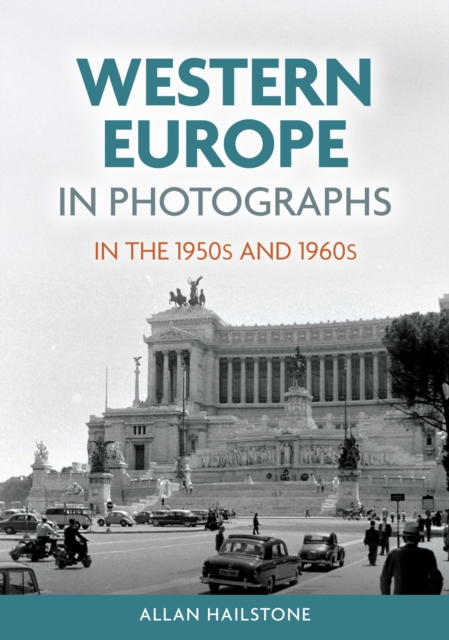
In the late 1950s and early 1960s, photographer Allan Hailstone took a number of trips to France, Spain, Gibraltar, Germany (including Berlin), Belgium, the Netherlands, Luxembourg, Malta, Italy and Denmark to capture the world on the UK's doorstep with his camera.
Het is een mistige dag op het strand en Barbie's vriendinnen, Teresa en Nikki, zijn aan het hardlopen, terwijl Barbie thuis haar zusje helpt met het repareren van een fietsketting.
Focusing on one of the most dramatic and controversial periods in modern Greek history and in the history of the Cold War, James Edward Miller provides the first study to employ a wide range of international archives American, Greek, English, and French together with foreign language publications to shed light on the role the United States played in Greece between the termination of its civil war in 1949 and Turkeys 1974 invasion of Cyprus.
Nancy Reagin analyzes the rhetoric, strategies, and programs of more than eighty bourgeois womens associations in Hanover, a large provincial capital, from the Imperial period to the Nazi seizure of power.
Seventeen centuries after the first ecumenical council of Nicaea (325), we should not only think about the contribution of the most prominent personalities of that event, but also that of the participants who were less involved in the doctrinal debates, but whose presence gave weight and authority to the final document approved there, such as St.
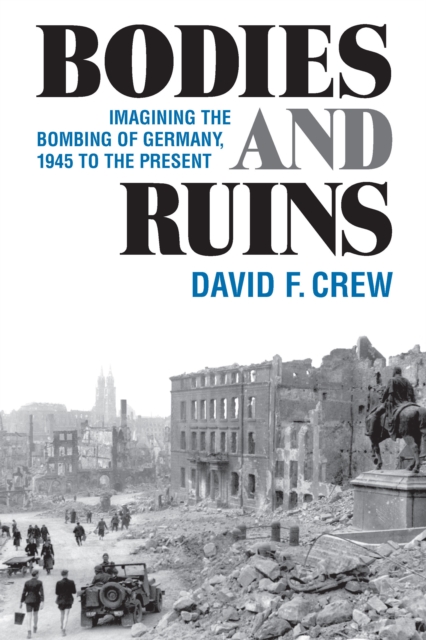
Bodies and Ruins explores changing German memories of World War II as it analyzes the construction of narratives in the postwar period including the depiction of the bombing of individual German cities.
Engineering the Revolution documents the forging of a new relationship between technology and politics in Revolutionary France, and the inauguration of a distinctively modern form of the "e;technological life.
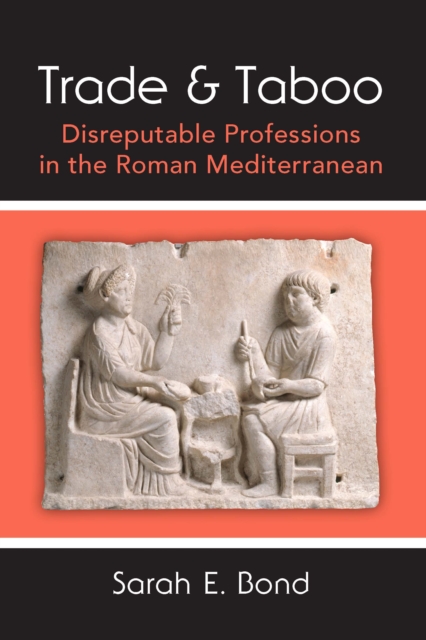
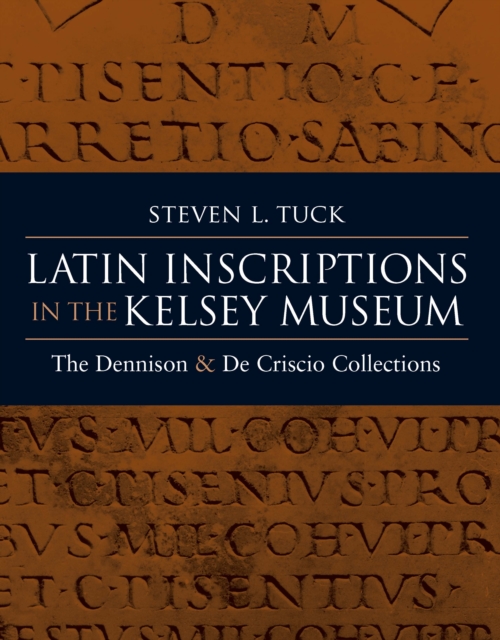
The Latin inscriptions in the Kelsey Museum are among the best primary sources we have for documenting the lives of the lower classes in the Roman world.
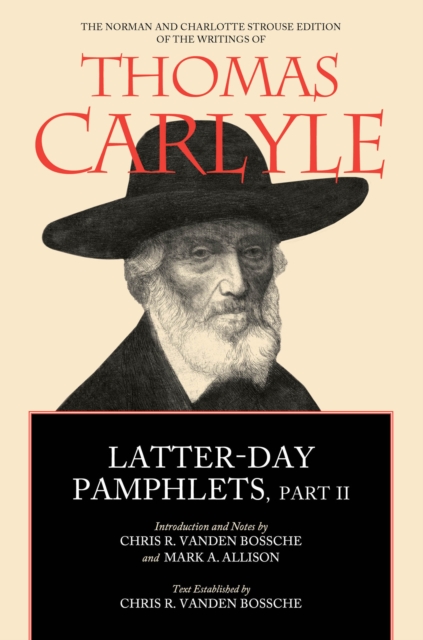
The final volume of the Norman and Charlotte Strouse Edition of the Writings of Thomas Carlyle, Latter-Day Pamphlets, situates the Victorian philosopher, social critic, and essayist's most contentious works within the social context of mid-nineteenth-century crises, including the revolutions of 1848, the Irish potato famine, and debates over slavery in the United States.
This book argues that the European Coal and Steel Community in 1951 solved the historic French-German conflict over control of the coal deposits of the Ruhr valley.
This book explores one of the major developments in twentieth-century European history: the gradual emergence of welfare states aimed at providing social security, adequate health care, and equal education for citizens.
This book argues that the European Coal and Steel Community in 1951 solved the historic French-German conflict over control of the coal deposits of the Ruhr valley.
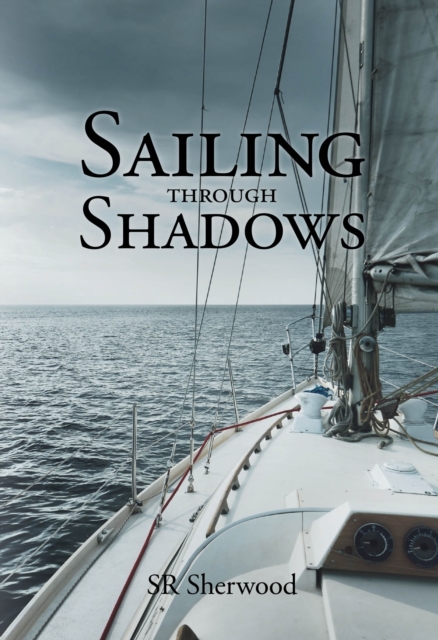
Sailing Through Shadows follows the emotional journey of Jeff Gibson, a man deeply affected by the loss of his wife, Karen, who died in a car accident caused by a drunk driver.
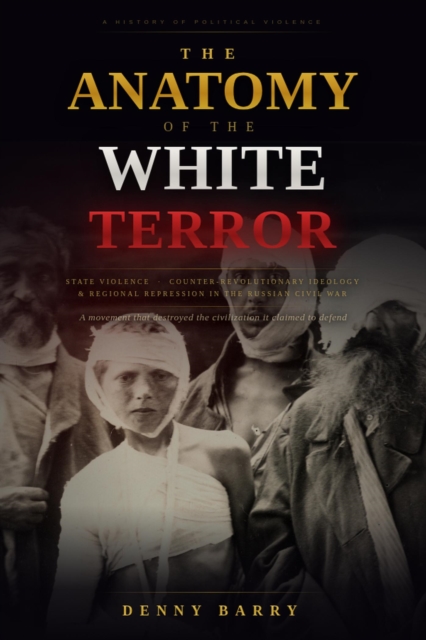
Between 1917 and 1923, the anti-Bolshevik White movement waged a counter-revolutionary war across the ruins of the Russian Empire — and committed mass atrocities on a scale that history has never fully reckoned with.
A delightful, thoughtful and original new way to understand England's historyA Times Best Book of the Year 2025A History Extra History Book of the Year 2025'This is a marvellous idea, quite brilliantly realised.