Rousseau, Burke, and Revolution in France, 1791 plunges students into the intellectual and political currents that surged through revolutionary Paris in the summer of 1791.
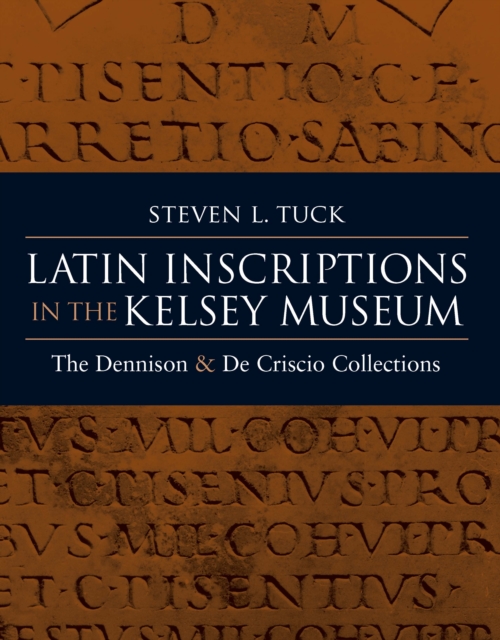
The Latin inscriptions in the Kelsey Museum are among the best primary sources we have for documenting the lives of the lower classes in the Roman world.
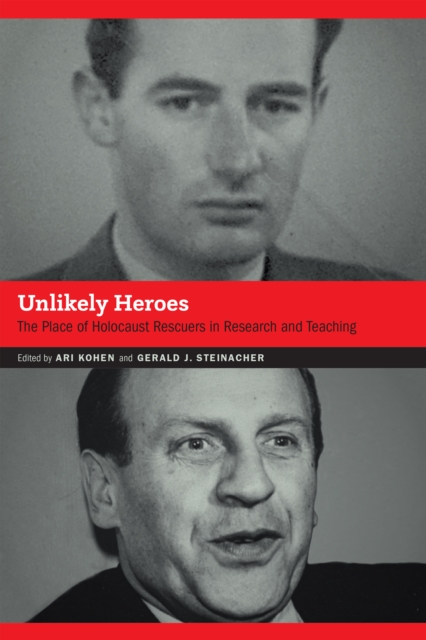
Classes and books on the Holocaust often center on the experiences of victims, perpetrators, and bystanders, but rescuers also occupy a prominent space in Holocaust courses and literature even though incidents of rescue were relatively few and rescuers constituted less than 1 percent of the population in Nazi-occupied Europe.
Avoiding the male-authored model of competing orations, French and Italian women of the Renaissance framed their dialogues as informal conversations, as letters with friends that in turn became epistles to a wider audience, and even sometimes as dramas.
This book explores one of the major developments in twentieth-century European history: the gradual emergence of welfare states aimed at providing social security, adequate health care, and equal education for citizens.
Avoiding the male-authored model of competing orations, French and Italian women of the Renaissance framed their dialogues as informal conversations, as letters with friends that in turn became epistles to a wider audience, and even sometimes as dramas.
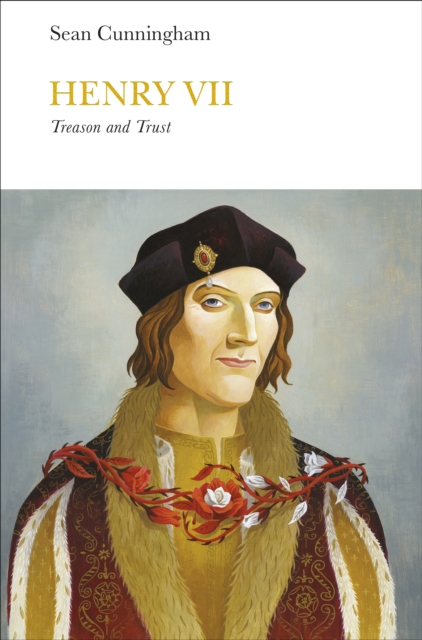
Part of the Penguin Monarchs series: short, fresh, expert accounts of England's rulers in a collectible format'A scholarly and highly readable account of the king who traditionally has been overshadowed by the dynasty that he founded.
The central problem is to explain what combination of historical, strategic, political, and domestic factors transformed the Russo-Ukrainian relationship from the dissolution of the Soviet Union to the crisis under examination.
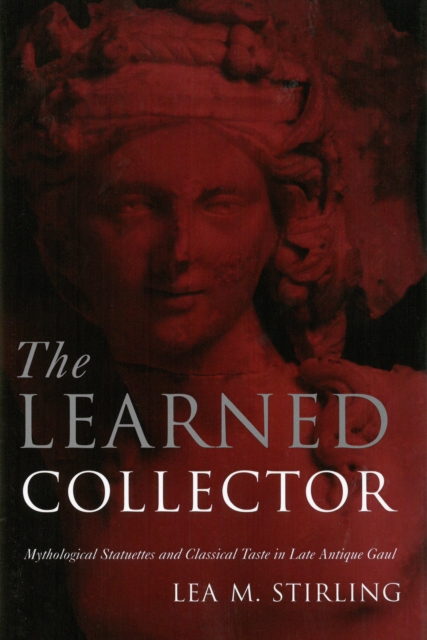
Inspired by a classical education, wealthy Romans populated the glittering interiors of their villas and homes with marble statuettes of ancestors, emperors, gods, and mythological figures.
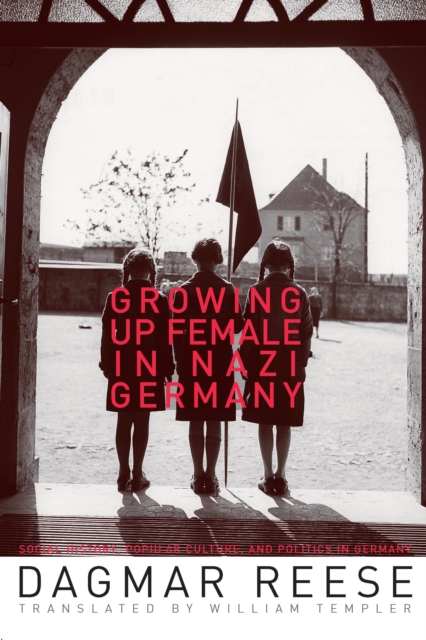
Growing Up Female in Nazi Germany explores the world of the Bund Deutscher Madel (BDM), the female section within the Hitler Youth that included almost all German girls aged 10 to 14.
Silverwhiteis a captivating exploration of theeastern Baltic nations earliest history andinteractions with peoples of the Mediterraneanand the Near East.
Inspired by a classical education, wealthy Romans populated the glittering interiors of their villas and homes with marble statuettes of ancestors, emperors, gods, and mythological figures.
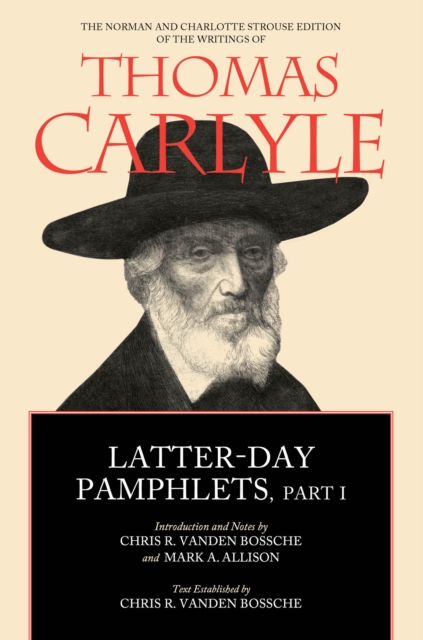
The final volume of the Norman and Charlotte Strouse Edition of the Writings of Thomas Carlyle, Latter-Day Pamphlets, situates the Victorian philosopher, social critic, and essayist's most contentious works within the social context of mid-nineteenth-century crises, including the revolutions of 1848, the Irish potato famine, and debates over slavery in the United States.
"e;Through well-informed and nuanced readings of key documents from the fourth through fourteenth centuries, this book challenges historians' long-held beliefs about how concepts of Greco-Roman theater survived the fall of Rome and the Middle Ages, and contributed to the dramatic triumphs of the Renaissance.
According to common perception, the Federal Republic of Germany supported the formation of the Israeli state for moral reasonsto atone for its Nazi pastbut did not play a significant role in the ArabIsraeli conflict.
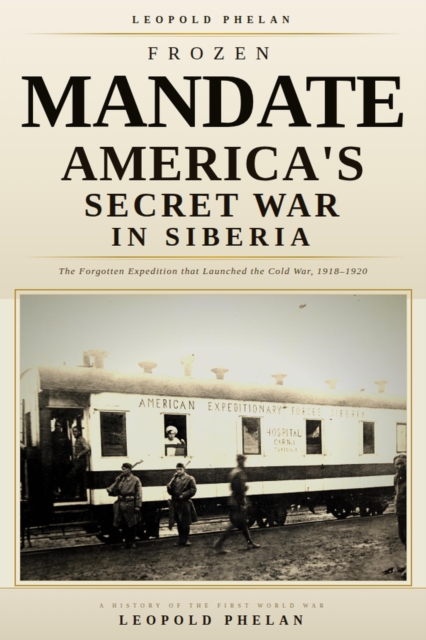
In August 1918, eight thousand American soldiers arrived at the Russian port of Vladivostok with orders that simultaneously authorised their deployment and prohibited almost everything a soldier normally does.
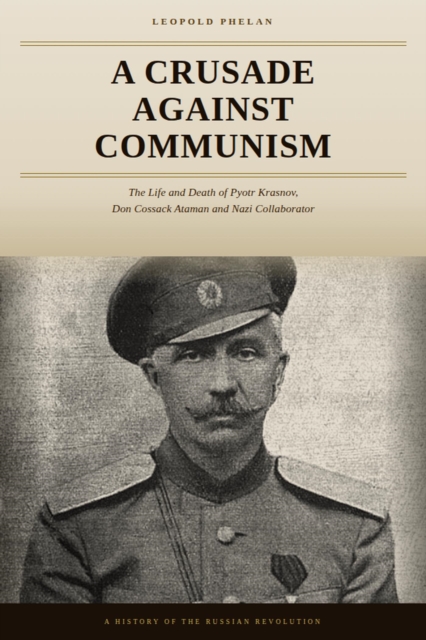
In June 1941, a seventy-one-year-old Russian general sitting in a Berlin apartment issued a proclamation calling on Cossacks everywhere to join the German Wehrmacht — framing the Nazi invasion of the Soviet Union as a crusade against communism and Jewry.
In November 1920, Baron Pyotr Nikolayevich Wrangel stood on the bridge of the cruiser General Kornilov as the last ship departed Sevastopol harbour, watching the Crimean coast disappear into the darkness.
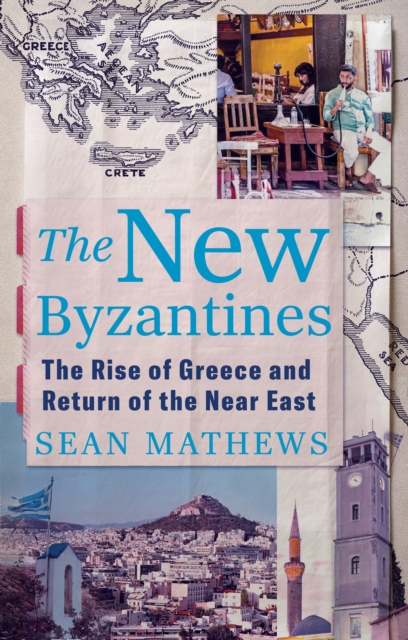
This is the first account in English of how Islamic religious orders dating back to Ottoman times have risen to dominate and define the future of Turkey, Europes awkward neighbour and the major power in the Eastern Mediterranean.
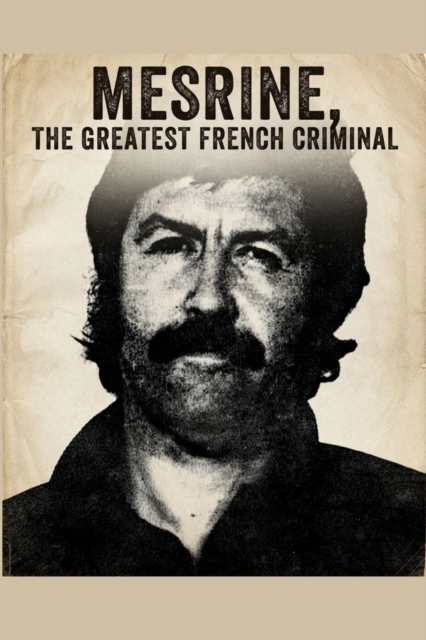
From his rebellious Parisian youth to the blood-soaked battlefields of the Algerian War, Jacques Mesrine forged an uncompromising path defined by anti-authority rage and tactical military precision.
"e;Through well-informed and nuanced readings of key documents from the fourth through fourteenth centuries, this book challenges historians' long-held beliefs about how concepts of Greco-Roman theater survived the fall of Rome and the Middle Ages, and contributed to the dramatic triumphs of the Renaissance.
Growing Up Female in Nazi Germany explores the world of the Bund Deutscher Madel (BDM), the female section within the Hitler Youth that included almost all German girls aged 10 to 14.