Wild Socialism examines the rise, development, and decline of revolutionary councils of industrial workers in Berlin at the end of the First World War.
"e;If we in Great Britain are resolute and wise there will emerge from this catastrophe something which may well give hope to the world"e; First published in 1939 as a Penguin Special, this is the original best-selling account of why Britain went to war with Germany.
It can be argued that cinema was created in France by Louis Lumiere in 1895 with the invention of the cinematographe, the first true motion-picture camera and projector.
Over half a century old and continuing to grow in strength and authority, the European Union consists of 25 member states-with more on the waiting list-and a population of 450 million people.
One of the most devastating armed conflicts in history, World War I completely transformed the social and political landscape of the world in four short years.
Founded in 1922, the British Broadcasting Corporation is probably the most well-known national radio corporation in the world, but the BBC is just part of the British radio picture.
It can be argued that cinema was created in France by Louis Lumiere in 1895 with the invention of the cinematographe, the first true motion-picture camera and projector.
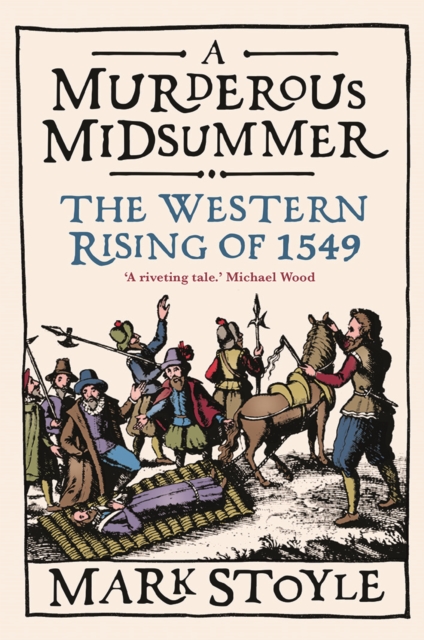
The fascinating story of the so-called “Prayer Book Rebellion” of 1549 which saw the people of Devon and Cornwall rise up against the Crown The Western Rising of 1549 was the most catastrophic event to occur in Devon and Cornwall between the Black Death and the Civil War.
A compelling, authoritative account of the brilliant, conflicted, visionary world of Tudor England When Henry VII landed in a secluded bay in a far corner of Wales, it seemed inconceivable that this outsider could ever be king of England.
The foundations of the British monarchy date from the era, more than a millennium ago, when Anglo-Saxon, Celtic, and Viking peoples competed for dominance.
Britain's pagan past, with its mysterious monuments, atmospheric sites, enigmatic artifacts, bloodthirsty legends, and cryptic inscriptions, is both enthralling and perplexing to a resident of the twenty-first century.
In a rich and fascinating history John Cornwell tells the epic story of Germany's scientists from the First World War to the collapse of Hitler's Reich.
A prominent Russian politician who served as prime minister, foreign minister, and head of foreign intelligence during the 1990s, Yevgeny Primakov has been part of all vital decisions on Russian domestic and foreign policy for the past two decades.
This volume provides a lively and authoritative synthesis of recent work on the social history of France and is now thoroughly updated to cover the 'long nineteenth century' from 1789-1914.
A prominent Russian politician who served as prime minister, foreign minister, and head of foreign intelligence during the 1990s, Yevgeny Primakov has been part of all vital decisions on Russian domestic and foreign policy for the past two decades.
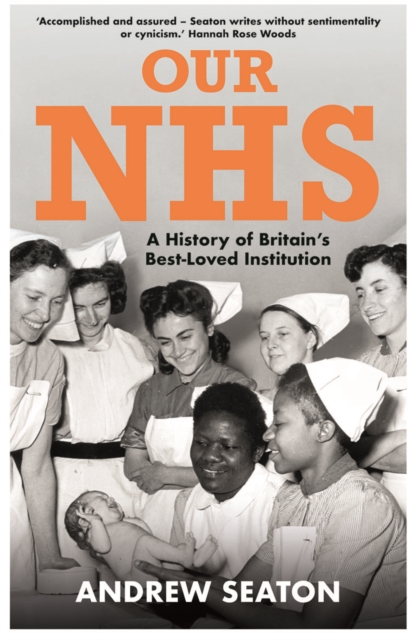
An engaging, inclusive history of the NHS, exploring its surprising survival-and the people who have kept it running In recent decades, a wave of appreciation for the NHS has swept across the UK.
A lively and inviting history of Belfast—exploring the highs and lows of a resilient city Modern Belfast is a beautiful city with a vibrant tradition of radicalism, industry, architectural innovation, and cultural achievement.
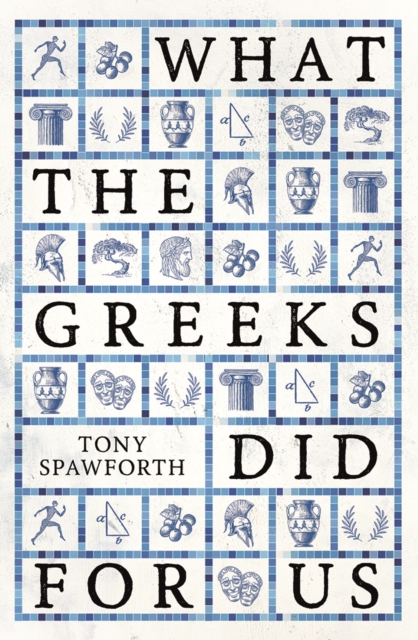
An enjoyable, accessible exploration of the legacy of ancient Greece today, across our daily lives and all forms of popular culture Our contemporary world is inescapably Greek.
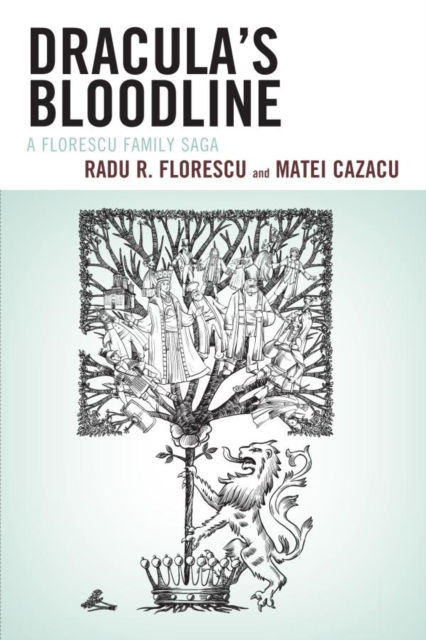
This engrossing book tells the story of the Florescu family, from its feudal blood ties, to the notorious 15th century figure Vlad Tepes (Count Dracula), right up to present day, touching on such diverse personalities as the Kennedys, Bill Clinton, and Michael Jackson.
Lifting the Fog: The Secret History of the Dutch Defense Intelligence and Security Service (1912-2022) is unique as a general body of knowledge about the history of the Dutch intelligence and security services since 1913.
Lifting the Fog: The Secret History of the Dutch Defense Intelligence and Security Service (1912-2022) is unique as a general body of knowledge about the history of the Dutch intelligence and security services since 1913.
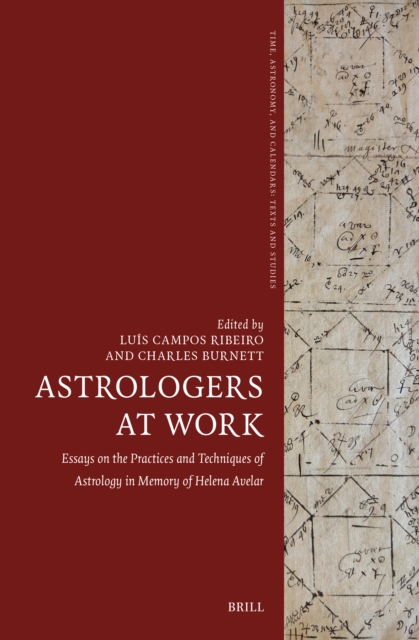
Astrologers at Work brings together fourteen scholars to explore the history of astrological practice, focusing on techniques, doctrines, and methods of interpretation across cultures and centuries.
Situated at the intersection of theology, history, literature, and the arts, this edited volume introduces the concept of spiritual intermediality and highlights its central role in early modern piety across various Christian denominations.
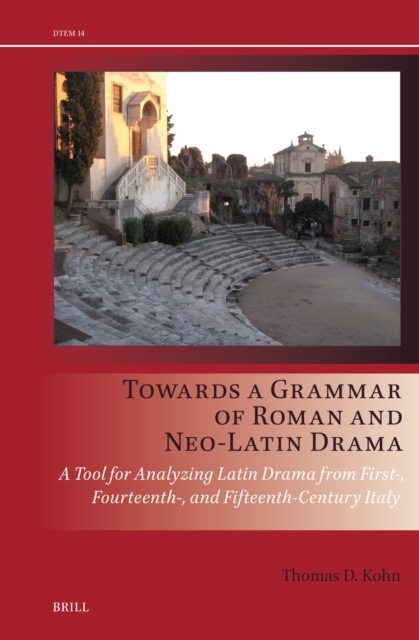
This monograph adapts terms and concepts from linguistics, structuralism and semiotics to develop a grammar for the ten extant, complete dramas from first-century Rome and five Humanist plays from Renaissance Italy.
Do Duke Cosimo's galleys, fortresses, and the crusading Order of Santo Stefano illuminate political, religious, and naval actions in the early modern Mediterranean world?