This book studies the trials and tribulations of eight Danish post-Reformation pastors and their parishioners, thereby shedding new light on the development of the complex roles performed by Lutheran pastors c.
Choice 2025 Outstanding Academic TitleThe narrative history of France in 1709 combines scholarship with storytelling, and balances rigor with clarity and accessibility.
Choice 2025 Outstanding Academic TitleThe narrative history of France in 1709 combines scholarship with storytelling, and balances rigor with clarity and accessibility.
While the rising prominence of translations has long been recognized as an essential element of early modern intellectual life, this volume shifts the focus from translated texts to the individuals who translated them.
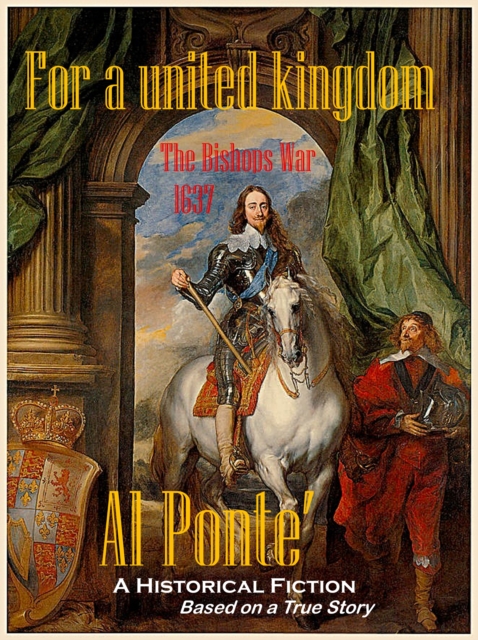
A Scottish priest with ancient family ties to the mystical Stone of Destiny, finds himself thrust into the heart of 17th century Britain's religious turmoil.
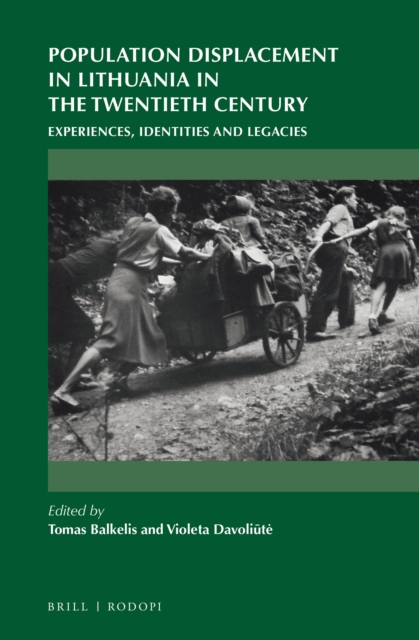
Population Displacement in Lithuania in the XXth Century: Experiences, Identities and Legacies is an edited volume written by historians from several countries offering a series of ground-breaking case studies on forced migration in Lithuania during and between the two World Wars.
Performing Arguments: Debate in Early English Poetry and Drama proposes a fresh performance-centered view of rhetoric by recovering, tracing, and analyzing the trope and tradition of aestheticized argumentation as a mode of performance across several early ludic genres: Middle English debate poetry, the fifteenth-century 'disguising' play, the Tudor Humanist debate interlude, and four Shakespearean works in which the dynamics of debate invite the plays' reconsideration under the new rubric of 'rhetorical problem plays.
The late seventeenth century Netherlands have traditionally been viewed as the intellectual entrepot of Europe in general, and for Scotland in particular.
The studies in East and Central European History Writing in Exile 1939-1989, all written by experts in the history of the region, give answers to the comprehensive question of how the experience of exile during the time of the Nazi and Communist totalitarianism influenced and still influences history writing and the historical consciousness both in the countries hosting exile historians, as well as in the home countries which these historians left.
An unfamiliar portrait of Renaissance Florence is depicted in this volume where we find not only some celebrated humanist-oriented thinkers but also their scholastic friends and rivals, discussing matters pertaining to moral psychology.
The military nobility - "e;signori di castelli"e;, lords of castles - formed an important component of the society of Renaissance Italy, although they have often been disregarded by historians, or treated as an anomaly.
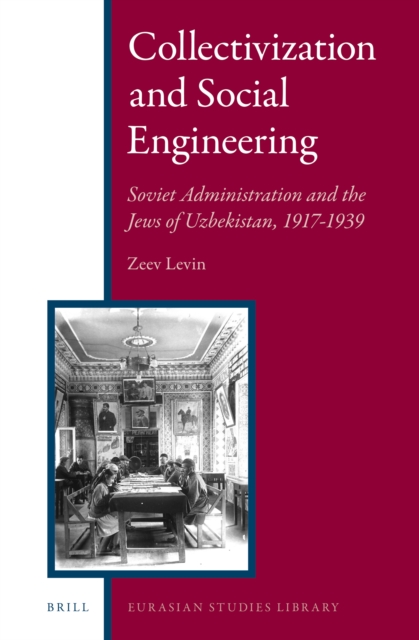
Zeev Levin seeks to provide a comprehensive picture of government efforts to socialize the Jewish masses in Uzbekistan, a process in which the central Soviet government took part, together with the local, republican and regional administrations and Soviet Jewish activists.
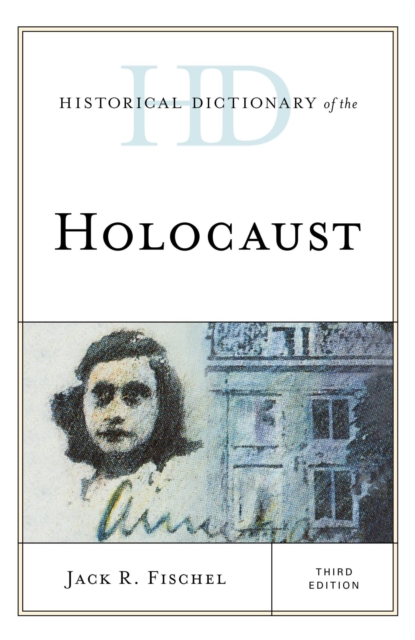
Beginning with the roots of anti-Semitism in early Christian Europe, this book traces the evolution of the Jewish stereotype as the evil "e;other,"e; which culminated in Adolf Hitler's war against the Jews, wherein he sought to eliminate through mass murder every Jewish man, woman and child.
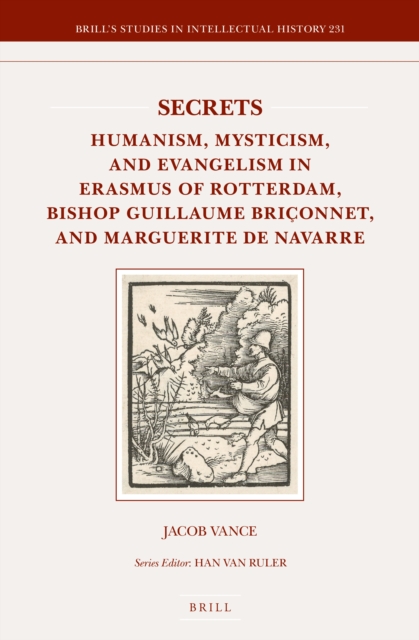
In Secrets: Humanism, Mysticism, and Evangelism in Erasmus of Rotterdam, Bishop Guillaume Briconnet, and Marguerite de Navarre, Jacob Vance argues that Erasmus and French Evangelical humanists made secrecy central to their literary thought.
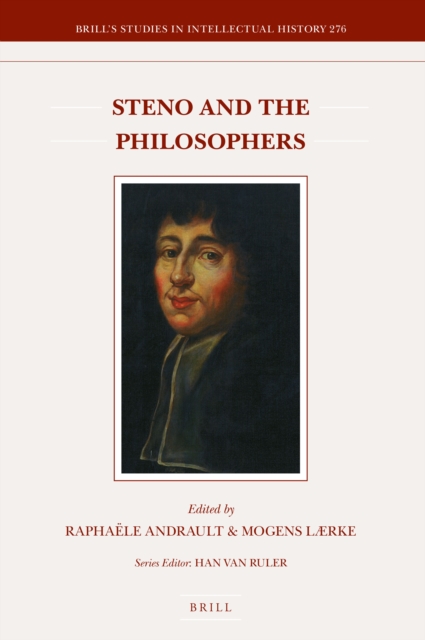
Many kinds of Cartesian views are treated by these papers: the views that Descartes held, views from our perspective on those views, views on Descartes held by his early critics and followers, and views that are Cartesian in outlook (not for nothing is Descartes still regarded as the father of modern philosophy.
By way of essays and a selection of primary sources in parallel text, Biography, Historiography, and Modes of Philosophizing provides an introduction to a vast, significant, but neglected corpus of early modern literature: collective biography.
This biographical overview of the life of Antanas Smetona (1874-1944), his importance in the Lithuanian national movement, his central role in the emergence of modern Lithuania (1918-1920), and the development of the various groups of nationalists in Lithuania, offers a picture of the creation of a national state in XXth century Europe.
This book highlights the famous 'Athenian tribe': a group of humanist scholars in the reigns of Henry VIII, Edward VI and Elizabeth I, who resolved many difficult problems concerning the Tudor succession, diplomacy, and the English Church.
While Spinoza's impact on the early Enlightenment has always found due attention of historians of philosophy, several 17th-century Dutch thinkers who were active before Spinoza's Tractatus theologico-politicus was published have been largely neglected: in particular Spinoza's teacher, Franciscus van den Enden (Vrye Politijke Stellingen, 1665), Johan and Pieter de la Court (Consideratien van Staet, 1660, Politike discoursen, 1662), Lodewijk Meyer (Philosophia S.
Throughout the history of mankind religion has been a creative and innovative factor of great strength, able to change societies, create new cultures, and shape strong identities.
In The Popular Front Novel in Britain, 1934-1940, Elinor Taylor provides the first study of the relationship between the British novel and the anti-fascist Popular Front strategy endorsed by the Comintern in 1935.
In Battles and Generals: Combat, Culture, and Didacticism in Procopius' Wars, Whately reads Procopius' descriptions of combat through the lens of didacticism, arguing that one of Procopius' intentions was to construct those accounts not only so that they might be entertaining to his audience, but also so that they might provide real value to his readership, which was comprised, in part, of the empire's military command.
In The Atlantic World of Anthony Benezet (1713-1784): From French Reformation to North American Quaker Antislavery Activism, Marie-Jeanne Rossignol and Bertrand Van Ruymbeke offer the first scholarly study fully examining Anthony Benezet, inspirator of 18th-century antislavery activism, as an Atlantic figure.
This volume offers an outline of developments in the intellectual debate on religious liberty, religious toleration and religious concord in the eighteenth-century Netherlands.
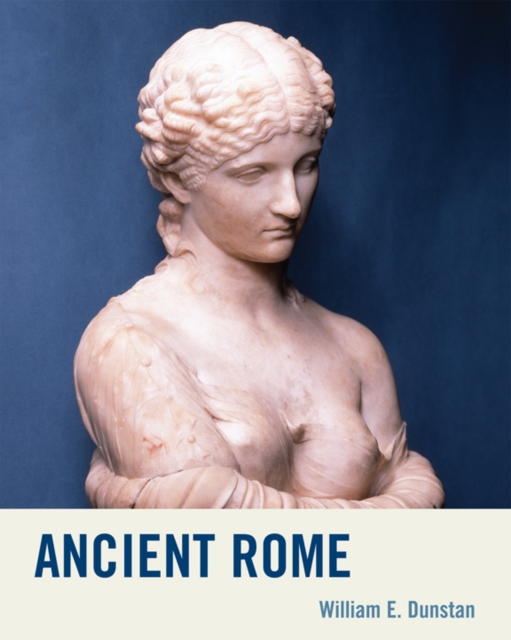
Ancient Rome masterfully synthesizes the vast period from the second millennium BCE to the sixth century CE, carrying readers through the succession of fateful steps and agonizing crises that marked Roman evolution from an early village settlement to the capital of an extraordinary realm extending from northern Britain to the deserts of Arabia.
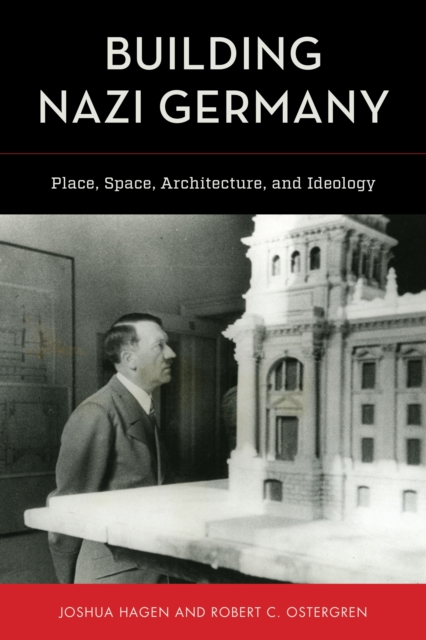
This richly illustrated book details the wide-ranging construction and urban planning projects launched across Germany after the Nazi Party seized power.
Since its founding in 1943, Medievalia et Humanistica has won worldwide recognition as the first scholarly publication in America to devote itself entirely to medieval and Renaissance studies.