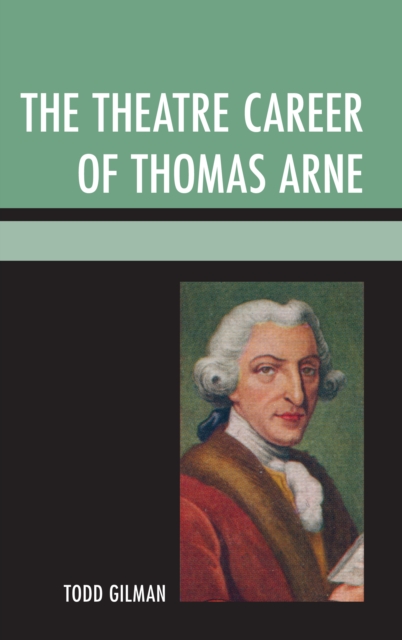
This book concerns the life and theatrical career of the great native-born English composer and musician of the eighteenth century, Thomas Augustine Arne (1710-1778).
A critical introduction to the mass political movements that came of age in urban England between the Great Reform Act of 1832 and the start of World War One.
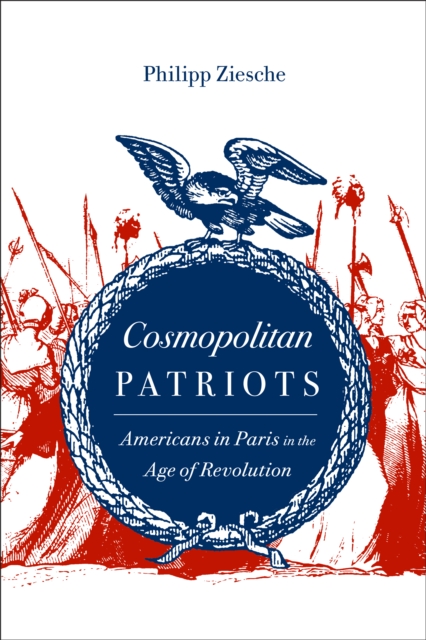
This truly transnational history reveals the important role of Americans abroad in the Age of Revolution, as well as providing an early example of the limits of American influence on other nations.
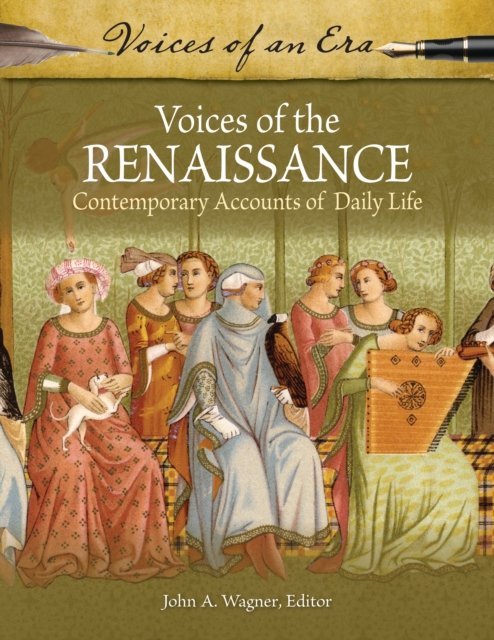
The documents in this collection trace the course of the Renaissance in Italy and northern Europe, describing the emergence of a vibrant and varied intellectual and artistic culture in various states, cities, and kingdoms.
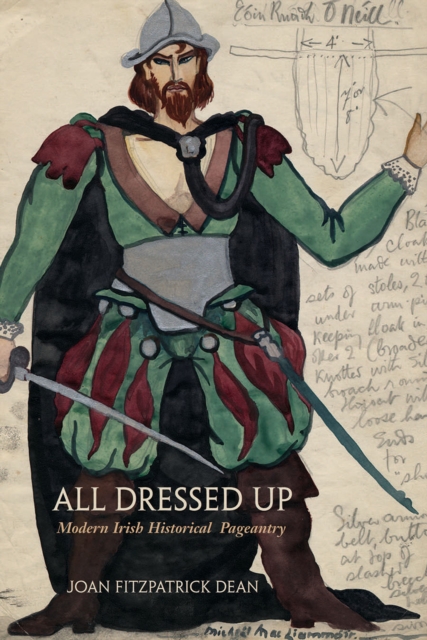
In the early twentieth century, publicly staged productions of significant historical, political, and religious events became increasingly popular-and increasingly grand-in Ireland.
The tragedy that devastated Spain for 33 months from July 1936 to April 1939, was, first and foremost, a brutal fratricidal conflict, the product of the fatal clash between diametrically opposed views of Spain and an attempt to settle crucial issues which had divided Spaniards for generations: agrarian reform, recognition of the identity of the historical regions (Catalonia, the Basque Country), and the roles of the Catholic Church and the armed forces in a modern state.
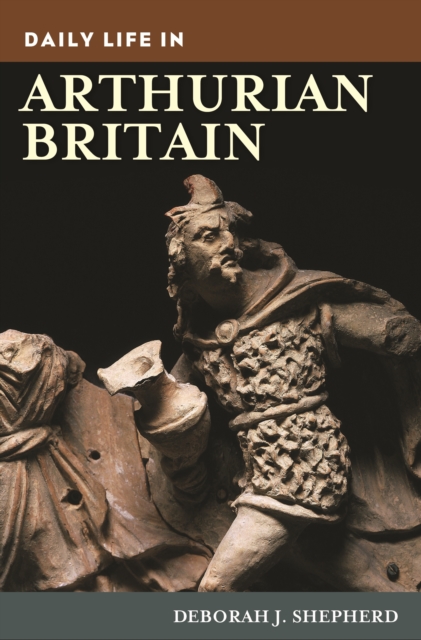
This book surveys current archaeological and historical thinking about the dimly understood characteristics of daily life in Great Britain during the fifth and sixth centuries.
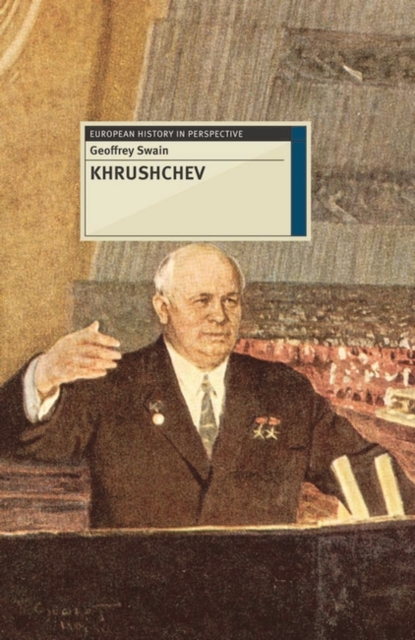
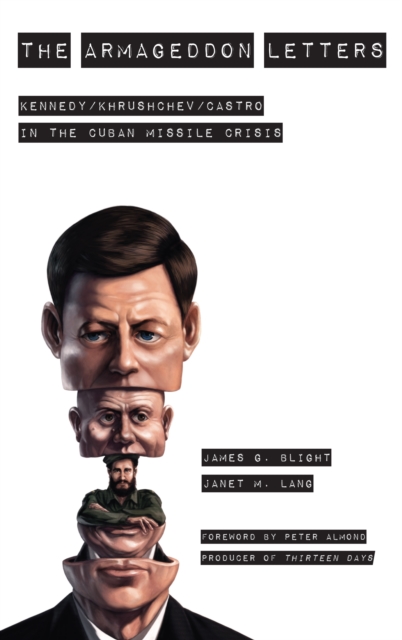
This concise, approachable introduction to Khrushchev explores the innovative theme of Khrushchev as reformer, arguing that the 'bumbling' nature of those reforms only partly reflected Khrushchev's uncertainty about how to act.
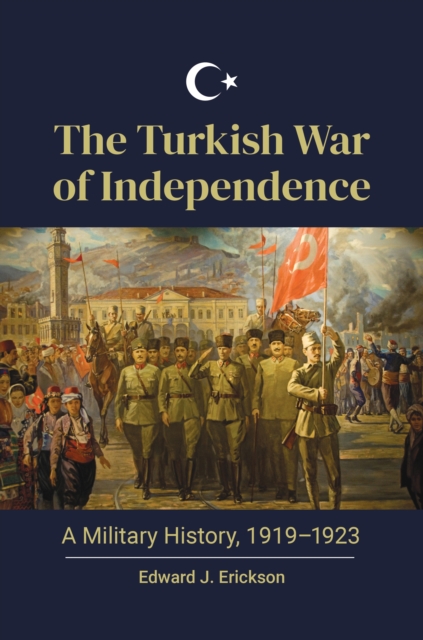
The dramatic story of the turbulent birth of modern Turkey, which rose out of the ashes of the Ottoman Empire to fight off Allied occupiers, Greek invaders, and internal ethnic groups to proclaim a new republic under Mustafa Kemal (Ataturk).
In the years immediately following World War II, information was disclosed about what has been termed the shadow war of the existence of hitherto secret agencies.
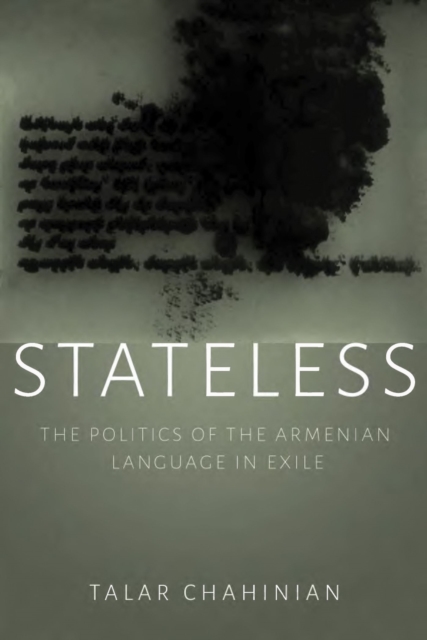
In Stateless, Talar Chahinian offers a rich exploration of Western Armenian literary history in the wake of the 1915 genocide that led to the dispersion of Armenians across Europe, North America, the Middle East, and beyond.
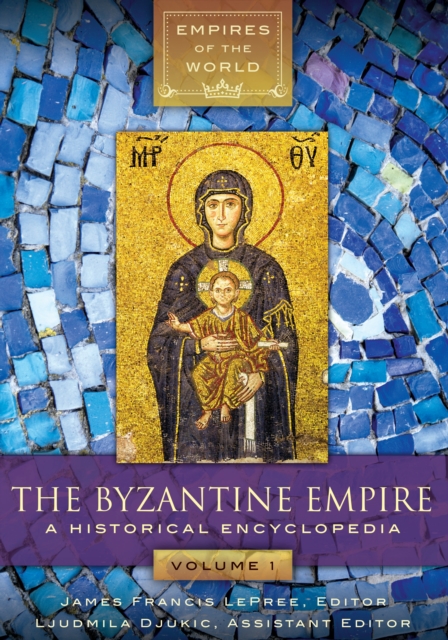
An indispensable resource for investigating the history of the Byzantine Empire, this book provides a comprehensive summary of its overall development as well as its legacy in the modern world.
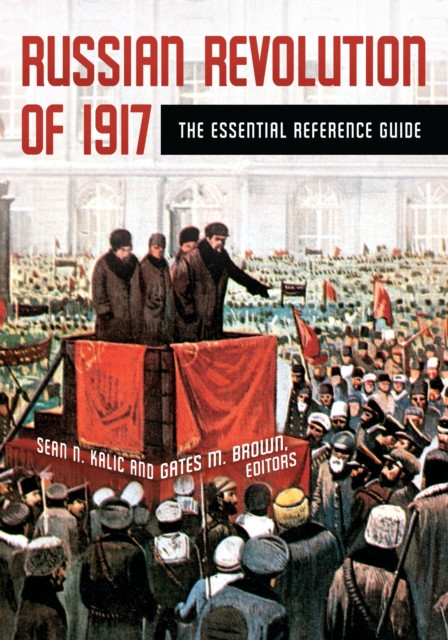
Combining reference entries and examination of primary documents from the Russian Revolution, this book gives students a better understanding of how and why political forces fought to reshape the Russian empire 100 years ago-and provides keen insights into the Soviet Union that resulted.
Network revolutions of the past have shaped the present and set the stage for the revolution we are experiencing todayIn an era of seemingly instant change, it's easy to think that today's revolutions in communications, business, and many areas of daily life are unprecedented.
Through the use of images, diagrams, and detailed descriptions, this book enables readers to appreciate how the construction, design, and function of famous structures inform our understanding of societies of the past.
An unprecedented, richly, detailed, and clear-eyed exploration of Islam in European history and civilizationTensions over Islam were escalating in Europe even before 9/11.
Providing an indispensable resource for students and policy makers investigating the Bosnian catastrophes of the 1990s, this book provides a comprehensive survey of the leaders, ideas, movements, and events pertaining to one of the most devastating conflicts of contemporary times.
Even a century after its conclusion, the devastation of the Great War still echoes in the work of artists who try to make sense of the political, moral, ideological, and economic changes and challenges it spawned.
Covering material from the time of Julius Caesar to the sack of Rome, this topically arranged reference set provides substantive entries on people, cities, government, institutions, military developments, material culture, and other topics related to the Roman Empire.
This book opens the world of the ancient Greeks to all readers through easily accessible entries on topics essential to understanding Greek high culture and daily life.
This two-volume set investigates the evangelical presence in America as experienced through digital media, examining current evangelical ideologies regarding education, politics, family, and government.
Students of the Italian Renaissance who wish to go beyond the standard names and subjects will find in this text abundant information on the lives, customs, beliefs, and practices of those who lived during this exciting time period.
This study of Ancient Rome offers a fascinating glimpse of what Roman society was like-from fashion, to food, to politics and recreation-gathered from literary works, art, and archaeological remains.
Since its founding in 1943, Medievalia et Humanistica has won worldwide recognition as the first scholarly publication in America to devote itself entirely to medieval and Renaissance studies.
As one of the fastest growing Pagan traditions, Feminist Wicca appeals to many through its emphasis on the deep interconnectedness of life and its focus on the woman's religious experience.
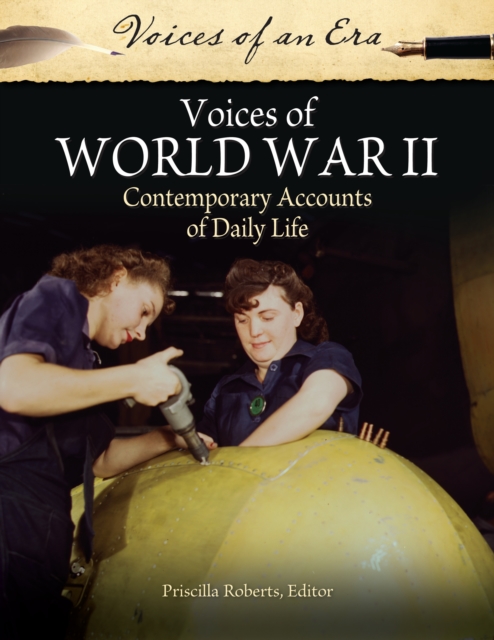
Drawing together a wide variety of primary source documents from across the United States, Europe, and Asia, this book illuminates the events and experiences of World War II-the most devastating war in human history.
While Iceland is the second largest inhabited island in Europe, with only 313,000 inhabitants in 2007, the Icelanders form one of the smallest independent nations in the world.
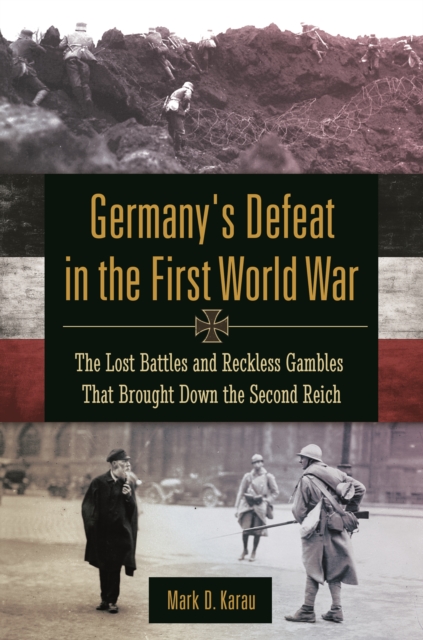
A noted World War I scholar examines the critical decisions and events that led to Germany's defeat, arguing that the German loss was caused by collapse at home as well as on the front.
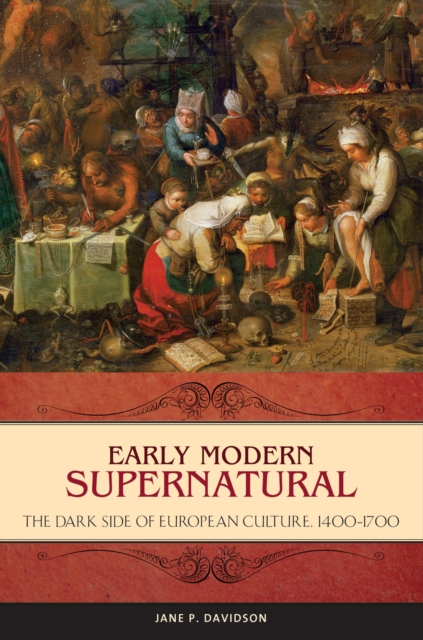
Devils, ghosts, poltergeists, werewolves, and witches are all covered in this book about the "e;dark side"e; of supernatural beliefs in early modern Europe, tapping period literature, folklore, art, and scholarly writings in its investigation.