Authored by an individual with 30 years of experience studying terrorism as well as access to the most senior counter-terrorist army and police officers combating the IRA, this book provides the first complete analysis of the world's premier terrorist group to explain them in ideological as well as operational terms.
The A to Z of Slovakia offers an up to date series of cross-referenced dictionary entries on Slovak political, social, and economic development since the creation of the second Slovak Republic in 1993 until its admission into the European Union in 2004.
Providing a rounded and coherent history of crime and the law spanning the past 400 years, Histories of Crime explores the evolution of attitudes towards crime and criminality over time.
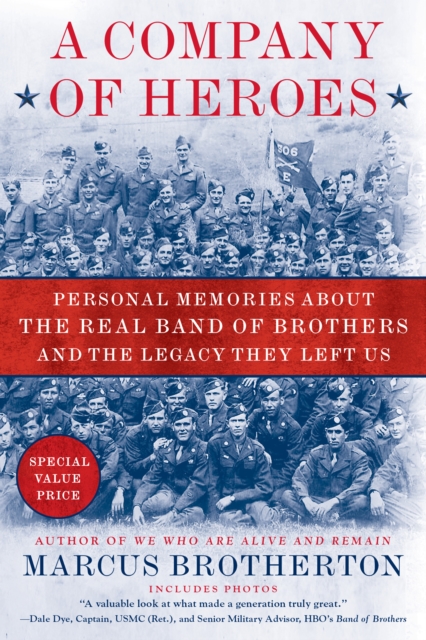
The author of We Who Are Alive and Remain presents remembrances from the families of the soldiers of Easy Company
A Company of Heroes is an intimate, revealing portrait of the lives of the men who fought for our freedom during some of the darkest days the world has ever known-men who returned home with a newfound wisdom and honor that they passed on to their families and who continue to inspire new generations of Americans.
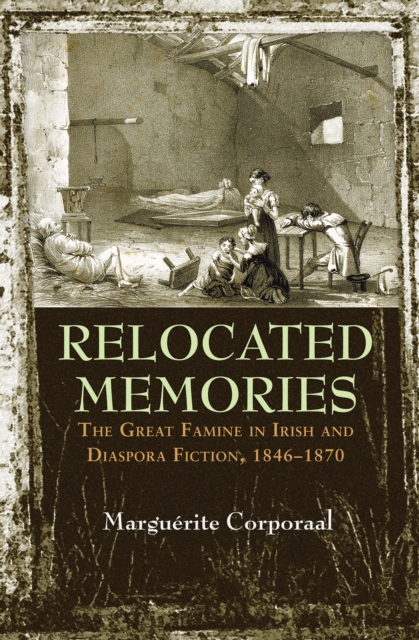
The Great Famine radically transformed Ireland; nearly one million people of the rural countryside died, and the eviction of farmers led to massive emigration.
In the late nineteenth century, an era in which women were expanding the influence outside the home, Irish American women carved out unique opportunities to serve the needs of their communities.
Network revolutions of the past have shaped the present and set the stage for the revolution we are experiencing todayIn an era of seemingly instant change, it's easy to think that today's revolutions in communications, business, and many areas of daily life are unprecedented.
An unprecedented, richly, detailed, and clear-eyed exploration of Islam in European history and civilizationTensions over Islam were escalating in Europe even before 9/11.
German film is diverse and multi-faceted; its history includes five distinct German governments (Wilhelmine Germany, the Weimar Republic, the Third Reich, the Federal Republic of Germany, and the German Democratic Republic), two national industries (Germany and Austria), and a myriad of styles and production methods.
The political map of Eastern Europe changed dramatically in December 1991 when the leaders of Belarus, Russia, and Ukraine huddled together in a Bielavieza Forest retreat and decided to dissolve the 15 union republics, which composed the Union of Soviet Socialist Republics (USSR).
This volume compiles and annotates for the first time the complete correspondence of the eighteenth-century British author Charlotte Lennox, best known for her novel The Female Quixote.
Christian mystic, astrologer, and spiritualist, Charles Carleton Massey (1838-1905) underwent an eclectic spiritual journey that resulted in a series of articles, letters, and booklets that have largely been neglected by modern society.
This book presents the first feminist translation of Rosalia de Castro's seminal poetic anthology En las orillas del Sar [On the Edge of the River Sar] (1884).
In recent years, much Spanish literary criticism has been characterized by debates about collective and historical memory, stemming from a national obsession with the past that has seen an explosion of novels and films about the Spanish Civil War and Franco dictatorship.
This established study focuses on the most important phase of Irish migration, providing analysis of why and how the Irish settled in Britain in such numbers.
An introduction to the everyday lives of medieval European women: how they ate and slept, what their work was like, and the many factors that shaped their experiences.
Emigrant Dreams, Immigrant Borders: Migrants, Transnational Encounters, and Identity in Spain offers a new approach to the cultural history of contemporary Spain, examining the ways in which Spain's own self-conceptions are changing and multiplying in response to migrants from Latin America and Africa.
In this established textbook, Wallace provides a succinct overview of the European Reformation, interweaving the influential events of the religious reformation with the transformations of political institutions, socio-economic structures, gender relations and cultural values throughout Europe.
A political and intellectual biographical study of Lenin which focuses on those aspects of his thought and political activities that had a bearing on the accession of the Bolsheviks to power in Russia in 1917 and the creation of the Soviet state.
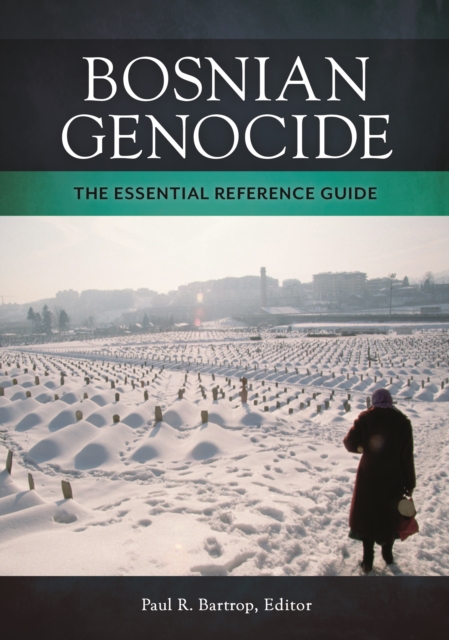
Providing an indispensable resource for students and policy makers investigating the Bosnian catastrophes of the 1990s, this book provides a comprehensive survey of the leaders, ideas, movements, and events pertaining to one of the most devastating conflicts of contemporary times.
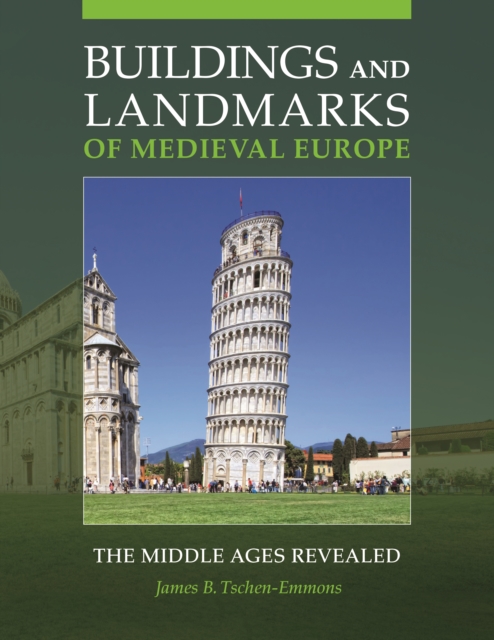
Through the use of images, diagrams, and detailed descriptions, this book enables readers to appreciate how the construction, design, and function of famous structures inform our understanding of societies of the past.
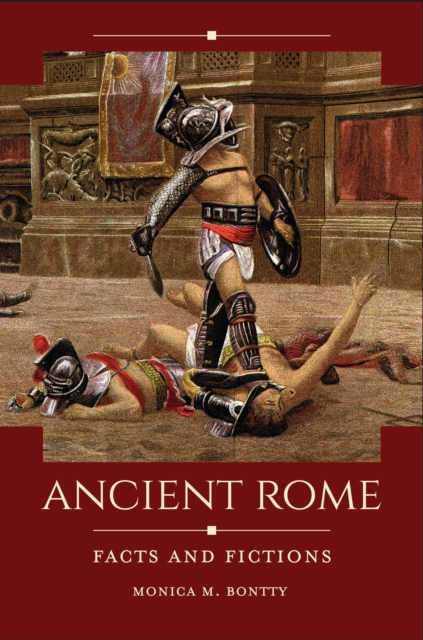
This book shares little-known facts from and excerpts of primary source documents to correct popular misconceptions about Ancient Rome and to show how those misconceptions became widespread.
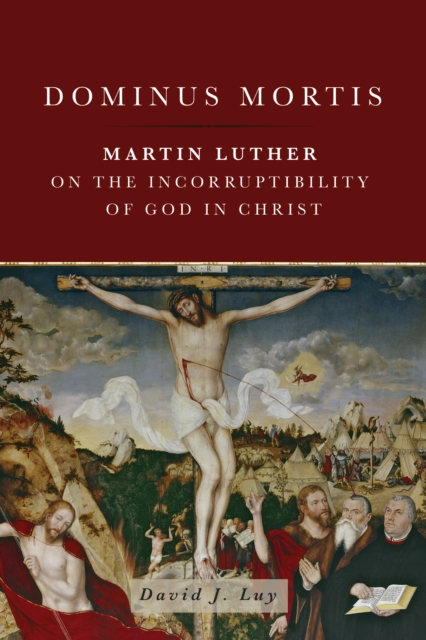
Modern interpreters typically attach revolutionary significance to Luthers Christology on account of its unprecedented endorsement of Gods ontological vulnerability.
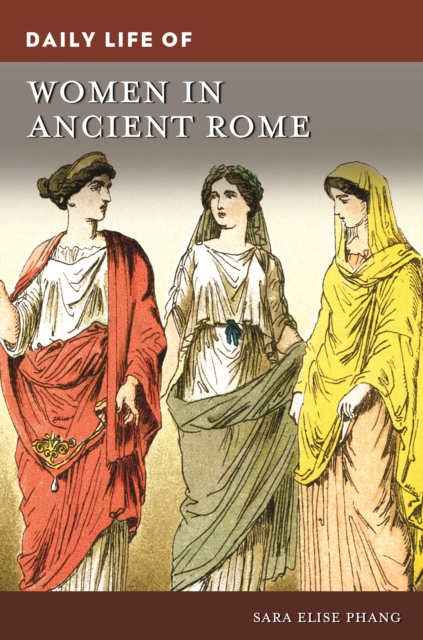
Providing an indispensable resource for students and scholars studying the history of Roman women and gender, this book provides an invaluable introduction to the social, economic, and legal status of women in ancient Rome.
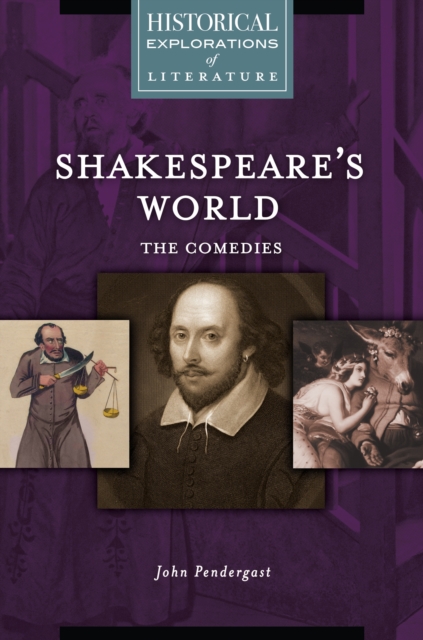
With summaries, discussions, and excerpts from primary source documents, this book examines Shakespeare's world through careful consideration of the historical background of four of his comedies.
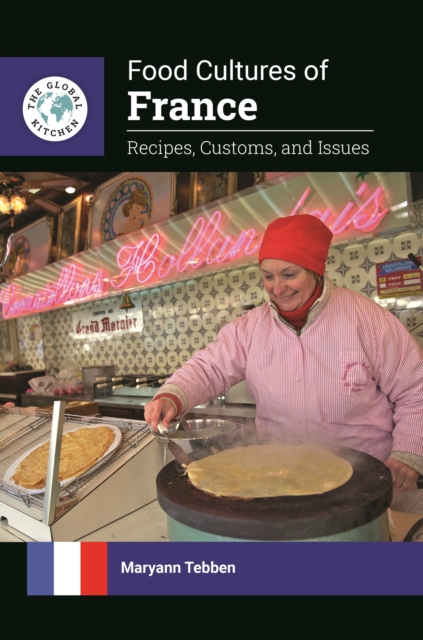
As a comprehensive overview of French food from fine dining to street food and from Roman Gaul to current trends, this book offers anyone with an interest in French cuisine a readable guide to the country and its customs.
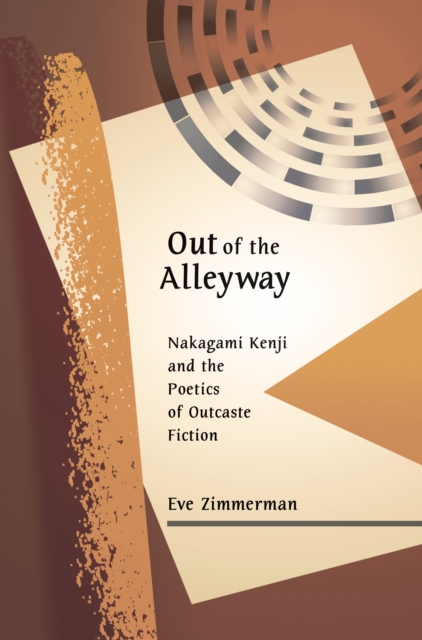
"e;The writer Nakagami Kenji (1946-1992) rose to fame in the mid-1970s for his vivid stories about a clan scarred by violence and poverty on the underside of the Japanese economic miracle.