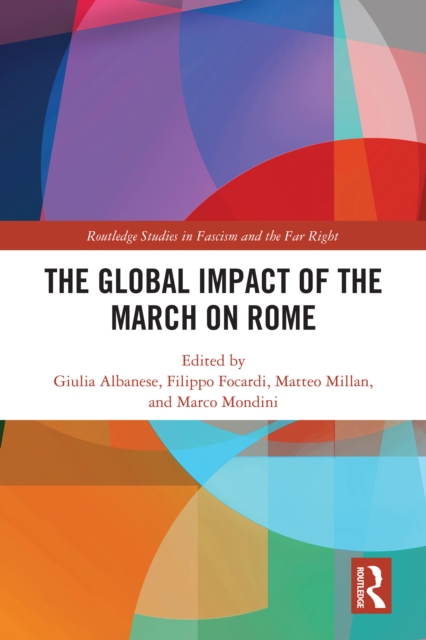
This comprehensive collection of chapters provides a nuanced and multifaceted analysis of the global impact of the March on Rome, offering valuable insights into the spread and adaptation of Fascist ideologies in different cultural and political contexts beyond Italy in the 1920s and 1930s.
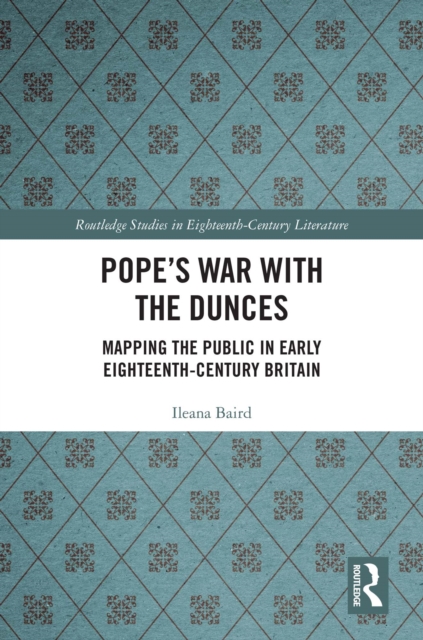
Pope's War with the Dunces: Mapping the Public in Early Eighteenth-Century Britain examines Alexander Pope's Dunciad, a work boasting the largest number of identifiable characters in English literature.
The Spanish Flu of 1918 was one of the deadliest pandemics in human history, claiming an estimated 50 million lives worldwide and forever changing the way societies respond to infectious diseases.
In the Florence of the 15th century and the turbulent 16th century, Niccolò Machiavelli learned that politics does not resemble sermons, but rather real life: ambition, fear, shifting alliances, and decisions that carry a cost.
Situated at the crossroads of queer theory and postcolonial studies, Hybrid Anxieties analyzes the intertwined and composite aspects of identities and textual forms in the wake of the French-Algerian War (19541962).
The Cold War was one of the most defining periods of the twentieth century, shaping global politics, military strategy, and international relations for nearly half a century.
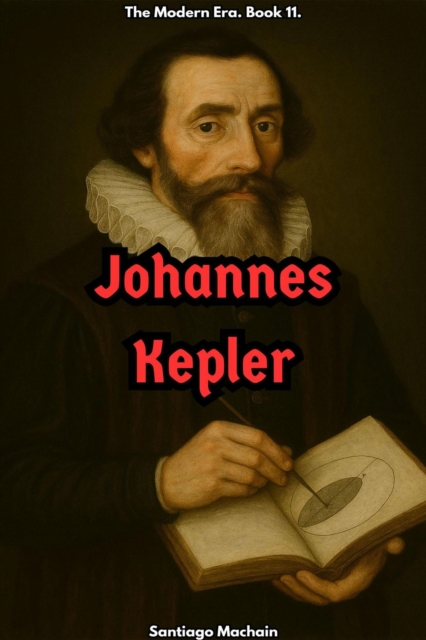
In the 17th century, in a Europe torn apart by wars, religious disputes, and superstitions, Johannes Kepler transformed a fragile life—marked by illness, precariousness, and family losses—into one of the most profound intellectual transformations in history.
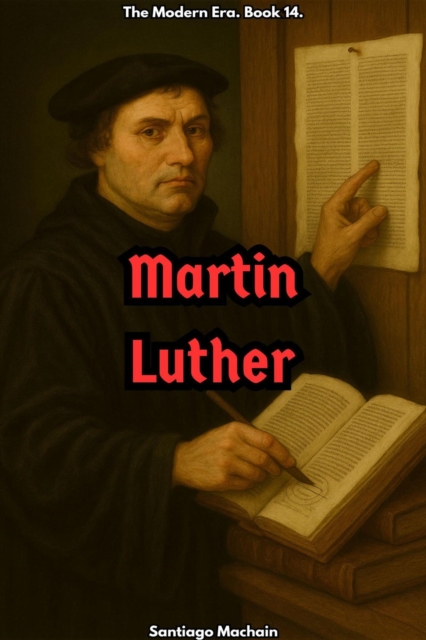
In the convulsive 16th century, Martin Luther went from being a monk tormented by guilt to becoming the voice that shattered the religious unity of Europe.
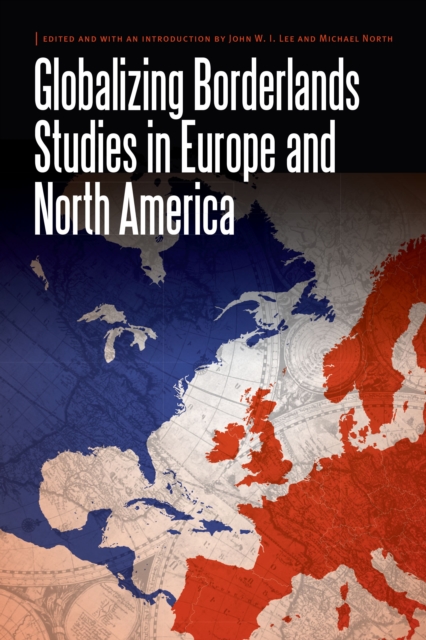
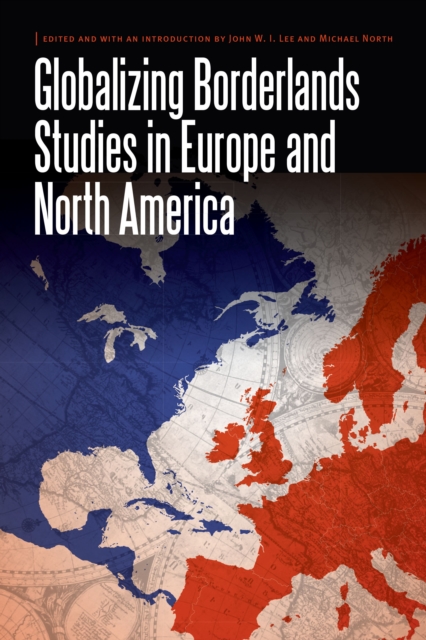
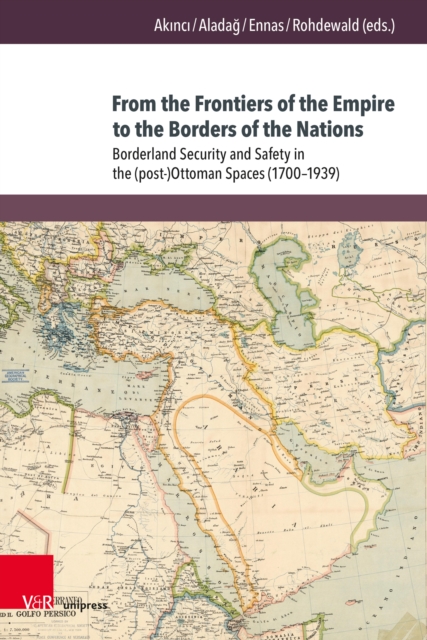
Borderlands are complex spaces that can involve military, religious, economic, political, and cultural interactions-all of which may vary by region and over time.
Situated at the crossroads of queer theory and postcolonial studies, Hybrid Anxieties analyzes the intertwined and composite aspects of identities and textual forms in the wake of the French-Algerian War (19541962).
Borderlands are complex spaces that can involve military, religious, economic, political, and cultural interactions-all of which may vary by region and over time.
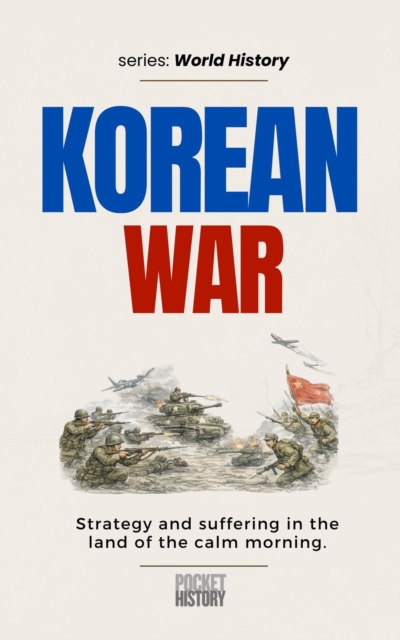
The Korean War (1950–1953) was one of the first major military confrontations of the Cold War and one of the most destructive conflicts of the twentieth century.
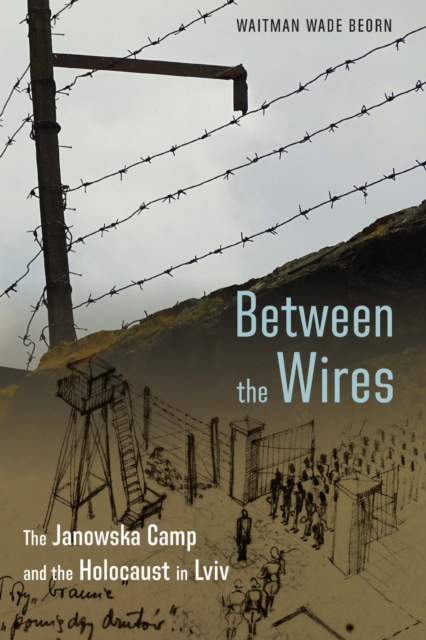
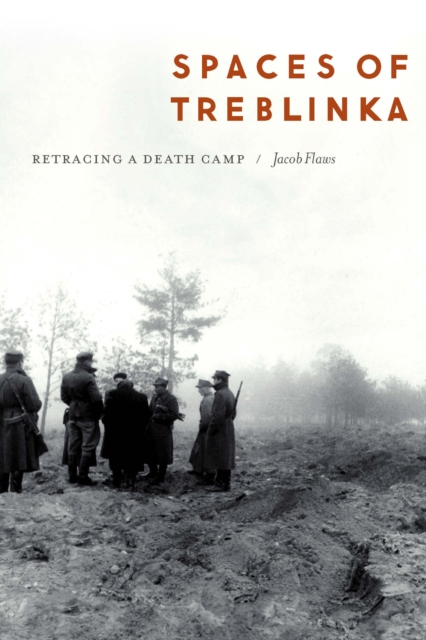
Spaces of Treblinka utilizes testimonies, oral histories, and recollections from Jewish, German, and Polish witnesses to create a holistic representation of the Treblinka death camp during its operation.
This volume explores the daily lives, security measures, and health practices in the borderland regions of the Ottoman Empire and its successor states (1700-1939).
Los piratas ocupan un lugar destacado en el imaginario popular, con un atractivo particular en la idea de la lucha por la libertad, la igualdad, el romanticismo, las hazañas audaces, la búsqueda de tesoros y el desafío al orden social.
The devastation of Hungary and Poland by the Mongols in 1241-2 prompted Pope Innocent IV to dispatch embassies to the invaders, remonstrating with them and urging them to accept Christianity.