First published in 1837, History of the Reign of Ferdinand and Isabella the Catholic is considered one of Prescott's most significant works and a classic in the field of historical literature.
First published in 1837, History of the Reign of Ferdinand and Isabella the Catholic is considered one of Prescott's most significant works and a classic in the field of historical literature.
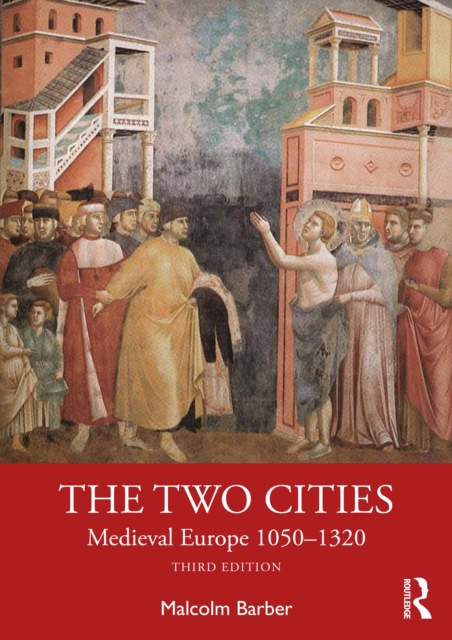
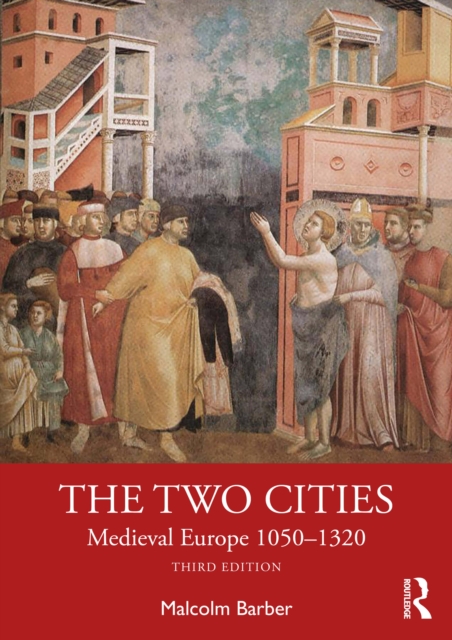
Covering a colourful period of medieval history from the schism between the eastern and western churches to the death of Dante, The Two Cities provides an introduction to key topics such as: The Crusades The expansionist force of the Normans Major developments in the way kings, emperors and popes exercised their powers A great flourishing of art and architecture The foundation of the very first universities Four major sections covering The Social and Economic Structure, The Church, Political Change and Perceptions of the World, analyse and discuss the delicate relationship between the spiritual and secular worlds - the two 'cities' of the title.
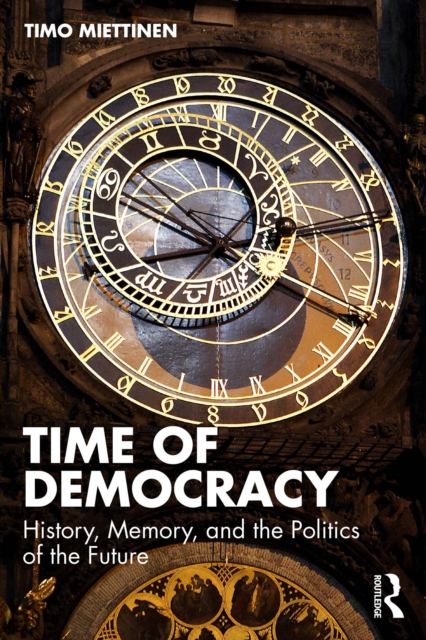
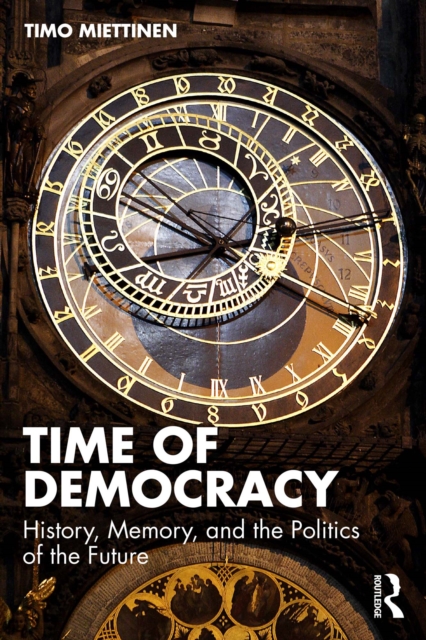
In Time of Democracy, Timo Miettinen takes readers on a fascinating journey through the history of democratic ideas, showing how our political systems are deeply shaped by the way we understand the past, imagine the future, and live in the present.
Luther affirmed, in the context of the 16th century, the radical equality of all believers by explicitly referring to the priesthood common to everyone.
This book, the second in a two- volume work resulting from a 2018 conference organized by the International Railway History Association (IRHA), examines the relationship between the railways and the First World War from a global theoretical, methodological and geographical perspective.
This book, the second in a two- volume work resulting from a 2018 conference organized by the International Railway History Association (IRHA), examines the relationship between the railways and the First World War from a global theoretical, methodological and geographical perspective.
Covering a colourful period of medieval history from the schism between the eastern and western churches to the death of Dante, The Two Cities provides an introduction to key topics such as: The Crusades The expansionist force of the Normans Major developments in the way kings, emperors and popes exercised their powers A great flourishing of art and architecture The foundation of the very first universities Four major sections covering The Social and Economic Structure, The Church, Political Change and Perceptions of the World, analyse and discuss the delicate relationship between the spiritual and secular worlds - the two 'cities' of the title.
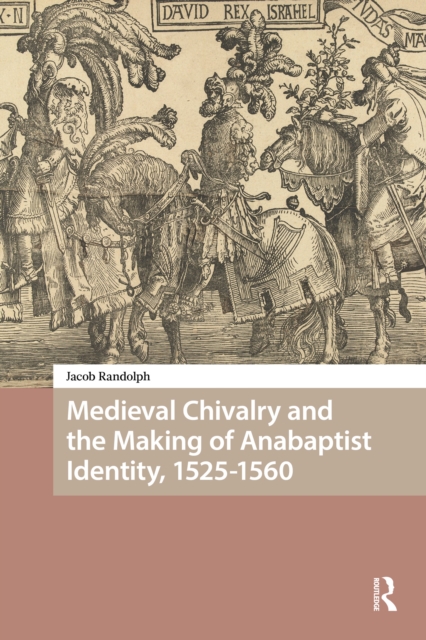
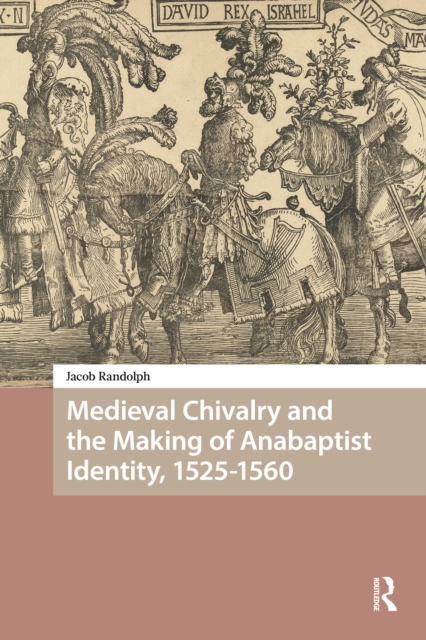
Using sermons, theological treatises, polemical pamphlets, allegories, hymns, and studies of material culture, Jacob Randolph sheds light on how and why the popularity of knightly culture of the Late Middle Ages permeated early modern Anabaptist texts and animated the imaginations of Anabaptist communities.
In Time of Democracy, Timo Miettinen takes readers on a fascinating journey through the history of democratic ideas, showing how our political systems are deeply shaped by the way we understand the past, imagine the future, and live in the present.
Using sermons, theological treatises, polemical pamphlets, allegories, hymns, and studies of material culture, Jacob Randolph sheds light on how and why the popularity of knightly culture of the Late Middle Ages permeated early modern Anabaptist texts and animated the imaginations of Anabaptist communities.
The Prefect in French Public Administration (1976) examines the unique and theoretically powerful position of the Prefect in French local administration, concentrating on the period 1959-1975, the years of the Fifth Republic.
Luther affirmed, in the context of the 16th century, the radical equality of all believers by explicitly referring to the priesthood common to everyone.
The Prefect in French Public Administration (1976) examines the unique and theoretically powerful position of the Prefect in French local administration, concentrating on the period 1959-1975, the years of the Fifth Republic.
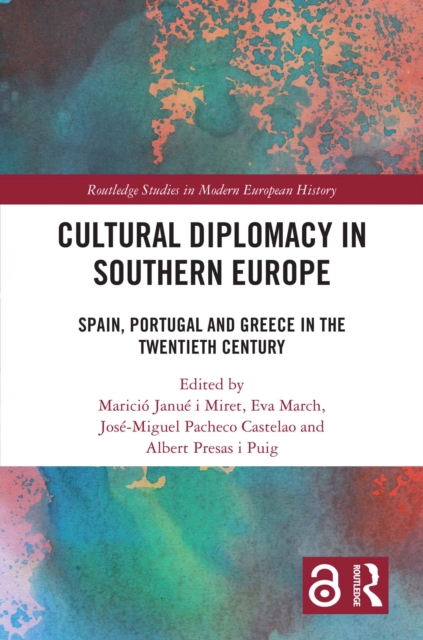
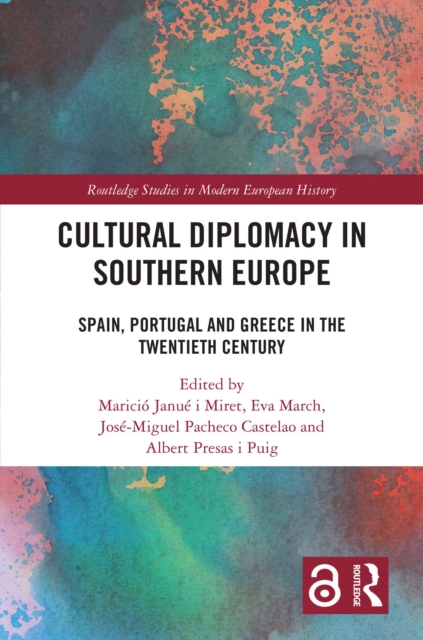
This book offers a comprehensive overview of how culture, science, technology and academic activity functioned as instruments of cultural diplomacy and soft power in Spain, Portugal and Greece during the interwar and Cold War periods.
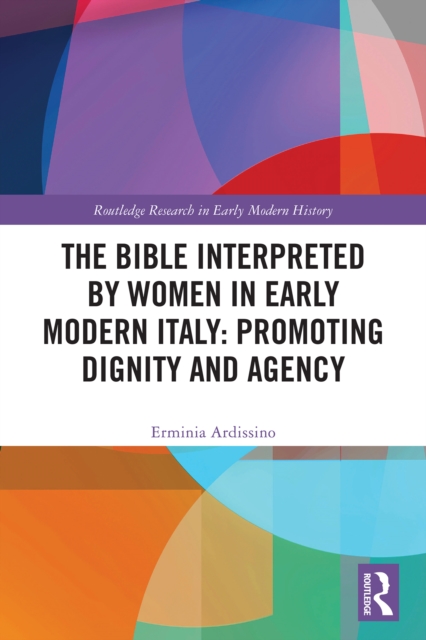
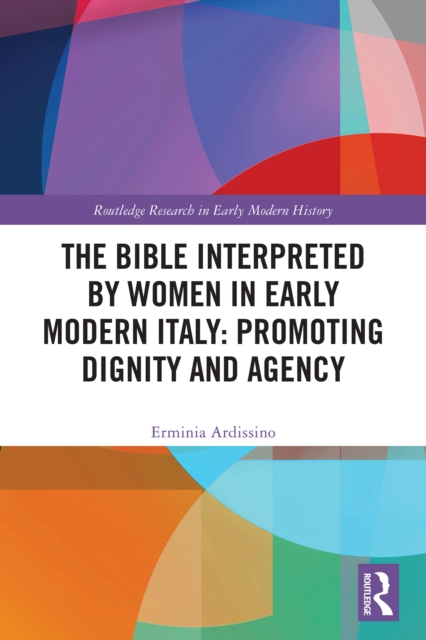
This volume studies initial attempts by Italian women of the early modern period to assert their dignity and gender equality through skillful interpretation of the Bible.
This book offers a comprehensive overview of how culture, science, technology and academic activity functioned as instruments of cultural diplomacy and soft power in Spain, Portugal and Greece during the interwar and Cold War periods.
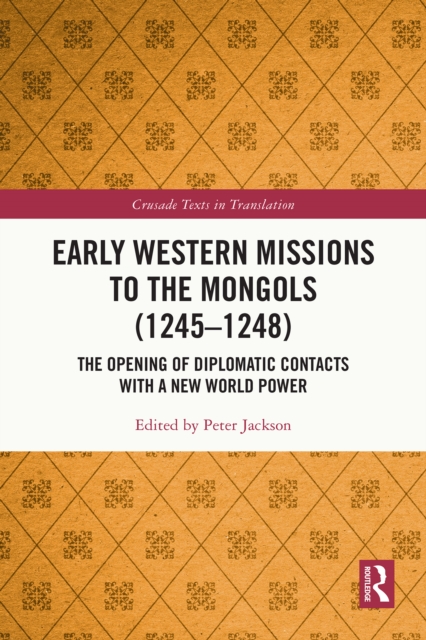
The devastation of Hungary and Poland by the Mongols in 1241-2 prompted Pope Innocent IV to dispatch embassies to the invaders, remonstrating with them and urging them to accept Christianity.
A timeless collection of stoic wisdom, Dialogues brings together a series of philosophical conversations and essays from one of ancient Rome's greatest thinkers.
In 899, the accession of Edward the Elder, son of Alfred the Great, ushered in a tumultuous period that would see seven reigning kings in England over seventy-six years.
This volume studies initial attempts by Italian women of the early modern period to assert their dignity and gender equality through skillful interpretation of the Bible.
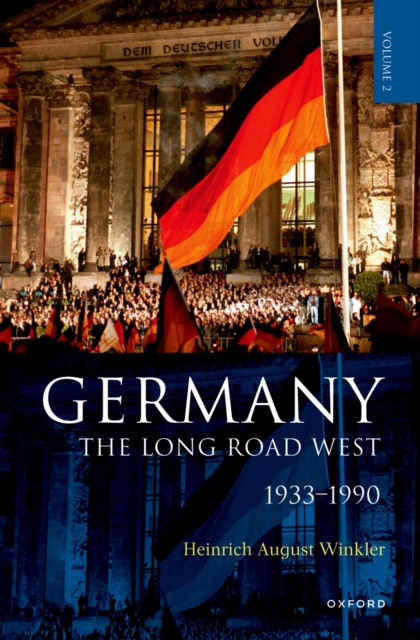
Vivid, succinct, and highly accessible, Heinrich Winkler's magisterial history of modern Germany offers the history of a nation and its people through two turbulent centuries.
The borderers - people forged and hardened by endemic warfare over generations, whether by raids and skirmishes or set piece battles - are marked even today as a distinct group.
In the early hours of 26th June 1942, six airmen from 102 Squadron return from Bremen in their Halifax, Q for Queenie, having taken part in the third Thousand Bomber Raid.
Late Medieval Female Subject Consciousness: Italian and English Mystics brings together disparate feminist theoretical approaches to explore the formation of medieval female subject consciousness in writings by female mystics including Angela of Foligno, Catherine of Siena, and Margery Kempe, as well as secular writings of Christine de Pizan, and powerful female characters of Giovanni Boccaccio and Geoffrey Chaucer.
Late Medieval Female Subject Consciousness: Italian and English Mystics brings together disparate feminist theoretical approaches to explore the formation of medieval female subject consciousness in writings by female mystics including Angela of Foligno, Catherine of Siena, and Margery Kempe, as well as secular writings of Christine de Pizan, and powerful female characters of Giovanni Boccaccio and Geoffrey Chaucer.
La guerra –que Tucídides definió como "maestra de modales violentos" que disolvía los usos civilizados– vuelve a instalarse en el horizonte de la Europa actual.
La guerra –que Tucídides definió como "maestra de modales violentos" que disolvía los usos civilizados– vuelve a instalarse en el horizonte de la Europa actual.