Scholarship has come to value the uncertainties haunting early modern knowledge cultures; indeed, awareness of the fragility and plurality of knowledge is now offered as a key element for understanding early modern science as a whole.
Although the name Caucasus has been around for some 2000 years, and may suggest unity and coherence, the region these days is best known for the ethnic and religious divides resulting in recurrent bloody conflicts between the various minorities and the post-Soviet independent states.
Our historical understanding of the Reformation in northern Europe has tended to privilege the idea of disruption and innovation over continuity - yet even the most powerful reformation movements drew on and exchanged ideas with earlier cultural and religious practices.
This collection of essays from both established and emerging scholars analyses the dynamic connections between conflict and violence in medieval Italy.
In the Dutch Republic, charitable collections, which formed the financial backbone of many poor relief institutions, were regularly organised by both religious and secular authorities.
The diaries and letters of Etty Hillesum (1914-1943) have a special place among the Jewish-Dutch testimonies of the Shoah, so much so that Etty Hillesum studies has become its own field.
In the Dutch Republic, charitable collections, which formed the financial backbone of many poor relief institutions, were regularly organised by both religious and secular authorities.
Rereading Huizinga: Autumn of the Middle Ages, a Century Later explores the legacy and historiographical impact of Johan Huizinga's 1919 masterwork a century after its publication.
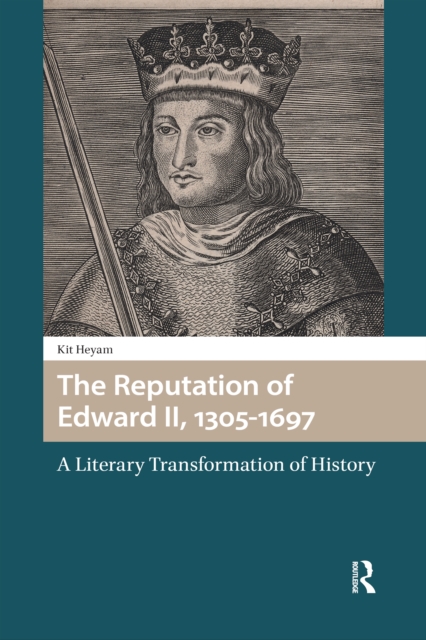
During his lifetime and the four centuries following his death, King Edward II (1307-1327) acquired a reputation for having engaged in sexual and romantic relationships with his male favourites, and having been murdered by penetration with a red-hot spit.
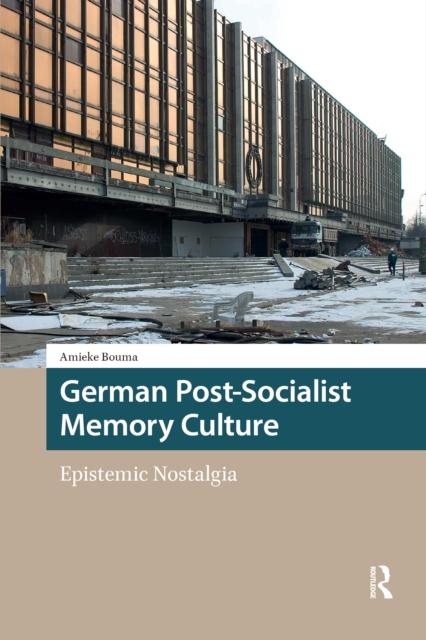
After German unification, former officers of the GDR state security service united with GDR professors and cultural managers to establish the East German Committee of Associations (OKV).
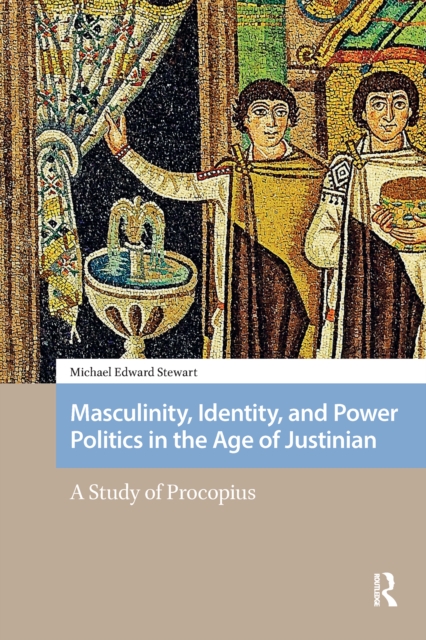
A generation of historians has been captivated by the notorious views on gender found in the mid-sixth century Secret History by the Byzantine historian Procopius of Caesarea.
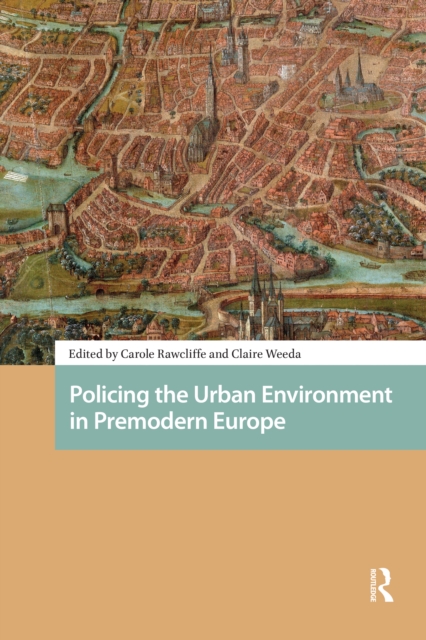
Tapping into a combination of court documents, urban statutes, material artefacts, health guides and treatises, Policing the Urban Environment in Premodern Europe offers a unique perspective on how premodern public authorities tried to create a clean, healthy environment.
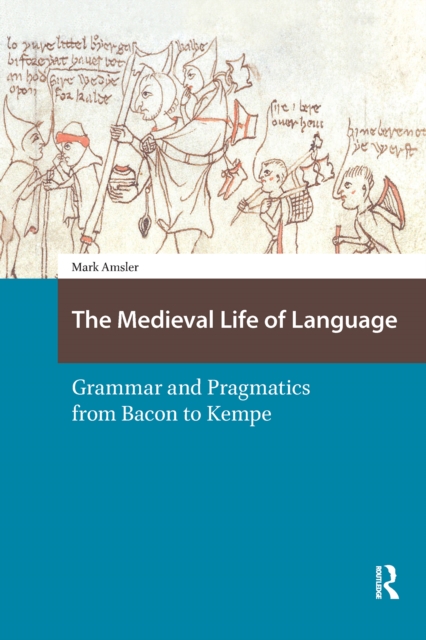
The Medieval Life of Language: Grammar and Pragmatics from Bacon to Kempe explores the complex history of medieval pragmatic theory and ideas and metapragmatic awareness across social discourses.
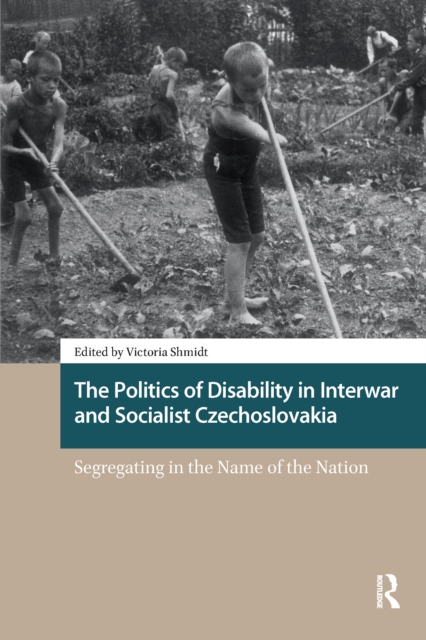
By focusing on the politics of disability as a pillar of Czechoslovak identity, The Politics of Disability in Interwar and Socialist Czechoslovakia: Segregating in the Name of the Nation reflects upon the vicissitudes of nation building over the twentieth century that led to extreme forms of institutional violence against minorities, mainly the Roma, such as forced sterilization.
Before the modern nation-state became a stable, widespread phenomenon throughout northern Europe, multilingualism-the use of multiple languages in one geographical area-was common throughout the region.
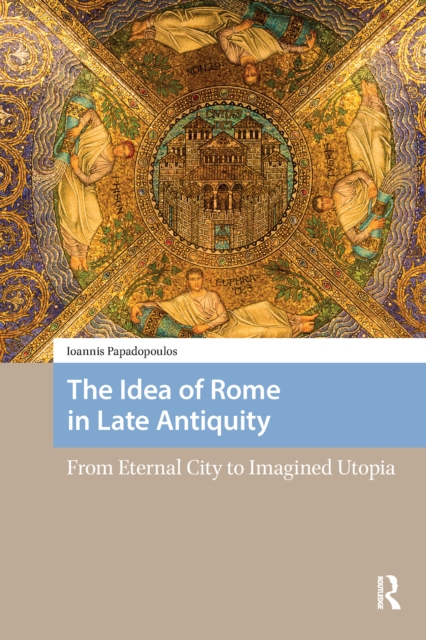
This book approaches the manifestation and evolution of the idea of Rome as an expression of Roman patriotism and as an (urban) archetype of utopia in late Roman thought in a period extending from AD 357 to 417.
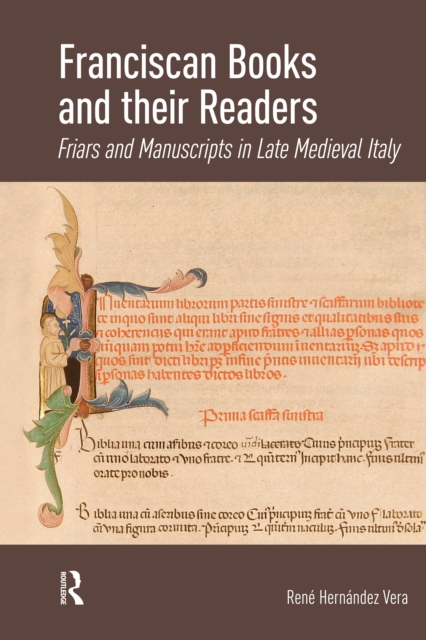
Franciscan Books and their Readers explores the manuscripts written, read and studied by Franciscan friars from the thirteenth to the fifteenth centuries in northern Italy, and specifically Padua, assessing four key aspects: ideal, space, form and readership.
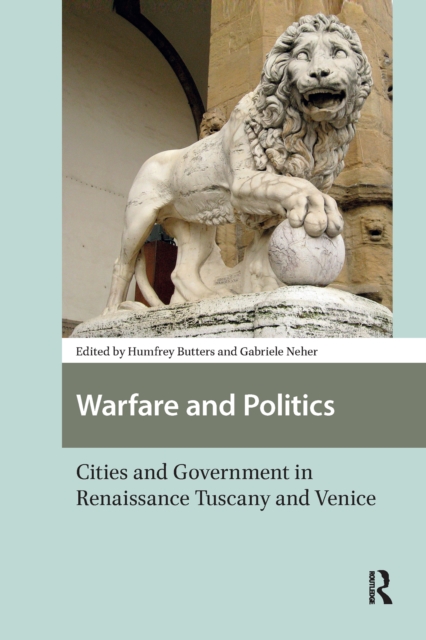
Warfare and Politics: Cities and Government in Renaissance Tuscany and Venice brings together a group of prominent contributors to consider the topics of government and warfare in Tuscany and Venice in the Renaissance.
This book considers for the first time the relationship between the river environment and the economic and political structures of northern Italy in the post-Roman period.
Archaeologists working in northwest Europe have long remarked on the sheer quantity and standardisation of objects unearthed from the Roman period, especially compared with earlier eras.
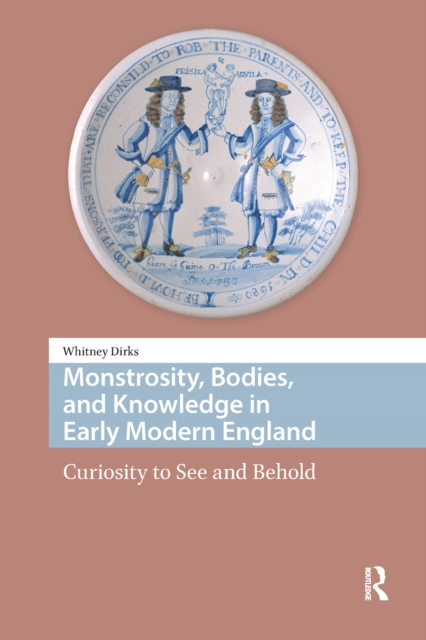
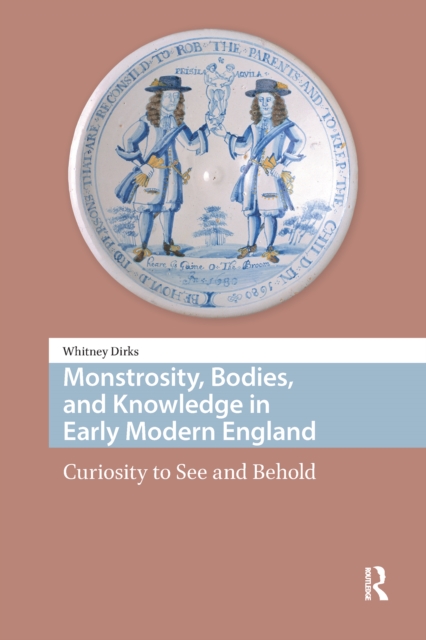
Drawing on a rich array of textual and visual primary sources, including medicine, satires, play scripts, dictionaries, natural philosophy, and texts on collecting wonders, this book provides a fresh perspective on monstrosity in early modern European culture.
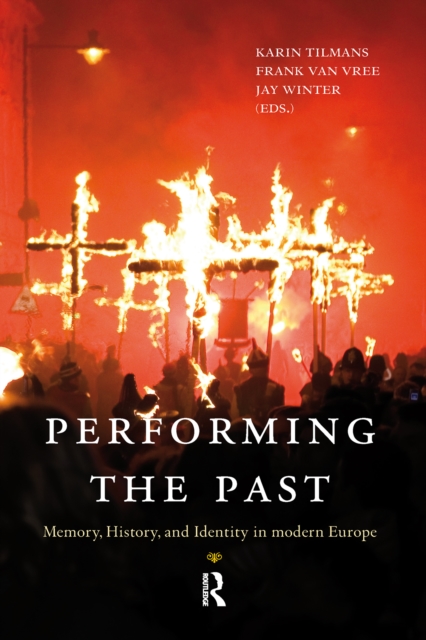
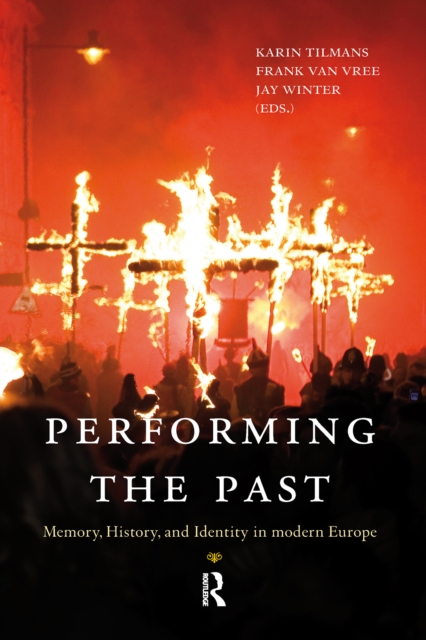
Performing the Past is an investigation of the multiple social and culture practices through which Europeans have negotiated the space between their history and their memory over the past 200 years.
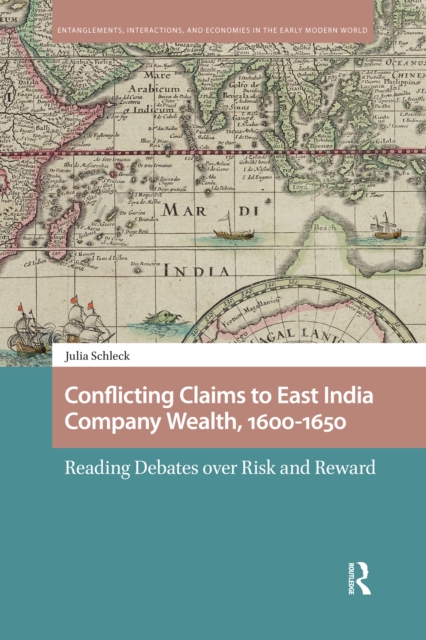
Centered on moral critiques of wealth and the unequal distribution of risks and rewards in the lengthy voyages required by the East Indies trade, this book examines the debates surrounding England's earliest global trading ventures.
In this survey of the Dutch political culture of the nineteenth and twentieth centuries, Piet de Rooy reveals that the 'polder model' often used to describe economic and social policymaking based on consensus is a myth.
Rene de Challant, whose holdings ranged from northwestern Italy to the Alps and over the mountains into what is today western Switzerland and eastern France, was an Italian and transregional dynast.
This volume presents a batch of incisive new essays on the relationship between Roman imperial power and ideology and Christian and Jewish life and thought within the empire.
Performing the Past is an investigation of the multiple social and culture practices through which Europeans have negotiated the space between their history and their memory over the past 200 years.