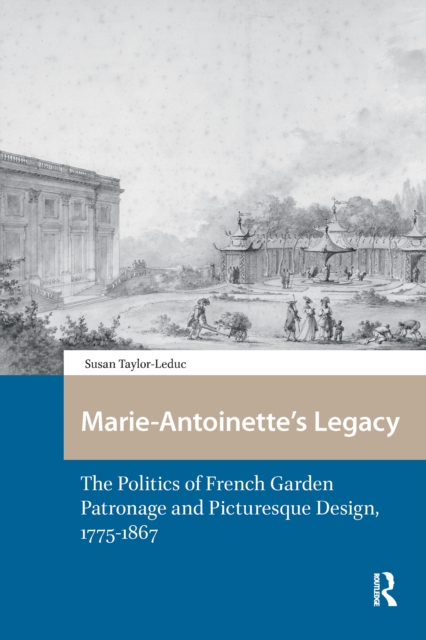
Challenging the established historiography that frames the French picturesque garden movement as an international style, this book contends that the French picturesque gardens from 1775 until 1867 functioned as liminal zones at the epicenter of court patronage systems.
This volume investigates the state of same-sex relations in later medieval England, drawing on a remarkably rich array of primary sources from the period that include legal documents, artworks, theological treatises, and poetry.
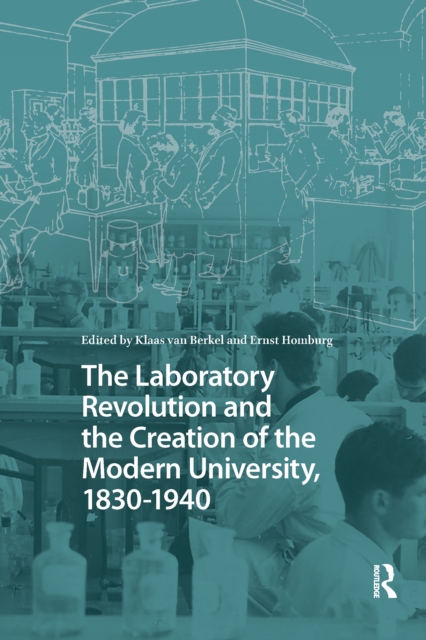
The modern research university originated in Europe in the second half of the nineteenth century, largely due to the creation and expansion of the teaching and research laboratory.
This study of the Visigothic kingdom's monetary system in southern Gaul and Hispania from the fifth century through the Muslim invasion of Spain fills a major gap in the scholarship of late antiquity.
After German unification, former officers of the GDR state security service united with GDR professors and cultural managers to establish the East German Committee of Associations (OKV).
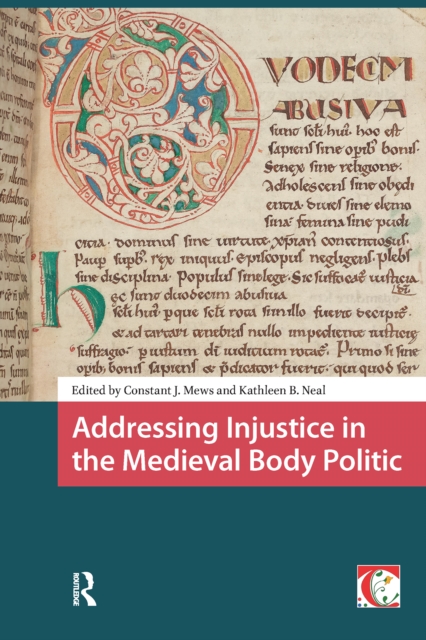
Late medieval societies witnessed the emergence of a particular form of socio-legal practice and logic, focused on the law court and its legal process.
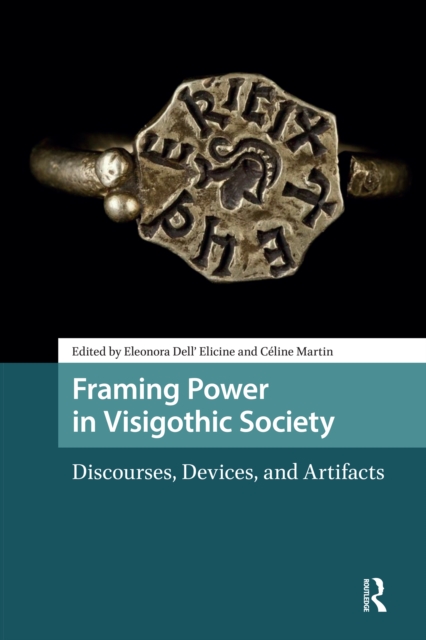
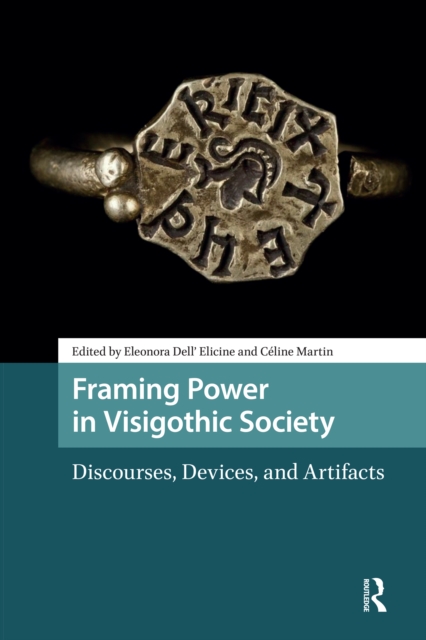
This volume examines how power was framed in Visigothic society and how a diverse population with a complex and often conflicting cultural inheritance was thereby held together as a single kingdom.
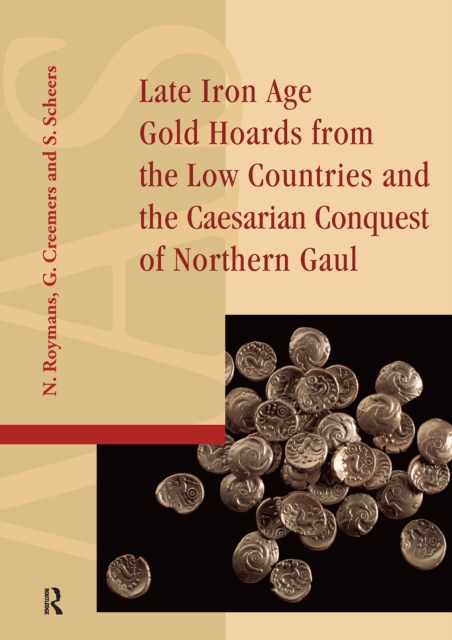
This volume presents eight new Iron Age gold hoards from the southern Netherlands and Belgium, consisting of gold coinages and in several cases also gold ornaments.
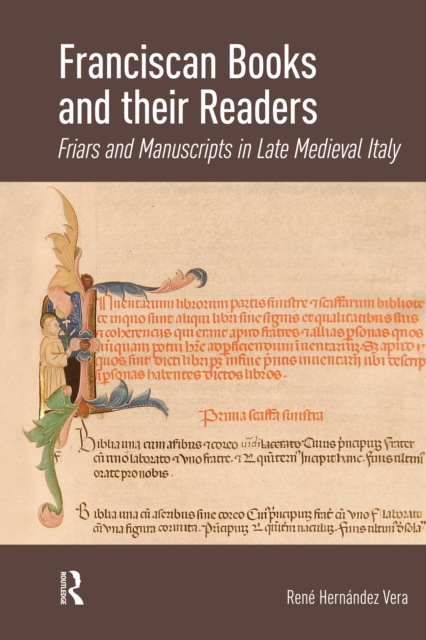
Franciscan Books and their Readers explores the manuscripts written, read and studied by Franciscan friars from the thirteenth to the fifteenth centuries in northern Italy, and specifically Padua, assessing four key aspects: ideal, space, form and readership.
Sacred Sisters focuses on five saints: the four female Irish saints who have extant medieval biographies (Darerca, Brigid, Ite, and Samthann), and Patrick, whose writings -- fifth-century Ireland's sole surviving texts -- attest to the centrality of women in Irish Christianity's development.
Politics of Feeling in Songs of the Dutch Revolutionary Period sheds new light on the intertwined history of music and politics by exploring Dutch political songs.
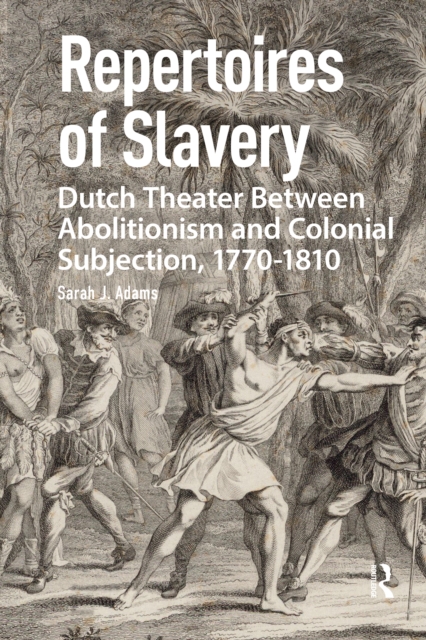
Through the lens of a hitherto unstudied repertoire of Dutch abolitionist theatre productions, Repertoires of Slavery prises open the conflicting ideological functions of antislavery discourse within and outside the walls of the theatre and examines the ways in which abolitionist protesters wielded the strife-ridden question of slavery to negotiate the meanings of human rights, subjecthood, and subjection.
Bede is the inaugural volume in the Sources of Anglo-Saxon Literary Culture series, which seeks to comprehensively map British literary culture from 500 to 1100 CE.
This volume examines how power was framed in Visigothic society and how a diverse population with a complex and often conflicting cultural inheritance was thereby held together as a single kingdom.
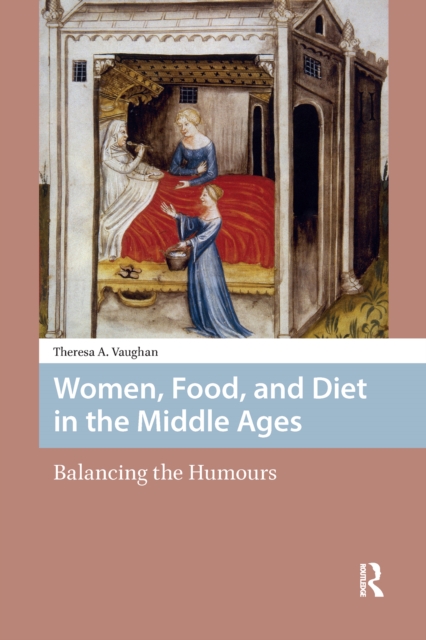
What can anthropological and folkloristic approaches to food, gender, and medicine tell us about these topics in the Middle Ages beyond the textual evidence itself?
The roles of popes, saints, and crusaders were inextricably intertwined in the Middle Ages: papal administration was fundamental in the making and promulgating of new saints and in financing crusades, while crusaders used saints as propaganda to back up the authority of popes, and even occasionally ended up being sanctified themselves.
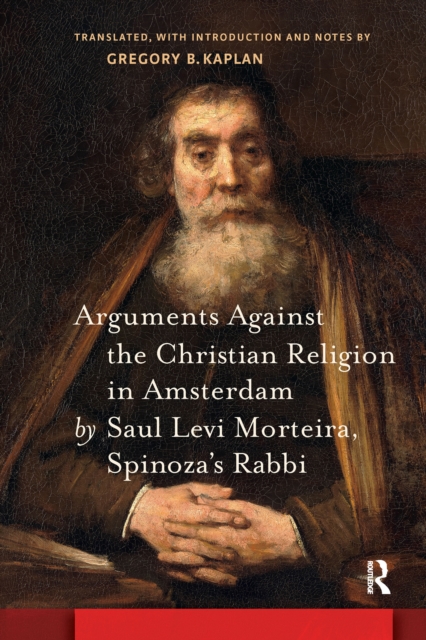
This is the first book to offer a translation into English-as well as a critical study-of a Spanish treatise written around 1650 by Rabbi Saul Levi Morteira, whose most renowned congregant was Baruch Spinoza.
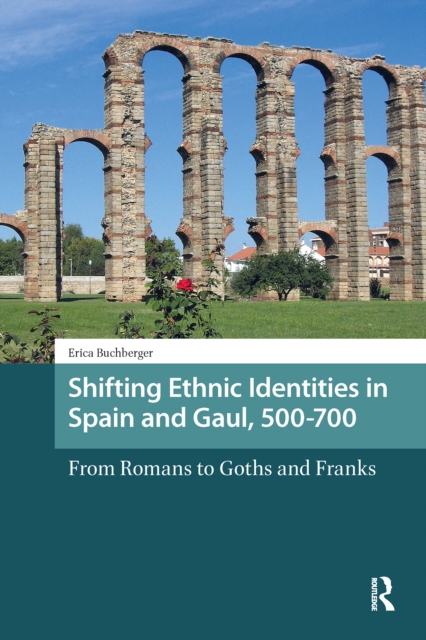
Traditional scholarship on post-Roman western culture has tended to examine the ethnic identities of Goths, Franks, and similar groups while neglecting the Romans themselves, in part because modern scholars have viewed the concept of being Roman as one denoting primarily a cultural or legal affiliation.
This book tells the history of the 'federal union', a concept that may be traced from the early Renaissance to the establishment of the European Coal and Steel Community (1951), the predecessor of today's European Union.
Bringing together sources from many countries and many centuries, this study critically analyses the growth of national thought and of nationalism - from medieval ethnic prejudice to the Romantic belief in a nation's 'soul'.
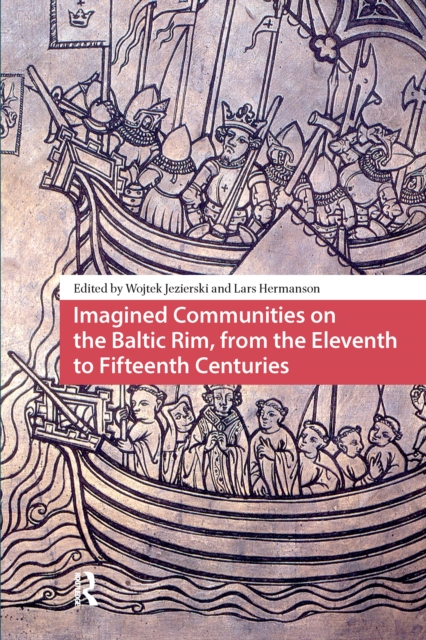
Prior to the high Middle Ages, the Baltic Rim was largely terra incognita-but by the late Middle Ages, it was home to diverse small and large communities.
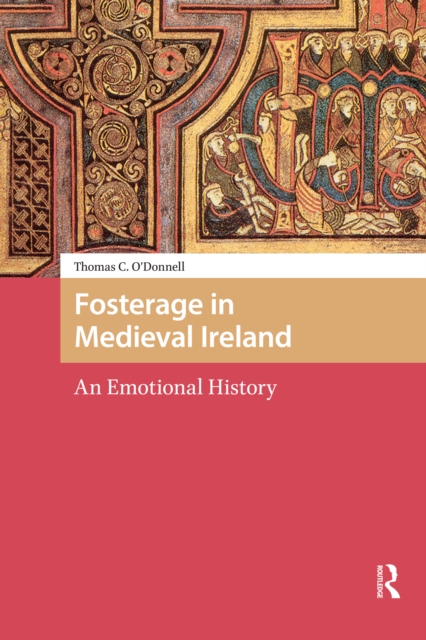
Fosterage was a central feature of medieval Irish society, yet the widespread practice of sending children to another family to be cared for until they reached adulthood is a surprisingly neglected topic.
The modern research university originated in Europe in the second half of the nineteenth century, largely due to the creation and expansion of the teaching and research laboratory.
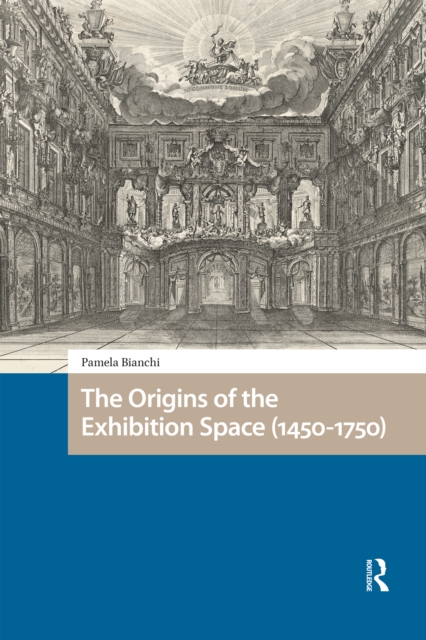
Before the first purpose-designed exhibition spaces and painting exhibitions emerged, showing art was mainly related to the habit of dressing up spaces for political commemorations, religious festivals, and marketing strategies.