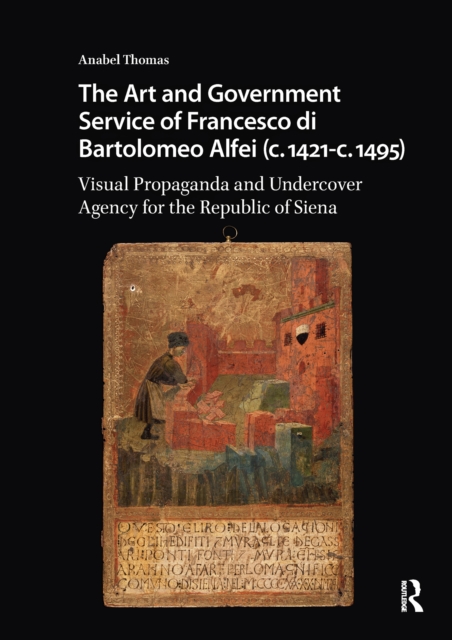
In 1454 the Sienese painter Francesco di Bartolomeo Alfei faced litigation from the Mercanzia in Siena for defaulting on a contract from one of the leading Franciscan confraternities in the city.
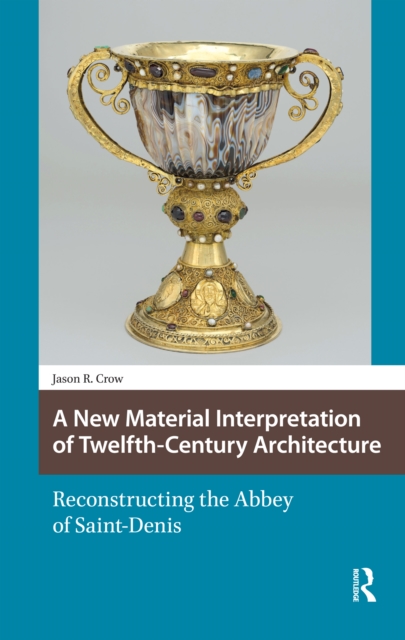
This first comprehensive overview of the process of commissioning and financing the construction of cathedrals in the Middle Ages reveals a financing system almost as monumental as the cathedrals themselves.
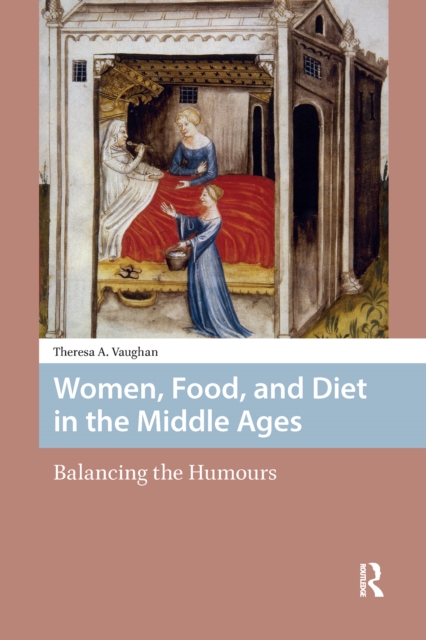
What can anthropological and folkloristic approaches to food, gender, and medicine tell us about these topics in the Middle Ages beyond the textual evidence itself?
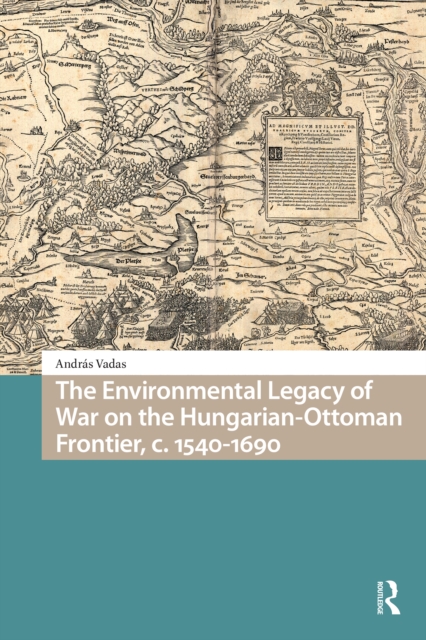
This book is the first monographic attempt to follow the environmental changes that took place in the frontier zone of the Ottoman Empire and the Kingdom of Hungary in the sixteenth and seventeenth centuries.
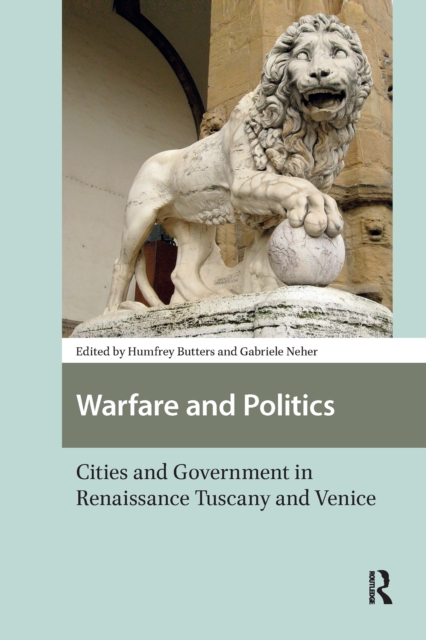
Warfare and Politics: Cities and Government in Renaissance Tuscany and Venice brings together a group of prominent contributors to consider the topics of government and warfare in Tuscany and Venice in the Renaissance.
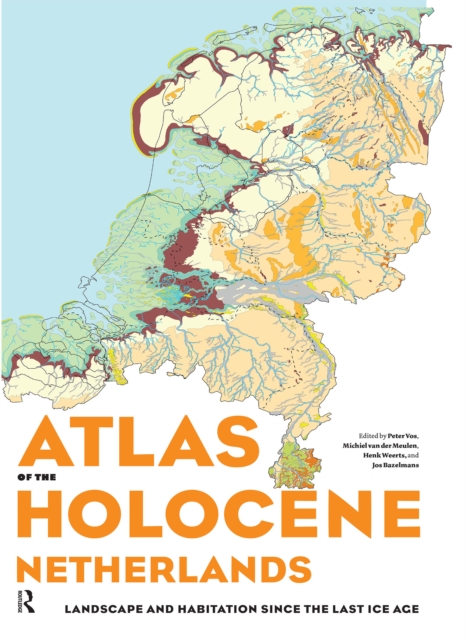
In Roman times, the area between the Lower Rhine and the Meuse in the present day province of South Holland in the Netherlands, was known as the administrative district of the community of the Cananefates (the civitas Cananefatium).
The vast transformation of the Roman world at the end of antiquity has been a subject of broad scholarly interest for decades, but until now no book has focused specifically on the Iberian Peninsula in the period as seen through an archaeological lens.
This is the first book to offer a translation into English-as well as a critical study-of a Spanish treatise written around 1650 by Rabbi Saul Levi Morteira, whose most renowned congregant was Baruch Spinoza.
This book reviews the role of British Foreign Secretaries in the formulation of British policy towards Japan from the re-opening of Japan in the middle of the nineteenth century to the end of the twentieth century.
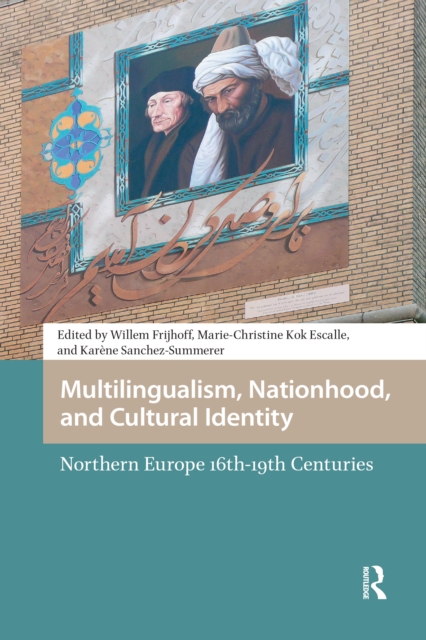
Before the modern nation-state became a stable, widespread phenomenon throughout northern Europe, multilingualism-the use of multiple languages in one geographical area-was common throughout the region.
Val Dufeu here reconstructs settlement patterns of fishing communities in Viking Age Iceland and proposes socio-economic and environmental models relevant to any study of the Vikings or the North Atlantic.
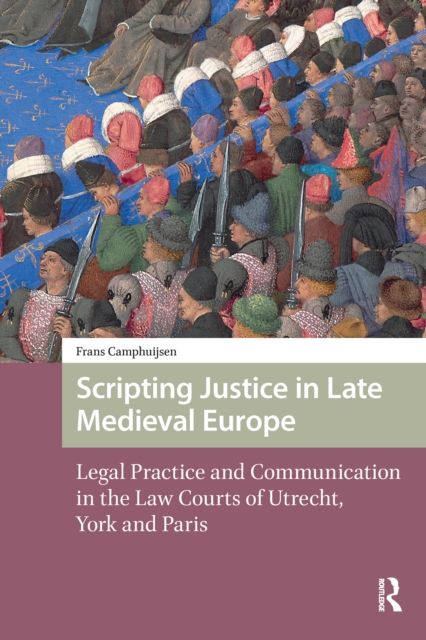
Late medieval societies witnessed the emergence of a particular form of socio-legal practice and logic, focused on the law court and its legal process.
In this survey of the Dutch political culture of the nineteenth and twentieth centuries, Piet de Rooy reveals that the 'polder model' often used to describe economic and social policymaking based on consensus is a myth.
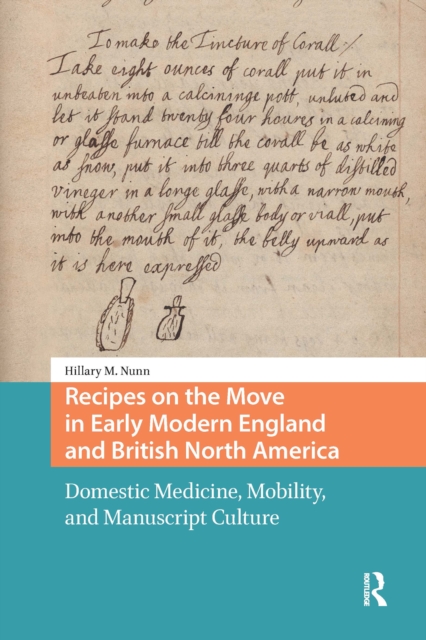
Using feminist and ecocritical approaches alongside recent historical work on early modern trade and commerce, this volume focuses on early modern manuscripts whose travels can be traced from one location to another.
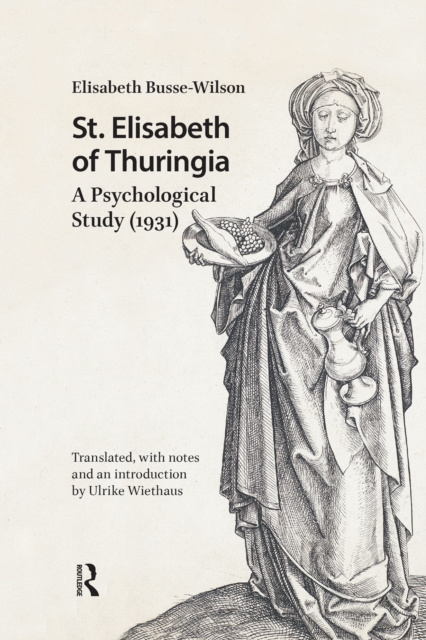
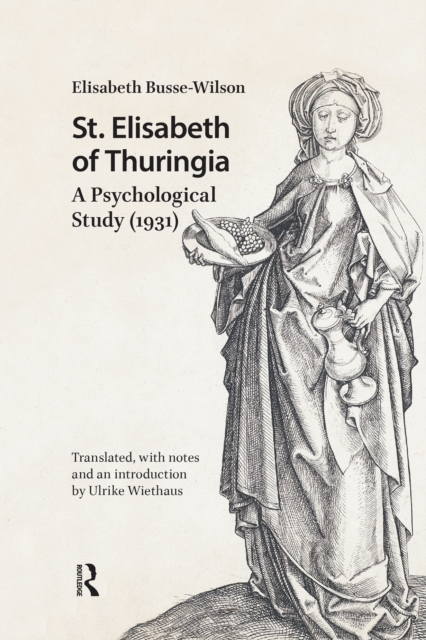
Only twelve years after German women had been granted voting rights, the German medievalist Elisabeth Busse-Wilson, a first-wave feminist activist and scholar, challenged centuries of silence about violence against women by taking on the case of the most famous European saint, the young Elisabeth of Thuringia (1207-1231).
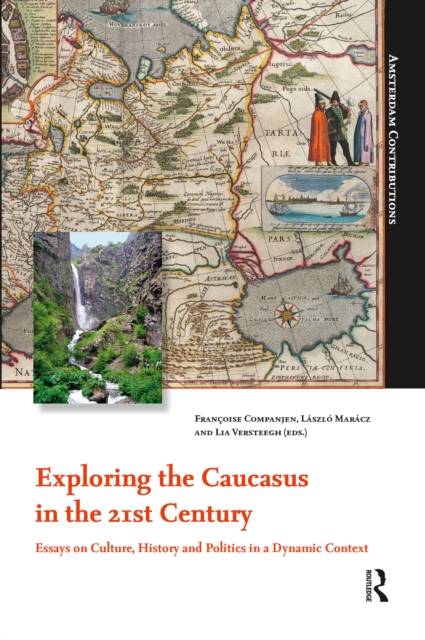
Although the name Caucasus has been around for some 2000 years, and may suggest unity and coherence, the region these days is best known for the ethnic and religious divides resulting in recurrent bloody conflicts between the various minorities and the post-Soviet independent states.
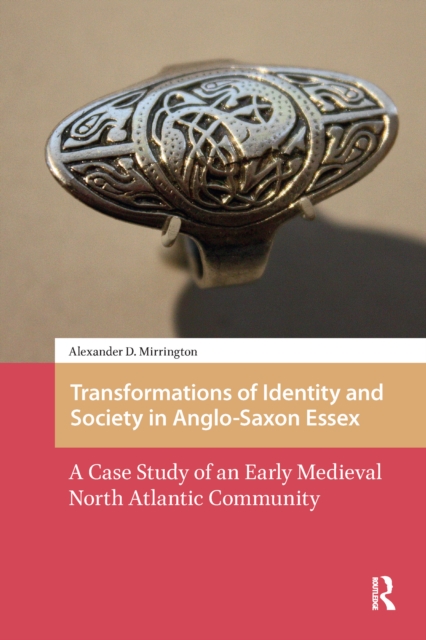
Transformations of Identity and Society in Anglo-Saxon Essex: A Case Study of an Early Medieval North Atlantic Community presents the results of a comprehensive archaeological study of early medieval Essex (c.
Only twelve years after German women had been granted voting rights, the German medievalist Elisabeth Busse-Wilson, a first-wave feminist activist and scholar, challenged centuries of silence about violence against women by taking on the case of the most famous European saint, the young Elisabeth of Thuringia (1207-1231).
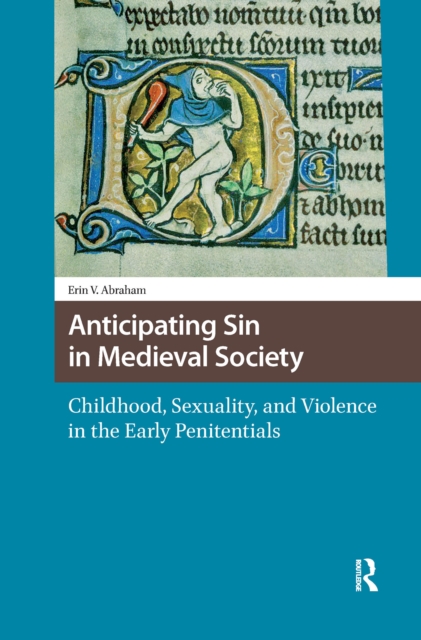
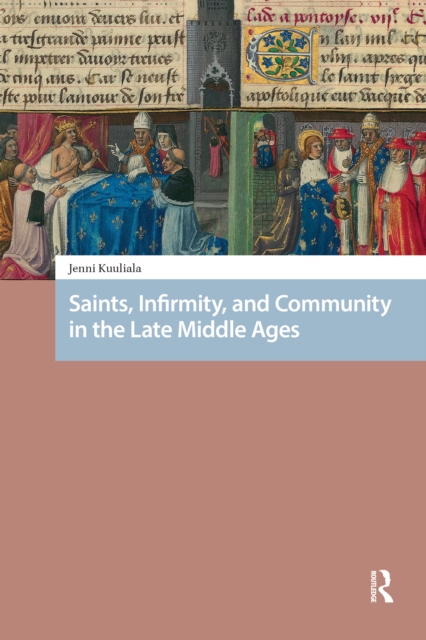
Bodily suffering and patient, Christlike attitudes towards that suffering were among the key characteristics of sainthood throughout the medieval period.