Through an examination of Dutch Reformed church records and theological texts, Kyle Dieleman explores the local dynamics of religious life in the early modern Dutch Republic.
Traditional scholarship on post-Roman western culture has tended to examine the ethnic identities of Goths, Franks, and similar groups while neglecting the Romans themselves, in part because modern scholars have viewed the concept of being Roman as one denoting primarily a cultural or legal affiliation.
This book is the first monographic attempt to follow the environmental changes that took place in the frontier zone of the Ottoman Empire and the Kingdom of Hungary in the sixteenth and seventeenth centuries.
Based on a collaboration between historians of Chinese and European politics, Political Communication in Chinese and European History, 800-1600 offers a first comprehensive overview of current research on political communication in middle-period European and Chinese history.
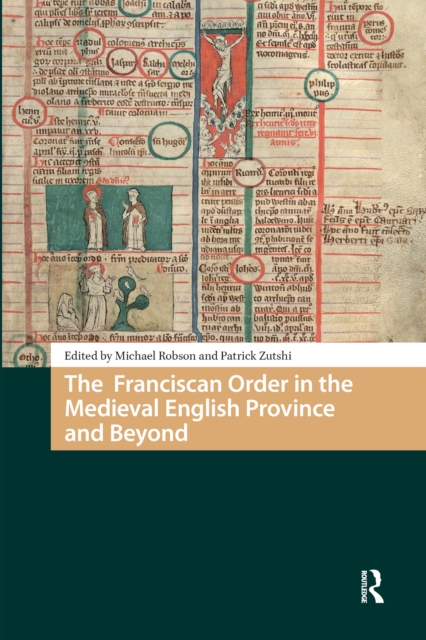
Commemorating John Moorman's immense contribution to Franciscan history across five decades, the essays in this collection reflect upon Moorman's diverse writings on biography, hagiography, history, art, and prosopography.
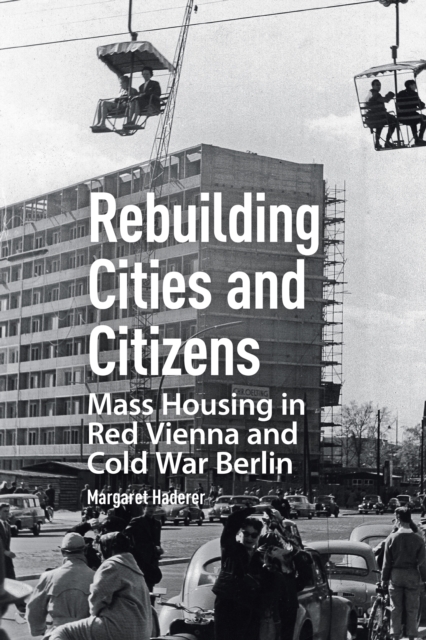
In Vienna after WWI and Berlin after WWII, the provision of mass housing not only was a response to a dire social need but also served as a key lever for building variants of socialism and liberalism.
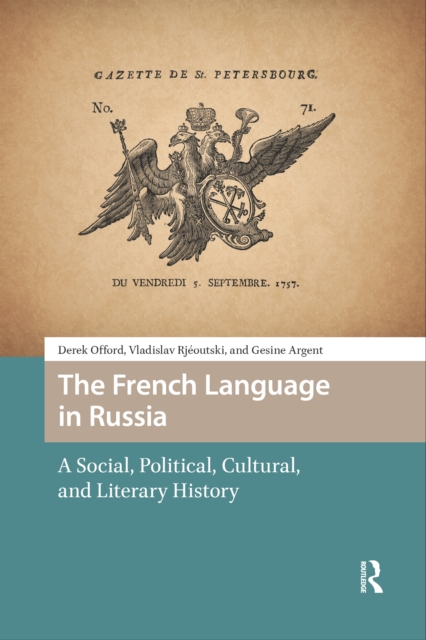
With support from the Arts and Humanities Research Council of the UK and the Deutsches Historisches Institut Moskau , The French Language in Russia provides the fullest examination and discussion to date of the adoption of the French language.
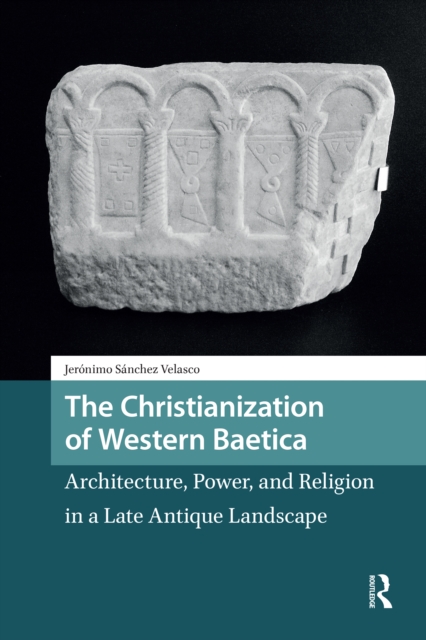
The replacement of the Roman Empire in the West with emerging kingdoms like Visigothic Spain and Merovingian Gaul resulted in new societies, but without major population displacement.
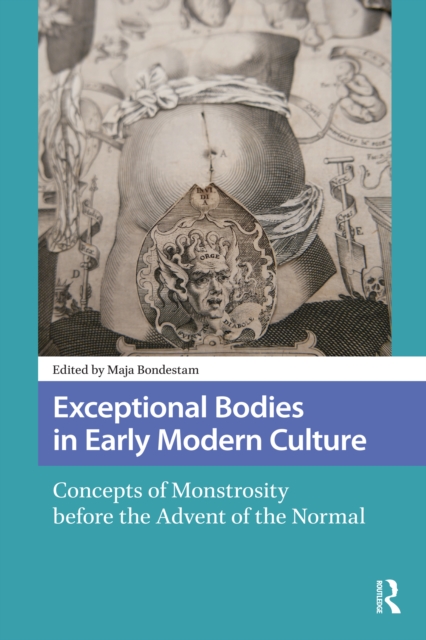
Drawing on a rich array of textual and visual primary sources, including medicine, satires, play scripts, dictionaries, natural philosophy, and texts on collecting wonders, this book provides a fresh perspective on monstrosity in early modern European culture.
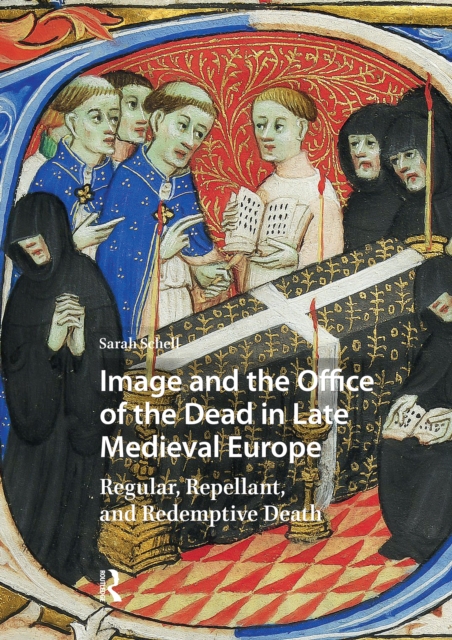
Image and the Office of the Dead in Late Medieval Europe explores the Office of the Dead as a site of interaction between text, image, and experience in the culture of commemoration that thrived in the fourteenth and fifteenth centuries.
This book considers for the first time the relationship between the river environment and the economic and political structures of northern Italy in the post-Roman period.
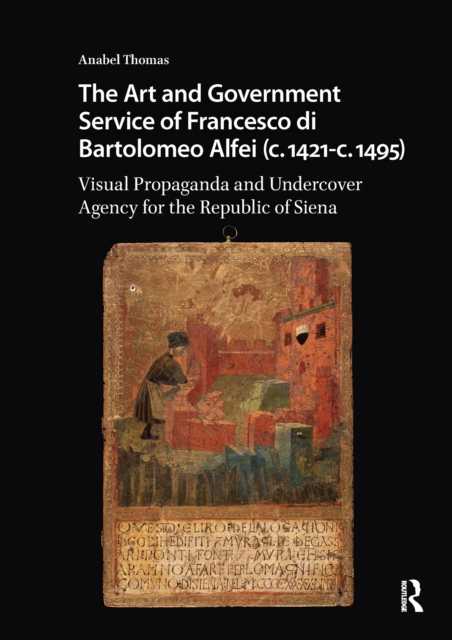
In 1454 the Sienese painter Francesco di Bartolomeo Alfei faced litigation from the Mercanzia in Siena for defaulting on a contract from one of the leading Franciscan confraternities in the city.
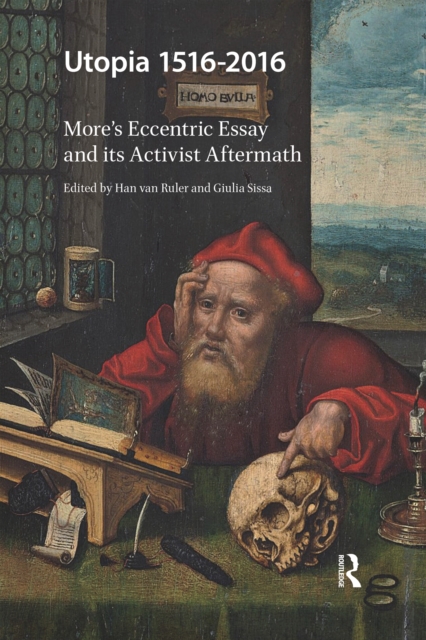
This year marks the five-hundredth anniversary of Thomas More's widely influential book Utopia, and this volume brings together a number of scholars to consider the book, its long afterlife, and specifically its effects on political activists over the centuries.
Guided by the romantic compass of Turner, Byron, and Ruskin, Victorian travellers to the Dolomites sketched in the mountainous backdrop of Venice a cultural 'Petit Tour' of global significance.
Commemorating John Moorman's immense contribution to Franciscan history across five decades, the essays in this collection reflect upon Moorman's diverse writings on biography, hagiography, history, art, and prosopography.
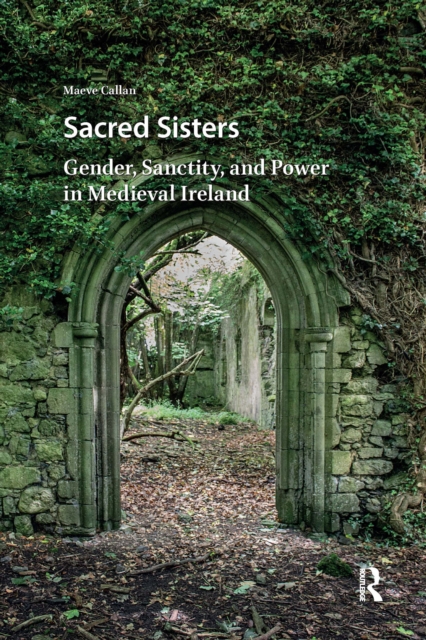
Sacred Sisters focuses on five saints: the four female Irish saints who have extant medieval biographies (Darerca, Brigid, Ite, and Samthann), and Patrick, whose writings -- fifth-century Ireland's sole surviving texts -- attest to the centrality of women in Irish Christianity's development.
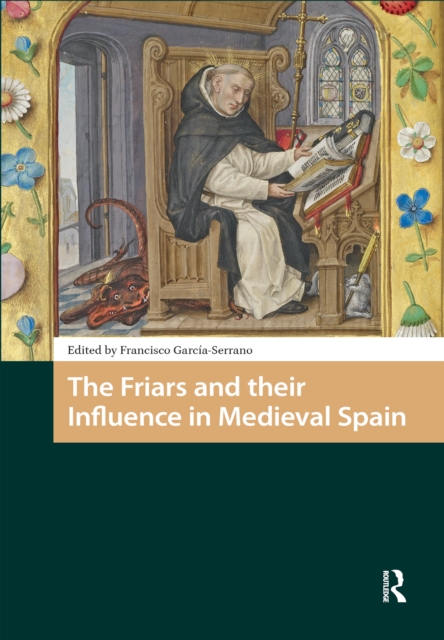
The mendicant friars, especially the Dominicans and the Franciscans, made an enormous impact in thirteenth-century Spain influencing almost every aspect of society.
The Lasting Significance of Etty Hillesum's Writings contains the proceedings of the third international Etty Hillesum Conference, held in Middelburg in September 2018.
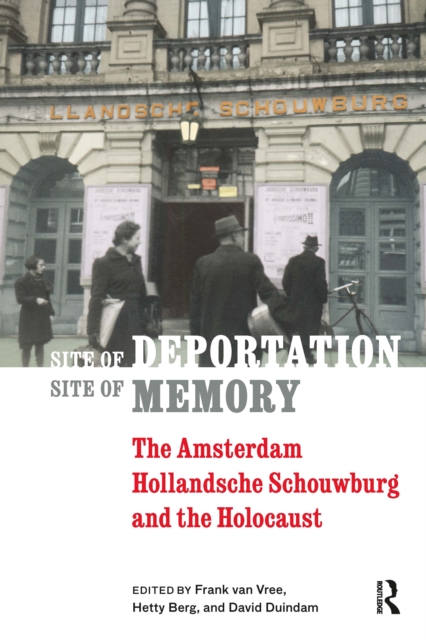
The Hollandsche Schouwburg is a former theatre in Amsterdam where, during the Nazi occupation of the Netherlands, tens of thousands of Jews were assembled before being deported to transit and concentration camps.
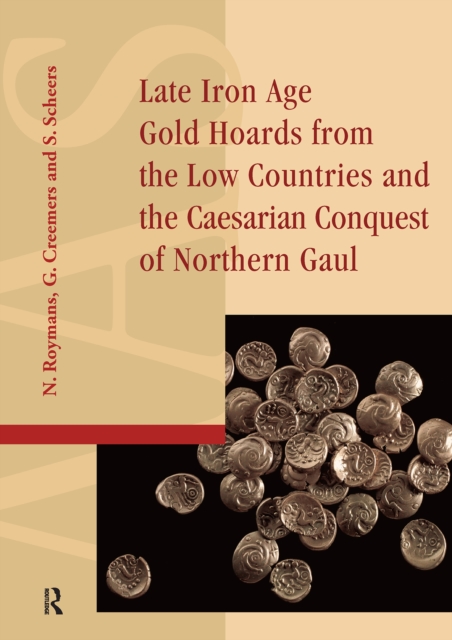
This volume presents eight new Iron Age gold hoards from the southern Netherlands and Belgium, consisting of gold coinages and in several cases also gold ornaments.
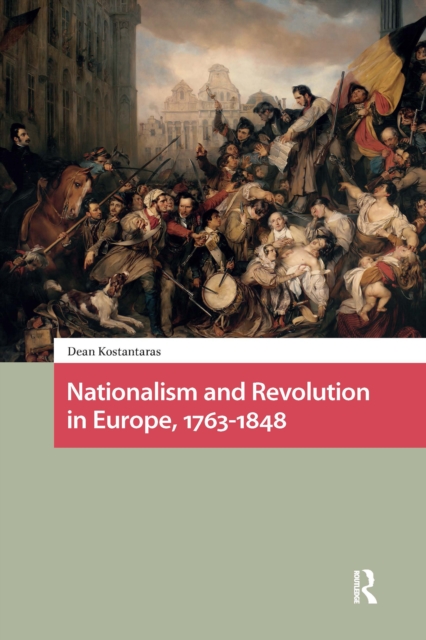
Nationalism and Revolution in Europe, 1763-1848 addresses enduring historiographical problems concerning the appearance of the first national movements in Europe and their role in the crises associated with the Age of Revolution.
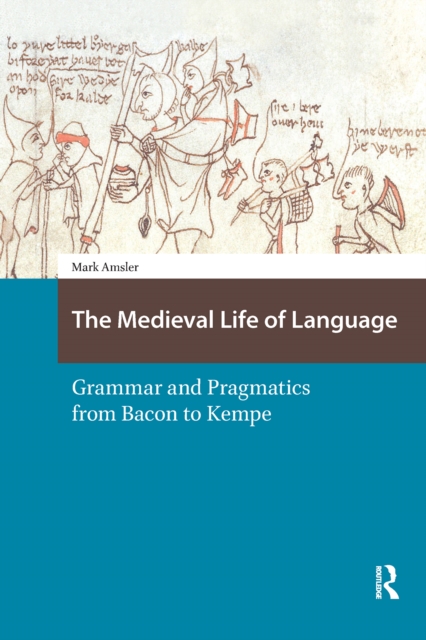
The Medieval Life of Language: Grammar and Pragmatics from Bacon to Kempe explores the complex history of medieval pragmatic theory and ideas and metapragmatic awareness across social discourses.
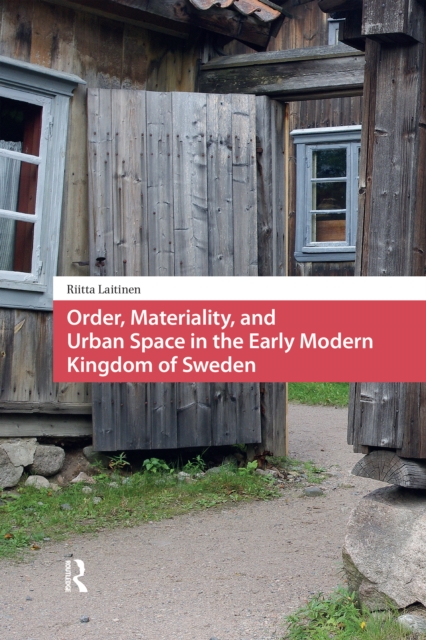
Our corporeality and immersion in the material world make us inherently spatial beings, and the fact that we all share everyday experiences in the global physical environment means that community is also spatial by nature.
This study of the Visigothic kingdom's monetary system in southern Gaul and Hispania from the fifth century through the Muslim invasion of Spain fills a major gap in the scholarship of late antiquity.
With support from the Arts and Humanities Research Council of the UK and the Deutsches Historisches Institut Moskau , The French Language in Russia provides the fullest examination and discussion to date of the adoption of the French language.
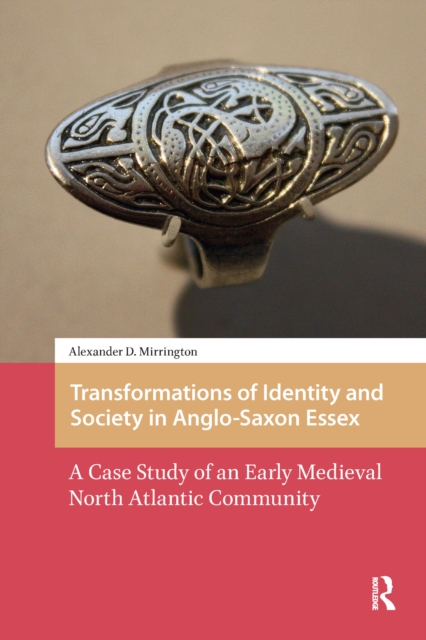
Transformations of Identity and Society in Anglo-Saxon Essex: A Case Study of an Early Medieval North Atlantic Community presents the results of a comprehensive archaeological study of early medieval Essex (c.
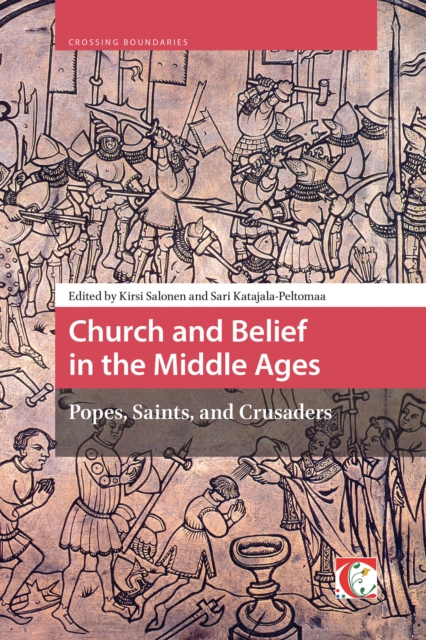
The roles of popes, saints, and crusaders were inextricably intertwined in the Middle Ages: papal administration was fundamental in the making and promulgating of new saints and in financing crusades, while crusaders used saints as propaganda to back up the authority of popes, and even occasionally ended up being sanctified themselves.