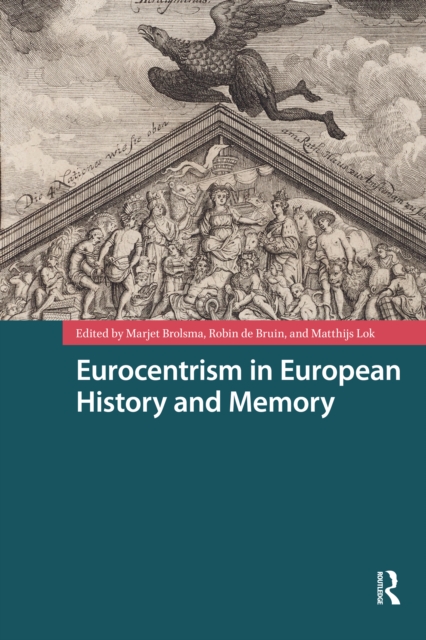
This book tells the history of the 'federal union', a concept that may be traced from the early Renaissance to the establishment of the European Coal and Steel Community (1951), the predecessor of today's European Union.
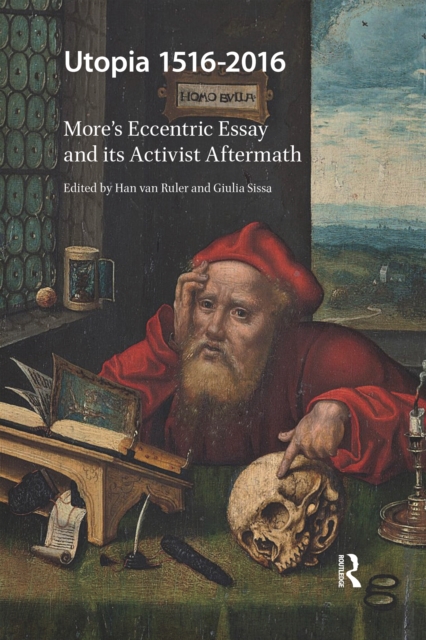
This year marks the five-hundredth anniversary of Thomas More's widely influential book Utopia, and this volume brings together a number of scholars to consider the book, its long afterlife, and specifically its effects on political activists over the centuries.
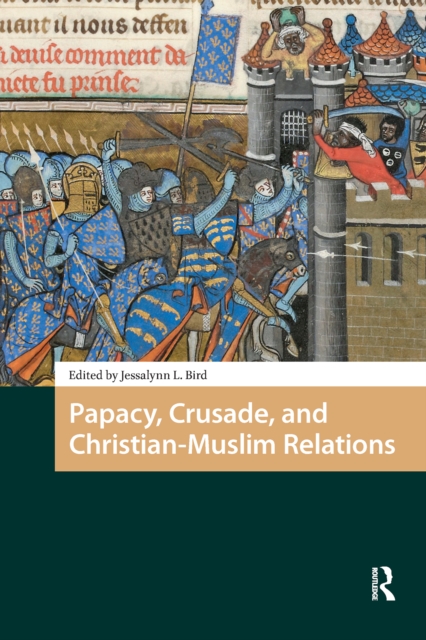
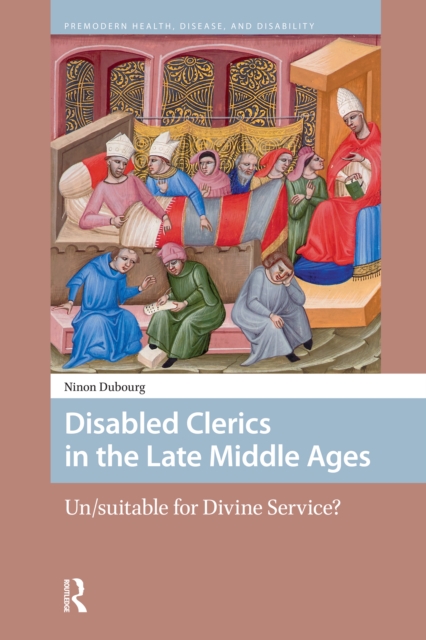
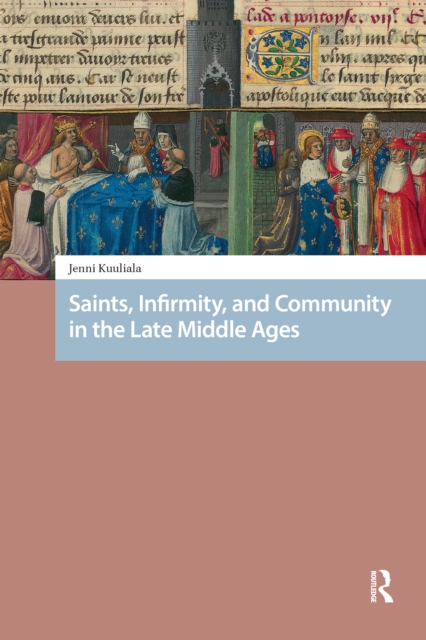
The petitions received and the letters sent by the Papal Chancery during the Late Middle Ages attest to the recognition of disability at the highest levels of the medieval Church.
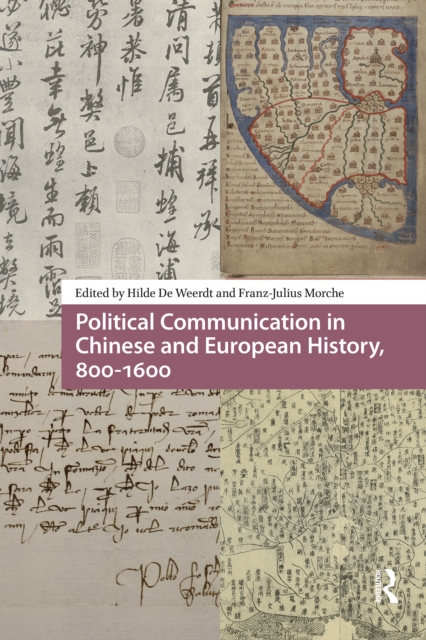
Based on a collaboration between historians of Chinese and European politics, Political Communication in Chinese and European History, 800-1600 offers a first comprehensive overview of current research on political communication in middle-period European and Chinese history.
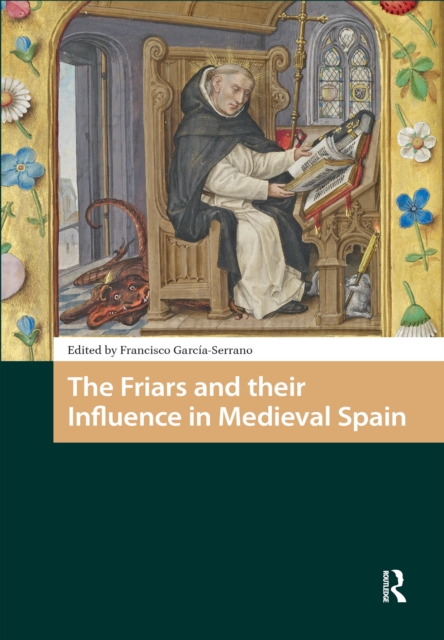
The mendicant friars, especially the Dominicans and the Franciscans, made an enormous impact in thirteenth-century Spain influencing almost every aspect of society.
Val Dufeu here reconstructs settlement patterns of fishing communities in Viking Age Iceland and proposes socio-economic and environmental models relevant to any study of the Vikings or the North Atlantic.
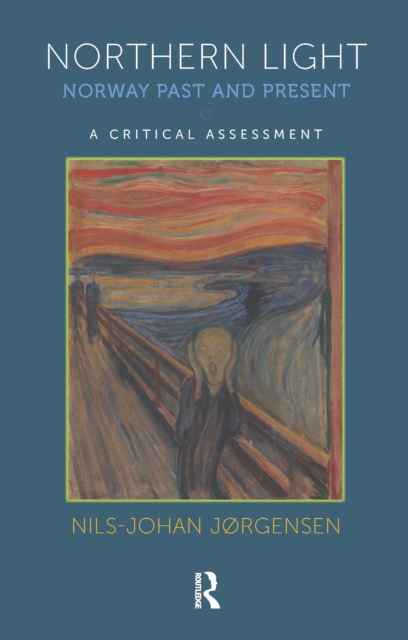
Here is a new, challenging appraisal of Norway, the author's country of birth, that redefines its history, culture and heritage - 'after Ibsen' - and looks, with a degree of ominous foreboding, at its future and the future of Europe.
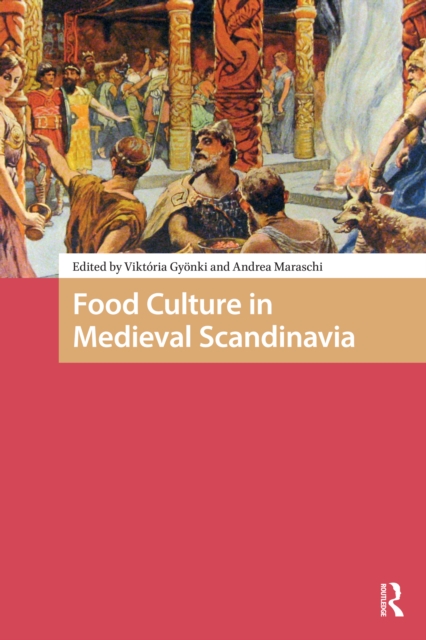
The making, eating, and sharing of food throughout society represents an important and exciting area of study with the potential to advance the field of scholarship, particularly in the context of Scandinavian Studies.
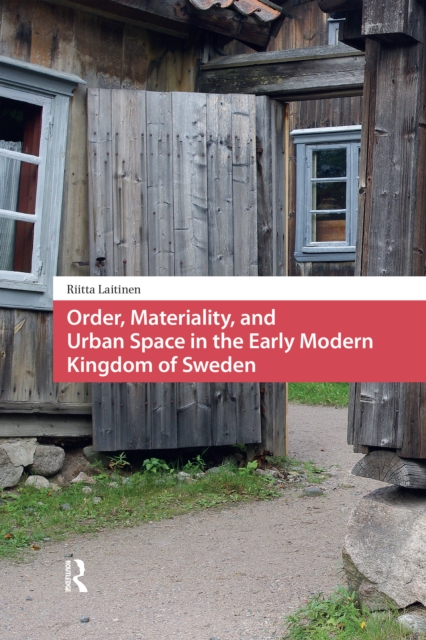
Our corporeality and immersion in the material world make us inherently spatial beings, and the fact that we all share everyday experiences in the global physical environment means that community is also spatial by nature.
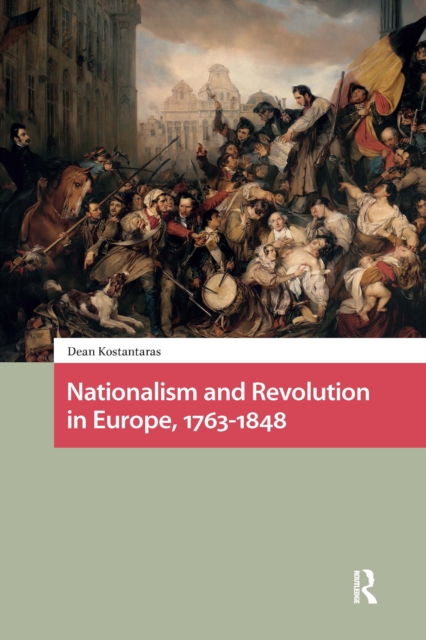
Nationalism and Revolution in Europe, 1763-1848 addresses enduring historiographical problems concerning the appearance of the first national movements in Europe and their role in the crises associated with the Age of Revolution.
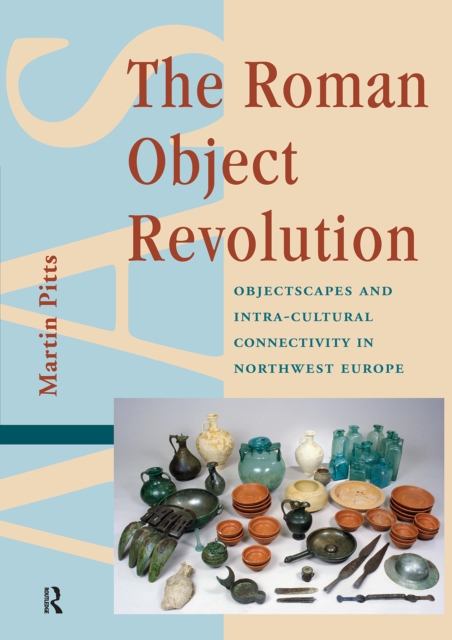
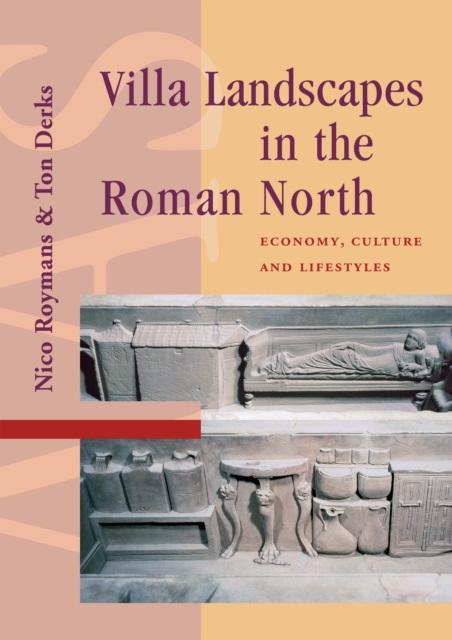
Archaeologists working in northwest Europe have long remarked on the sheer quantity and standardisation of objects unearthed from the Roman period, especially compared with earlier eras.
The Lasting Significance of Etty Hillesum's Writings contains the proceedings of the third international Etty Hillesum Conference, held in Middelburg in September 2018.
Bringing together sources from many countries and many centuries, this study critically analyses the growth of national thought and of nationalism - from medieval ethnic prejudice to the Romantic belief in a nation's 'soul'.
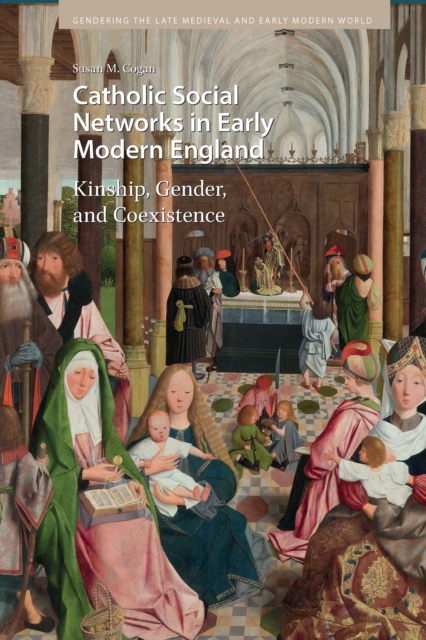
Catholic Social Networks in Early Modern England: Kinship, Gender, and Coexistence explores the lived experience of Catholic women and men in the post-Reformation century.
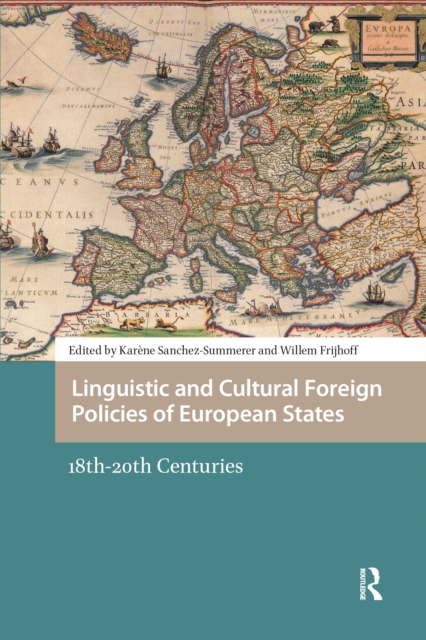
The policies relating to language pursued by European monarchies and states have been widely studied, but far less attention has been given to their linguistic and cultural policies in territories outside their own borders.
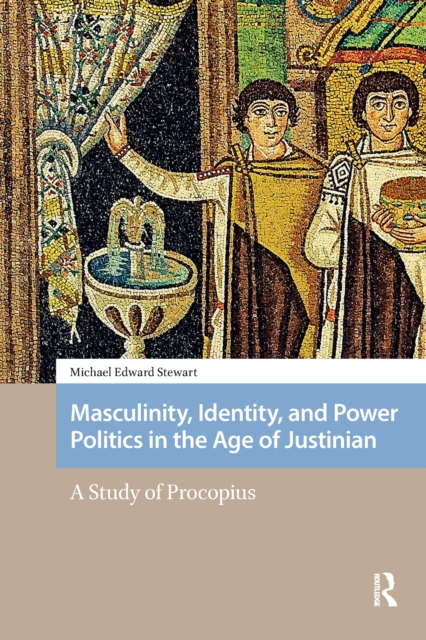
A generation of historians has been captivated by the notorious views on gender found in the mid-sixth century Secret History by the Byzantine historian Procopius of Caesarea.
This volume approaches three key concepts in Roman history - gender, memory and identity - and demonstrates the significance of their interaction in all social levels and during all periods of Imperial Rome.
This book approaches the manifestation and evolution of the idea of Rome as an expression of Roman patriotism and as an (urban) archetype of utopia in late Roman thought in a period extending from AD 357 to 417.
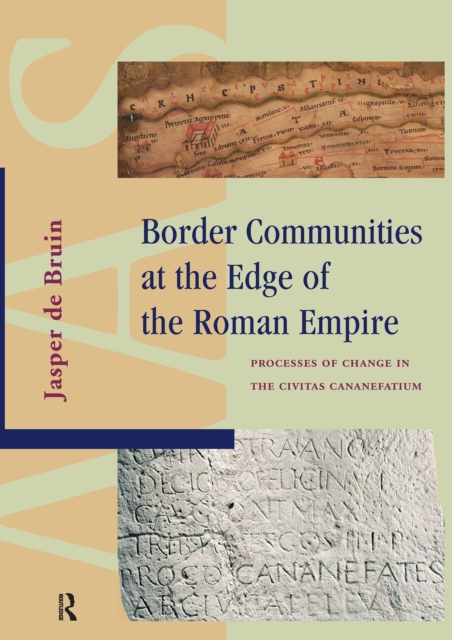
In Roman times, the area between the Lower Rhine and the Meuse in the present day province of South Holland in the Netherlands, was known as the administrative district of the community of the Cananefates (the civitas Cananefatium).
Here is a new, challenging appraisal of Norway, the author's country of birth, that redefines its history, culture and heritage - 'after Ibsen' - and looks, with a degree of ominous foreboding, at its future and the future of Europe.
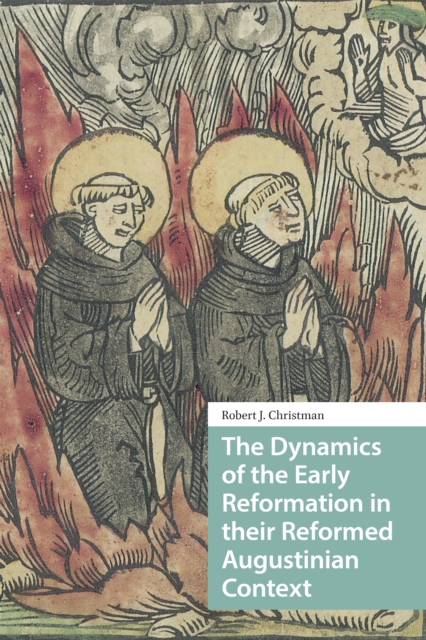
On 1 July 1523, Johann van den Esschen and Hendrik Voes, two Augustinian friars from Antwerp, were burned on the Grand Plaza in Brussels, thereby becoming the first victims of the Reformation.
Guided by the romantic compass of Turner, Byron, and Ruskin, Victorian travellers to the Dolomites sketched in the mountainous backdrop of Venice a cultural 'Petit Tour' of global significance.
This collection of essays from both established and emerging scholars analyses the dynamic connections between conflict and violence in medieval Italy.
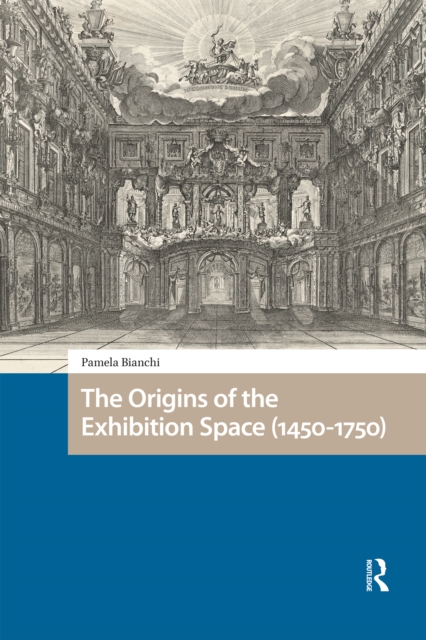
Before the first purpose-designed exhibition spaces and painting exhibitions emerged, showing art was mainly related to the habit of dressing up spaces for political commemorations, religious festivals, and marketing strategies.
Bodily suffering and patient, Christlike attitudes towards that suffering were among the key characteristics of sainthood throughout the medieval period.
Covering the entire European system and its relations with the East and America, this first global history of tolerance in early modern Europe describes how the ideal of tolerance and its realisation transformed both the religious and political life of the modern world.
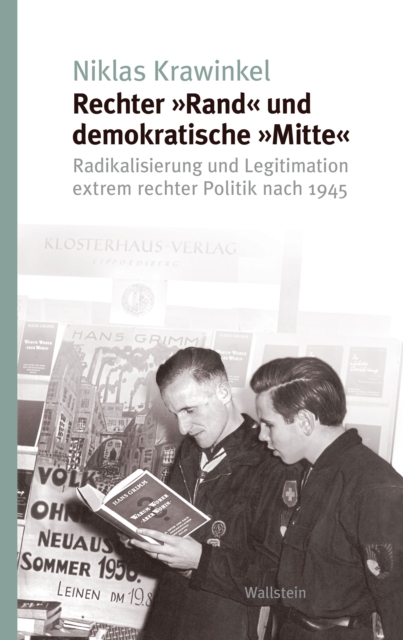
Trotz ihrer politischen Randständigkeit konnte die extreme Rechte in der Bundesrepublik immer wieder an gesellschaftlich breit akzeptierte Vorstellungen anknüpfen und dadurch an Einfluss gewinnen.