The book aims rethinking the cultural history of Mediterranean nationalisms between 19th and 20th centuries by tracing their specific approach to antiquity in the forging of a national past.
In National Poets, Cultural Saints Marijan Dovic and Jon Karl Helgason explore the ways in which certain artists, writers, and poets in Europe have become major figures of cultural memory, emulating the symbolic role formerly played by state rulers and religious saints.
In Rome, where strategies to re-establish Roman Catholic orthodoxy were formulated, the problem of how to deal with foreigners and particularly with 'heretics' coming from Northern Europe was an important priority throughout the early modern period.
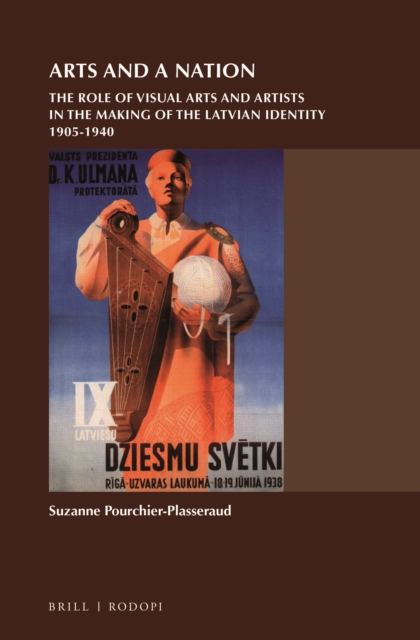
Focusing on the role of arts in the construction of national identity, Suzanne Pourchier-Plasseraud has chosen to study the case of a country lacking an ancient state history of its own, Latvia.
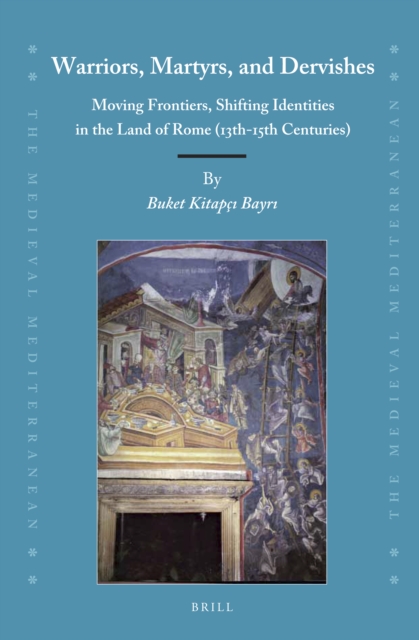
Warriors, Martyrs, and Dervishes: Moving Frontiers, Shifting Identities in the Land of Rome (13th-15th Centuries) focuses on the perceptions of geopolitical and cultural change, which was triggered by the arrival of Turkish Muslim groups into the territories of the Byzantine Empire at the end of the eleventh century, through intersecting stories transmitted in Turkish Muslim warrior epics and dervish vitas, and late Byzantine martyria.
Exploring the military, legal, social and literary aspects of ancient warfare, this study examines the multifaceted nature of the siege phenomenon in the Ancient Near East.