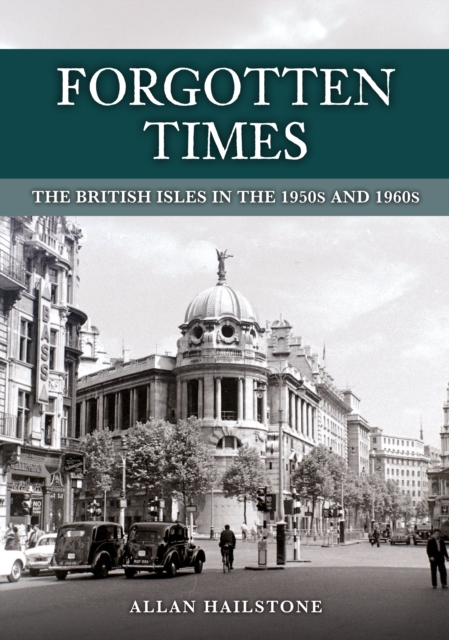
The 1950s and 1960s saw great change across the British Isles, but there were also huge variations in everyday life in the streets and countryside around the UK and Ireland at the time.
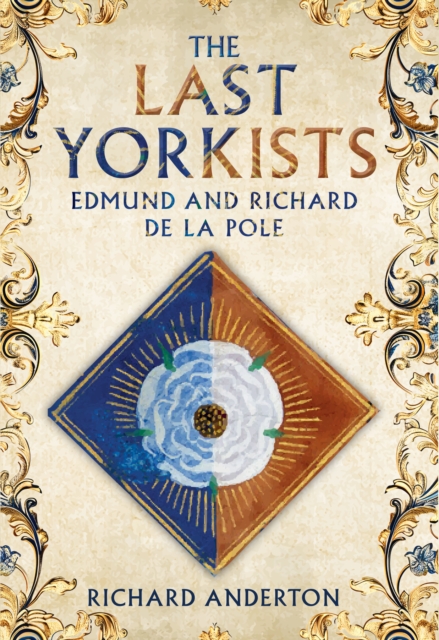
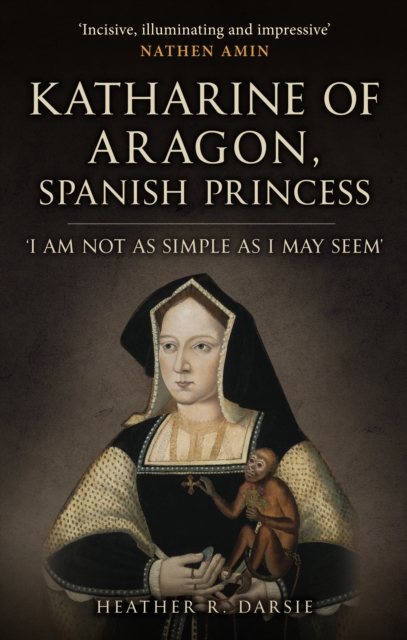
Edmund and Richard de la Pole were the last princes of the House of York to actively seek the English throne - their epic thirty year struggle against Henry VII and Henry VIII saw them plunged into a murderous maelstrom of international intrigue.
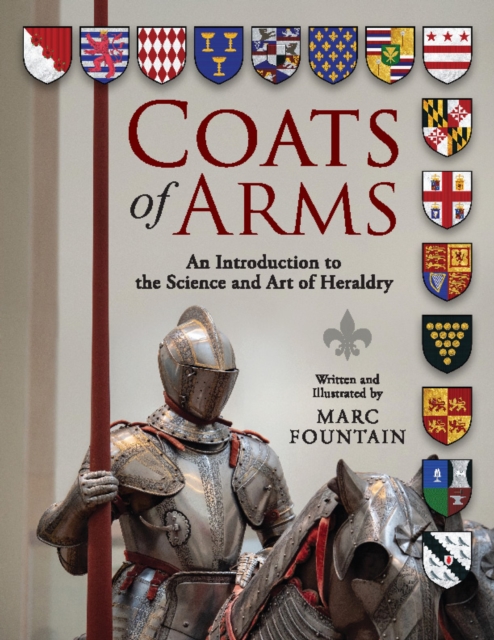
With full-color pages accessible to readers of any age, this how and why quick-start guide explains knighthood and nobility and royalty, what Coats of Arms mean, how to create your own, and how to assemble those of your ancestors.
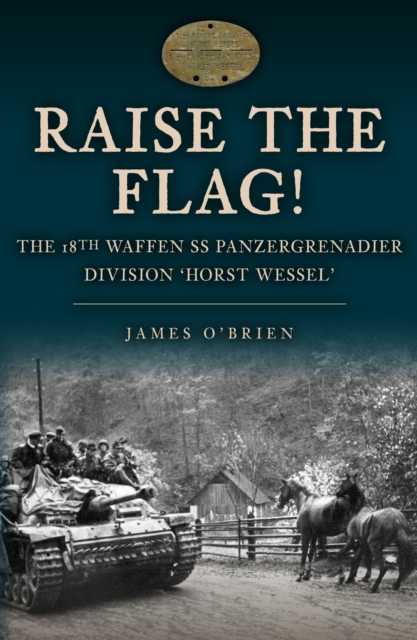
The Division was created as part of the 1944 expansion of the Waffen SS and was rooted in Hitler's policy of divide and rule that he implemented even among his closest confidants.
The role of monarchy in the development of the distinctive British political nation is a subject that has commanded much interest with reference to the nineteenth century, but recent consideration of the preceding period has not been so widespread.
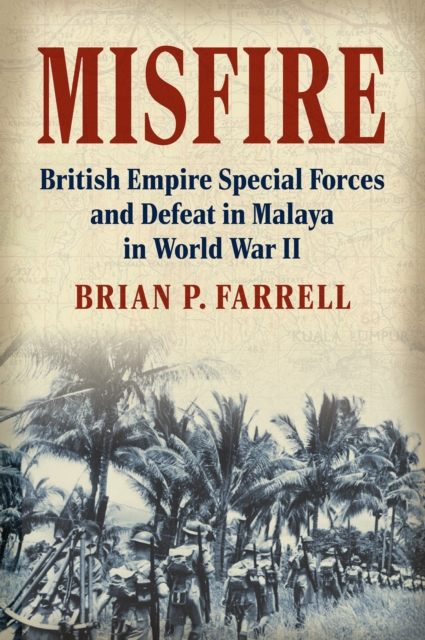
Second Runner Up: Templer MedalOf all the Allied strategic defensive campaigns in the first half of World War II, the fight to defend Malaya and Singapore provided perhaps the best chance to use special forces to wider effect.
As industrialization began to evolve in the early nineteenth century, engineers were urgently needed to integrate science into the field of construction.
As industrialization began to evolve in the early nineteenth century, engineers were urgently needed to integrate science into the field of construction.
This book fills a lacuna in the English-language literature dealing with Norway and the Holocaust by focusing on how Norwegian Jews, and those who facilitated their rescue, remembered the experience of their departure and passage across hostile territory to sanctuary in Sweden.
How did the evolution of new gunpowder weapons change the nature, structure and composition of the Florentine militias during the first decades of the sixteenth century?
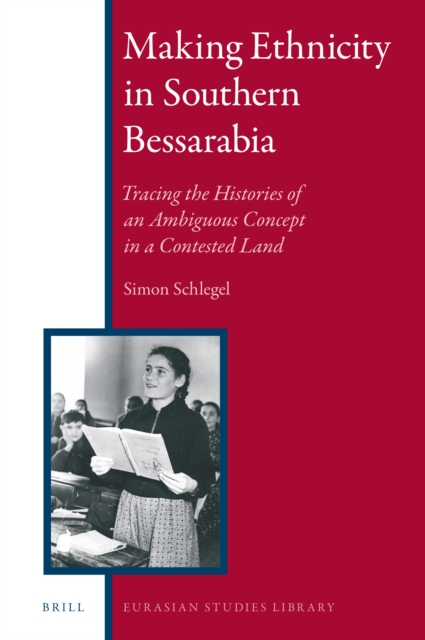
In Making Ethnicity, Simon Schlegel offers a history of ethnicity and its political uses in southern Bessarabia, a region that has long been at the crossroads of powerful forces: in the 19th century between the Russian and Ottoman Empires, since World War I between the Soviet Union and Romania, and since the collapse of the Soviet Union between Russia and the European Union's respective zones of influence.