This volume examines the growth of high-end literary pornographic productions that took place towards the final quarter of the nineteenth century and were largely published on the continent where control of production was lax.
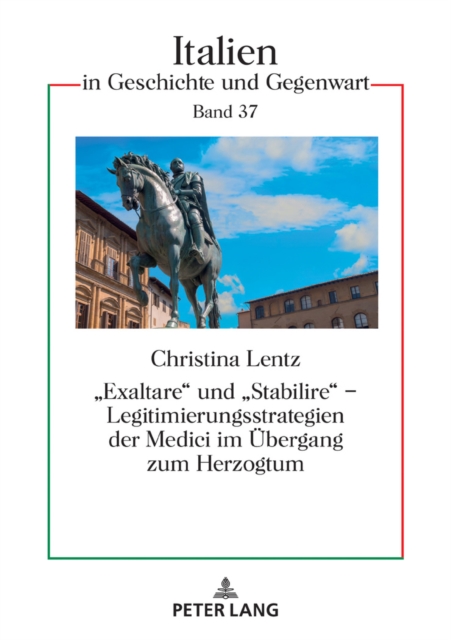
Die Autorin untersucht den Aufstieg der Medici, die durch geschicktes Agieren in den Bereichen «Territorium, Dynastie und Diplomatie sowie Memoria» zu «Herzögen der Republik» avancierten.
In this study of European American relations, originally published in 1984, the author demonstrates that many of the contentious issues of the 1980s have their origins in the roots of the 'Atlantic partnership' which emerged during the 1950s.
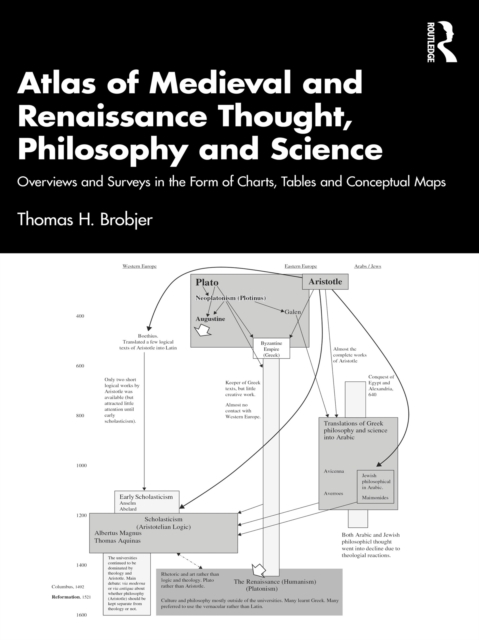
This conceptual Atlas of Medieval and Renaissance Thought, Philosophy and Science presents visual overviews, thematic outlines, surveys and summaries of the many thematic aspects of this long period of European intellectual history, c.
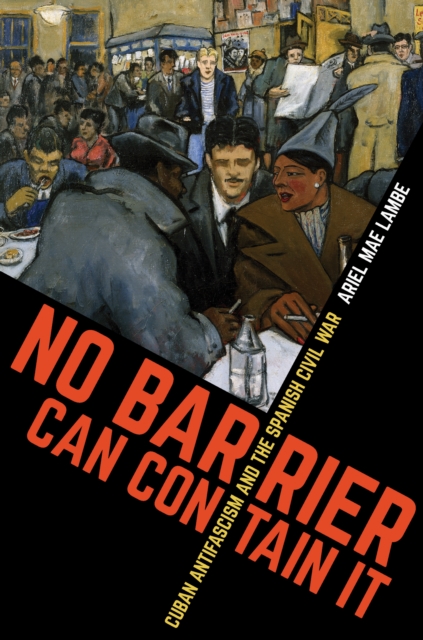
Vividly recasting Cubas politics in the 1930s as transnational, Ariel Mae Lambe has produced an unprecendented reimagining of Cuban activism during an era previously regarded as a lengthy, defeated lull.
Die Autorin untersucht den Aufstieg der Medici, die durch geschicktes Agieren in den Bereichen «Territorium, Dynastie und Diplomatie sowie Memoria» zu «Herzögen der Republik» avancierten.
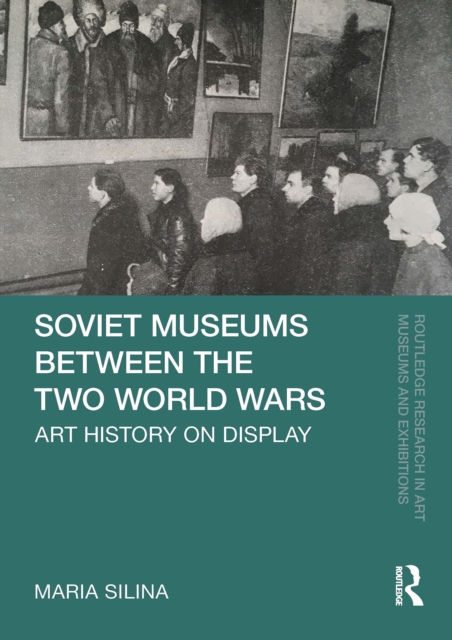
Examining the history of Soviet museums in the 1920s and 1930s, this book engages with the core problem of interwar museology: adequately representing the historical development of art to create a plausible and coherent version of its evolution.
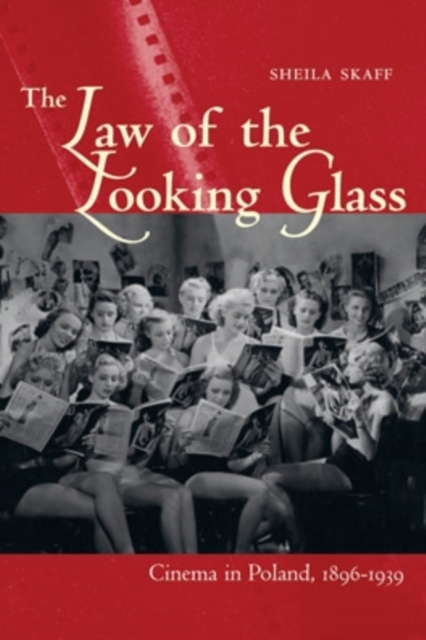
The Law of the Looking Glass: Cinema in Poland, 1896-1939 reveals the complex relationship between nationhood, national language, and national cinema in Europe before World War II.
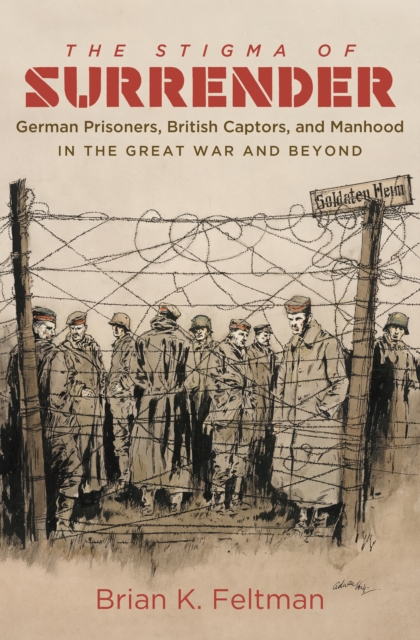
Approximately 9 million soldiers fell into enemy hands from 1914 to 1918, but historians have only recently begun to recognize the prisoner of wars significance to the history of the Great War.
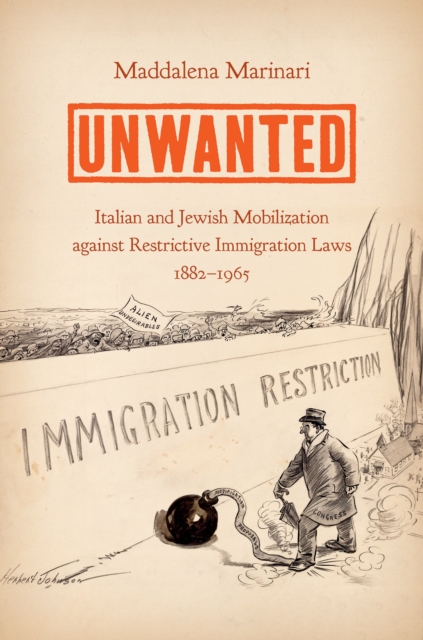
In the late nineteenth century, Italians and Eastern European Jews joined millions of migrants around the globe who left their countries to take advantage of the demand for unskilled labor in rapidly industrializing nations, including the United States.
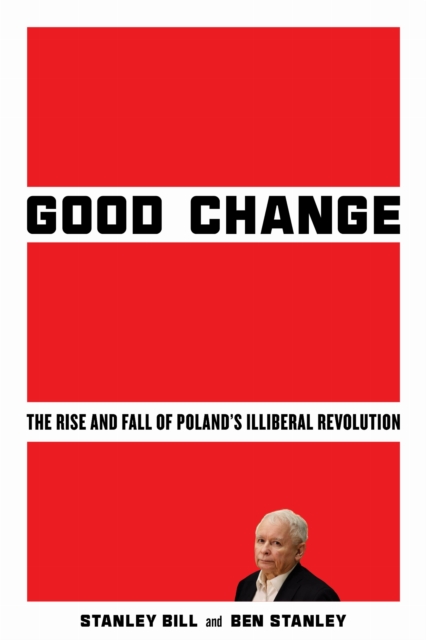
Few countries serve as a more useful case study for understanding the global tension between liberal and illiberal conceptions of democracy than Poland.
Vividly recasting Cubas politics in the 1930s as transnational, Ariel Mae Lambe has produced an unprecendented reimagining of Cuban activism during an era previously regarded as a lengthy, defeated lull.
In the late nineteenth century, Italians and Eastern European Jews joined millions of migrants around the globe who left their countries to take advantage of the demand for unskilled labor in rapidly industrializing nations, including the United States.
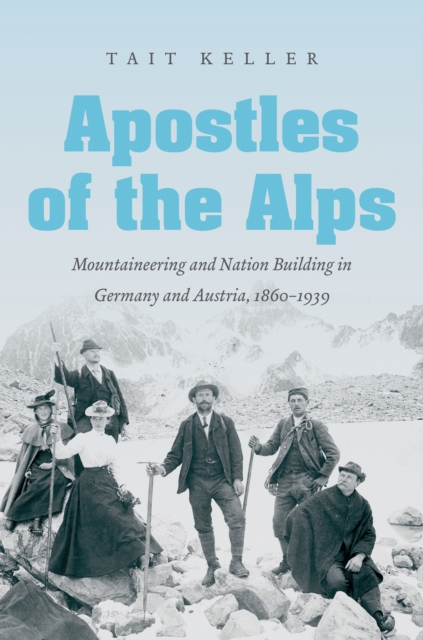
Though the Alps may appear to be a peaceful place, the famed mountains once provided the backdrop for a political, environmental, and cultural battle as Germany and Austria struggled to modernize.
This comparative history of the higher education systems in Poland, East Germany, and the Czech lands reveals an unexpected diversity within East European stalinism.
Approximately 9 million soldiers fell into enemy hands from 1914 to 1918, but historians have only recently begun to recognize the prisoner of wars significance to the history of the Great War.