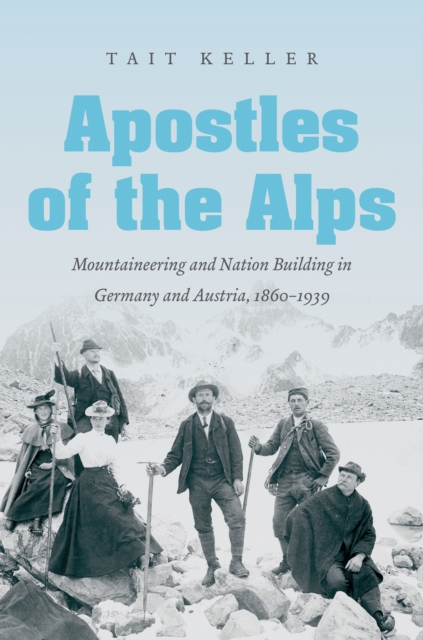
Though the Alps may appear to be a peaceful place, the famed mountains once provided the backdrop for a political, environmental, and cultural battle as Germany and Austria struggled to modernize.
This comparative history of the higher education systems in Poland, East Germany, and the Czech lands reveals an unexpected diversity within East European stalinism.
Examining the history of Soviet museums in the 1920s and 1930s, this book engages with the core problem of interwar museology: adequately representing the historical development of art to create a plausible and coherent version of its evolution.
Set within the complex social world of Hospitaller Malta, this book explores how early modern Mediterranean childhood was understood, regulated, and experienced.
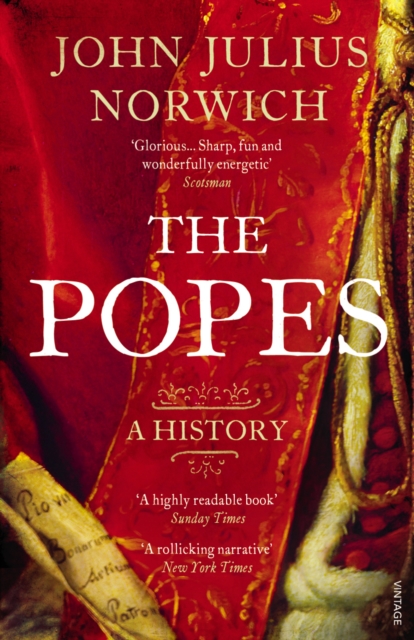
John Julius Norwich expertly examines the history of the oldest continuing institution in the world, tracing the papal line down the centuries from St Peter to the presentOf the 280-odd holders of the supreme office, some have unquestionably been saints; others have wallowed in unspeakable immorality.
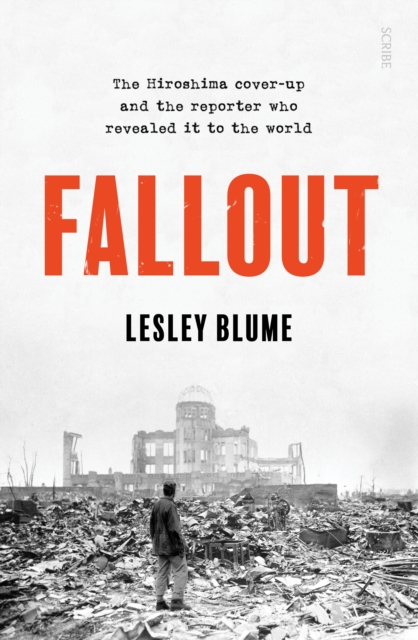
ONE OF THE NEW YORK TIMES'S 100 NOTABLE BOOKS OF 2020ONE OF VANITY FAIR'S BEST BOOKS OF 2020New York Times bestselling author Lesley Blume reveals how a courageous reporter uncovered one of the greatest and deadliest cover-ups of the 20th century the true effects of the atom bomb potentially saving millions of lives.
A TLS and Prospect Book of the YearFrom the New York Times bestselling author of The Romanov Sisters comes the story of the Russian aristocrats, artists, and intellectuals who sought freedom and refuge in the City of Light.
The extraordinary true story of how three women - a fascist's daughter, a German spy, and an American socialite - raced against Hitler's SS to get key evidence into the hands of the Allies.
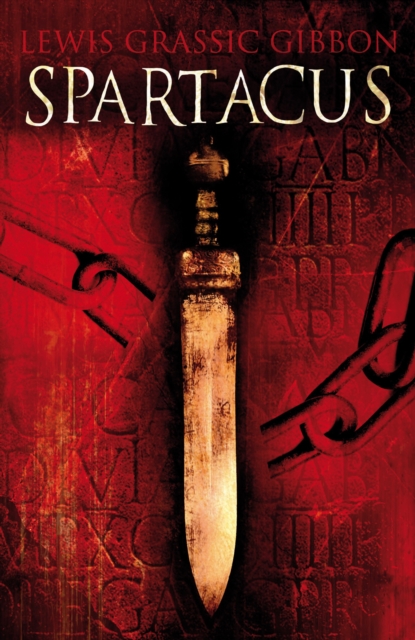
The uprising of the slaves against the Romans in 73 BC, led by the gladiator Spartacus, has been an inspiration to generations of people who have stood up against oppression.
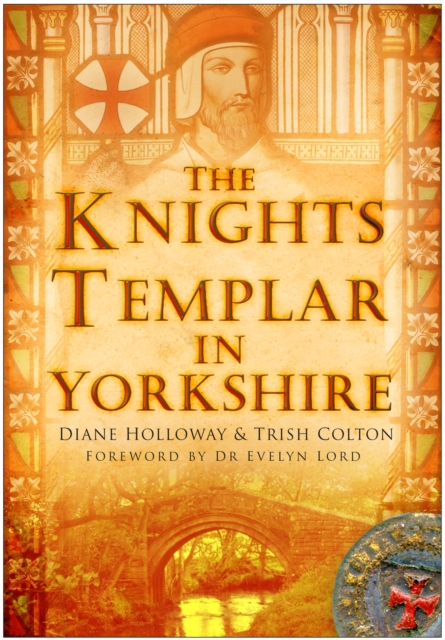
The Knights Templar, a mysterious fraternity of warrior monks, pledged their swords to defend pilgrims to the Holy Land from the bandits and marauders of the roads.
One of the most charismatic and enigmatic personalities of the High Middle Ages, Edward the 'Black Prince' commanded an English division at the battle of Crecy when just sixteen years old.
The incredible story of Marco Polo's journey to the ends of the earth has for the last seven hundred years been beset by doubts as to its authenticity.
To Victorian visitors, Ireland was a world of extremes - luxurious country houses to one-room mud cabins (in 1841 40% of Irish housing was the latter).
Cardinal Wolsey is a controversial figure: a butcher's son, a man of letters and the Church, a divisive political expert, a man of principle - yet, to some, an arrogant upstart.
This book examines merchant networks from the unique perspective of moving backward in time from a specific outcome-the founding of an American commission house in Brazil in the early 1800s-to uncover a century-and-a-half's worth of the transnational networking that led to its existence.
In this study of European American relations, originally published in 1984, the author demonstrates that many of the contentious issues of the 1980s have their origins in the roots of the 'Atlantic partnership' which emerged during the 1950s.
Warum zwingen wir uns jedes Jahr im Frühling dazu, unsere inneren biologischen Uhren brutal um eine Stunde vorzustellen, obwohl fast die gesamte medizinische Welt vor den gesundheitlichen Schäden dieser Rhythmusstörung warnt?
How can a towering, state-of-the-art offshore oil rig, designed to withstand the most brutal marine environments on earth, suddenly snap and capsize in a matter of twenty minutes?
Wer schleicht sich tagelang auf einem extrem abgelegenen, eingeschneiten bayerischen Bauernhof ein, lebt unbemerkt auf dem Dachboden, um schließlich die gesamte sechsköpfige Familie samt der neuen Dienstmagd einzeln mit einer Kreuzhacke zu erschlagen – nur um danach noch tagelang seelenruhig auf dem Hof zu bleiben und die Kühe zu füttern?
Wie organisiert man eine massive politische Protestkundgebung für Demokratie und Meinungsfreiheit in einem extrem repressiven, absolutistischen Polizeistaat, in dem jede Versammlung sofort vom Militär niedergeknüppelt wird?
The Leaning Tower of Pisa is globally celebrated as a marvel of medieval architecture, but its creation was actually a slow-motion catastrophe driven by human error, political warfare, and fundamentally flawed soil mechanics.
Wie kann der Direktor einer winzigen Regionalbank im österreichischen Burgenland fast drei Jahrzehnte lang völlig unbehelligt Bilanzen fälschen, fiktive Millionenbeträge erfinden und mit dem gestohlenen Geld den lokalen Fußballverein in die Bundesliga kaufen?
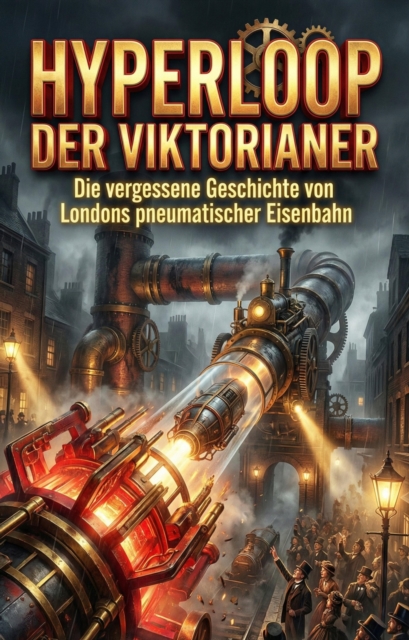
Lange bevor Elon Musk die Idee eines Vakuum-Tunnelsystems für den Nahverkehr vorstellte, wagte das viktorianische London ein Experiment von atemberaubender Kühnheit.
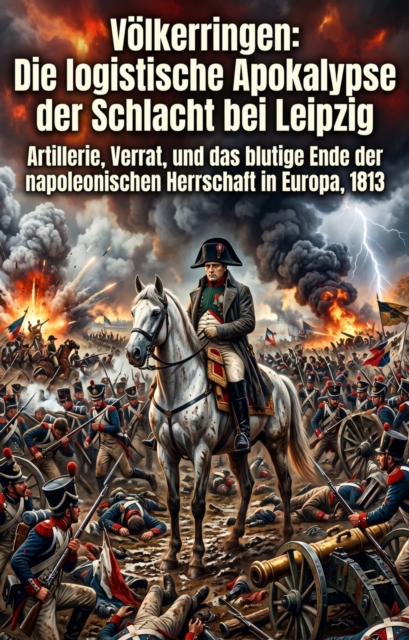
Wie versorgt, manövriert und koordiniert man eine halbe Million Soldaten und Tausende von Kanonen auf einem einzigen Schlachtfeld, lange bevor es Eisenbahnen oder Telegrafen gab?
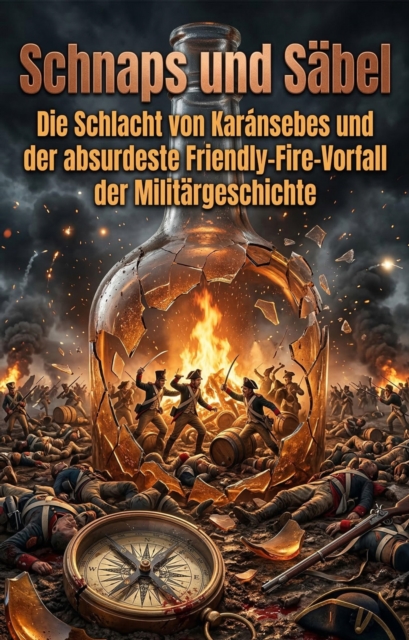
Die osmanische Armee marschierte im September 1788 auf die strategisch wichtige Stadt Karánsebes zu, bereit für eine entscheidende Schlacht gegen die gewaltigen Truppen des österreichischen Kaiserreichs.
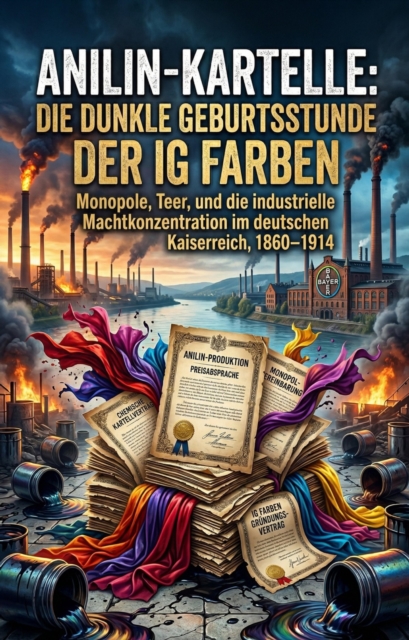
Als englische Textilmanufakturen die Welt mit Massenware fluteten, nutzte das deutsche Kaiserreich eine scheinbar wertlose Substanz, um ein neues industrielles Imperium zu errichten: den übelriechenden Steinkohlenteer.
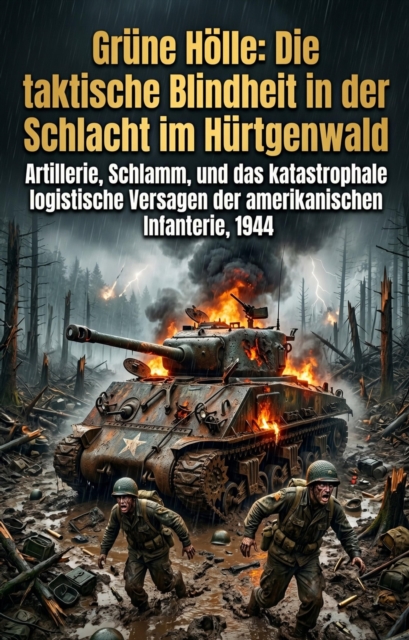
Warum schickt die mächtigste und am besten ausgerüstete Armee der Welt zehntausende Soldaten in einen völlig undurchdringlichen, stark verteidigten deutschen Märchenwald, anstatt ihn einfach weiträumig zu umgehen?
Wie bringt man einen hochangesehenen Universitätsprofessor dazu, seine eigene Karriere und sein gesamtes akademisches Lebenswerk öffentlich und unwiderruflich zu zerstören?
Was passiert mit dem Fundament einer parlamentarischen Demokratie, wenn plötzlich herauskommt, dass fast die gesamte politische Elite des Landes über Jahrzehnte hinweg heimlich von einem einzigen milliardenschweren Industriekonzern finanziert und gesteuert wurde?
Was passiert, wenn eine Dorfgemeinschaft aus reiner Gier den Berg, unter dem sie schläft, systematisch und ohne jeglichen geologischen Sachverstand aushöhlt, bis die physikalischen Gesetze der Schwerkraft unweigerlich zurückschlagen?
Seven years before the Hindenburg burst into flames, the British Empire experienced its own apocalyptic airship catastrophe, one driven entirely by political arrogance, rushed engineering, and the highly flammable reality of hydrogen gas.