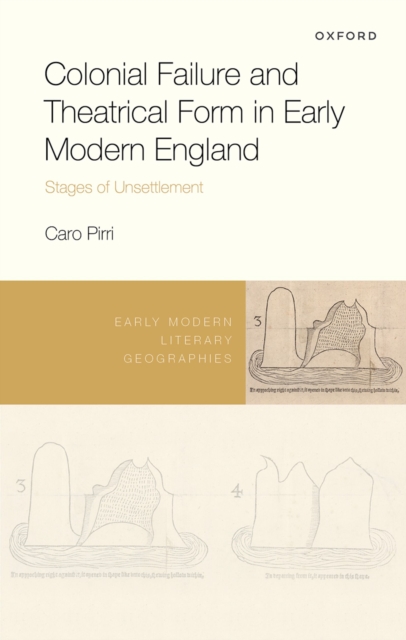
Colonial Failure and Theatrical Form in Early Modern England shows how early modern English dramatists preserved and instrumentalized the early history of England's failed conquests of the Americas in the formal techniques they used to stage fictional worlds.
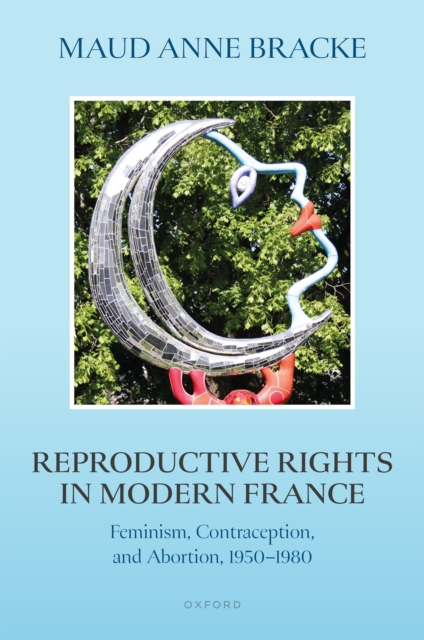
The introduction of the principle of women's reproductive liberty in France, tentatively by the family planning movement after 1960 and explicitly by the women's liberation movement after 1970, marked a deep shift, transforming public discourses.
Decoloniality has emerged as one of the most prominent subjects of public and academic debates of our time, bringing to the fore the post-colonial perspectives of previously underrepresented groups.
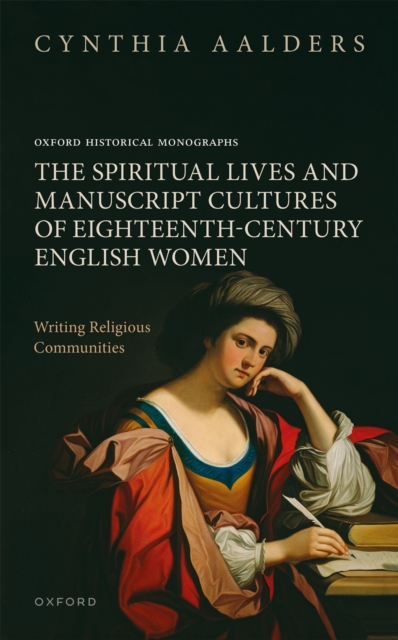
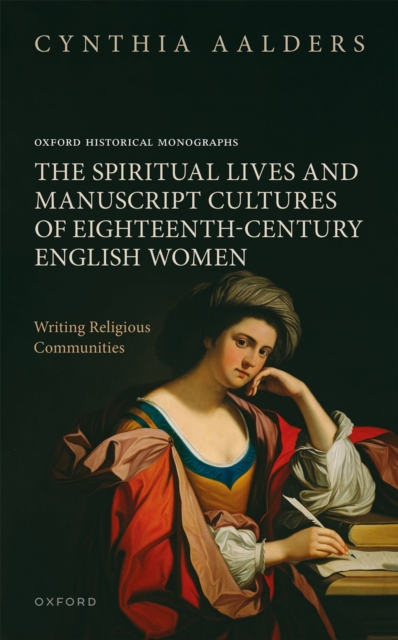
The Spiritual Lives and Manuscript Cultures of Eighteenth-Century English Women explores the vital and unexplored ways in which women's life writings acted to undergird, guide, and indeed shape religious communities.
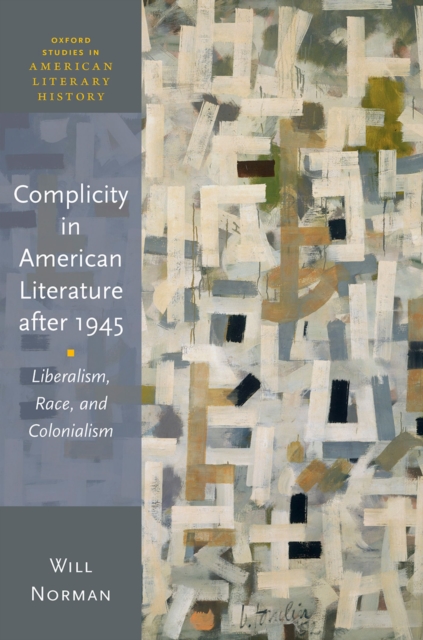
Complicity in American Literature after 1945 offers a literary and intellectual history of the idea of complicity in the United States, proposing a new frame for understanding American literature in the period.
While humanists agreed on identifying the main requirement of the historical genre with truthfulness, they disagreed on their notions of historical truth.
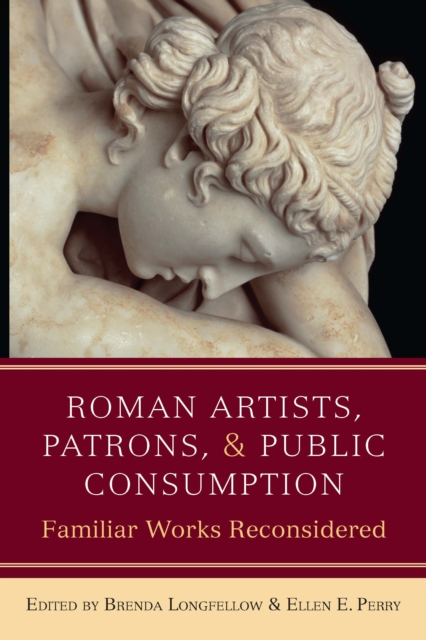
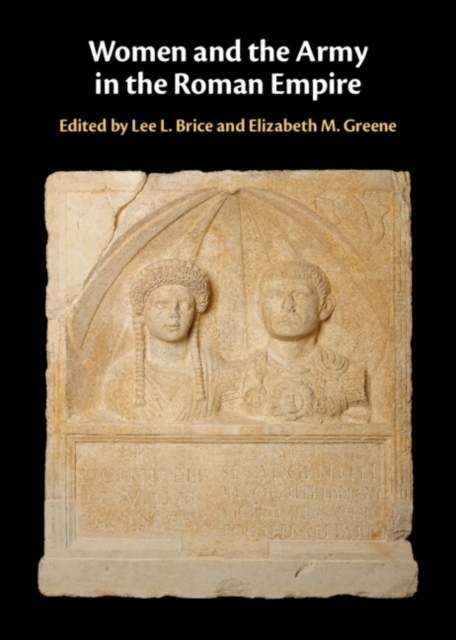
In recent decades, the study of Roman art has shifted focus dramatically from issues of connoisseurship, typology, and chronology to analyses of objects within their contemporary contexts and local environments.
The introduction of the principle of women's reproductive liberty in France, tentatively by the family planning movement after 1960 and explicitly by the women's liberation movement after 1970, marked a deep shift, transforming public discourses.
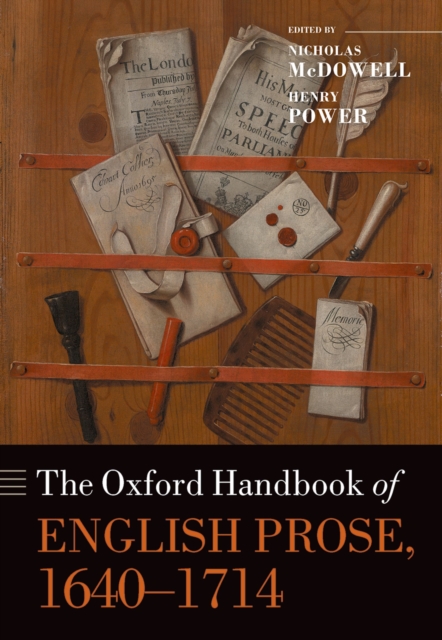
The Oxford Handbook of English Prose, 1640-1714 is the most wide-ranging overview available of prose writing in English during one of the most tumultuous periods in British and Irish history.
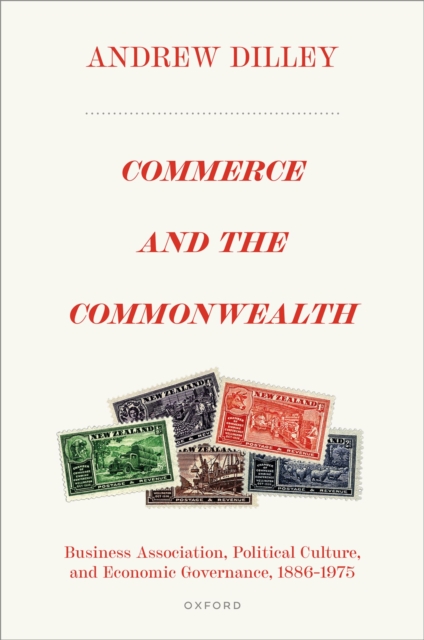
The history of the Commonwealth of Nations has been subject to limited scholarly enquiry, confined to a focus on inter-governmental relations and divorced from the lively historiographies on the economics and business of the British Empire.
The history of the Commonwealth of Nations has been subject to limited scholarly enquiry, confined to a focus on inter-governmental relations and divorced from the lively historiographies on the economics and business of the British Empire.
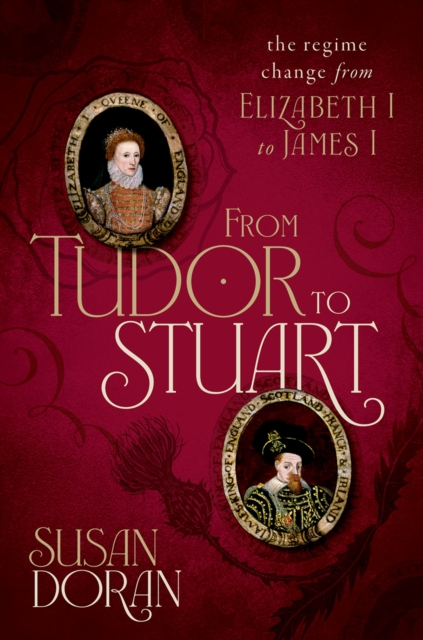
From Tudor to Stuart: The Regime Change from Elizabeth I to James I tells the story of the troubled accession of England's first Scottish king and the transition from the age of the Tudors to the age of the Stuarts at the dawn of the seventeenth century.
The Spiritual Lives and Manuscript Cultures of Eighteenth-Century English Women explores the vital and unexplored ways in which women's life writings acted to undergird, guide, and indeed shape religious communities.
Gender history has alerted us to the fact that it is misleading to assume transhistorical features when it comes to issues such as childbearing, mother- and fatherhood, and gendered systems of labour division.
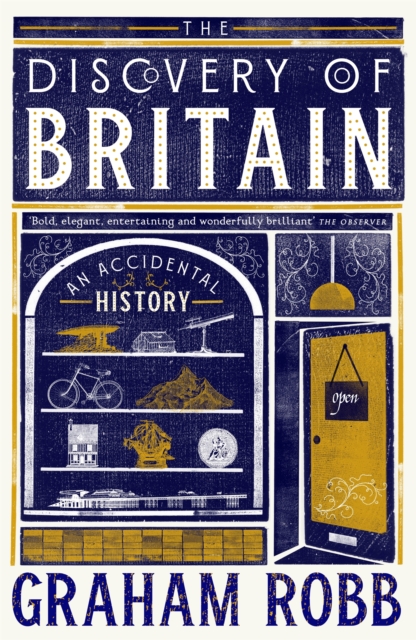
A Spectator Book of the Year 2025'Robb has found a new format for writing history just as Craig Brown found a fresh way to write biography' - Alan Johnson'Rarely does history feel so beguiling' - The Observer'A treasure house of a book' - The SpectatorTaking you on a time-travelling adventure around the 'spindly, sea-wracked islands' we call home, The Discovery of Britain is history that's panoramic and intimate, poignant and shocking, seriously funny, and enlightening in the most surprising way.
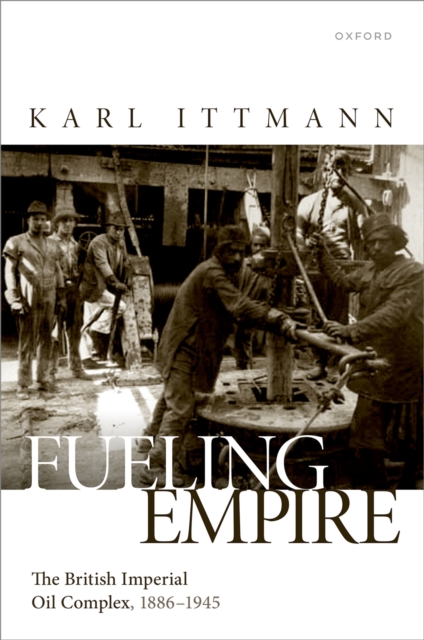
Beginning in the late nineteenth century, British companies used the resources of empire to create an imperial oil industry that controlled 20% of global oil reserves by 1939 and allowed for the movement of capital and labor between regions and companies.
While humanists agreed on identifying the main requirement of the historical genre with truthfulness, they disagreed on their notions of historical truth.
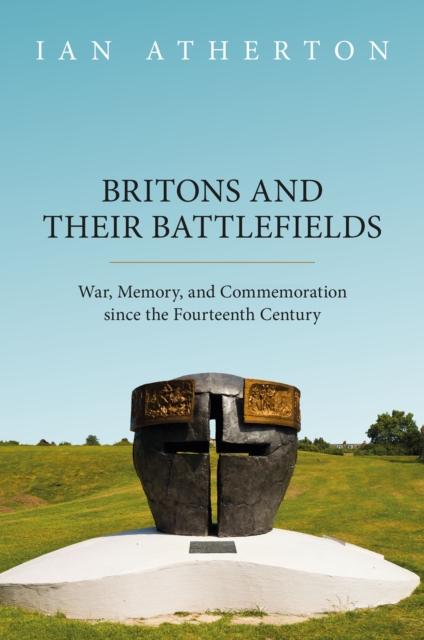
While much attention has been paid to the commemoration of conflict in the twentieth century, this book is the first to consider conflict memory in the long term, arguing that modern practices were not created out of the mud of the trenches, but evolved from much longer practices.
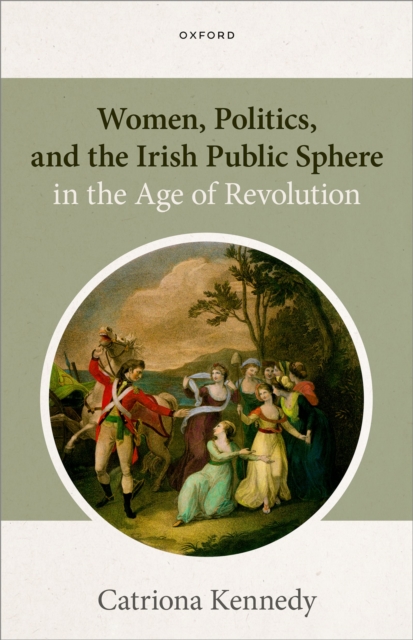
The late-eighteenth-century 'age of revolutions' has long been identified as a key moment in the gendering of modern democratic politics, one which opened up new debates on the 'rights of women' while often re-affirming the masculinity of the political citizen.
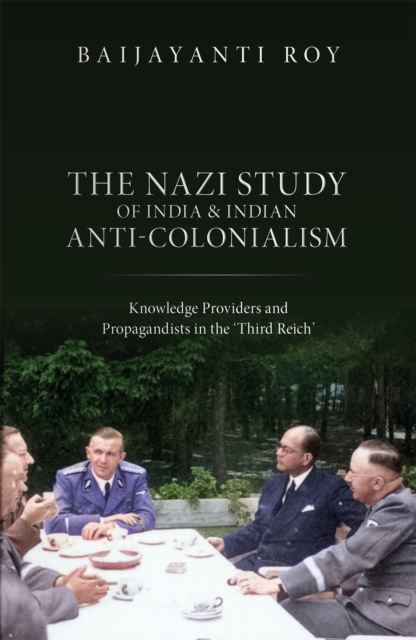
The Nazi Study of India and Indian Anti-Colonialism is the first detailed and critical study of the intellectual and political connections that existed between some German scholars specializing on India, non-academic 'India experts,' Indian anti-colonialists and various organs of the Nazi state.
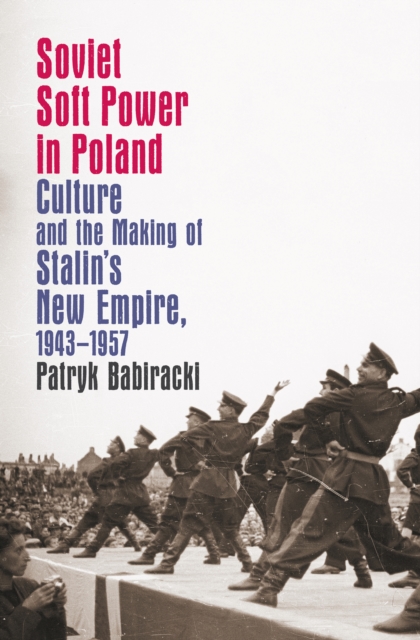
Concentrating on the formative years of the Cold War from 1943 to 1957, Patryk Babiracki reveals little-known Soviet efforts to build a postwar East European empire through culture.