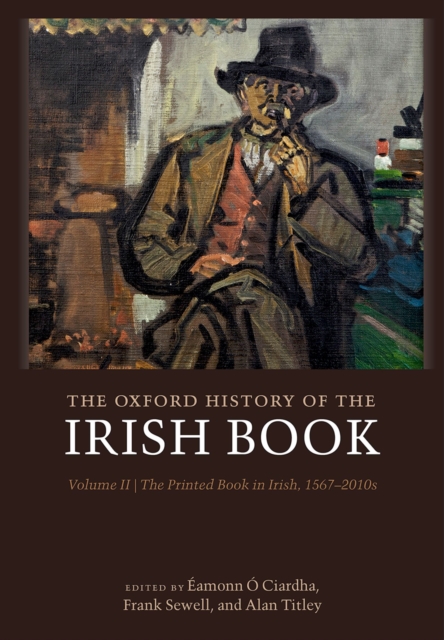
The Oxford History of the Irish Book is a major series that charts one of the most venerable book cultures in Europe, from the earliest manuscript compilations to the flourishing book industries of the late twentieth century.
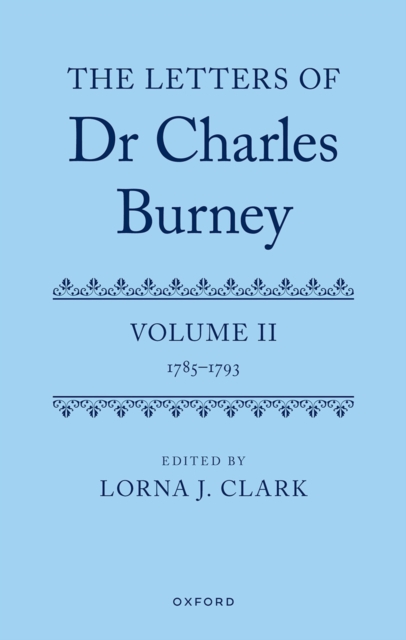
This second volume of the letters of Dr Charles Burney follows directly from the first, published in 1991, and contains roughly two hundred letters written between 1785 and 1793.
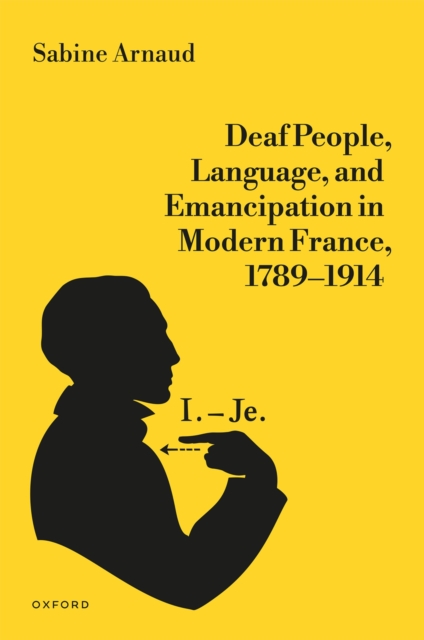
Following the death in 1789 of Abbe de l'Epee, the first teacher of deaf pupils renowned in France and beyond, revolutionaries committed to founding national institutes for the education of deaf pupils.
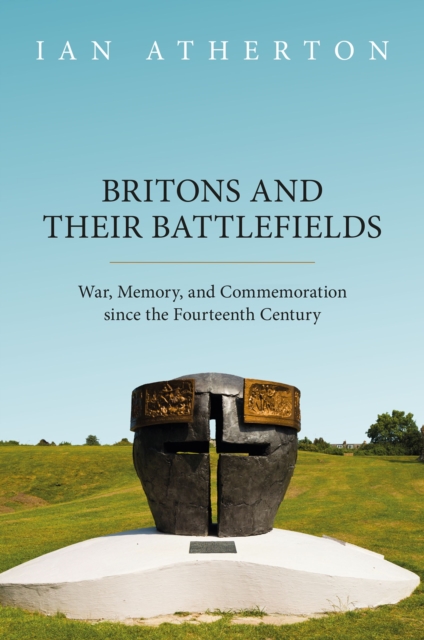
While much attention has been paid to the commemoration of conflict in the twentieth century, this book is the first to consider conflict memory in the long term, arguing that modern practices were not created out of the mud of the trenches, but evolved from much longer practices.
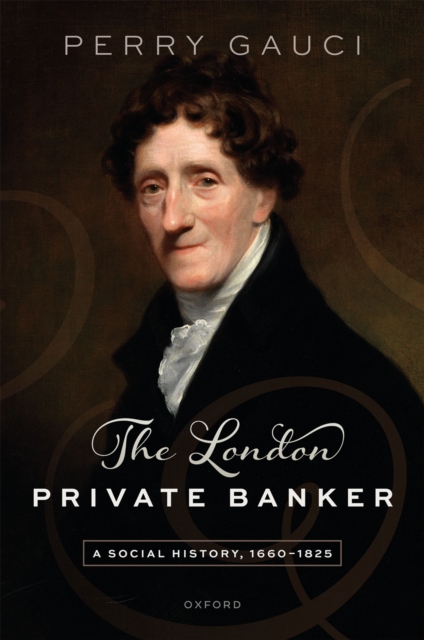
At the Restoration of 1660, there was no distinctive banking sector, and banking services were provided by a variety of traders, most notably the London goldsmiths.
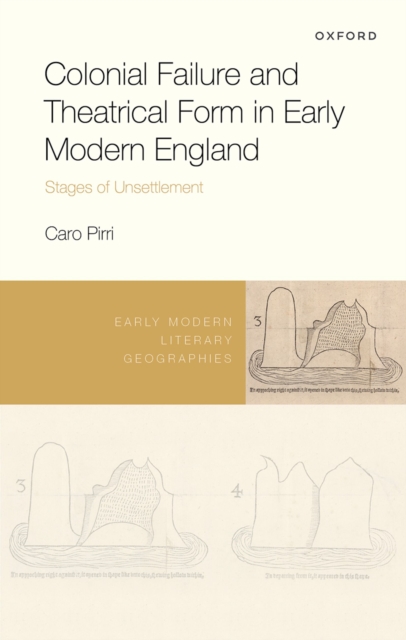
Colonial Failure and Theatrical Form in Early Modern England shows how early modern English dramatists preserved and instrumentalized the early history of England's failed conquests of the Americas in the formal techniques they used to stage fictional worlds.
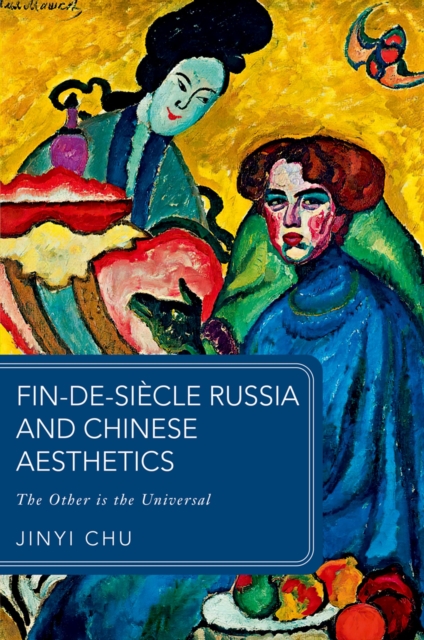
Many are familiar with European modernists' interest in Chinese art and poetry, however less well known is that Russian literature and art at the turn of 20th century also flourished in a sustained dialogue with China.
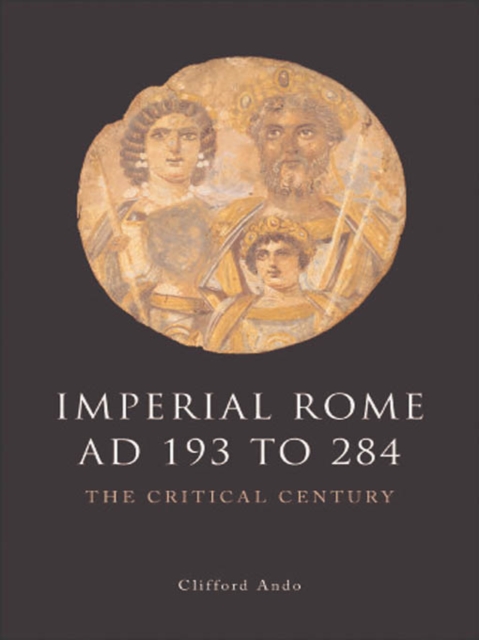
A pioneering history of this period of crisisThe Roman empire during the period framed by the accession of Septimus Severus in 193 and the rise of Diocletian in 284 has conventionally been regarded as one of crisis.
In Britain in the late nineteenth and early twentieth centuries, universities were one of many institutional state structures wherein gender difference, the male breadwinner ideal, and heterosexuality were central to a conception of citizenship.
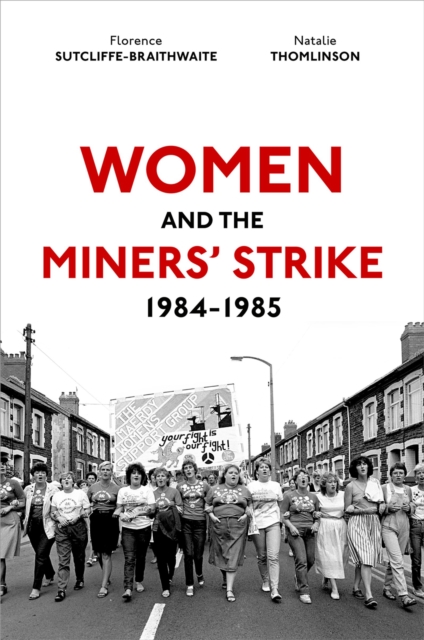
Just days into the miners' strike of 1984-1985, a few women in coalfield communities around Britain began to meet to consider how they could support the strike, a clash with the Thatcher government over the future of the coal industry.
Concentrating on the formative years of the Cold War from 1943 to 1957, Patryk Babiracki reveals little-known Soviet efforts to build a postwar East European empire through culture.
Decoloniality has emerged as one of the most prominent subjects of public and academic debates of our time, bringing to the fore the post-colonial perspectives of previously underrepresented groups.
At the Restoration of 1660, there was no distinctive banking sector, and banking services were provided by a variety of traders, most notably the London goldsmiths.
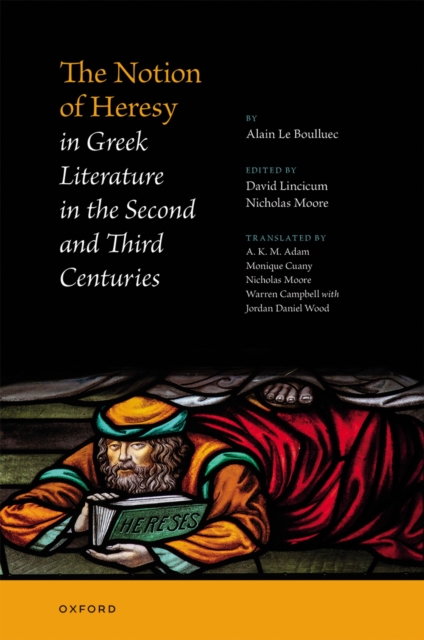
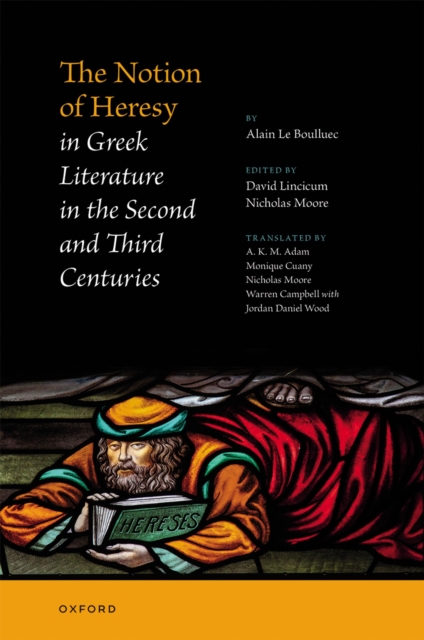
Inspired by analogies betwen the construction of heresy and the representation of madness described by Michael Foucault in in Histoire de la folie a l'age classique (Madness and Civilization), The Notion of Heresy in Greek Literature in the Second and Third Centuries demonstrates how the concept of heresy emerges in the work of Justin Matyr.
Inspired by analogies betwen the construction of heresy and the representation of madness described by Michael Foucault in in Histoire de la folie a l'age classique (Madness and Civilization), The Notion of Heresy in Greek Literature in the Second and Third Centuries demonstrates how the concept of heresy emerges in the work of Justin Matyr.
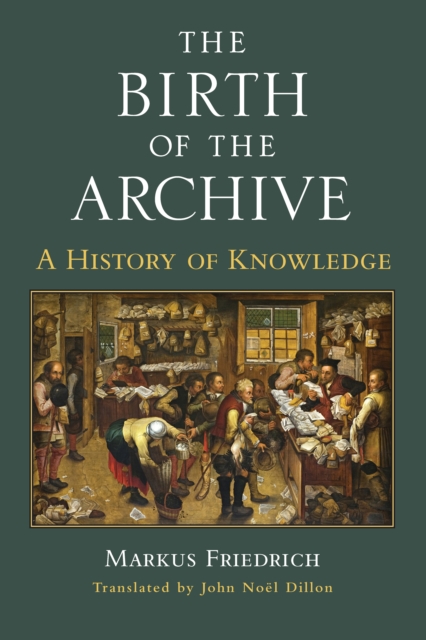
The Birth of the Archive traces the history of archives from their emergence in the Late Middle Ages through the Early Modern Period, and vividly shows how archives permeated and fundamentally changed European culture.
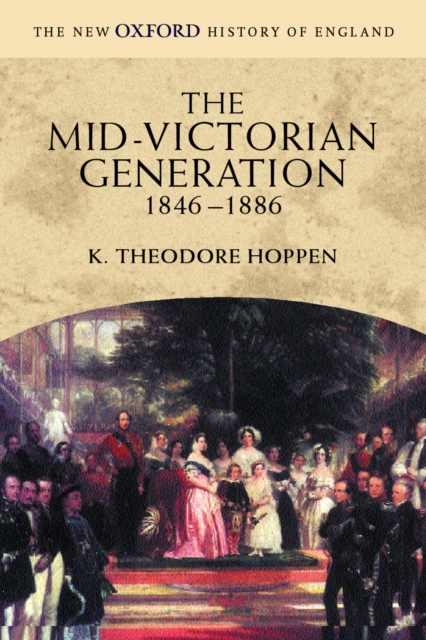
This, the third volume to appear in the New Oxford History of England, covers the period from the repeal of the Corn Laws to the dramatic failure of Gladstone's first Home Rule Bill.
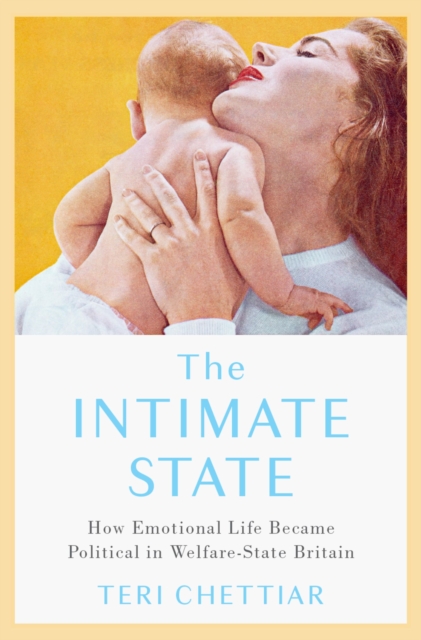
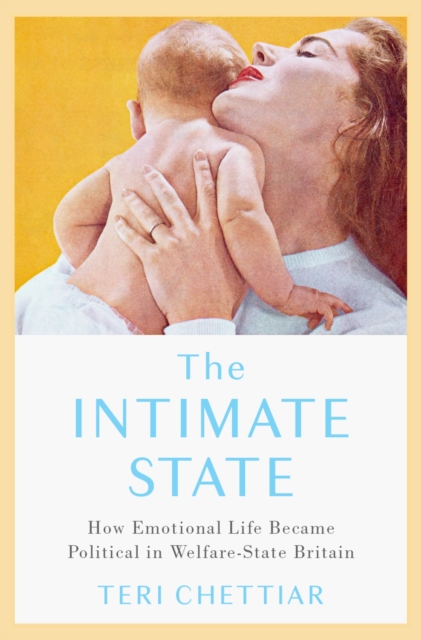
The Intimate State explores how state-supported mental health initiatives made emotional intimacy both politically valued and personally desired during a crucial period of modern British psychiatric and cultural history.
The Intimate State explores how state-supported mental health initiatives made emotional intimacy both politically valued and personally desired during a crucial period of modern British psychiatric and cultural history.
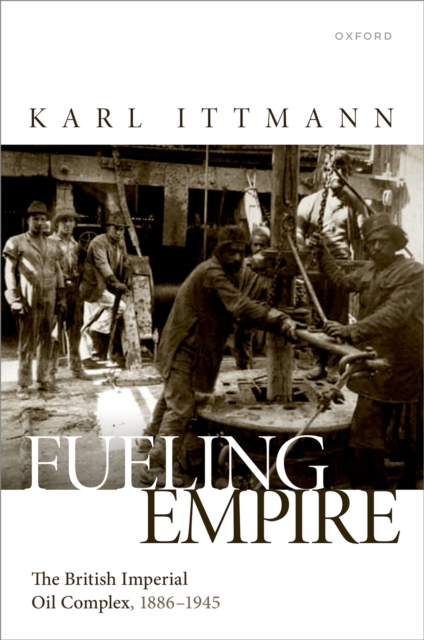
Beginning in the late nineteenth century, British companies used the resources of empire to create an imperial oil industry that controlled 20% of global oil reserves by 1939 and allowed for the movement of capital and labor between regions and companies.
Making Peace provides a fresh context for understanding gender relations in interwar Britain, seeing in the emergence of a powerful ideology of motherhood and a reemphasis on separate spheres for men and women a corollary to the political and economic restructuring designed to reestablish social order after World War I.
The link between weddings and death-as found in dramas ranging from Romeo and Juliet to Lorca's Blood Wedding-plays a central role in the action of many Greek tragedies.
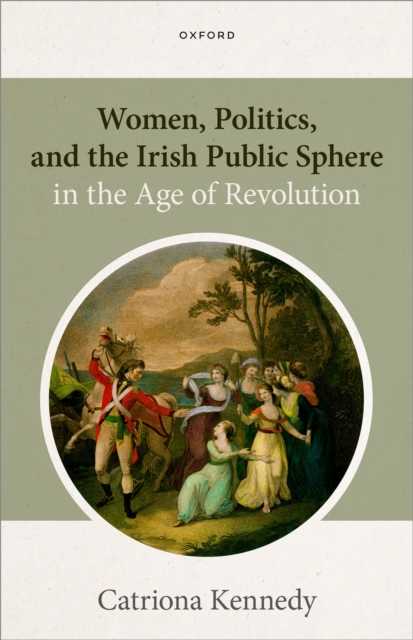
The late-eighteenth-century 'age of revolutions' has long been identified as a key moment in the gendering of modern democratic politics, one which opened up new debates on the 'rights of women' while often re-affirming the masculinity of the political citizen.
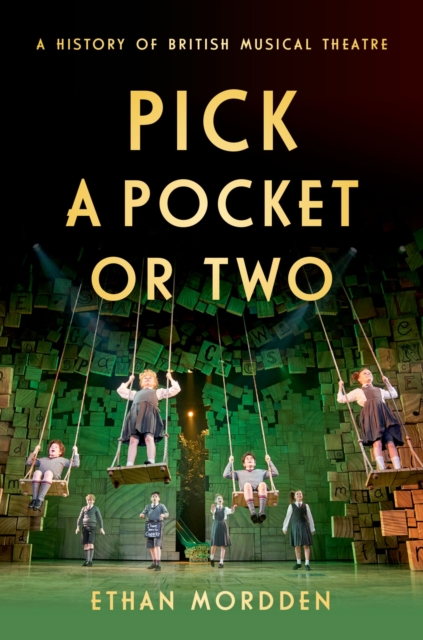
From Gilbert and Sullivan to Andrew Lloyd Webber, from Julie Andrews to Hugh Jackman, from Half a Sixpence to Matilda, Pick a Pocket Or Two is the story of the British musical: where it began and how it developed.