In this powerful and revelatory new work, historian Mary Fulbrook takes on one of the most fraught issues in modern times: the role of ordinary Germans in enabling the rise of Nazism and with it the exclusion, persecution, and then extermination of millions of people across Europe.
For few verses in the Bible is the relationship between scripture and the artistic imagination more intriguing than for the conclusion of Genesis 4:15: "e;And the Lord set a mark upon Cain, that whosoever found him should not kill him.
Enlightened Oxford aims to discern, establish, and clarify the multiplicity of connections between the University of Oxford, its members, and the world outside; to offer readers a fresh, contextualised sense of the University's role in the state, in society, and in relation to other institutions between the Williamite Revolution and the first decade of the nineteenth century, the era loosely describable (though not without much qualification) as England's ancien regime.
This book is a long awaited update to the first major study of a Christian community which has developed an approach to faith and life which is different from all other churches.
The 1923 Treaty of Lausanne marked a decisive moment in international diplomacy, laying the foundations for stability and peaceful coexistence in Southeast Europe and the Middle East.
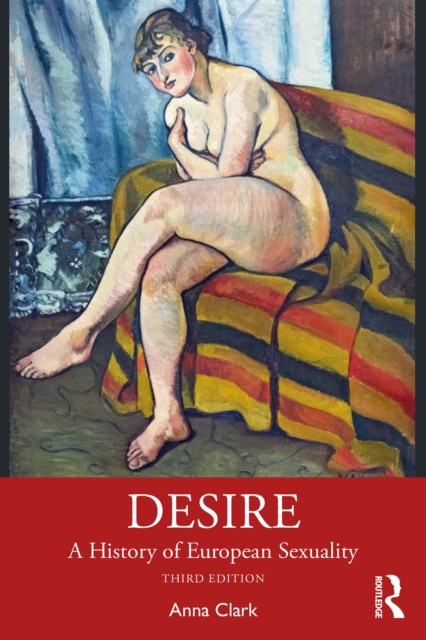
A sweeping survey of sexuality in Europe from the ancient Greeks to the present, Desire: A History of European Sexuality follows changing attitudes to two major concepts of sexual desire-desire as dangerous, polluting, and disorderly, and desire as creative, transcendent, even revolutionary-through the major turning points of European history.
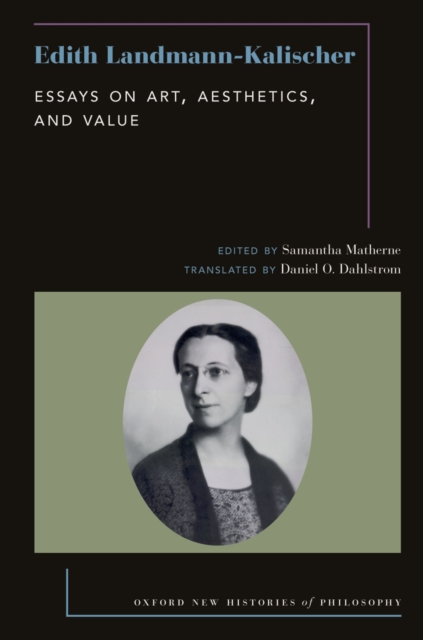
This volume brings together essential essays by an important but neglected thinker in early twentieth-century German philosophy, Edith Landmann-Kalischer.
For more than half a century, historians, theologians, and moral philosophers have wrestled with one of the most consequential questions of the twentieth century: What was the true role of Pope Pius XII during the Holocaust?
This volume of letters by Charles Burney, the first to be published since 1991, runs from 1794 to 10 January 1800, beginning with his recovery from a debilitating attack of rheumatism, continuing with the death of his wife in 1796, and ending with the shocking death of his daughter Susanna.
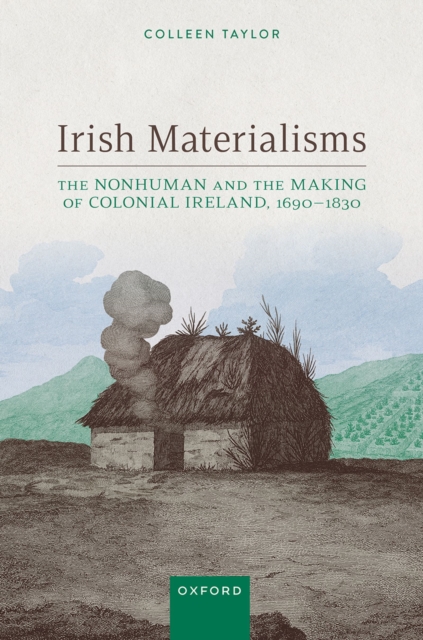
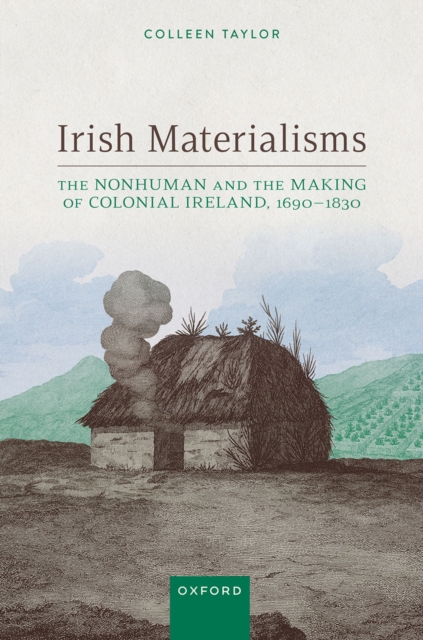
Irish Materialisms: The Nonhuman and the Making of Colonial Ireland, 1690-1830, is the first book to apply recent trends in new materialist criticism to Ireland.
Irish Materialisms: The Nonhuman and the Making of Colonial Ireland, 1690-1830, is the first book to apply recent trends in new materialist criticism to Ireland.
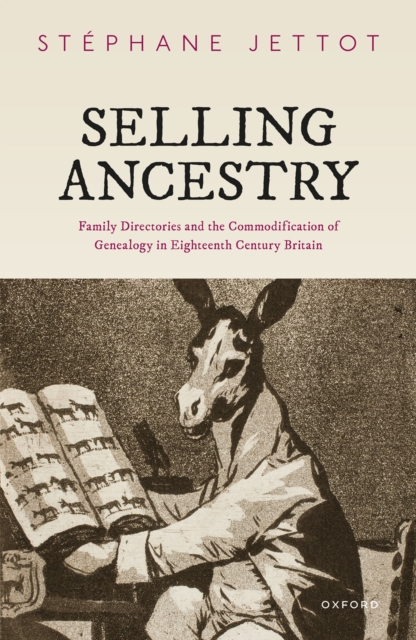
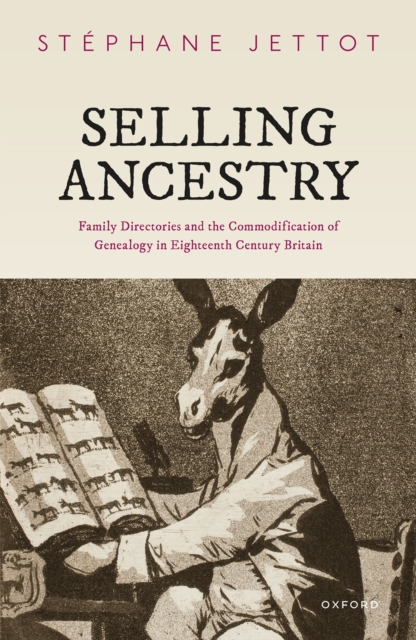
Often cited but rarely studied in their own right, family directories allow a reconsideration of how ancestry and genealogy became an object of widespread commercialization across the eighteenth century.
The later Middle Ages and the early modern period were important and overlapping historical moments for both Venice and the Ottoman Empire, yet the two--both the periods themselves and the Republic and Empire more generally--have often been considered in isolation.
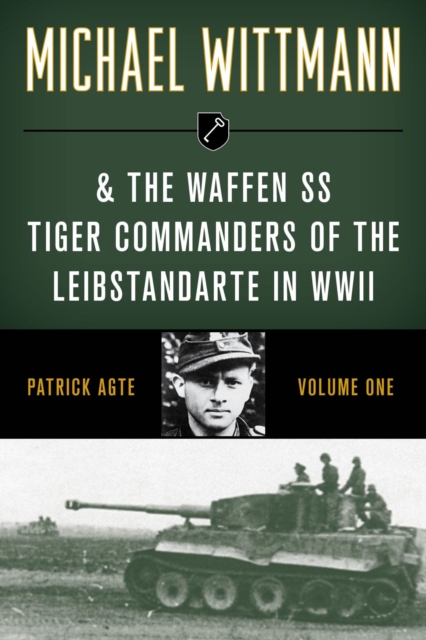
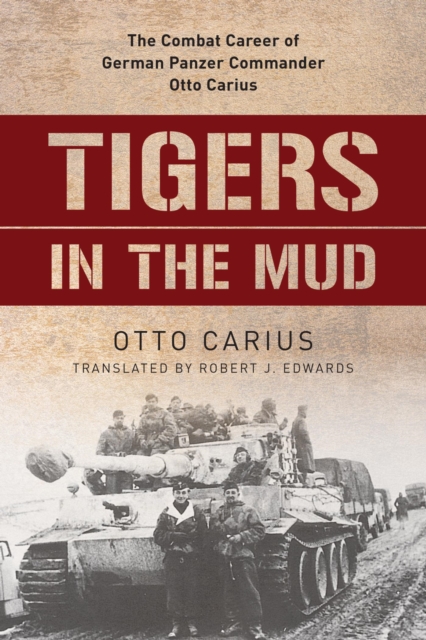
German Panzer ace Michael Wittmann was by far the most famous tank commander on any side in World War II, destroying 138 enemy tanks and 132 anti-tank guns with his Tiger.
Scores of unique photos of Tiger tanks Intricate and richly colored drawings, with special focus on markings and insigniaAccompanying text lists units combat strengths, equipment, commanders, and engagements By the end of World War II, the dreaded Tiger tank had achieved mythical, almost mystical status.
At the beginning of the twentieth century, for many English men and women of Welsh origin the idea of being in some part 'Welsh' reaffirmed their own understanding of what it meant to 'be British'.
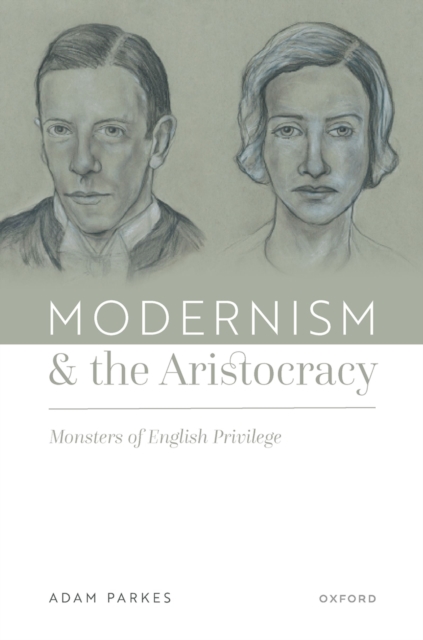
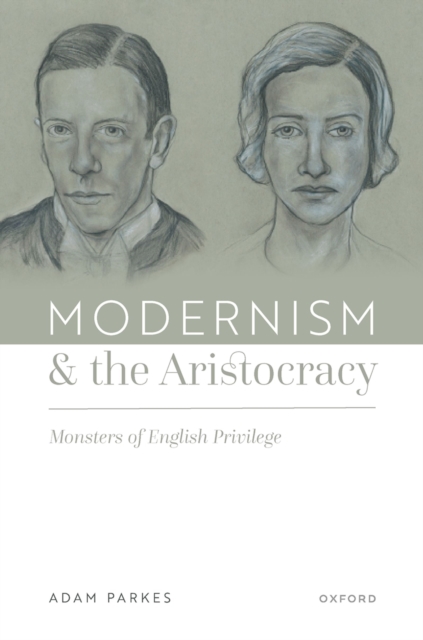
During a modern age that saw the expansion of its democracy, the fading of its empire, and two world wars, Britain's hereditary aristocracy was pushed from the centre to the margins of the nation's affairs.
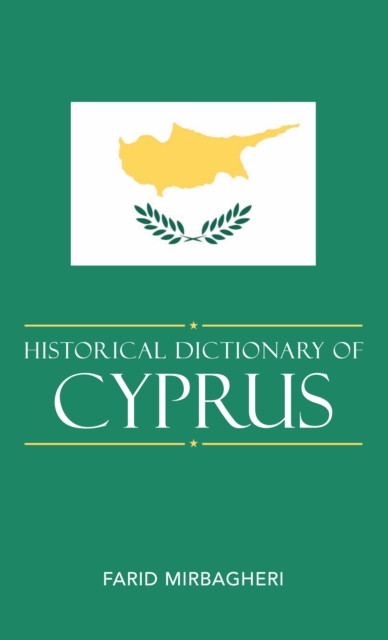
Rich with a history stretching back thousands of years and endowed with an Eastern heart and a Western mind, the Mediterranean island of Cyprus is a tourist destination for millions of visitors from around the world every year.
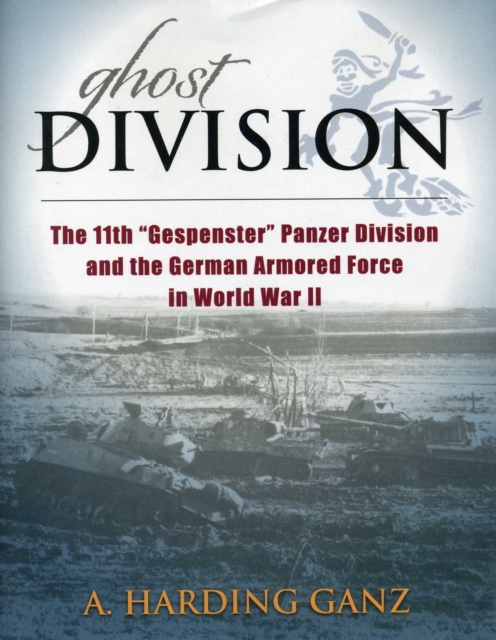
Nicknamed the "e;Ghost Division"e; because of its speed and habit of turning up where its enemies least expected, the German 11th Panzer Division wreaked havoc in the East and West in World War II, playing a pivotal role in some of the biggest engagements, including Barbarossa, Stalingrad, Kursk, and the West.
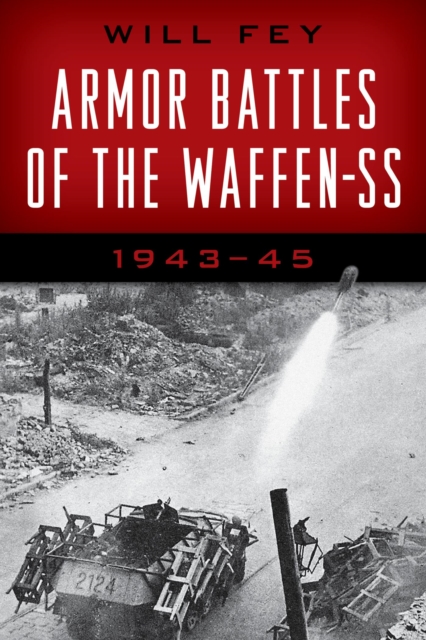
*; Hundreds of photos--many of them rare--of Tiger tanks and their crews *; Color illustrations by Jean Restayn focus on markings, camouflage, and insignia *; Inventories and timelines for each unit In this follow-up to Tigers in Combat I (0-8117-3171-5), Wolfgang Schneider turns his attention to the Tiger tanks of the Waffen-SS and the Wehrmachts named units, such as the Grodeutschland Division, Company Hummel, and Tiger Group Meyer.
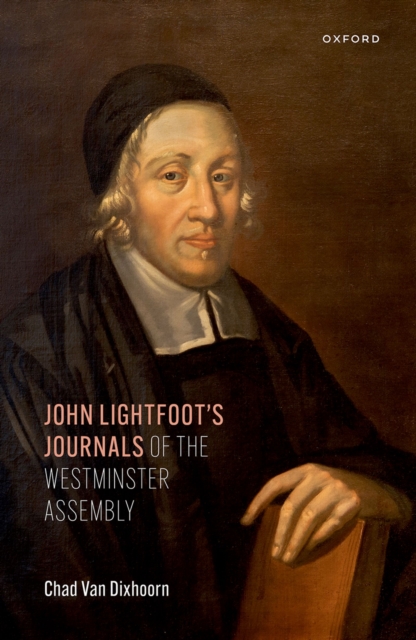
What has by convention been called 'John Lightfoot's journal' is in fact a four-volume series of journals, the first of which has never been published.
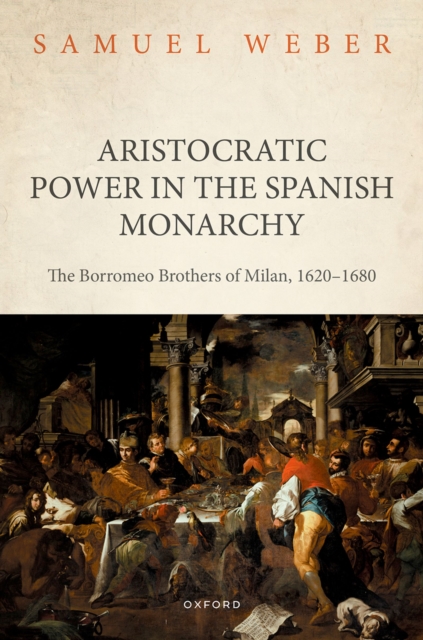
In Italy, the powerful Borromeo family of Milan have long been held up as a rare example of paternalist aristocrats who withstood the temptations of self-enrichment so many of their peers succumbed to during the period of Spanish rule.
Mobilization for World War II disrupted life in the Deep South of the United States, sparking new-and, in some cases, reigniting old-battles across the home front.
Often cited but rarely studied in their own right, family directories allow a reconsideration of how ancestry and genealogy became an object of widespread commercialization across the eighteenth century.
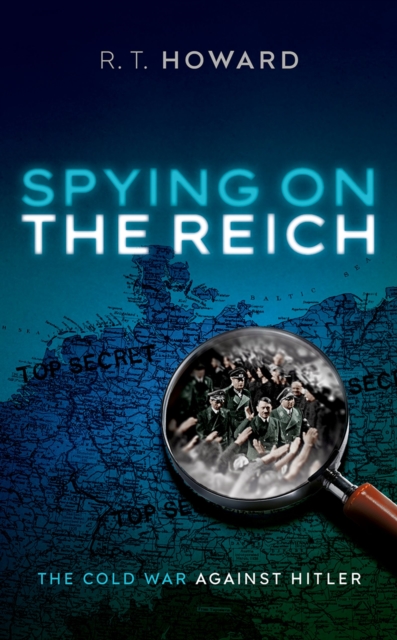
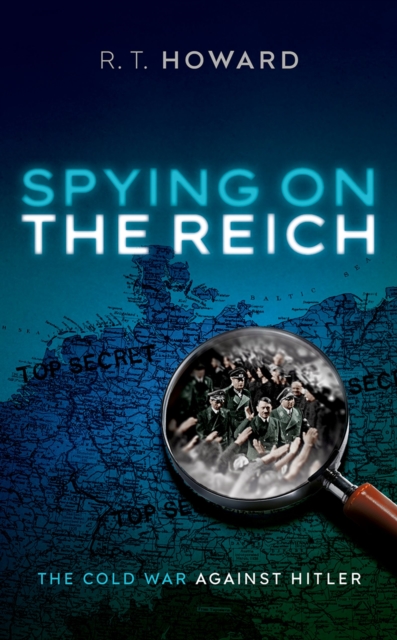
Exactly a century ago, intelligence agencies across Europe first became aware of a fanatical German nationalist whose political party was rapidly gathering momentum.
Exactly a century ago, intelligence agencies across Europe first became aware of a fanatical German nationalist whose political party was rapidly gathering momentum.
During a modern age that saw the expansion of its democracy, the fading of its empire, and two world wars, Britain's hereditary aristocracy was pushed from the centre to the margins of the nation's affairs.
Contract Before the Enlightenment represents a fresh investigation of what was then a ground-breaking approach to the law of contract written by James Dalrymple, Viscount Stair (1619-1695), lauded by some as the founding father of Scots law.
Contract Before the Enlightenment represents a fresh investigation of what was then a ground-breaking approach to the law of contract written by James Dalrymple, Viscount Stair (1619-1695), lauded by some as the founding father of Scots law.
In 1839, the Abbe Jacques Suchet was sent to the Algerian city of Constantine, recently conquered by French forces, to minister to the new French colonial population there.