Nazim Hikmet (1902-1963) is best known as a poet and communist whose daring flight by motorboat from Turkey to the Eastern Bloc captured international headlines in 1951.
Nazim Hikmet (1902-1963) is best known as a poet and communist whose daring flight by motorboat from Turkey to the Eastern Bloc captured international headlines in 1951.
What has by convention been called 'John Lightfoot's journal' is in fact a four-volume series of journals, the first of which has never been published.
In August 1973, the large and growing television audience of the Soviet Union first laid eyes on what would become its quintessential if fictitious hero spy.
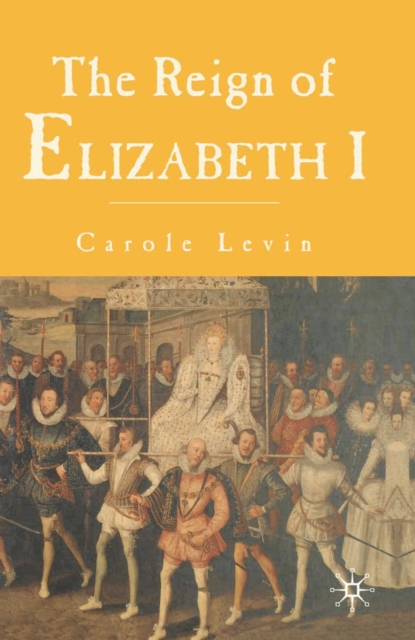
The reign of Elizabeth I was marked by change: England finally became a protestant nation, and England's relations with her neighbours were also changing, in part because of religious controversies.
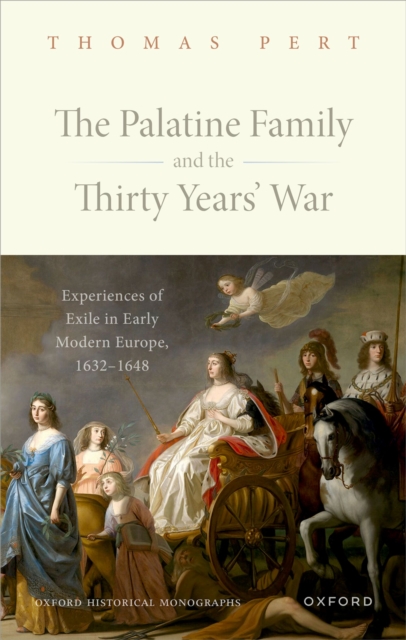
The Palatine Family and the Thirty Years' War examines the experience of exiled royal and noble dynasties during the early modern period through a study of the rulers of the Electorate of the Palatinate during the Thirty Years' War (1618-1648).
An edition and English translation of the Speculum Stultorum (The Mirror for Fools), a long Latin beast epic written near the end of the twelfth century by a monk of Christ Church, Canterbury.
A new, comprehensive history of the Ottoman Empire from its beginnings in 1300 to its dissolution in 1922 written by North America's leading expert in the field.
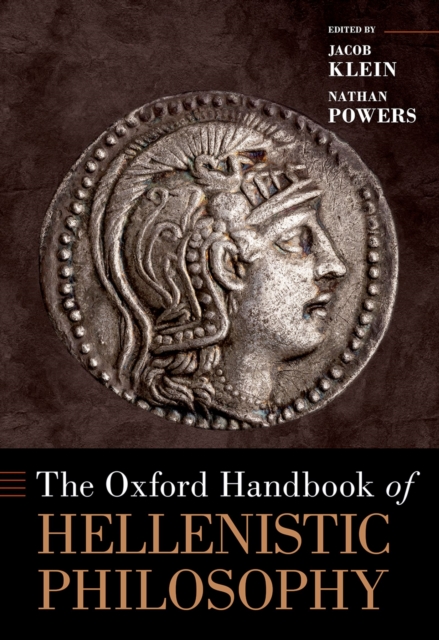
In the decades following the conquests of Alexander the Great, two major new schools of philosophy--the Epicureans and the Stoics--came to prominence in Athens, promoting starkly different worldviews and ways of life.
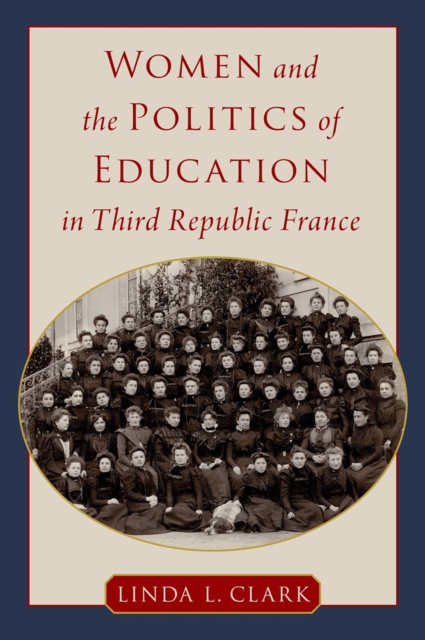
In Third Republic France (1870-1940), the directrice of a normal school (ecole normale) for training women teachers was the most important woman representative of public primary education in each department.
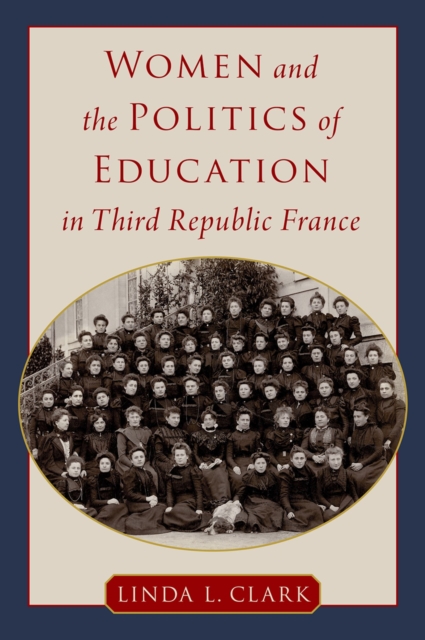
In Third Republic France (1870-1940), the directrice of a normal school (ecole normale) for training women teachers was the most important woman representative of public primary education in each department.
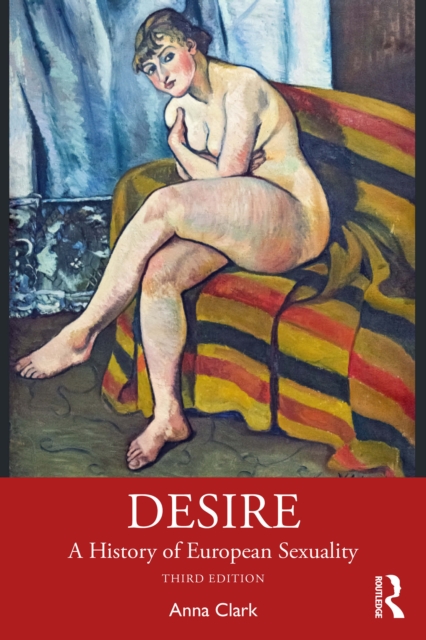
A sweeping survey of sexuality in Europe from the ancient Greeks to the present, Desire: A History of European Sexuality follows changing attitudes to two major concepts of sexual desire-desire as dangerous, polluting, and disorderly, and desire as creative, transcendent, even revolutionary-through the major turning points of European history.
This book contains Charles Burney's letters from the age of 74 to 80, a period during which he retired from teaching but, far from slowing down despite frequent bouts of illness, continued to write, publishing his last book, Memoirs of the Life and Writings of the Abate Metastasio, and writing 1,752 general music articles and musical biographies for Rees's Cyclopaedia in a mere four years.
In this powerful and revelatory new work, historian Mary Fulbrook takes on one of the most fraught issues in modern times: the role of ordinary Germans in enabling the rise of Nazism and with it the exclusion, persecution, and then extermination of millions of people across Europe.
Early modernity has long been seen as a crucial period in the history of biblical scholarship, witnessing rapid advances in studies of Hebrew, Greek, and the ancient Jewish and Christian past.
In the wake of the Seven Years' War and the consolidation of British power on the subcontinent, the French monarchy chartered a new East India Company.
While most people who have waited in grocery or newsstand checkout lines today will recognize the magazines Elle and Marie-Claire, few know that two journalists, Marcelle Auclair and Marcelle Segal, were critical to the success of these magazines when they began publication in France.
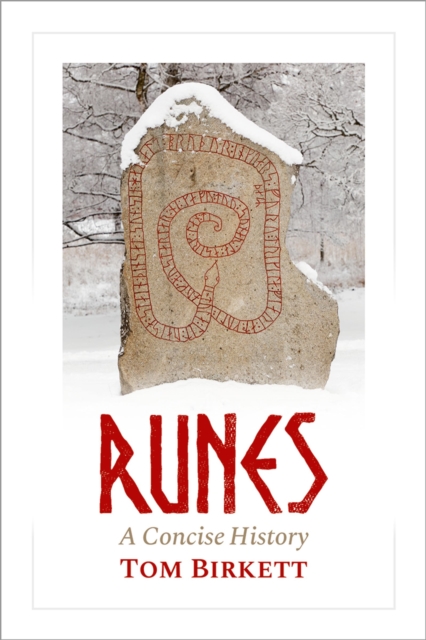
With their distinctive and other-worldly appearance, runes--an ancient alphabet used to write Germanic languages--provide our only first-hand record of the customs and beliefs of peoples living on the northern fringe of the Roman Empire during a period of mass migration and momentous social upheaval.
America's preeminent naval historian offers a history of the Second World War based on the experiences of the young officers--fresh out of the United States Naval Academy--who served on its front lines.
Hearing with the Mind synthesizes two exciting approaches to music--cognitive psychology and social history--by focusing on the remarkable work of musical theorist John Holden (1729--72) during the Scottish Enlightenment.
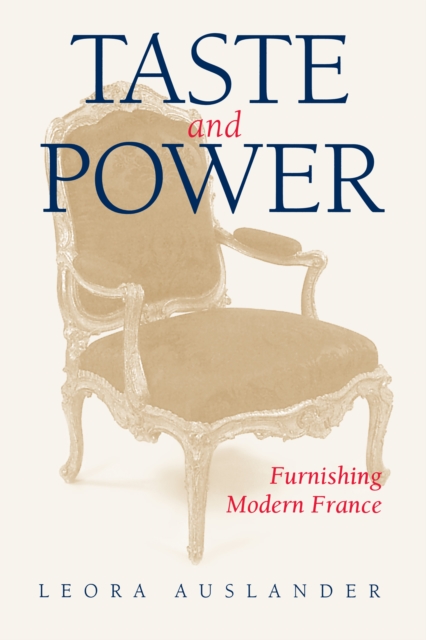
Louis XIV, regency, rococo, neoclassical, empire, art nouveau, and historicist pastiche: furniture styles march across French history as regimes rise and fall.
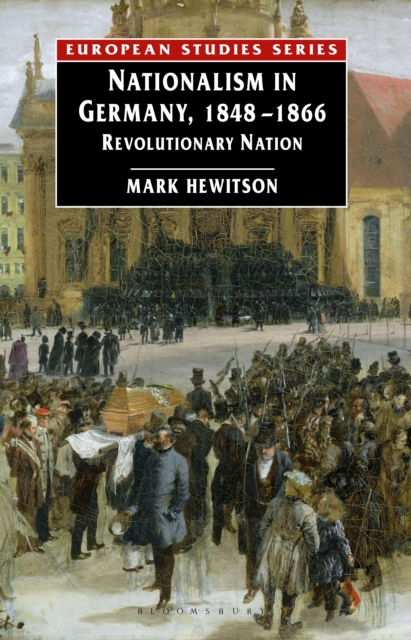
Mark Hewitson reassesses the relationship between politics and the nation during a crucial period in order to answer the question of when, how and why the process of unification began in Germany.
While most people who have waited in grocery or newsstand checkout lines today will recognize the magazines Elle and Marie-Claire, few know that two journalists, Marcelle Auclair and Marcelle Segal, were critical to the success of these magazines when they began publication in France.
In the written record of music in the West, there are many examples of long melodies sung to a single vowel with no other text; but in almost all cases that vowel is part of a syllable in a word, which in turn is part of a longer text; that text is interrupted--or prolonged--by the extension of its vowel to a greater or lesser extent by that string of notes.
The first comprehensive study of Italian Christian Democracy in English, Italy's Christian Democracy unravels the encounter between Catholicism and democracy from pre-unification Italy in the eighteenth century to the near-present.
The newest volume in the acclaimed Oxford History of the United States series, Contested Continent recounts the origins of "e;America"e; and how it came to birth the United States.
Hearing with the Mind synthesizes two exciting approaches to music--cognitive psychology and social history--by focusing on the remarkable work of musical theorist John Holden (1729--72) during the Scottish Enlightenment.
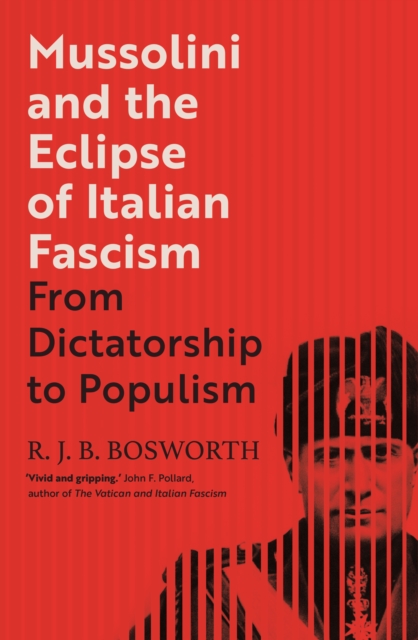
An incisive account of how Mussolini pioneered populism in reaction to Hitler’s rise—and thereby reinforced his role as a model for later authoritarian leaders"A passionately engaged history of a Mussolini and an Italy caught up in the monstrous gravitational waves engendered by the coming of Third Reich.