Mobilization for World War II disrupted life in the Deep South of the United States, sparking new-and, in some cases, reigniting old-battles across the home front.
The dream of building Jerusalem in England's green and pleasant land has long been a quintessential part of English identity and culture: but how did this vision shape the Victorian encounter with the actual Jerusalem in the Middle East?
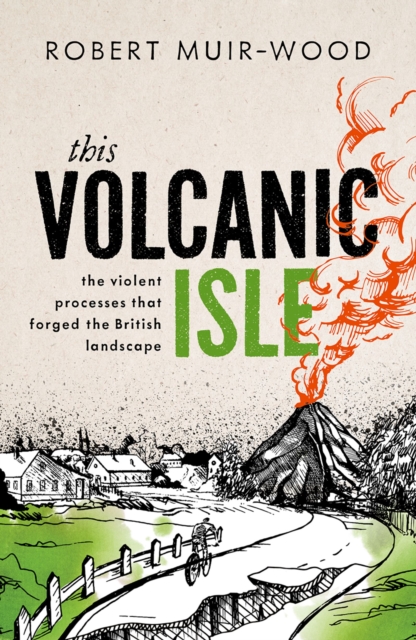
From the natural geometry of the Giant's Causeway to the sarsen slabs used to build Stonehenge, we are surrounded by evidence for the extraordinary geological forces that shaped the British Isles.
The years between 1550 and 1700 saw significant changes in the nature and scope of local government: sophisticated information and intelligence systems were developed; magistrates came to rely more heavily on surveillance to inform 'good government'; and England's first nationwide system of incarceration was established within bridewells.
The years between 1550 and 1700 saw significant changes in the nature and scope of local government: sophisticated information and intelligence systems were developed; magistrates came to rely more heavily on surveillance to inform 'good government'; and England's first nationwide system of incarceration was established within bridewells.
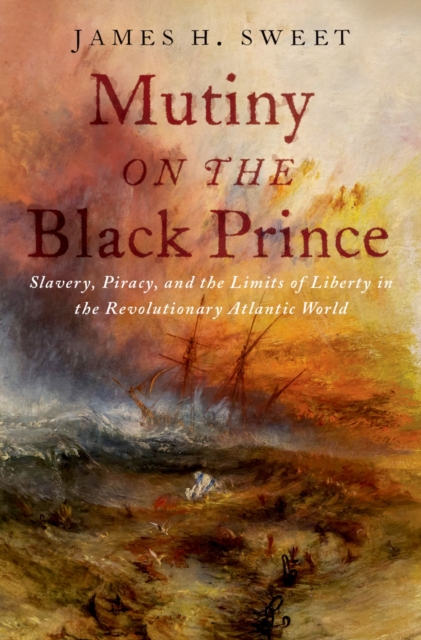
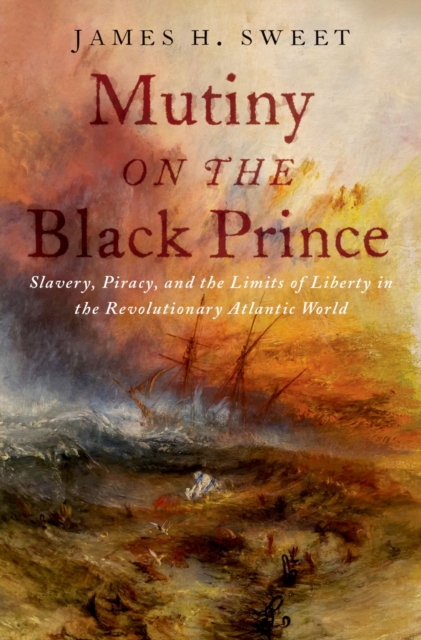
The dramatic story of a mutiny aboard an eighteenth-century British ship and how its owners effectively rallied the power of the British Crown to protect their investment and expand their wealth and political power across multiple generations.
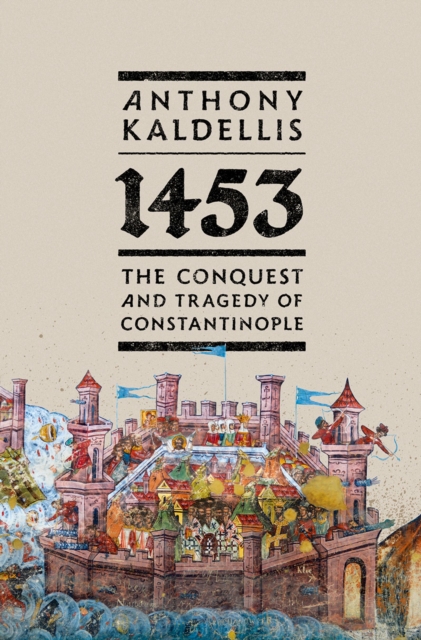
A detailed account of the siege and fall of Constantinople in 1453, a watershed year that closed the book, once and for all, on the Roman Empire and confirmed for Europeans their worst fears about an expanding Ottoman Empire.
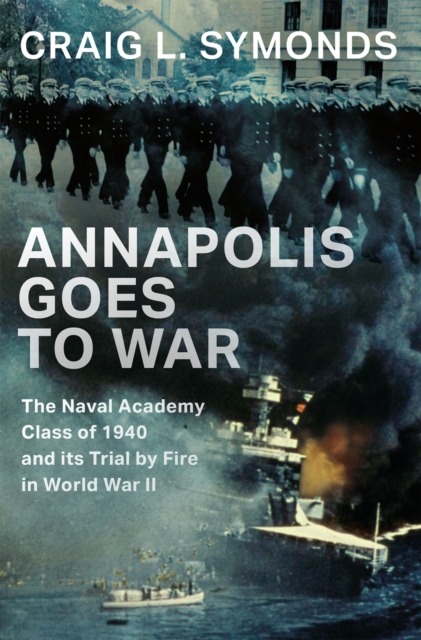
America's preeminent naval historian offers a history of the Second World War based on the experiences of the young officers--fresh out of the United States Naval Academy--who served on its front lines.
The dramatic story of a mutiny aboard an eighteenth-century British ship and how its owners effectively rallied the power of the British Crown to protect their investment and expand their wealth and political power across multiple generations.
In 1930, George Riddoch, Charles Symonds, Russell Brain, Hugh Cairns, Macdonald Critchley, and Derek Denny-Brown formed the Hexagon Club with the aim of discussing over dinner developments in medical and surgical neurology.
In August 1973, the large and growing television audience of the Soviet Union first laid eyes on what would become its quintessential if fictitious hero spy.
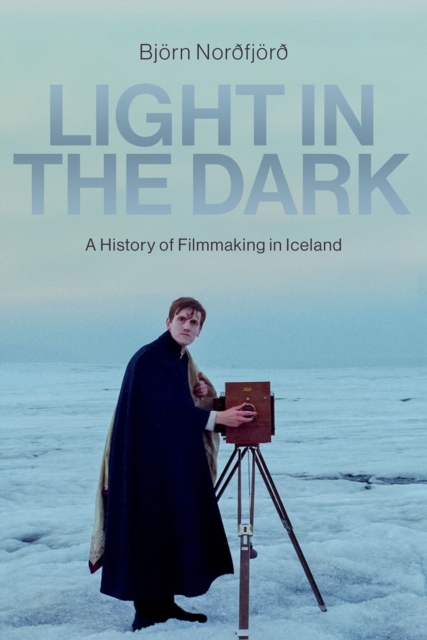
Light in the Dark tells the dramatic history of Icelandic cinema from its modest origin in the early twentieth century to the heterogenous and complex national cinema of today.
Louis XIV, regency, rococo, neoclassical, empire, art nouveau, and historicist pastiche: furniture styles march across French history as regimes rise and fall.
For few verses in the Bible is the relationship between scripture and the artistic imagination more intriguing than for the conclusion of Genesis 4:15: "e;And the Lord set a mark upon Cain, that whosoever found him should not kill him.
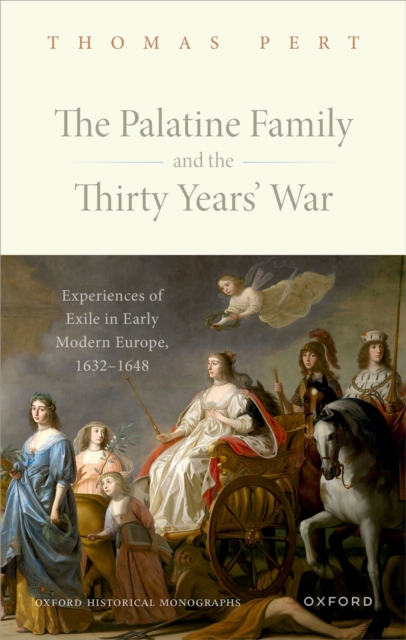
The Palatine Family and the Thirty Years' War examines the experience of exiled royal and noble dynasties during the early modern period through a study of the rulers of the Electorate of the Palatinate during the Thirty Years' War (1618-1648).
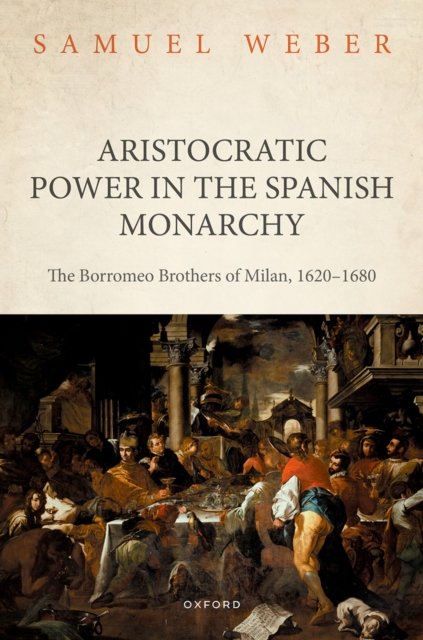
In Italy, the powerful Borromeo family of Milan have long been held up as a rare example of paternalist aristocrats who withstood the temptations of self-enrichment so many of their peers succumbed to during the period of Spanish rule.
In the decades following the conquests of Alexander the Great, two major new schools of philosophy--the Epicureans and the Stoics--came to prominence in Athens, promoting starkly different worldviews and ways of life.
The reign of Elizabeth I was marked by change: England finally became a protestant nation, and England's relations with her neighbours were also changing, in part because of religious controversies.
Nicknamed the "e;Ghost Division"e; because of its speed and habit of turning up where its enemies least expected, the German 11th Panzer Division wreaked havoc in the East and West in World War II, playing a pivotal role in some of the biggest engagements, including Barbarossa, Stalingrad, Kursk, and the West.
German Panzer ace Michael Wittmann was by far the most famous tank commander on any side in World War II, destroying 138 enemy tanks and 132 anti-tank guns with his Tiger.
*; Hundreds of photos--many of them rare--of Tiger tanks and their crews *; Color illustrations by Jean Restayn focus on markings, camouflage, and insignia *; Inventories and timelines for each unit In this follow-up to Tigers in Combat I (0-8117-3171-5), Wolfgang Schneider turns his attention to the Tiger tanks of the Waffen-SS and the Wehrmachts named units, such as the Grodeutschland Division, Company Hummel, and Tiger Group Meyer.
Scores of unique photos of Tiger tanks Intricate and richly colored drawings, with special focus on markings and insigniaAccompanying text lists units combat strengths, equipment, commanders, and engagements By the end of World War II, the dreaded Tiger tank had achieved mythical, almost mystical status.
The final volume of Gardner's critically acclaimed biography of the Third Battalion 506 Parachute Infantry Regiment the sister company to the famed Band of Brothers this book traces the battalion's actions in the frantic final days of the war in Europe.
The final volume of Gardner's critically acclaimed biography of the Third Battalion 506 Parachute Infantry Regiment the sister company to the famed Band of Brothers this book traces the battalion's actions in the frantic final days of the war in Europe.
The 1923 Treaty of Lausanne marked a decisive moment in international diplomacy, laying the foundations for stability and peaceful coexistence in Southeast Europe and the Middle East.
Rich with a history stretching back thousands of years and endowed with an Eastern heart and a Western mind, the Mediterranean island of Cyprus is a tourist destination for millions of visitors from around the world every year.
A brilliant, kaleidoscopic new cultural history of Diana, her many lives and the world she created'The best thing I ve ever read about Princess Diana and I ve read all of it, including her own books' - Marina Hyde'A wide-ranging cultural history of the former Princess of Wales.