This important book reassesses a defining historical, political and ideological moment in contemporary history: the 1989 revolutions in central and eastern Europe.
Men in reserve focuses on working class civilian men who, as a result of working in reserved occupations, were exempt from enlistment in the armed forces.
For over four decades, events in Palestine-Israel have provoked raging conflicts within British universities around issues of free speech, 'extremism', antisemitism and Islamophobia.
This study of English Benedictine nuns is based upon a wide variety of original manuscripts, including chronicles, death notices, clerical instructions, texts of spiritual guidance, but also the nuns' own collections of notes.
Travel and the British country house explores the ways in which travel by owners, visitors and material objects shaped country houses during the long eighteenth century.
In the first book detailing the social and economic history of Ireland during the Second World War, Bryce Evans reveals the real story of the Irish emergency.
IMAGINE ELIZABETH BETTINA'S SURPRISE when she discovered that her grandmother's village had a secret: over a half century ago, many of Campagna's residents defied the Nazis and risked their lives to shelter and save hundreds of Jews during the Holocaust.
Del Rio, California, a once-thriving Central Valley farm town, is now filled with run-down Dollar Stores, llanterias, carnicerias, and shabby mini-marts that sell one-way bus tickets straight to Tijuana on the Flecha Amarilla line.
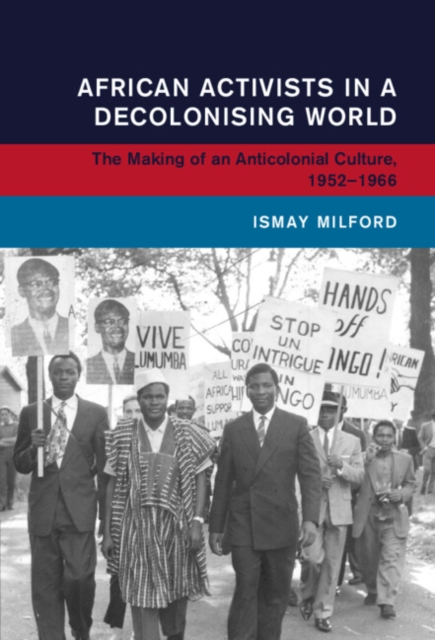
Lisbon rising explores the role of a widespread urban social movement in the revolutionary process that accompanied Portugal's transition from authoritarianism to democracy.
Unique memoir of a Canadian serving in a German armored division What it was like to fight in a tank on the Eastern Front Details on the battlefield performance of the Panzer IV tank Six months before World War II erupted in 1939, Bruno Friesen was sent to Germany by his father in hopes of a better life.
Two gripping memoirs by British night-fighter crewmenAction-adventure tales of aerial combat aboard Beaufighter and Mosquito aircraftAccounts of Pathfinders who flew ahead of bomber formations and marked targets deep inside German territoryHow new technologies like airborne radar, one of World War II's best-kept secrets, were usedHow night-fighters helped save British cities from destruction
During his lifetime, Alexandre Dumas (1802-1870)--grandson of a Caribbean slave and author of The Three Musketeers and The Count of Monte Cristo--faced racial prejudice in his homeland of France and constantly strove to find a sense of belonging.
Integrating in detail the experiences of both Britain and Ireland, 1820 provides a compelling narrative and analysis of the United Kingdom in a year of European revolution.
Immigration has long been associated with the urban landscape, from accounts of inner-city racial tension and discrimination during the 1960s and 1970s and studies of minority communities of the 1980s and 1990s, to the increased focus on cities amongst contemporary scholars of migration and diaspora.
Royals on Tour explores visits by European monarchs and princes to colonies, and by indigenous royals to Europe in the 1800s and early 1900s with case studies of travel by royals from Britain, France, Portugal, Germany, Italy, the Netherlands, Belgium, Japan, the Dutch East Indies and French Indochina.
Lisbon rising explores the role of a widespread urban social movement in the revolutionary process that accompanied Portugal's transition from authoritarianism to democracy.
This book provides a concise set of thirteen essays looking at various aspects of the British left, movements of protest and the cumulative impact of the First World War.
The "e;hair-raising details of the second-by-second events"e; of a Special Forces medic's covert operations during the Vietnam War (On Point: The Journal of Army History Online).
This is the first monograph-length study that charts the coercive diplomacy of the administrations of Richard Nixon and Gerald Ford as practised against their British ally in order to persuade Edward Heath's government to follow a more amenable course throughout the 'Year of Europe' and to convince Harold Wilson's governments to lessen the severity of proposed defence cuts.
In the years before World War I, Montana cowboy Fred Barton was employed by Czar Nicholas II to help establish a horse ranch--the largest in the world--in Siberia to supply the Russian military.