Eine Hommage und zugleich ein Dankeschön an die Menschen, denen Frankfurt seine ständige Entwicklung verdankt Frankfurt war schon immer eine Stadt, in der Menschen mit großen Namen lebten.
The abolition of slavery across large parts of the world was one of the most significant transformations in the nineteenth century, shaping economies, societies, and political institutions.
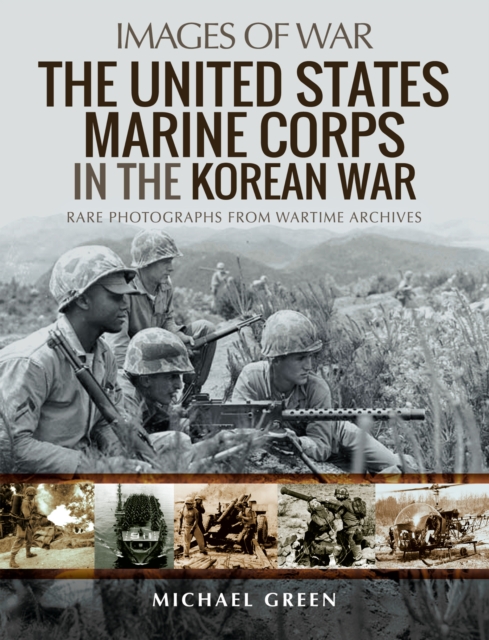
This pictorial history covers the US Marine Corps' outstanding contribution, organization, tactics, fighting doctrine and weaponry during the Korean War.
In this classic text, now in its fourth edition, Gilbert Rist provides a complete and powerful overview of what the idea of development has meant throughout history.
In this classic text, now in its fourth edition, Gilbert Rist provides a complete and powerful overview of what the idea of development has meant throughout history.
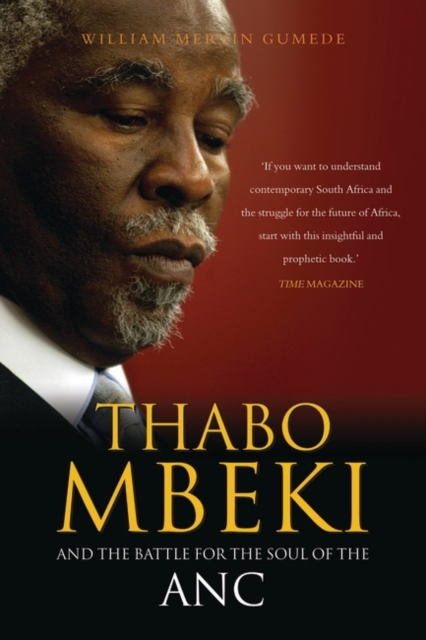
As a spokesman for a country, a continent and the developing world, Thabo Mbeki plays a crucial role in world politics, but to many people he is an enigma.
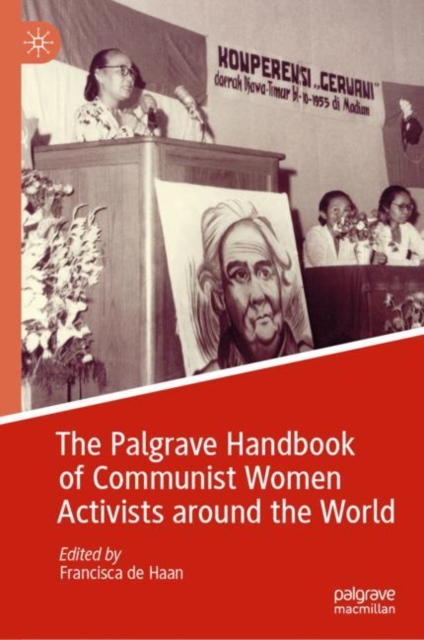
This Handbook addresses the role of women in communism as a global, social and political movement for the first time, exploring their lives, forms of activism, political strategies and transnational networks.
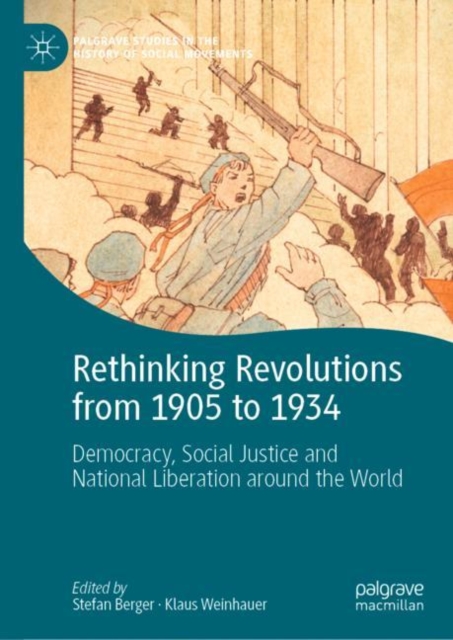
This edited collection offers a timely and original perspective on the many upheavals and revolutions that broke out across the world during the earlytwentieth century.
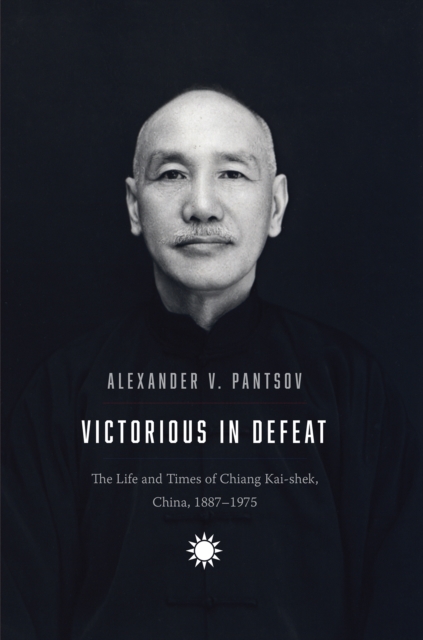
An extensively researched, comprehensive biography of Chinese Nationalist leader Chiang Kai-shek, one of the twentieth century's most powerful and controversial figures Chiang Kai-shek (1887-1975) led the Republic of China for almost fifty years, starting in 1926.
An in-depth examination of the law and geopolitics of China's maritime disputes and their implications for the rules of the international law of the sea China's Law of the Sea is the first comprehensive study of the law and geopolitics of China's maritime disputes.
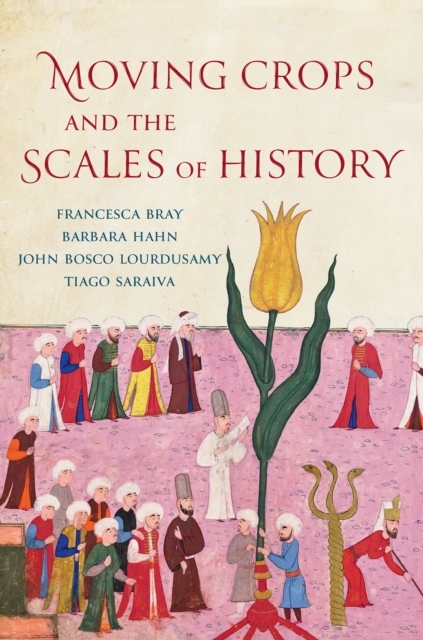
A bold redefinition of historical inquiry based on the "e;cropscape"e;-the people, creatures, technologies, ideas, and places that surround a crop Human efforts to move crops from one place to another have been a key driving force in history.
The 'Defenestration of Prague', the coup d'etat staged by Protestant Bohemian nobles against officials of the Hapsburg Emperor triggered the Thirty Years War.
Das Buch behandelt die Kulturbeziehungen zwischen der Volksrepublik Ungarn und den beiden deutschen Staaten im Zeitalter der bipolaren Weltordnung (1949-1989/90).
Bob Dixon spent years on the Beat as a police constable in the Metropolitan Police Force in the early 1960s, witnessing all manner of incidents, from the serious to the ludicrous.
Born in India in 1937, Michael Fosss childhood was spent between the cold, grey austerity of Britain under threat, and the brightly lit and teeming vitality of wartime India.
WINNER OF THE BRITISH ACADEMY BOOK PRIZEA profound and ground-breaking new history of one of the most important encounters in the history of colonialism: the British arrival in India in the early seventeenth century.
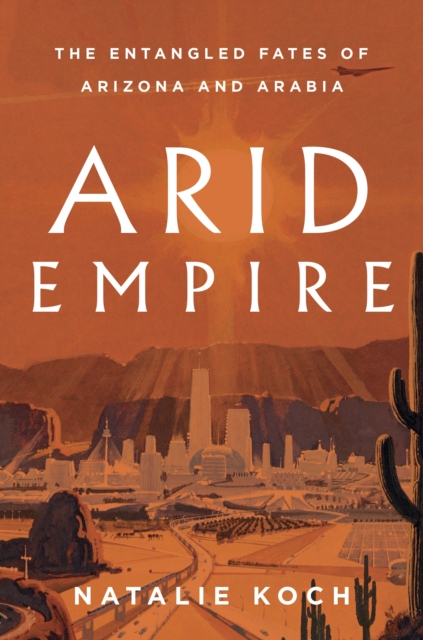
**Longlisted for the 2023 Cundill History Prize**The iconic deserts of the American southwest could not have been colonized and settled without the help of desert experts from the Middle East.
He aquí algunas afirmaciones que el autor ha oído por televisión y en otras ocasiones: «Con seguridad, el budismo es superior: no tiene la ingenuidad del cristianismo»; «¿Cristo?
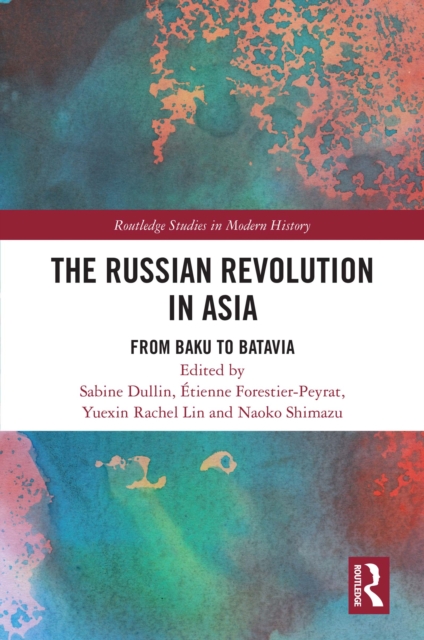
The Russian Revolution in Asia: From Baku to Batavia presents a unique and timely global history intervention into the historiography of the Russian Revolution of 1917, marking the centenary of one of the most significant modern revolutions.
Shard engineer Roma Agrawal deconstructs our most complex inventions into seven fundamental objects: the nail, spring, wheel, lens, magnet, string and pump.
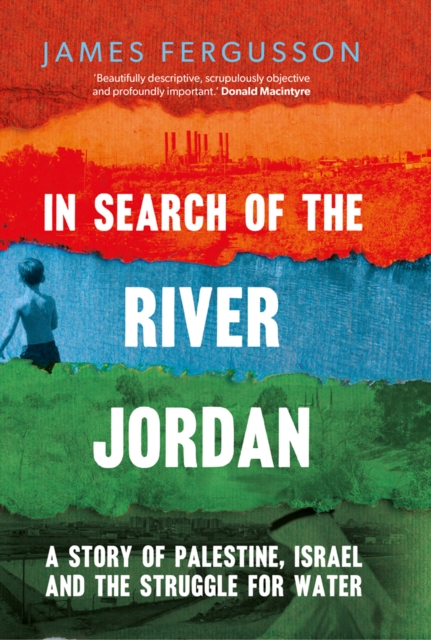
A writer's travels along the legendary yet contested Jordan River-exploring the long conflict over water supply Access to water has played a pivotal role in the Israel-Palestine dispute.
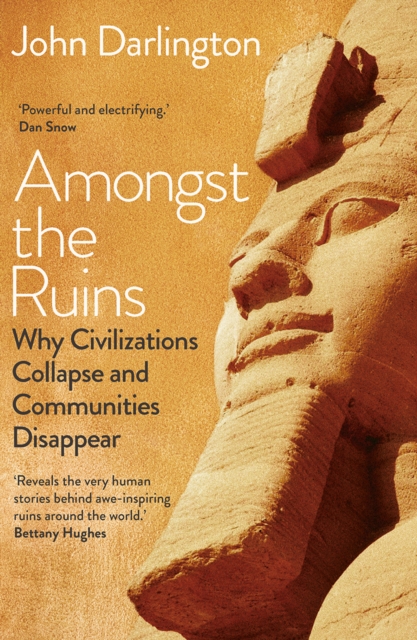
Amongst the Ruins explores the loss of ancient civilizations, the collapse of ruling elites, and the disappearance of more recent communities and their local traditions.
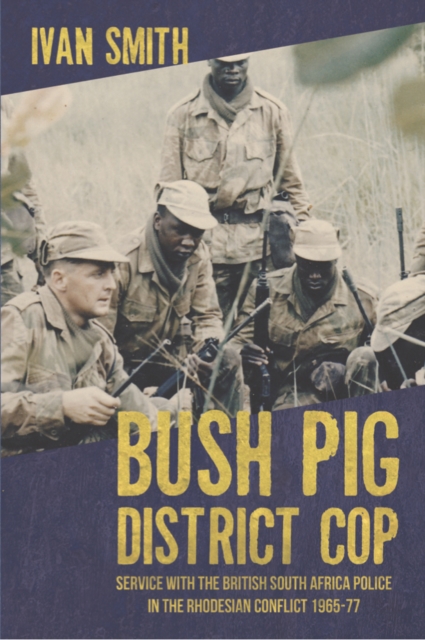
This is the story of one man's service in the British South Africa Police of Rhodesia during his service of nearly fifteen years, between the years 1965 and 1979, and in many ways forms a sequel to the author's book Mad Dog Killers.