Leszek Kolakowski delves into some of the most intellectually vigorous questions of our time in this remarkable collection of essays garnished with his characteristic wit.
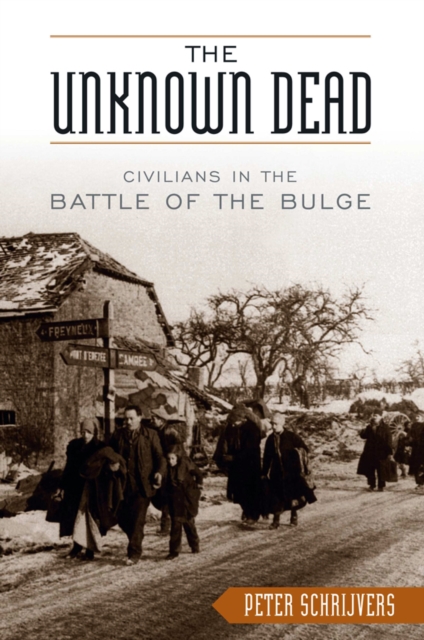
Traditional histories of the hard-fought Battle of the Bulge routinely include detailed lists of the casualties suffered by American, British, and German troops.
Civil War scholars have long used soldiers' diaries and correspondence to flesh out their studies of the conflict's great officers, regiments, and battles.
The Presbyterian Handbook, Revised Edition provides historical and up to date theological information about Presbyterian beliefs alongside fun-filled facts and practical tips on being a churchgoing follower of Jesus Christ.
This book examines a basic assumption behind most of the critical, progressive thinking of our times: that trade unions are necessarily tools for solidarity and are integral to a more equal and just society.
In the European Enlightenments it was often argued that moral conduct rather than adherence to certain theological doctrines was the true measure of religious belief.
The definitive book on the archaeology of Palestine from Alexander the Great’s conquest to Constantine’s reign Drawing on the most recent, groundbreaking archaeological research, Eric M.
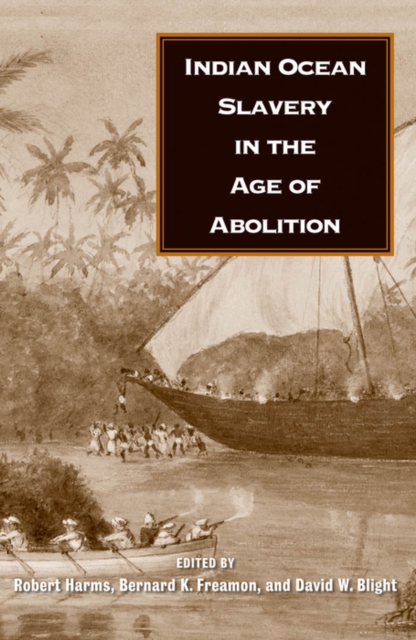
While the British were able to accomplish abolition in the trans-Atlantic world by the end of the nineteenth century, their efforts paradoxically caused a great increase in legal and illegal slave trading in the western Indian Ocean.
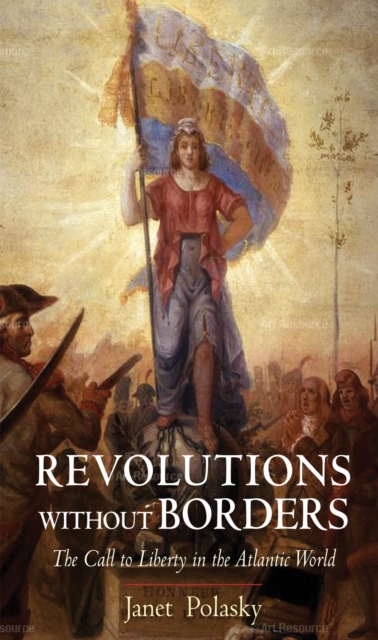
A sweeping exploration of revolutionary ideas that traveled the Atlantic in the late eighteenth century Nation-based histories cannot do justice to the rowdy, radical interchange of ideas around the Atlantic world during the tumultuous years from 1776 to 1804.
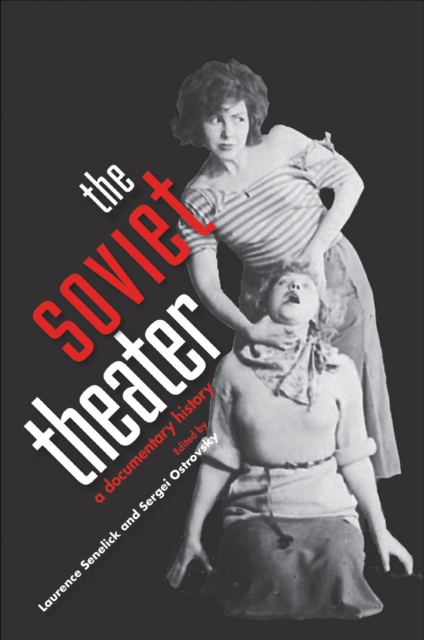
In this monumental work, Laurence Senelick and Sergei Ostrovsky offer a panoramic history of Soviet theater from the Bolshevik Revolution to the eventual collapse of the USSR.
A vivid and revealing portrait of shipboard life as experienced by eighteenth-century migrants from Europe to the New World In October 1735, James Oglethorpe’s Georgia Expedition set sail from London, bound for Georgia.
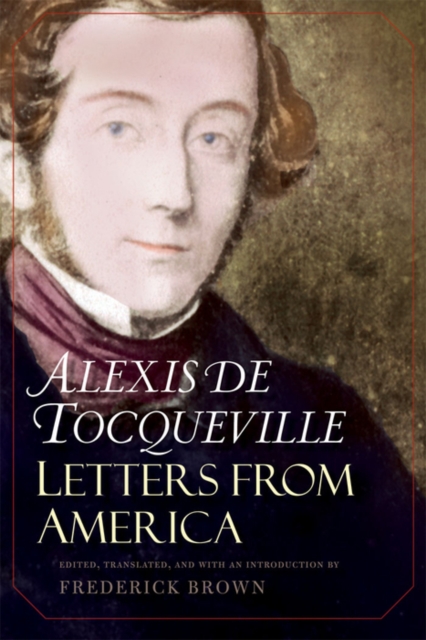
A remarkable collection of charming and eloquent letters that contain the seeds of Tocqueville’s later masterful account of American democracy Young Alexis de Tocqueville arrived in the United States for the first time in May 1831, commissioned by the French government to study the American prison system.
The best single-volume analysis of Burma, its checkered history, and its attempts to reform Burma is one of the largest countries in Southeast Asia and was once one of its richest.
Through the story of a portrait of a woman in a silk dress, historian Zara Anishanslin embarks on a fascinating journey, exploring and refining debates about the cultural history of the eighteenth-century British Atlantic world.
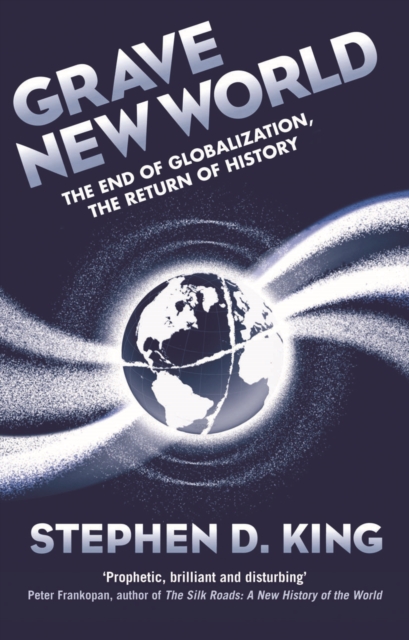
A controversial look at the end of globalization and what it means for prosperity, peace, and the global economic order Globalization, long considered the best route to economic prosperity, is not inevitable.
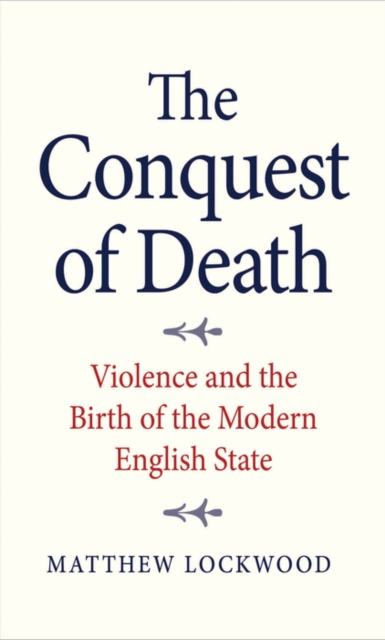
A fresh and fascinating history of crime and violence in England through the office of the coroner In his fascinating debut, Matthew Lockwood explores the history of crime, homicide, and suicide in England over four centuries through the office of the coroner.
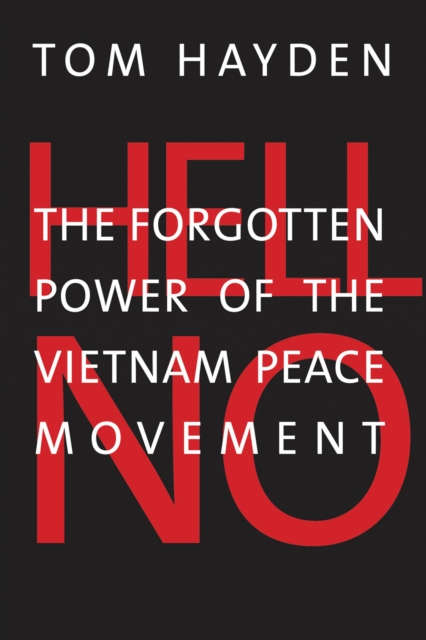
Why those who protested the Vietnam War must be honored, remembered, and appreciated"e;Hell no"e; was the battle cry of the largest peace movement in American history the effort to end the Vietnam War, which included thousands of veterans.
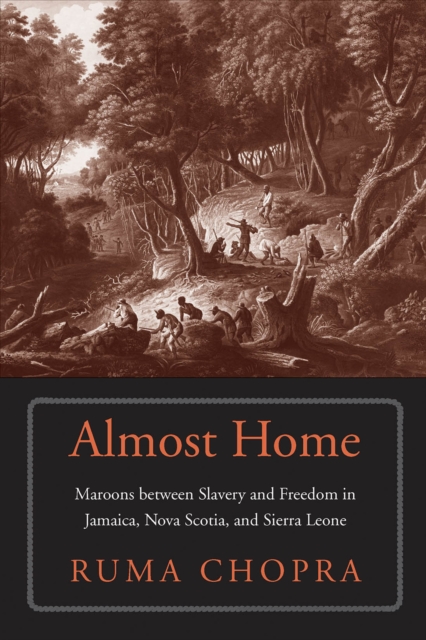
The unique story of a small community of escaped slaves who revolted against the British government yet still managed to maneuver and survive against all odds After being exiled from their native Jamaica in 1795, the Trelawney Town Maroons endured in Nova Scotia and then in Sierra Leone.
As Britain and France became more powerful during the eighteenth century, small states such as Geneva could no longer stand militarily against these commercial monarchies.
A passionate account of how the gulf between France's metropolitan elites and its working classes are tearing the country apartChristophe Guilluy, a French geographer, makes the case that France has become an "e;American society"e; one that is both increasingly multicultural and increasingly unequal.
One of the most distinguished cultural and intellectual historians of our time, Frank Turner taught a landmark Yale University lecture course on European intellectual history that drew scores of students over many years.
Authors Christensen and Laitin argue that an interplay of geographic, historical, and demographic factors undergird sub'Saharan states’ post'independence struggles to eradicate poverty, establish democratic accountability, and quell civil unrest.
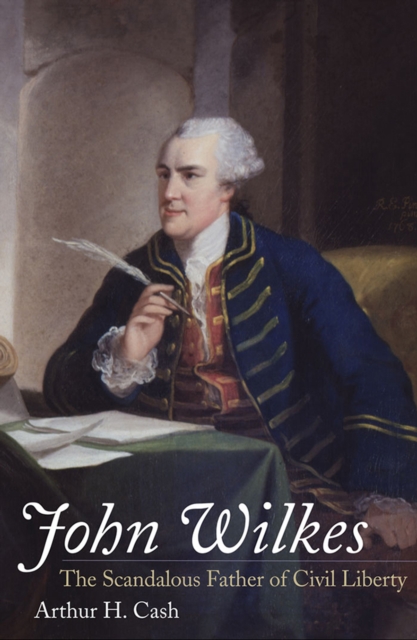
Pulitzer Prize Finalist: A biography of the wildly colorful eighteenth-century British politician who became "e;the toast of American revolutionaries"e; (Booklist).
Outlandish alchemist and magician, political intelligencer, apocalyptic prophet, and converser with angels, John Dee (1527–1609) was one of the most colorful and controversial figures of the Tudor world.
This fascinating documentary history is the first English-language exploration of Joseph Stalin's relationship with, and manipulation of, the Soviet political police.
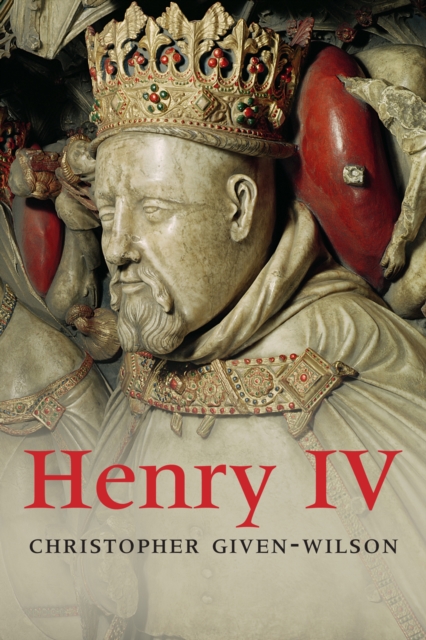
Henry IV (1399–1413), the son of John of Gaunt, duke of Lancaster, seized the English throne at the age of thirty-two from his cousin Richard II and held it until his death, aged forty-five, when he was succeeded by his son, Henry V.
A major reassessment of Philip V's leadership and what it meant for the modern Spanish state Often dismissed as ineffective, indolent, and dominated by his second wife, Philip V of Spain (1700–1746), the first Bourbon king, was in fact the greatest threat to peace in Europe during his reign.
Vietnam Declassified is a detailed account of the CIA's effort to help South Vietnamese authorities win the loyalty of the Vietnamese peasantry and suppress the Viet Cong.
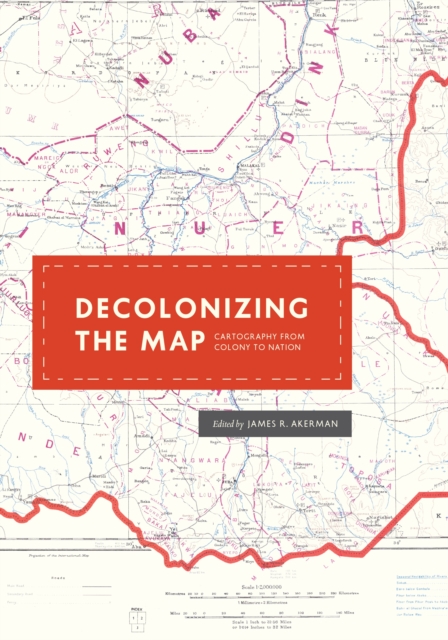
Almost universally, newly independent states seek to affirm their independence and identity by making the production of new maps and atlases a top priority.
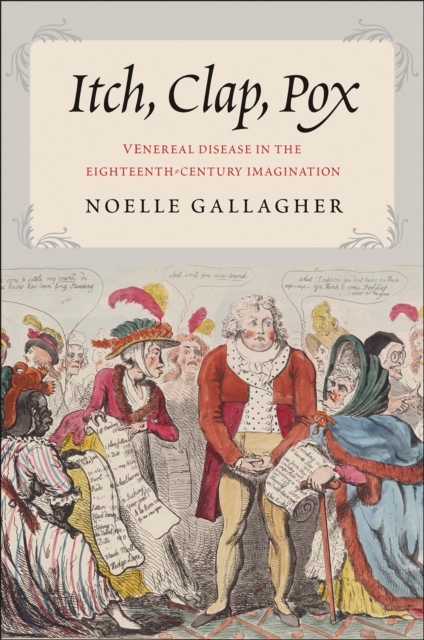
A lively interdisciplinary study of how venereal disease was represented in eighteenth-century British literature and art In eighteenth-century Britain, venereal disease was everywhere and nowhere: while physicians and commentators believed the condition to be widespread, it remained shrouded in secrecy, and was often represented using slang, symbolism, and wordplay.