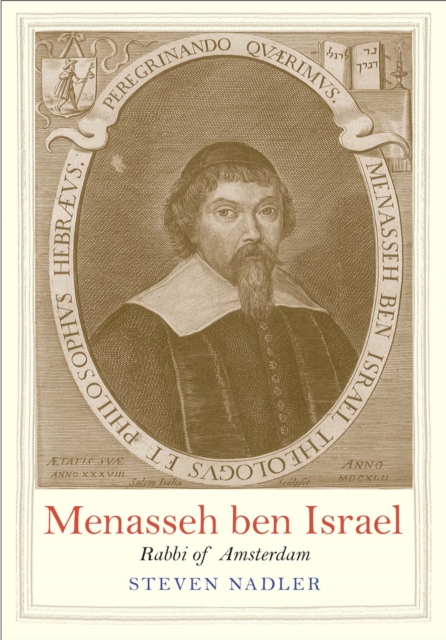
From the prizewinning Jewish Lives series, an illuminating biography of the great Amsterdam rabbi and celebrated popularizer of Judaism in the seventeenth century Menasseh ben Israel (1604–1657) was among the most accomplished and cosmopolitan rabbis of his time, and a pivotal intellectual figure in early modern Jewish history.
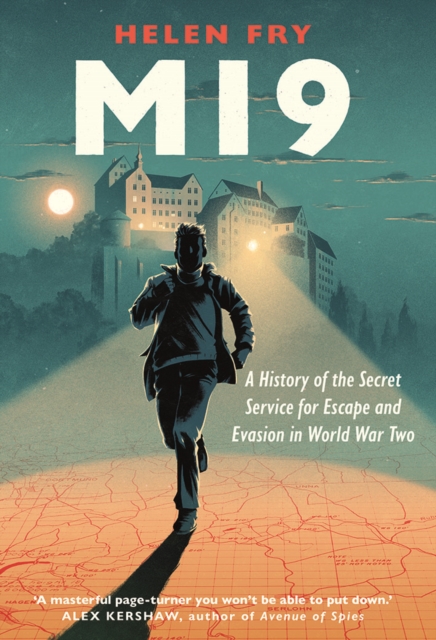
A thrilling history of MI9—the WWII organization that engineered the escape of Allied forces from behind enemy lines“A fitting tribute to the hundreds of men and women who risked their lives in assisting Allied escapees.
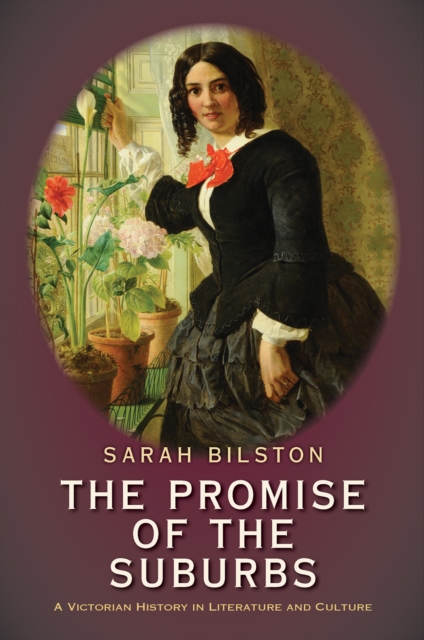
A study of the fast-growing Victorian suburbs as places of connection, creativity, and professional advance, especially for women Literature has, from the start of the nineteenth century, cast the suburbs as dull, vulgar, and unimaginative margins where, by definition, nothing important takes place.
Prior histories of the first Spanish mariners to circumnavigate the globe in the sixteenth century have focused on Ferdinand Magellan and the other illustrious leaders of these daring expeditions.
A lively, expansive history of the Protestant and Catholic Reformations and the momentous changes they set in motion This fast-paced survey of Western civilization’s transition from the Middle Ages to modernity brings that tumultuous period vividly to life.
A unique, in-depth view of Victorian London during the record-breaking summer of 1858, when residents both famous and now-forgotten endured “The Great Stink” together While 1858 in London may have been noteworthy for its broiling summer months and the related stench of the sewage-filled Thames River, the year is otherwise little remembered.
A true story of violence and punishment that illuminates a transformative moment in Guatemalan historyOn the morning of July 1, 1800, a surveyor and mapmaker named Cayetano Dv?
This book is the culmination of more than three decades of meticulous historiographic research on Nazi Germany by one of the period's most distinguished historians.
An authoritative history of the Greek Civil War and its profound influence on American foreign policy and the post–Second World War period In his comprehensive history André Gerolymatos demonstrates how the Greek Civil War played a pivotal role in the shaping of policy and politics in post–Second World War Europe and America and was a key starting point of the Cold War.
A fascinating study of the root motivations behind the political activities and philosophies of Putin’s government in Russia Charles Clover, award-winning journalist and former Moscow bureau chief for the Financial Times, here analyses the idea of "Eurasianism," a theory of Russian national identity based on ethnicity and geography.
The extraordinary account of the Cuban people’s struggle for survival in a post-Soviet world In the aftermath of the fall of the Soviet Union, Cuba faced the start of a crisis that decimated its economy.
Over five centuries, a global archipelago of quarantine stations came to connect the world's oceans from the Mediterranean to the South Pacific, from Atlantic coasts to the Red Sea.
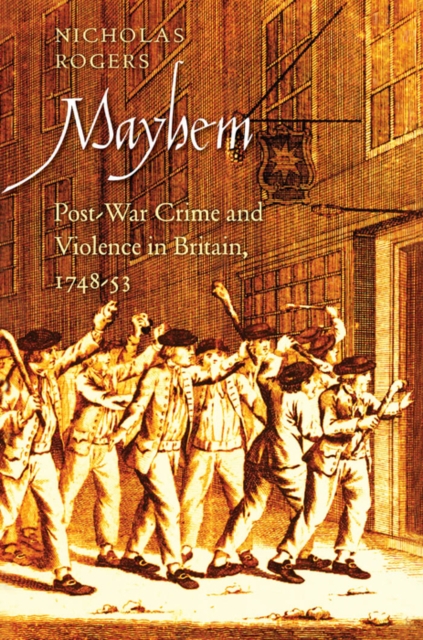
After the end of the War of Austrian Succession in 1748, thousands of unemployed and sometimes unemployable soldiers and seamen found themselves on the streets of London ready to roister the town and steal when necessary.
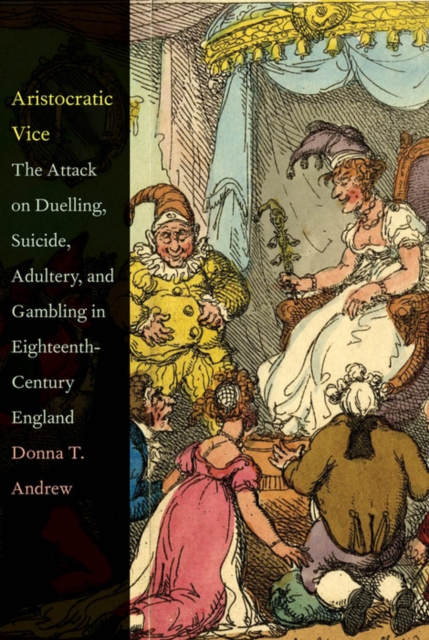
Aristocratic Vice examines the outrage against—and attempts to end—the four vices associated with the aristocracy in eighteenth-century England: duelling, suicide, adultery, and gambling.
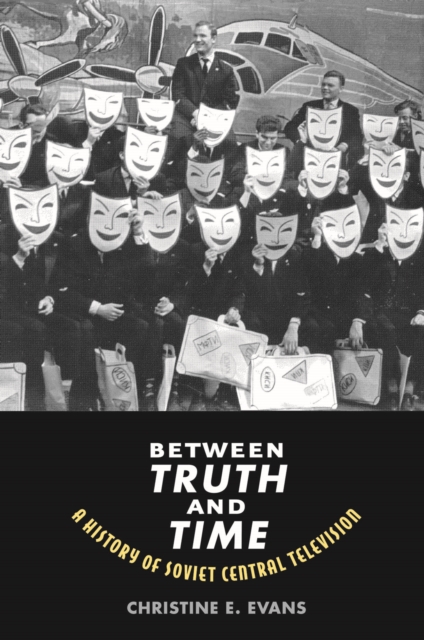
The first full-length, archive-based history of Soviet Central Television’s production and programming in the decades before perestroika In the first full-length study of Soviet Central Television to draw extensively on archival sources, interviews, and television recordings, Evans challenges the idea that Soviet mass culture in the Brezhnev era was dull and formulaic.
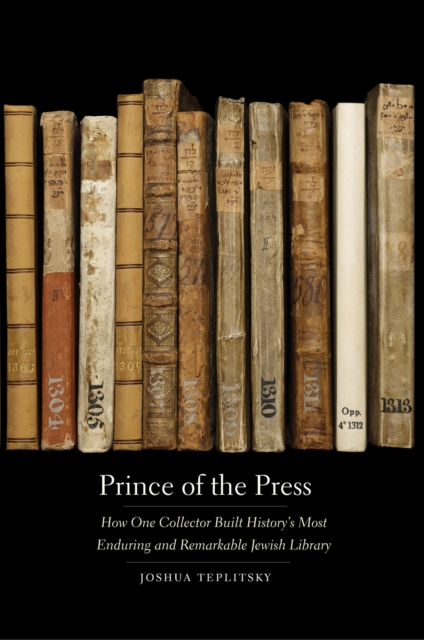
David Oppenheim (1664–1736), chief rabbi of Prague in the early eighteenth century, built an unparalleled collection of Jewish books and manuscripts, all of which have survived and are housed in the Bodleian Library at Oxford.
Zahn reconstructed his year of combat in Vietnam with surprising detail, capturing the cockiness, angst, and attitude of the naive nineteen-year-old 1st Cavalry Division attack helicopter pilot of 1970 and 1971.
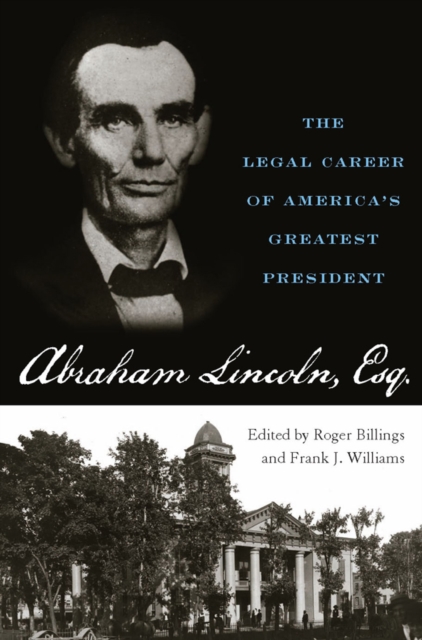
As our nation's most beloved and recognizable president, Abraham Lincoln is best known for the Emancipation Proclamation and for guiding our country through the Civil War.
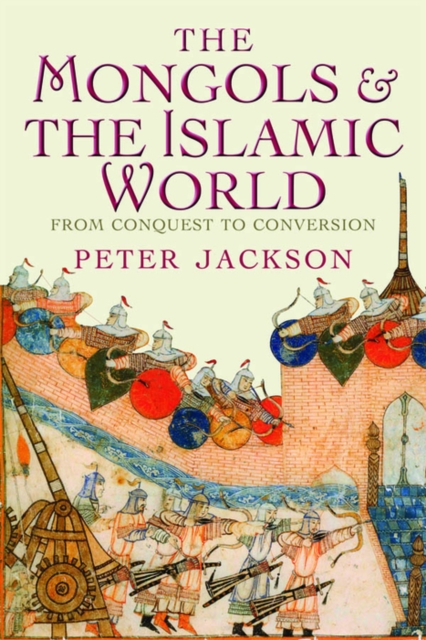
An epic historical consideration of the Mongol conquest of Western Asia and the spread of Islam during the years of non-Muslim rule The Mongol conquest of the Islamic world began in the early thirteenth century when Genghis Khan and his warriors overran Central Asia and devastated much of Iran.
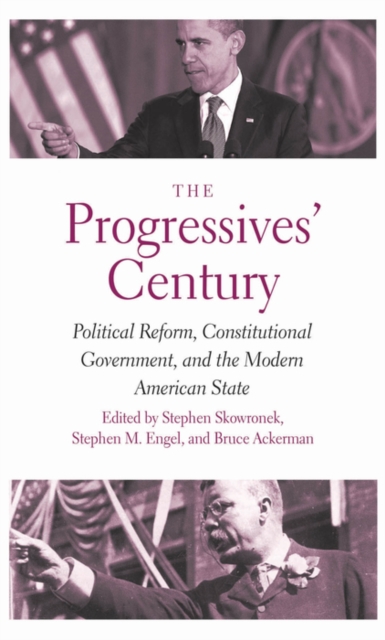
A landmark work on how the Progressive Era redefined the playing field for conservatives and liberals alike During the 1912 presidential campaign, Progressivism emerged as an alternative to what was then considered an outmoded system of government.
A compelling study of “new sincerity” as a powerful cultural practice, born in perestroika-era Russia, and how it interconnects with global social and media flows The global cultural practice of a “new sincerity” in literature, media, art, design, fashion, film, and architecture grew steadily in the wake of the Soviet collapse.
An unprecedented analysis of the crucial but underexplored roles the United States and other nations have played in shaping Syria’s ongoing civil war Most accounts of Syria’s brutal, long-lasting civil war focus on a domestic contest that began in 2011 and only later drew foreign nations into the escalating violence.
This engaging study explores how the works of Shakespeare, Milton, Swift, and others were taken up by caricaturists as a means of helping the eighteenth-century British public make sense of political issues, outrages, and personalities.
A major reassessment of the development of race and subjecthood in the British AtlanticFocusing on Jamaica, Britain’s most valuable colony in the Americas by the mid-eighteenth century, this book explores the relationship between racial classifications and the inherited rights and privileges associated with British subject status.
An accessible survey of the history of European overseas empires in the seventeenth and eighteenth centuries based on new scholarship In this thematic survey, Gabriel Paquette focuses on the evolution of the Spanish, Portuguese, English, French, and Dutch overseas empires in the seventeenth and eighteenth centuries.
The birth of the US Navy's "e;Take Charge and Move Out"e; (TACAMO) mission which provides essential airborne communications to the US nuclear deterrence forces.
The powerful writings and art of Jews living in the Warsaw Ghetto Hidden in metal containers and buried underground during World War II, these works from the Warsaw Ghetto record the Holocaust from the perspective of its first interpreters, the victims themselves.
From 1961 to 1989, a committed group of documentary journalists from the National Broadcasting Company (NBC) reported the stories of America's overseas conflicts.
Women Reformers of Early ModernEurope provides an expansive view of women negotiating their faith, voice, and agency in the religious and cultural scene of the sixteenth-century reformations.
In 100 Missions North, Ken Bell recounts the harrowing sorties that he and his comrades flew in F-105 Thunderchiefs, the famous Thud, in 1966-67, when pilots faced a 50 percent loss rate.
New edition: The classic illustrated history of the special ops unit-"e;an unprecedented look into this little-known aspect of the Vietnam conflict"e; (American Rifleman).
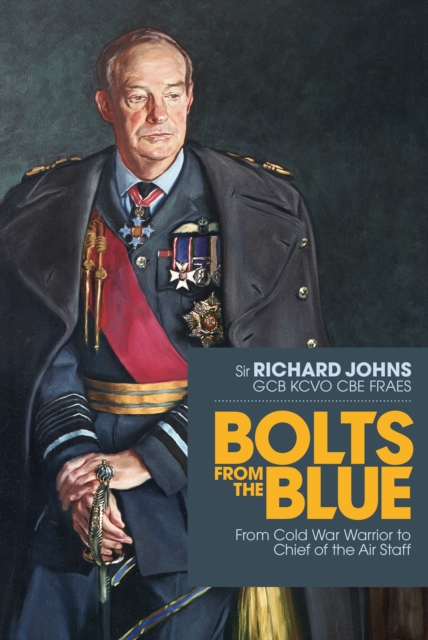
Air Chief Marshal Sir Richard Johns was commissioned at the RAF College Cranwell in 1959 after completing flying training on Piston Provost and Meteor aircraft.
Since 20 December 2001 - the date which marked the authorization of the International Security Assistance Force (ISAF) to assist the Afghan Government - hundreds of thousands of coalition soldiers from around 50 different states have physically been and served in Afghanistan.
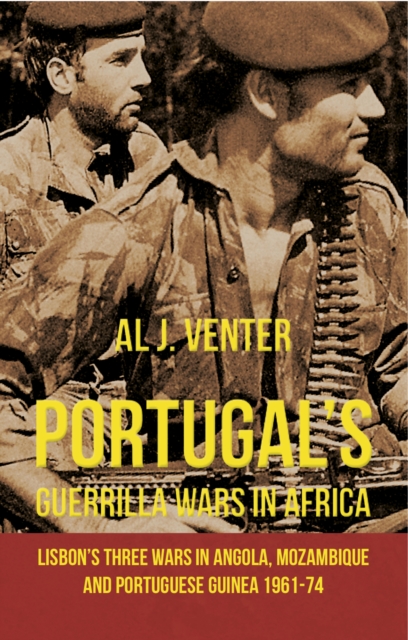
Nominated for the NYMAS Arthur Goodzeit Book Award 2013Portugal's three wars in Africa in Angola, Mozambique and Portuguese Guinea (Guiné-Bissau today) lasted almost 13 years - longer than the United States Army fought in Vietnam.