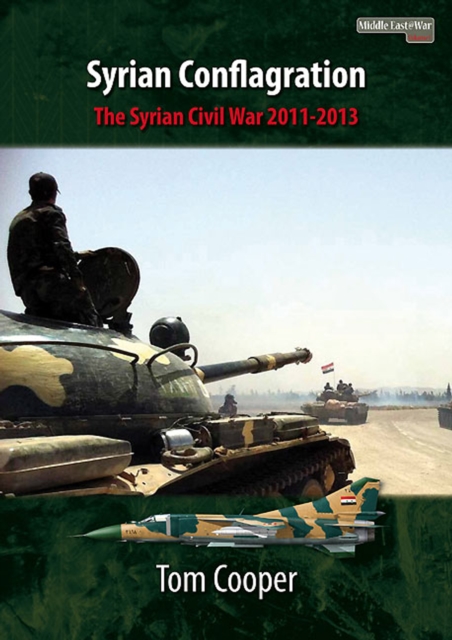
The Syrian Civil War, (the colloquial name of the ongoing conflict in Syria), has experienced an entirely unexpected transformation during its first two years.
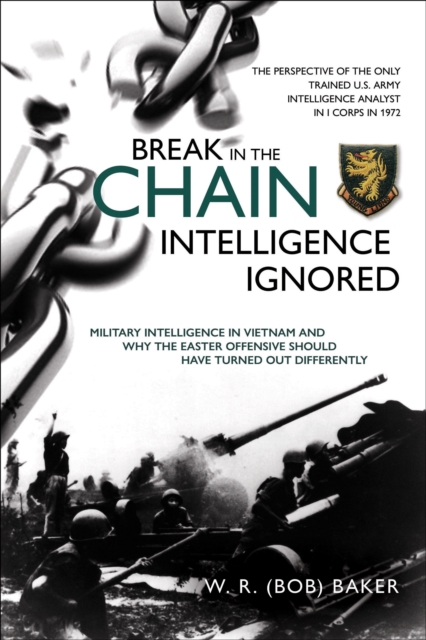
A riveting combination of war memoir and analysis providing "e;valuable insights"e; into the role of military intelligence in Vietnam (International Journal of Intelligence and Counterintelligence).
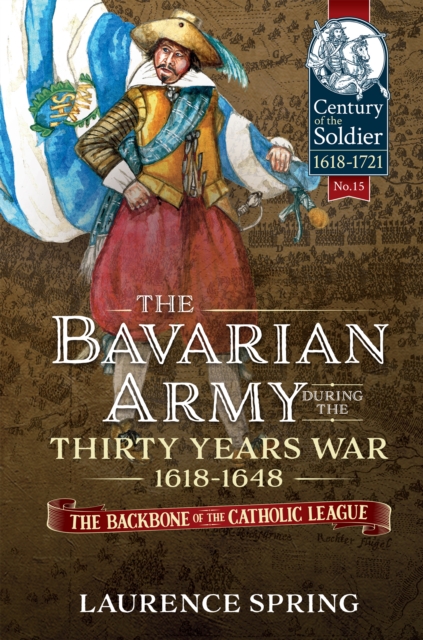
The Bavarian Army has been overshadowed by those of Gustavus Adolphus’ and Wallenstein’s Armies, but it was one of only a few armies to have fought throughout the Thirty Years War, first as part of the Catholic League and then an independent army after the Peace of Prague.
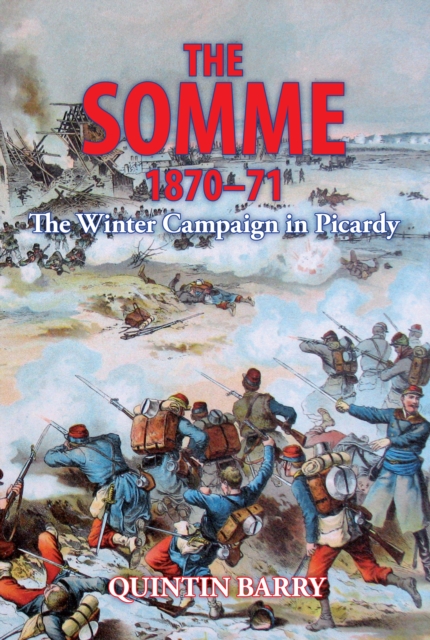
After the battle of Sedan on September 1, 1870 and the collapse of the Second Empire, followed by the investment of Paris, the Government of National Defense set about raising fresh armies.
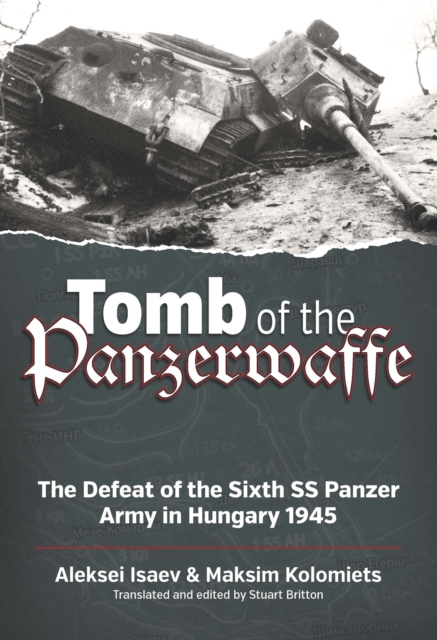
In March 1945 the German Wehrmacht undertook its final attempt to change the course of the war by launching a counteroffensive in the area of Lake Balaton, Hungary.
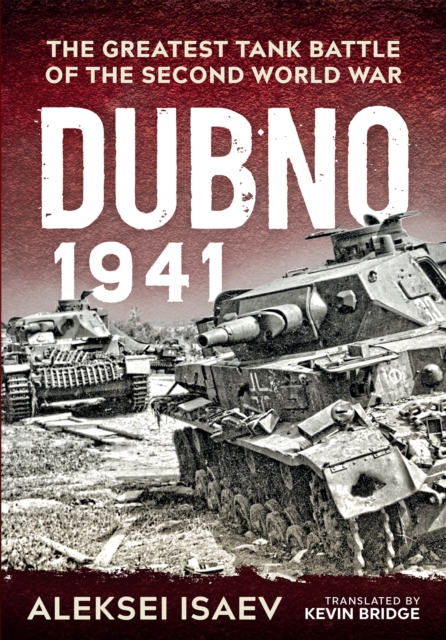
In June 1941 - during the first week of the Nazi invasion in the Soviet Union - the quiet cornfields and towns of Western Ukraine were awakened by the clanking of steel and thunder of explosions; this was the greatest tank battle of the Second World War.
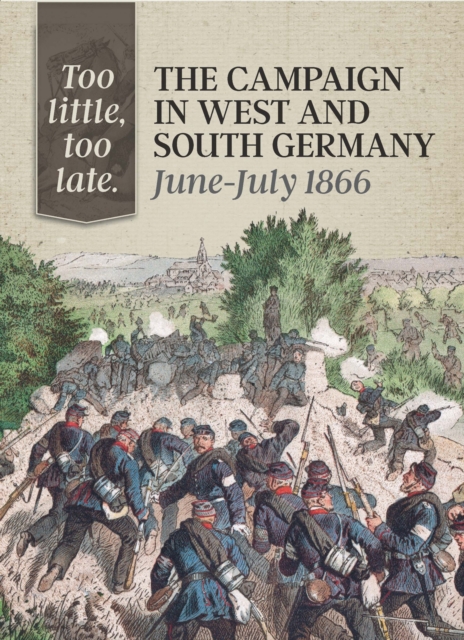
In the spring of 1866, the so-called German Confederation, then a loose organization of autonomous states, was thrown into crisis by a rift between the two largest members, the Austrian Empire, and The Kingdom of Prussia.
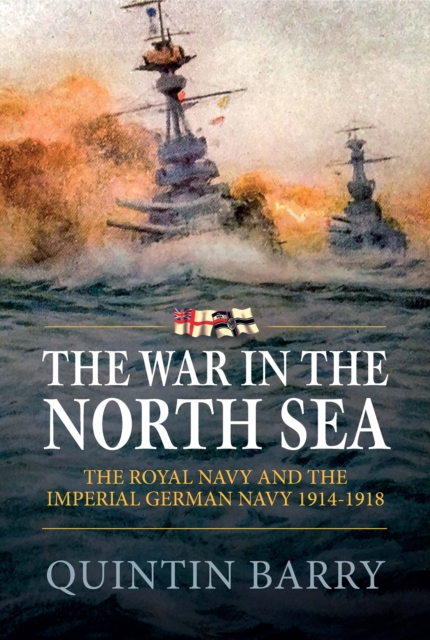
For years before the outbreak of the First World War, it was the expectation of most officers of the Royal Navy and the Imperial German Navy that very shortly thereafter; a decisive fleet action would be fought.
Most studies of the 1940 Western Campaign have tended to focus on a narrow range of topics, principally those relating the German forces or the epic of Dunkirk.
A Congressional Medal of Honor AccountExtraordinary Valor is the story of Special Forces Major John Duffy's Medal of Honor gallantry at Firebase Charlie, and the heroism of South Vietnamese paratrooper, Major L Vn M, who fought by his side.
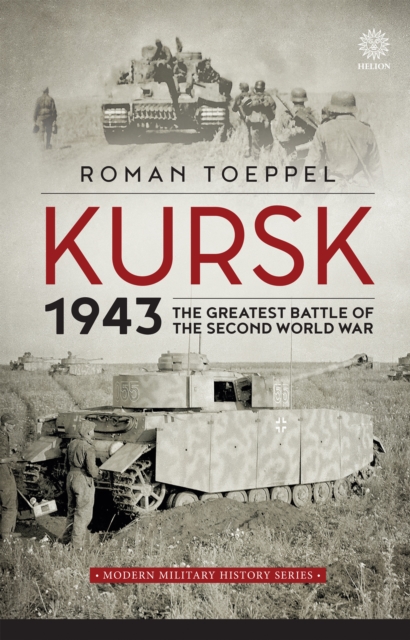
The Battle of Kursk in the summer of 1943 was one of the greatest battles in military history involving more than 3 million soldiers, 10,000 tanks and 8,000 aircraft.
In the later years of the Second World War Germany was subjected to a tremendous onslaught by the bomber commands of both the RAF and USAAF, as well as being assaulted by land.
Addison Mizners Mediterranean-style mansions are much-admired Florida icons, where even today you can find many homes modeled with stucco walls and tiled roofs.
This book focuses on the history of the provision of legal aid and legal assistance to the poor in the nineteenth and twentieth centuries in eight different countries.
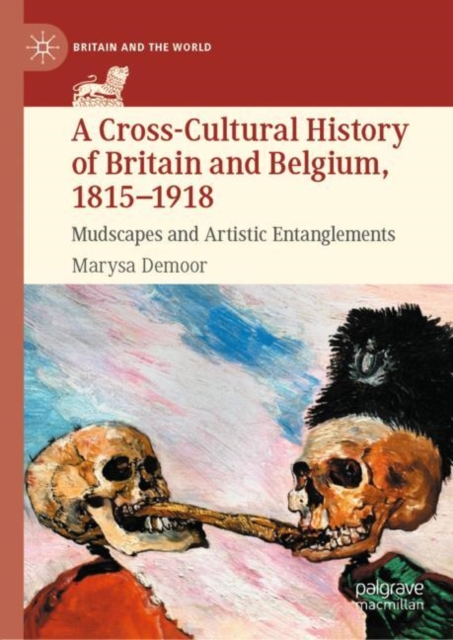
This book highlights the ways in which Britain and Belgium became culturally entangled as a result of their interaction in the period between the Napoleonic Wars and the First World War.
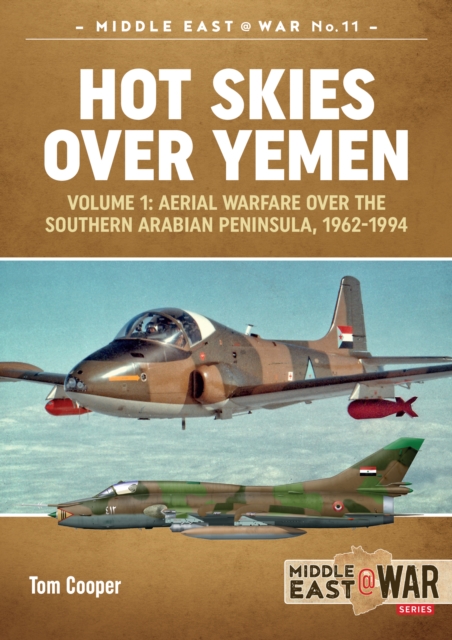
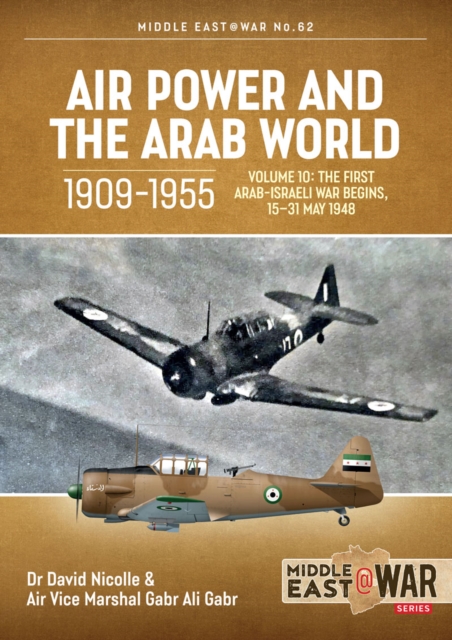
This entry in the MiddleEast@War series is illustrated with abundant photographs from previously unused, or very rarely used, private and official sources.
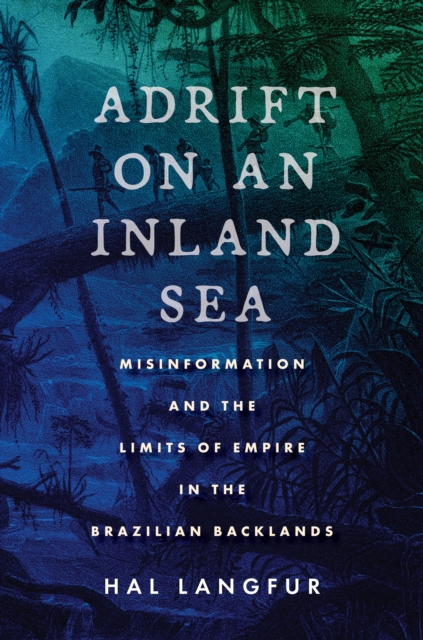
From 1750 until Brazil won its independence in 1822, the Portuguese crown sought to extend imperial control over the colony's immense, sea-like interior and exploit its gold and diamond deposits using enslaved labor.
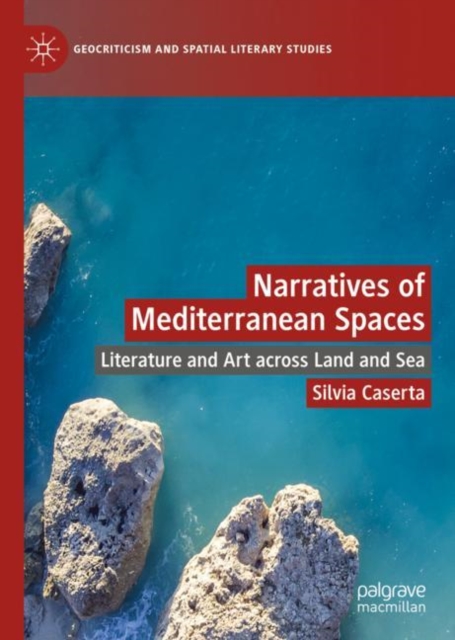
Narratives of Mediterranean Space: Literature and Art across Land and Sea presents a comparative analysis of contemporary literary and visual narratives of movement and migration produced in Italian, Arabic and French.
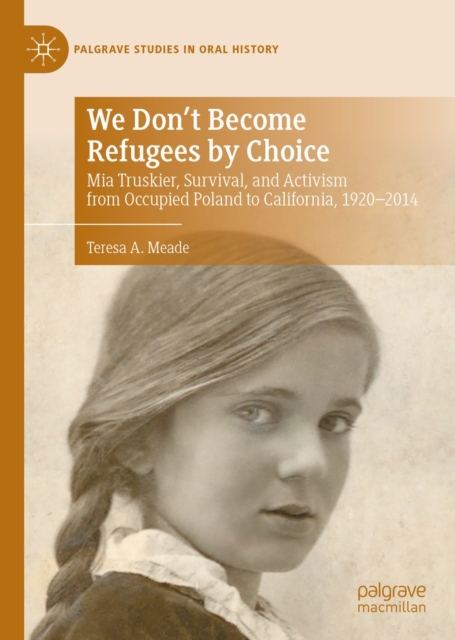
This book traces the life of Maria Mia Truskier, who fled the Nazis as a young Polish Jew in early 1940 and once safely resettled in the United States, became an activist for other refugees, earning renown in the Bay Area as "e;the oldest refugee"e; of the East Bay Sanctuary Covenant.
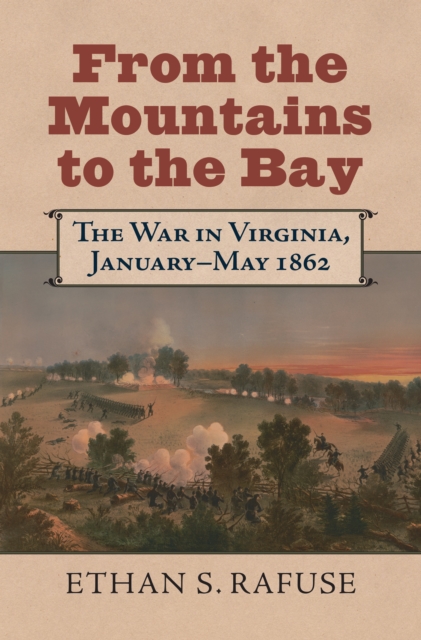
From January to July of 1862, the armies and navies of the Union and Confederacy conducted an incredibly complex and remarkably diverse range of operations in the Commonwealth of Virginia.
How succession in authoritarian regimes was less a competition of visions for the future and more a settling of scores "e;Joseph Torigian's stellar research and personal interviews have produced a brilliant, meticulous study.
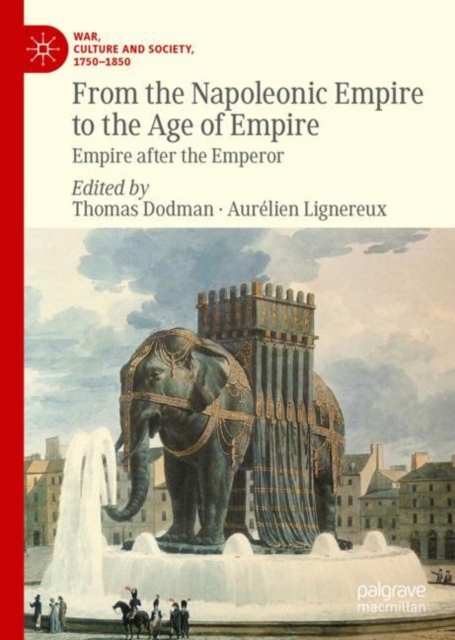
This book explores imperial entanglements to reassess the Napoleonic Empire as a missing link-or at least an important chain-in the global and longue duree history of Empires.
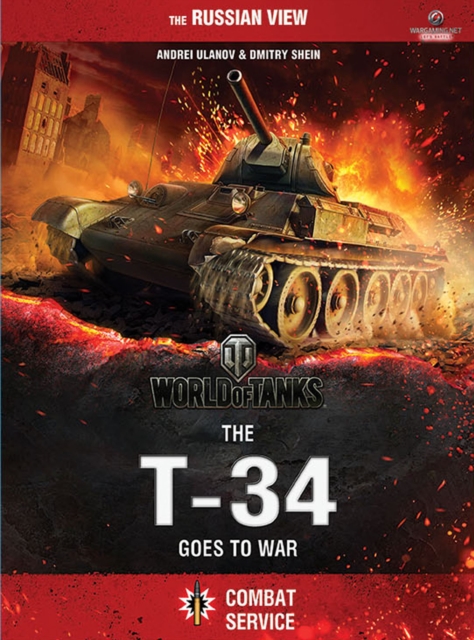
In 2012, the company that created World of Tanks, the phenomenal worldwide massive, multi-player online game, started publishing a series of books in Russian that utilized Soviet documents and archival materials that had never before been seen by outsiders or published in any language about the design, procurement, development, manufacturing, and combat employment of Soviet armored fighting vehicles (AFVs) during World War Two (the Great Patriotic War to Russians).
This book provides an advanced introduction to the Cold War, assessing its origins, development and conclusion as a dynamic interaction between superpower confrontation and complex regional and local situations.
Comprising a collection of interview essays with nineteen public intellectuals and scholars from around the world, this book reflects on some of the most pressing questions of our age: what is global inequality; what causes it; and how should we deal with it?
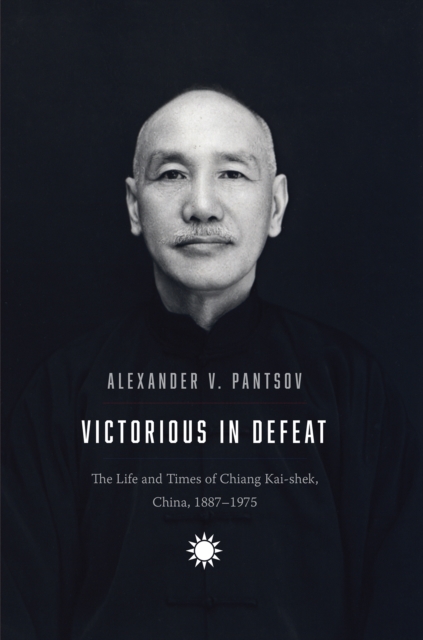
An extensively researched, comprehensive biography of Chinese Nationalist leader Chiang Kai-shek, one of the twentieth century's most powerful and controversial figures Chiang Kai-shek (1887-1975) led the Republic of China for almost fifty years, starting in 1926.
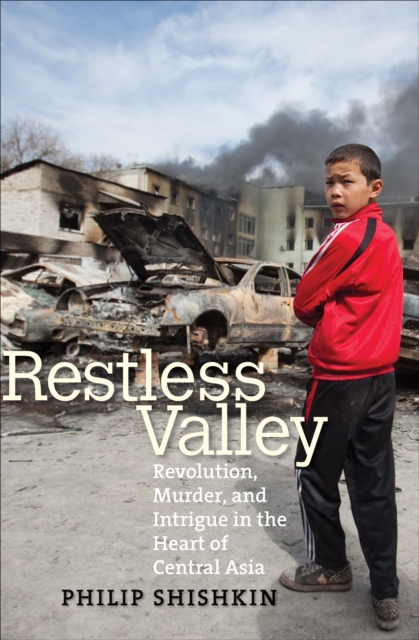
This award-winning foreign correspondent's vivid account of Central Asia's recent history "e;reads like a novel but is the stuff of hard-won journalism"e; (Gary Shteyngart, author of Absurdistan).
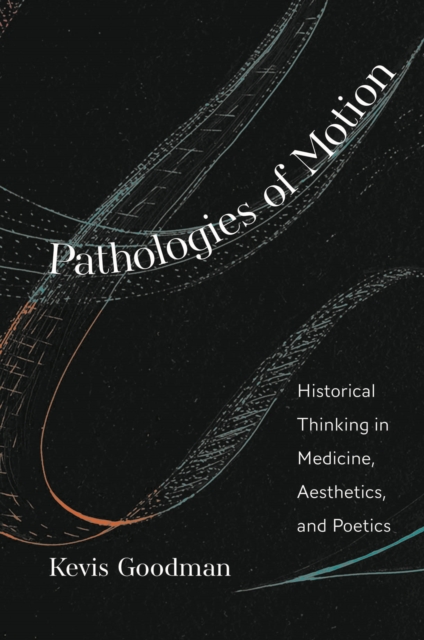
An original study of late Enlightenment aesthetics, poetics, and environmental medicine as overlapping ways of comprehending the dislocations of historical existence lodged in the movements of bodies and minds This book studies later eighteenth-century medicine, aesthetics, and poetics as overlapping forms of knowledge increasingly concerned about the relationship between the geographical movements of persons displaced from home and the physiological or nervous "e;motions"e; within their bodies and minds.