Examining the lives and works of three iconic personalities —Germaine de Staël , Stendhal, and Georges Cuvier—Kathleen Kete creates a groundbreaking cultural history of ambition in post-Revolutionary France.
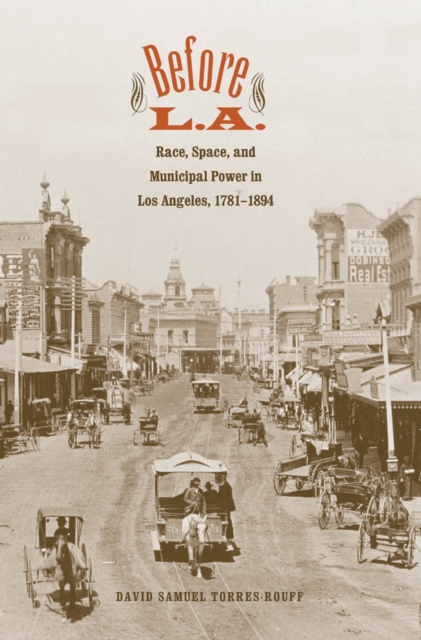
David Torres-Rouff significantly expands borderlands history by examining the past and original urban infrastructure of one of America's most prominent cities; its social, spatial, and racial divides and boundaries; and how it came to be the Los Angeles we know today.
The untold story of Israel’s diplomatic maneuvering in the wake of the Six Day War, which frustrated a possible peace settlement Israel’s victory in the June 1967 Six Day War provided a unique opportunity for resolving the decades-old Arab-Zionist conflict.
A vital, engaging, and hugely enjoyable guide to poetry, from ancient times to the present, by one of our greatest champions of literature--selected as the literature book of the year by the London Times "e;[A] fizzing, exhilarating book.
Religious liberty is usually examined within a larger discussion of church-state relations, but Thomas Kselman looks at several individuals in Restoration France whose high-profile conversions fascinated their contemporaries.
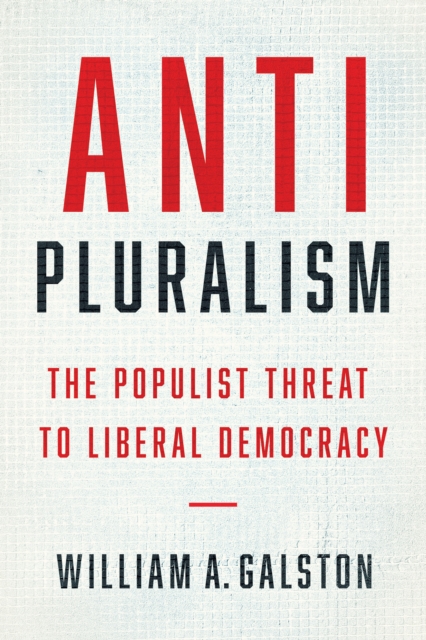
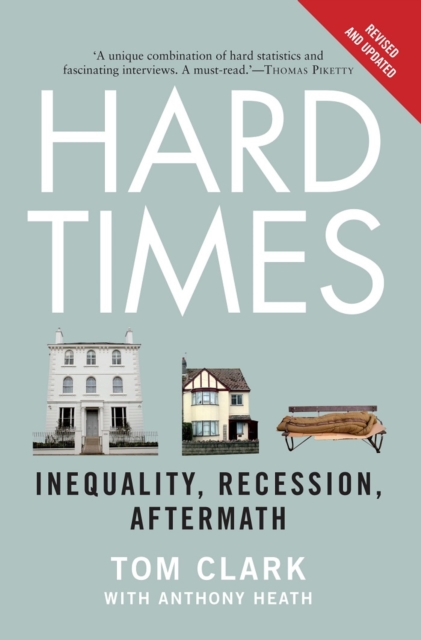
The Great Recession, institutional dysfunction, a growing divide between urban and rural prospects, and failed efforts to effectively address immigration have paved the way for a populist backlash that disrupts the postwar bargain between political elites and citizens.
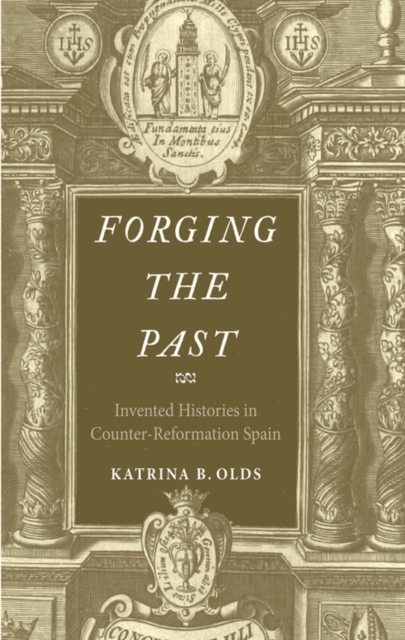
Spain’s infamous “false chronicles” were alleged to have been unearthed in 1595 in a monastic library deep in the heart of the German-speaking territories of the Holy Roman Empire by the Jesuit priest Jerónimo Román de la Higuera.
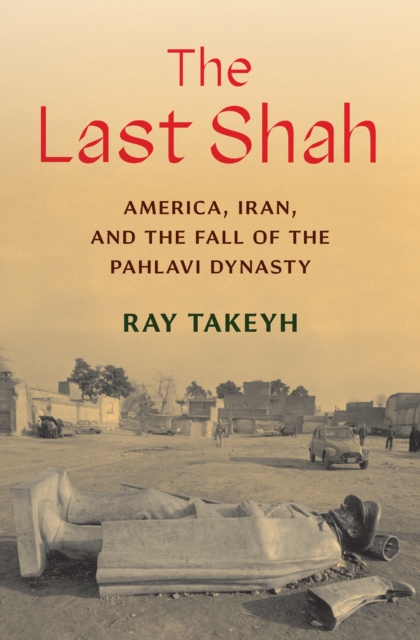
The surprising story of Iran's transformation from America's ally in the Middle East into one of its staunchest adversariesOffering a new view of one of America's most important, infamously strained, and widely misunderstood relationships of the postwar era, this book tells the history of America and Iran from the time the last shah, Mohammad Reza Pahlavi, was placed on the throne in 1941 to the 1979 revolution that brought the present Islamist government to power.
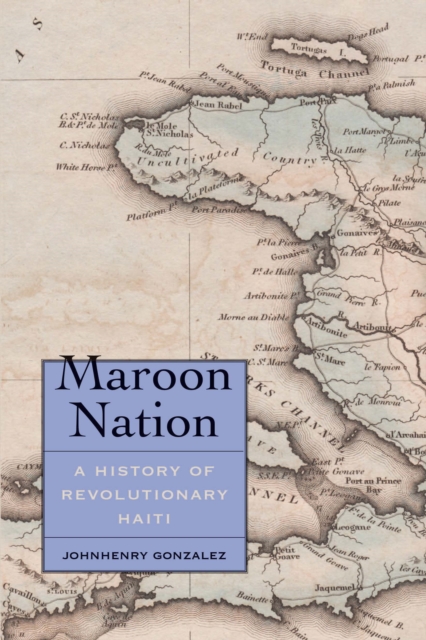
A new history of post'Revolutionary Haiti, and the society that emerged in the aftermath of the world’s most successful slave revolution Haiti is widely recognized as the only state born out of a successful slave revolt, but the country’s early history remains scarcely understood.
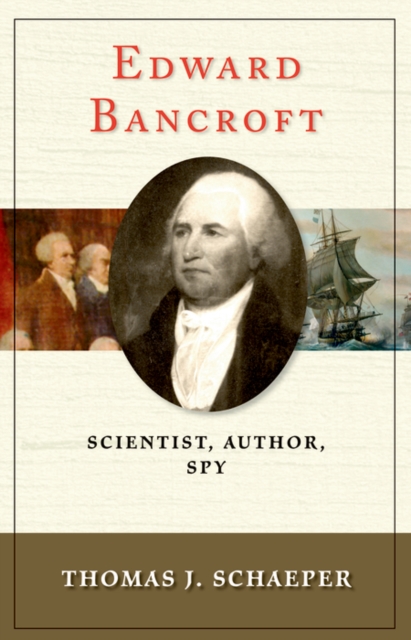
The first complete biography of a little-known but fascinating figure in the history of espionage and the American Revolution A man of as many names as motives, Edward Bancroft is a singular figure in the history of Revolutionary America.
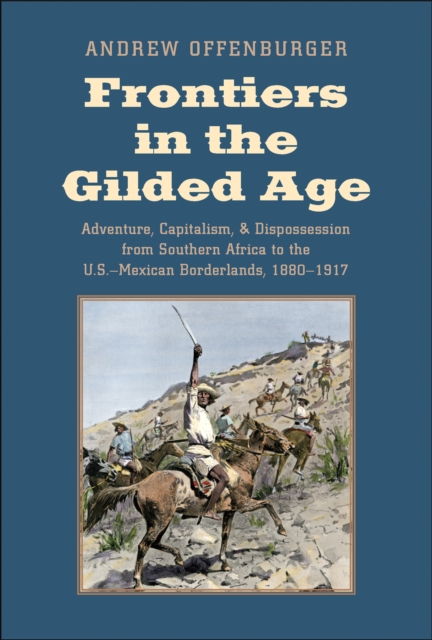
The surprising connections between the American frontier and empire in southern Africa, and the people who participated in both This book begins in an era when romantic notions of American frontiering overlapped with Gilded Age extractive capitalism.
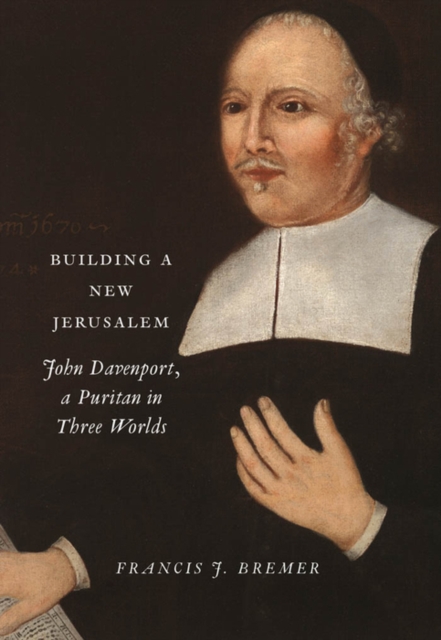
The life of John Davenport, who co-founded the colony of New Haven, has long been overshadowed by his reputation as the most draconian of all Puritan leaders in New England—a reputation he earned due to his opposition to many of the changes that were transforming New England in the post-Restoration era.
The master historian John Lukacs explores lasting questions and enigmas about World War II, its consequences, and its persistent legacy Sixty-five years after the conclusion of World War II, its consequences are still with us.
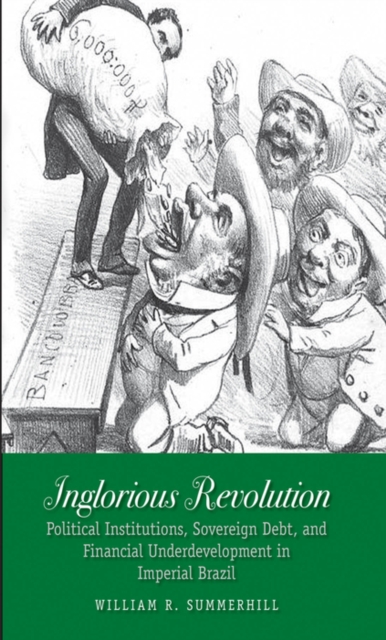
Nineteenth-century Brazil’s constitutional monarchy credibly committed to repay sovereign debt, borrowing repeatedly in international and domestic capital markets without default.
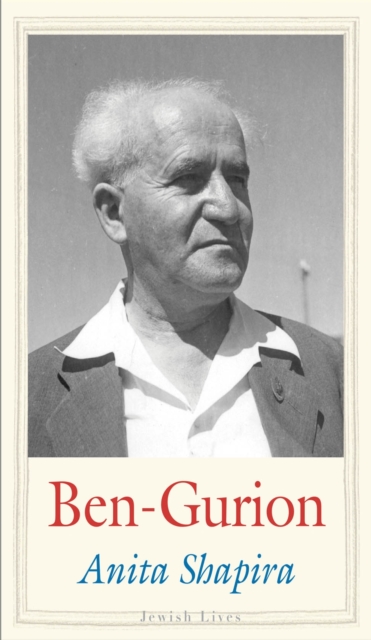
From the prizewinning Jewish Lives series, an insightful study of the inner life of the Zionist leader responsible for the creation of the state of Israel David Ben-Gurion cast a great shadow during his lifetime, and his legacy continues to be sharply debated to this day.
A decisive intervention in the "war" between generations, asking who stands to gain from conflict between baby boomers and millennials Millennials have been incited to regard their parents’ generation as entitled and selfish, and to blame the baby boomers of the Sixties for the cultural and economic problems of today.
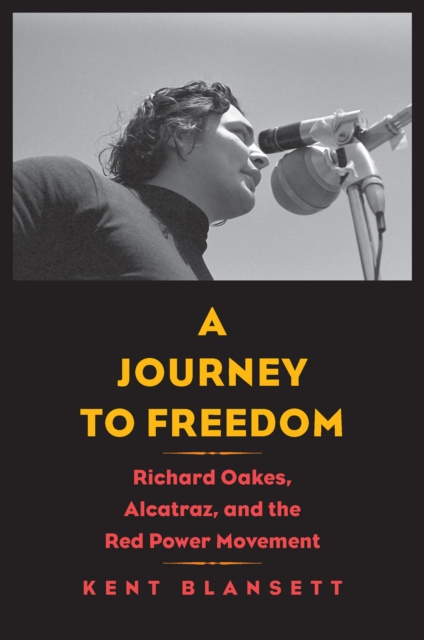
The first book-length biography of Richard Oakes, a Red Power activist of the 1960s who was a leader in the Alcatraz takeover and the Indigenous rights movement A revealing portrait of Richard Oakes, the brilliant, charismatic Native American leader who was instrumental in the takeovers of Alcatraz, Fort Lawton, and Pit River and whose assassination in 1972 galvanized the Trail of Broken Treaties march on Washington, D.
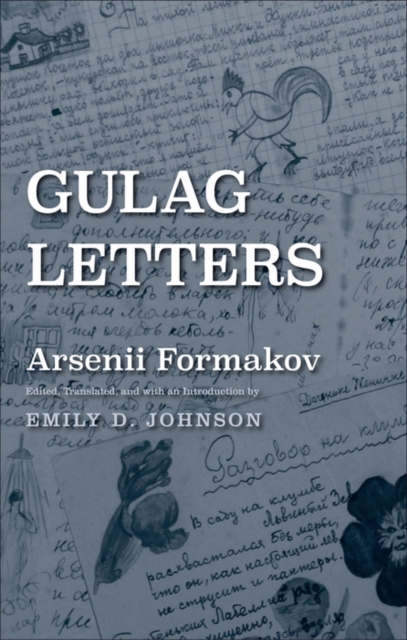
A poignant collection of letters written by the Latvian poet, novelist, and newspaper editor Arsenii Formakov while interned in Soviet labor camps Emily Johnson has translated and edited a fascinating collection of letters written by Arsenii Formakov, a Latvian Russian poet, novelist, and journalist, during two terms in Soviet labor camps, 1940 to 1947 in Kraslag and 1949 to 1955 in Kamyshlag and Ozerlag.
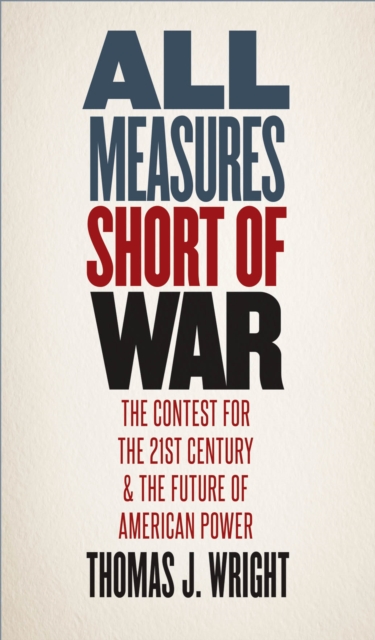
A groundbreaking look at the future of great power competition in an age of globalization and what the United States can do in responseThe two decades after the Cold War saw unprecedented cooperation between the major powers as the world converged on a model of liberal international order.
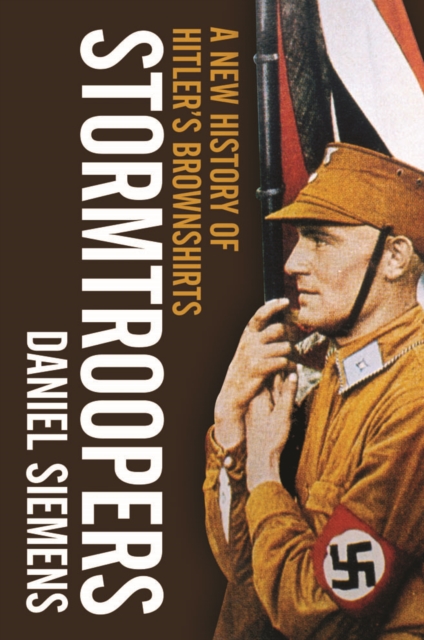
The first full history of the Nazi Stormtroopers whose muscle brought Hitler to power, with revelations concerning their longevity and their contributions to the HolocaustGermany's Stormtroopers engaged in a vicious siege of violence that propelled the National Socialists to power in the 1930s.
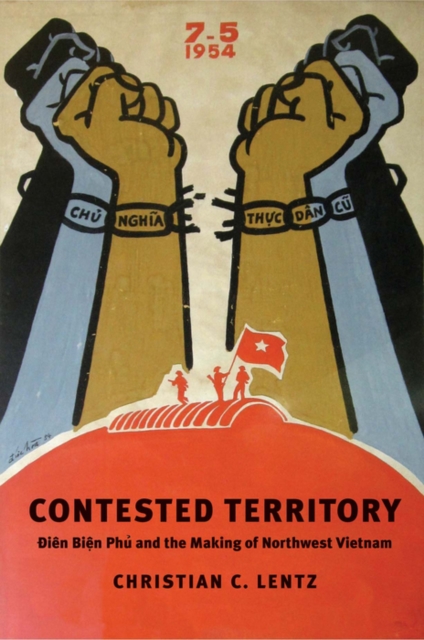
The definitive account of one of the most important battles of the twentieth century, and the Black River borderlands’ transformation into Northwest Vietnam This new work of historical and political geography ventures beyond the conventional framing of the Battle of A?
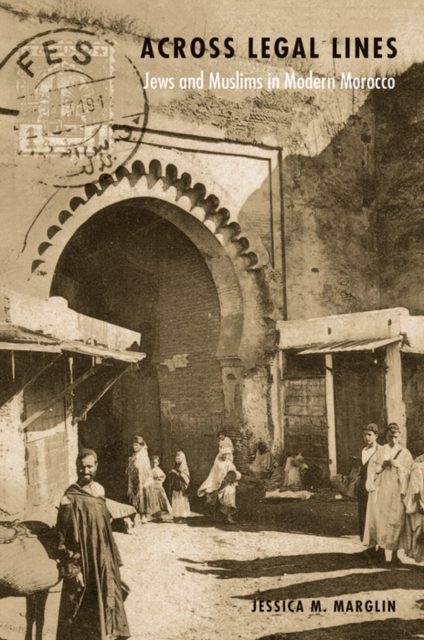
A previously untold story of Jewish-Muslim relations in modern Morocco, showing how law facilitated Jews’ integration into the broader Moroccan society in which they lived Morocco went through immense upheaval in the nineteenth and early twentieth centuries.
Triple Entendre discusses the rise and spread of background music in contexts as diverse as office workplaces, shopping malls, and musical performance.
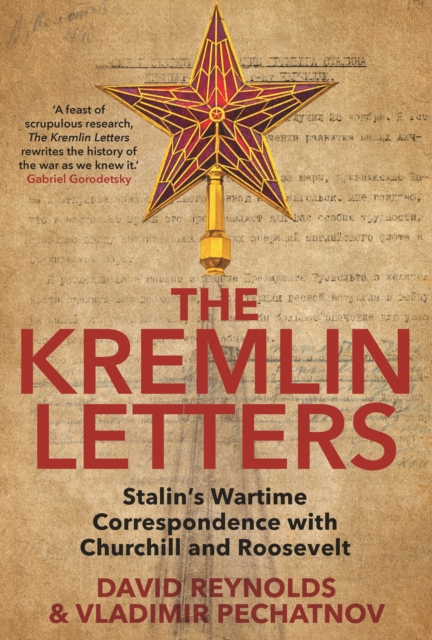
A penetrating account of the dynamics of World War II’s Grand Alliance through the messages exchanged by the "Big Three" Stalin exchanged more than six hundred messages with Allied leaders Churchill and Roosevelt during the Second World War.
A fresh translation of The New Science, with detailed footnotes that will help both the scholar and the new reader navigate Vico’s masterpieceThe New Science is the major work of Italian philosopher Giambattista Vico.
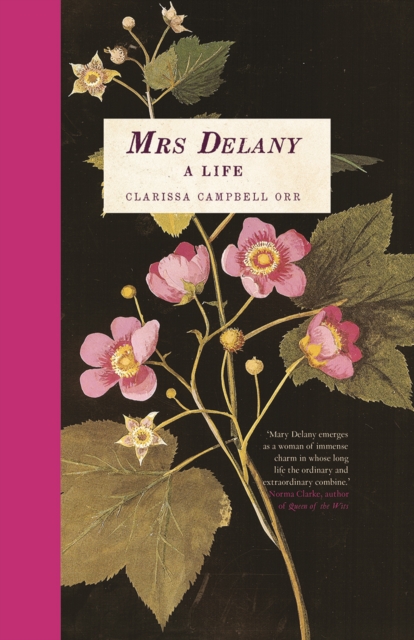
The first comprehensive biography of Mary Granville Delany – the artist and court insider whose flower collages, in particular, continue to inspire widespread admiration Mrs Delany is best remembered for her captivating paper collages of flowers, but her artistic flourishing came late in life.
One of Germany’s leading historians presents an ambitious and masterful account of the years encompassing the two world wars Characterized by global war, political revolution and national crises, the period between 1914 and 1945 was one of the most horrifying eras in the history of the West.
An energetic and exhilarating account of the Victorian entertainment industry, its extraordinary success and enduring impact The Victorians invented mass entertainment.
At the end of the Cold War, the United States emerged as the world’s most powerful state, and then used that power to initiate wars against smaller countries in the Middle East and South Asia.
An expansive and ambitious intellectual history of democratic socialism from one of the world’s leading intellectual historians and social ethicists The fallout from twenty years of neoliberal economic globalism has sparked a surge of interest in the old idea of democratic socialism—a democracy in which the people control the economy and government, no group dominates any other, and every citizen is free, equal, and included.
In this groundbreaking volume, based on extensive research in Chinese archives and libraries, Jan Kiely explores the pre-Communist origins of the process of systematic thought reform or reformation (ganhua) that evolved into a key component of Mao Zedong's revolutionary restructuring of Chinese society.
A comprehensive and revealing account of the ongoing struggles and instability of India’s political and economic institutions India’s ascent as a formidable power on the world stage and its geopolitical ramifications have received much attention in recent years.
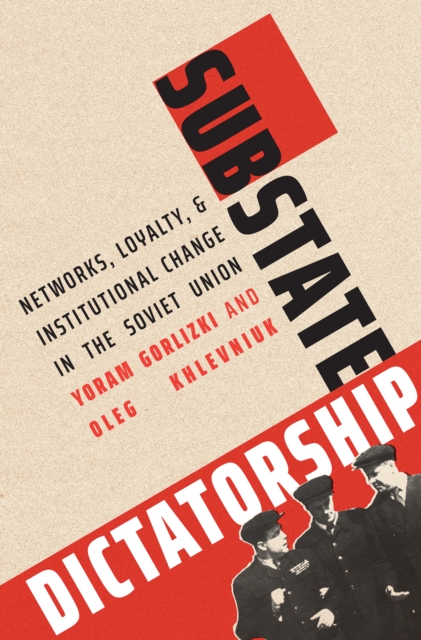
Drawing on recently declassified material from Stalin’s personal archive in Moscow, this is the first attempt by scholars to systematically analyze the way Stalin interpreted and envisioned his world—both the Soviet system he was trying to build and its wider international context.
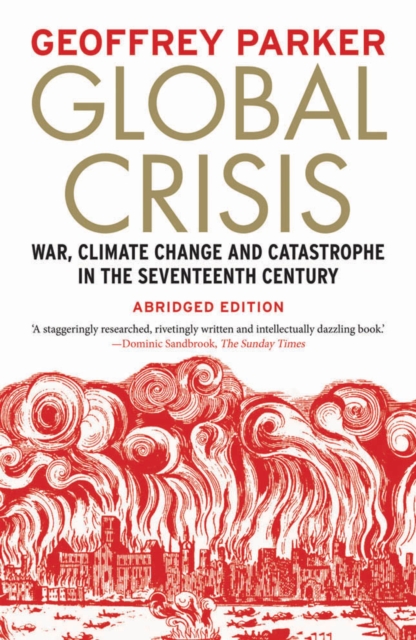
An accessible synthesis of the prescient best seller exploring seventeenth-century catastrophe and the impact of climate change First published in 2013, Geoffrey Parker’s prize-winning best seller Global Crisis analyzes the unprecedented calamities—revolutions, droughts, famines, invasions, wars, and regicides—that befell the mid-seventeenth-century world and wiped out as much as one-third of the global population, and reveals climate change to be the root cause.
This mirror for princes sheds light on the relationship between spiritual and political authority in early modern Egypt This guide to political behavior and expediency offers advice to Sufi shaykhs, or spiritual guides, on how to interact and negotiate with powerful secular officials, judges, and treasurers, or emirs.
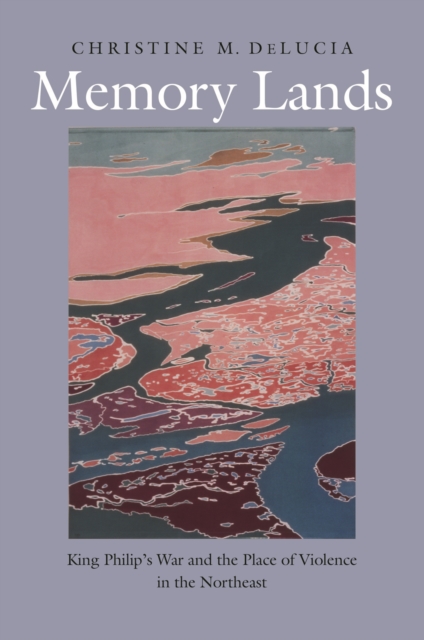
Noted historian Christine DeLucia offers a major reconsideration of the violent seventeenth-century conflict in northeastern America known as King Philip’s War, providing an alternative to Pilgrim-centric narratives that have conventionally dominated the histories of colonial New England.
In the first book to investigate in detail the origins of antislavery thought and rhetoric within the Society of Friends, Brycchan Carey shows how the Quakers turned against slavery in the first half of the eighteenth century and became the first organization to take a stand against the slave trade.
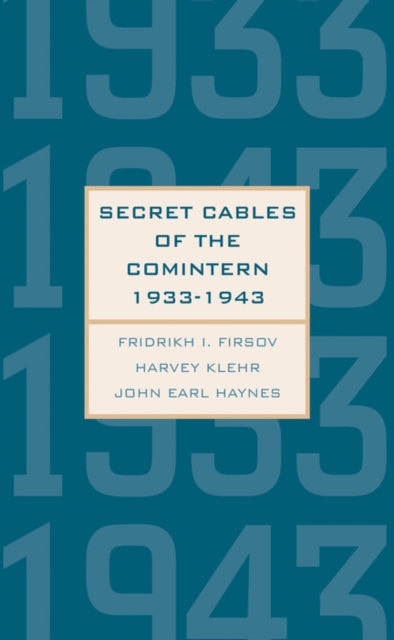
Drawing on secret and therefore candid coded telegraphs exchanged between Communist Party leaders around the world and their overseers at the Communist International (Comintern) headquarters in Moscow, this book uncovers key aspects of the history of the Comintern and its significant role in the Stalinist ruling system during the years 1933 to 1943.
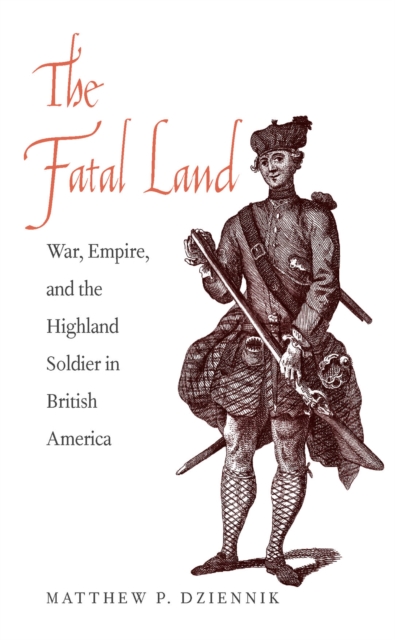
More than 12,000 soldiers from the Highlands of Scotland were recruited to serve in Great Britain’s colonies in the Americas in the middle to the late decades of the eighteenth century.