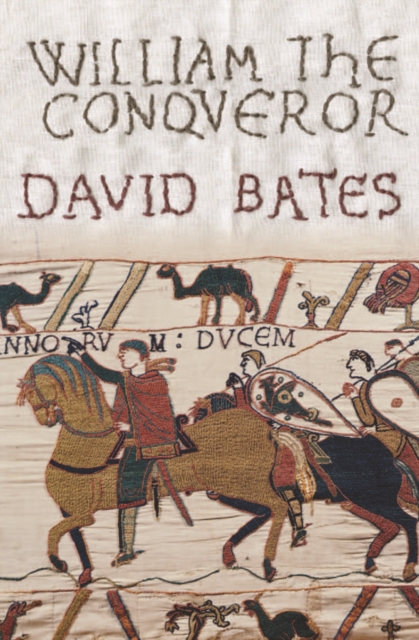
Fifteen years in the making, a landmark reinterpretation of the life of a pivotal figure in British and European history In this magisterial addition to the Yale English Monarchs series, David Bates combines biography and a multidisciplinary approach to examine the life of a major figure in British and European history.
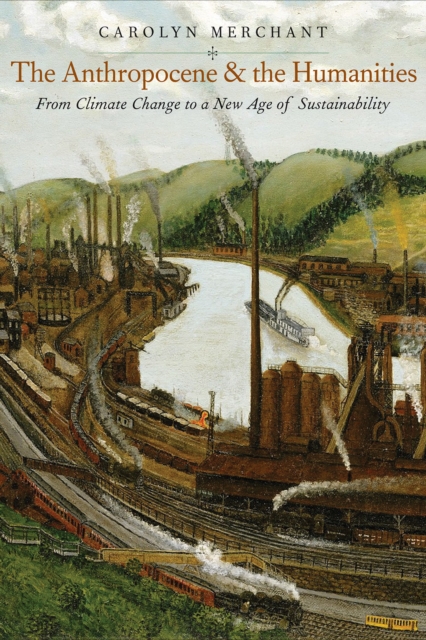
A wide-ranging and original introduction to the Anthropocene that offers fresh, theoretical insights bridging the sciences and the humanitiesFrom noted environmental historian Carolyn Merchant, this book focuses on the original concept of the Anthropocene first proposed by Paul Crutzen and Eugene Stoermer in their foundational 2000 paper.
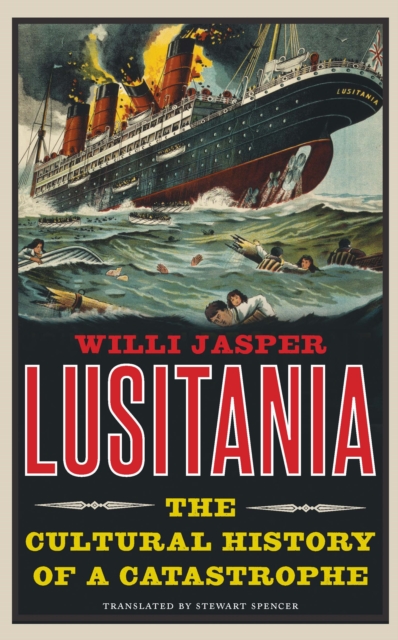
A fascinating reassessment of a turning point in the First World War, revealing its role in shaping the German psyche On May 7, 1915, the Lusitania, a large British luxury liner, was sunk by a German submarine off the Irish coast.
An intimate portrait of India’s child runaways, and the sociopolitical forces shaping their lives This intimate portrait examines the tracks, journeys, and experiences of child runaways in northern India.
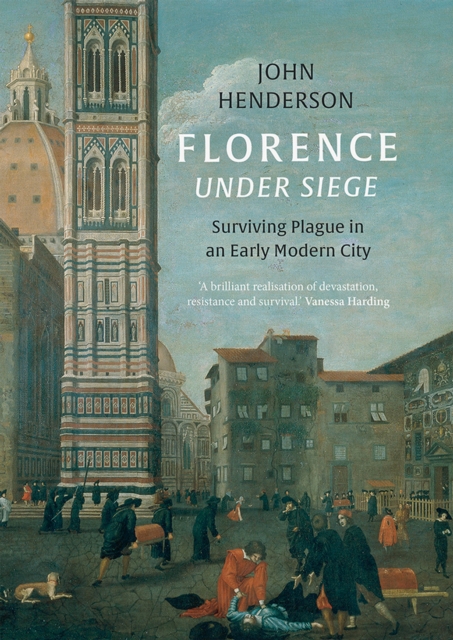
A vivid recreation of how the governors and governed of early seventeenth-century Florence confronted, suffered, and survived a major epidemic of plaguePlague remains the paradigm against which reactions to many epidemics are often judged.
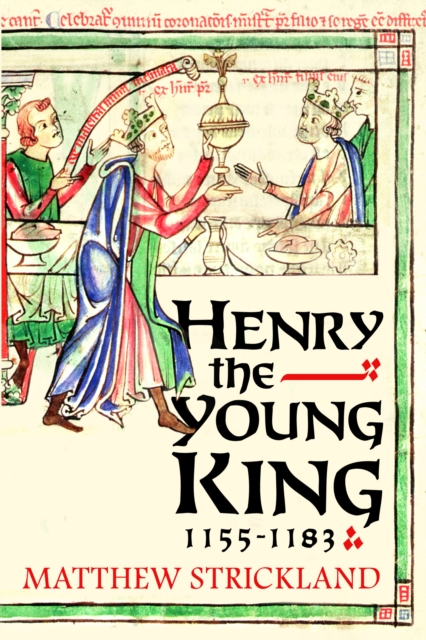
This first modern study of Henry the Young King, eldest son of Henry II but the least known Plantagenet monarch, explores the brief but eventful life of the only English ruler after the Norman Conquest to be created co-ruler in his father’s lifetime.
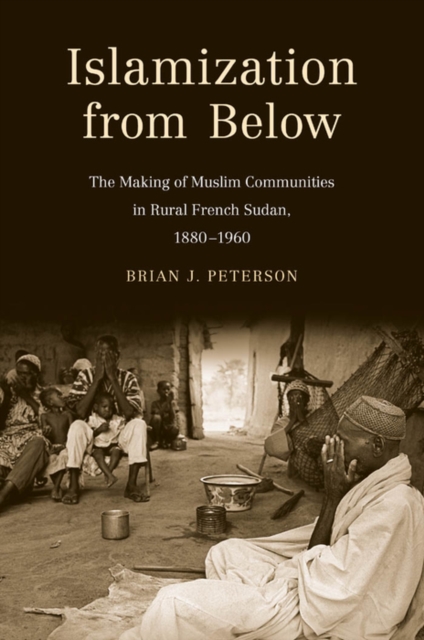
The colonial era in Africa, spanning less than a century, ushered in a more rapid expansion of Islam than at any time during the previous thousand years.
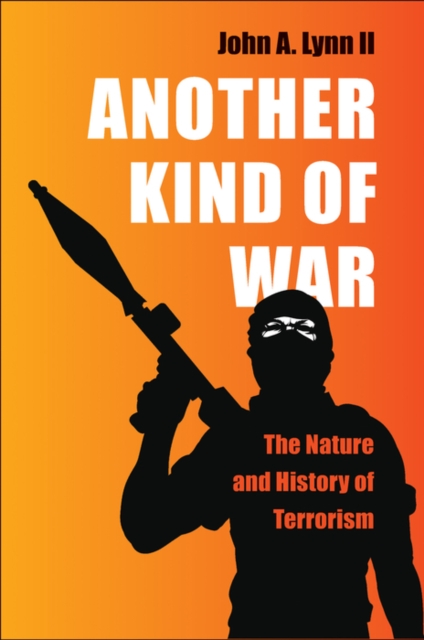
An accessible and comprehensive history of terrorism from ancient times to the present In the years since 9/11, there has been a massive surge in interest surrounding the study of terrorism.
Violent mutiny was common in seafaring enterprises during the Age of Discovery-so common, in fact, that dealing with mutineers was an essential skill for captains and other leaders of the time.
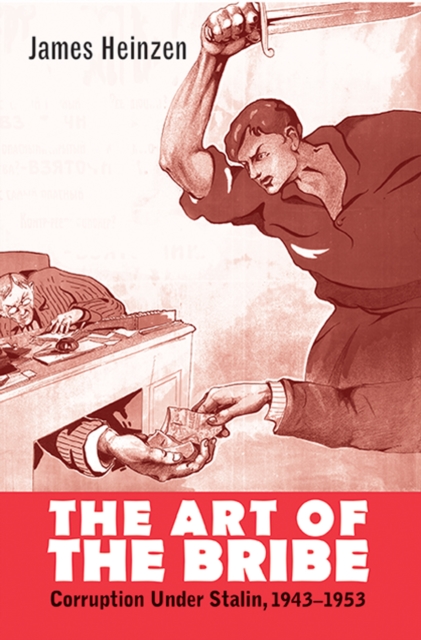
The first archive-based study of official corruption under Stalin and a compelling new look at the textures of everyday Soviet life after World War II In the Soviet Union, bribery was a skill with its own practices and culture.
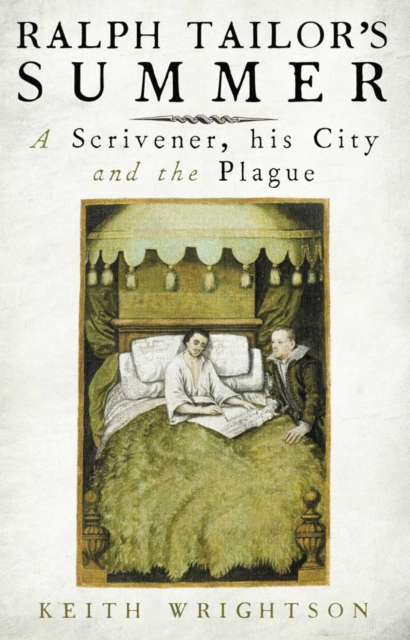
One man's life in the plague, his record of the calamitous decimation of a city where nearly half the people died, and its sometimes surprising impact on families and communities The plague outbreak of 1636 in Newcastle-upon-Tyne was one of the most devastating in English history.
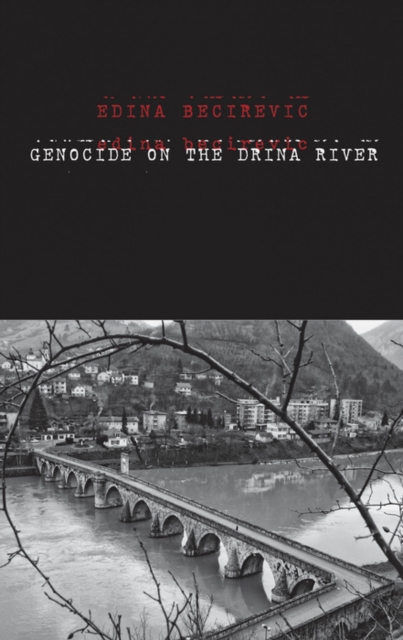
In this scholarly yet intensely personal history, author Edina BeAireviA explores the widespread ethnic cleansing that occurred in Bosnia and Herzegovina from 1992 through 1995, war crimes and crimes against humanity committed by Serbs against Bosnian Muslims that fully meet the criteria for genocide established after World War II by the Genocide Convention of 1948.
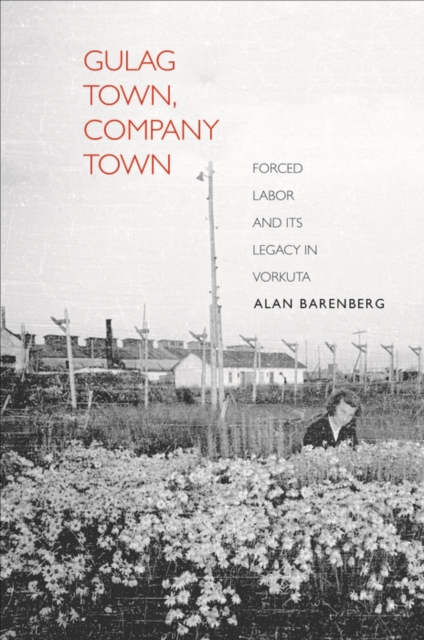
This insightful volume offers a radical reassessment of the infamous "e;Gulag Archipelago by exploring the history of Vorkuta, an arctic coal-mining outpost originally established in the 1930s as a prison camp complex.
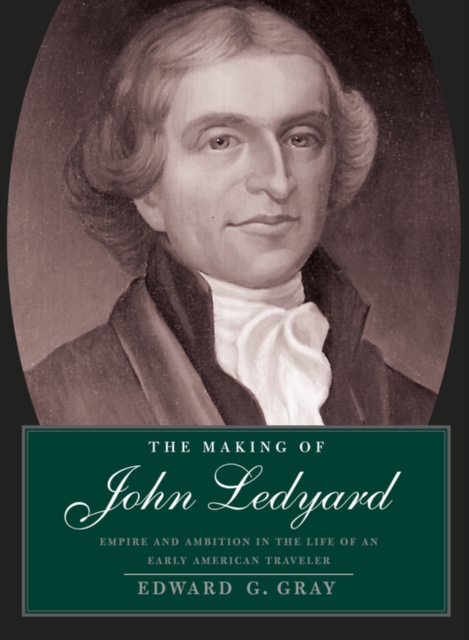
During the course of his short but extraordinary life, John Ledyard (1751–1789) came in contact with some of the most remarkable figures of his era: the British explorer Captain James Cook, American financier Robert Morris, Revolutionary naval commander John Paul Jones, Benjamin Franklin, Thomas Jefferson, and others.
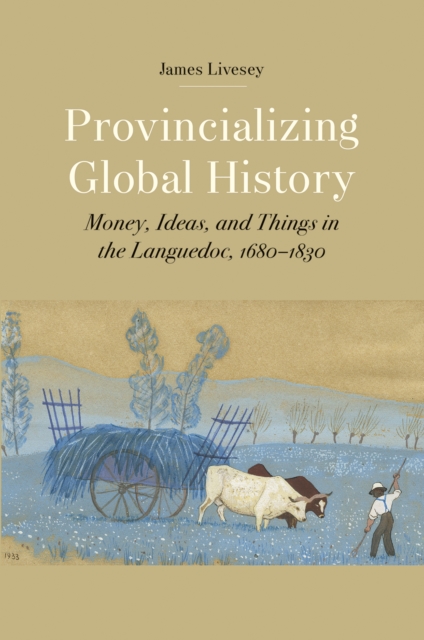
A microhistory of eighteenth-century systemic change that places ordinary French lives alongside global advances Provincializing Global History explores the subtle transformation of the coastal province of the Languedoc in the eighteenth century.
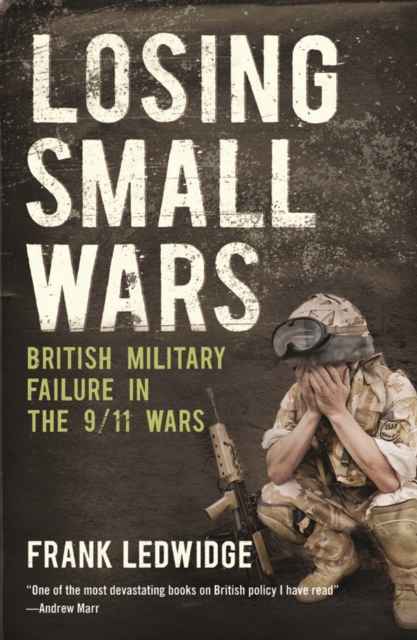
This new edition of Frank Ledwidge’s eye-opening analysis of British involvement in Iraq and Afghanistan unpicks the causes and enormous costs of military failure.
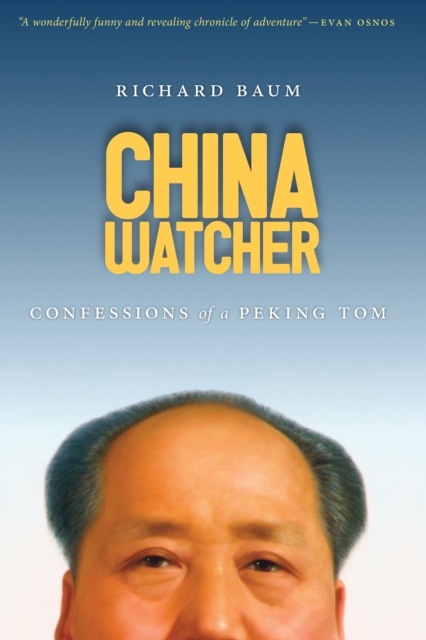
This audacious and illuminating memoir by Richard Baum, a senior China scholar and sometime policy advisor, reflects on forty years of learning about and interacting with the Peoples Republic of China, from the height of Maoism during the authors UC Berkeley student days in the volatile 1960s through globalization.
The Ahmadiyya Muslim community represents the followers of Mirza Ghulam Ahmad (1835-1908), a charismatic leader whose claims of spiritual authority brought him into conflict with most other Muslim leaders of the time.
A stunningly original look at the forgotten Jewish political roots of contemporary international human rights, told through the moving stories of five key activists The year 2018 marks the seventieth anniversary of two momentous events in twentieth-century history: the birth of the State of Israel and the creation of the Universal Declaration of Human Rights.
A penetrating look into the extreme plutocracy Vladimir Putin has created and its implications for Russia’s future This insightful study explores how the economic system Vladimir Putin has developed in Russia works to consolidate control over the country.
A provocative reassessment of the concept of an American golden age of European-born reason and intellectual curiosity in the years following the Revolutionary War The accepted myth of the “American Enlightenment” suggests that the rejection of monarchy and establishment of a new republic in the United States in the eighteenth century was the realization of utopian philosophies born in the intellectual salons of Europe and radiating outward to the New World.
A groundbreaking study of the role of Muslims in eighteenth'century France From the beginning, French revolutionaries imagined their transformation as a universal one that must include Muslims, Europe’s most immediate neighbors.
A collection of memorable, stirring, and eloquent historical essays, designed to help any historian write more artfully Is there any reason serious historical scholarship cannot receive literary expression?
An urgently needed “risk map” of the many dangers that could derail Asia’s growth and stability Since Marco Polo, the West has waited for the “Asian Century.
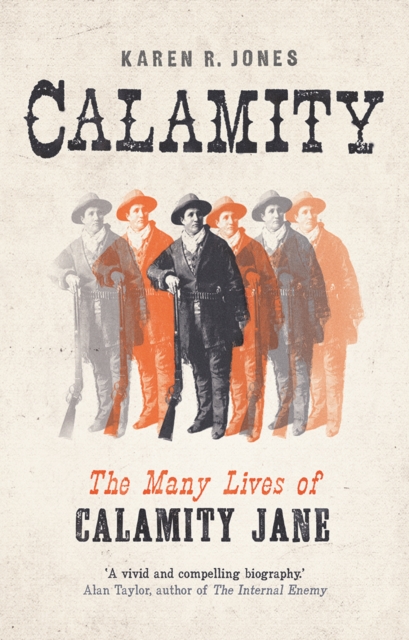
A fascinating new account of the life and legend of the Wild West’s most notorious woman: Calamity Jane Martha Jane Canary, popularly known as Calamity Jane, was the pistol-packing, rootin’ tootin’ “lady wildcat” of the American West.
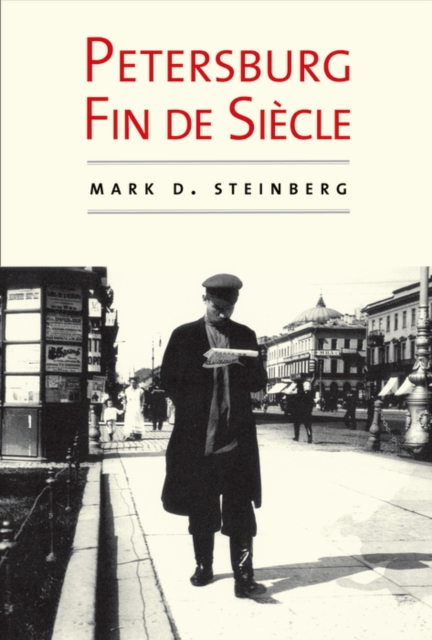
The final decade of the old order in imperial Russia was a time of both crisis and possibility, an uncertain time that inspired an often desperate search for meaning.
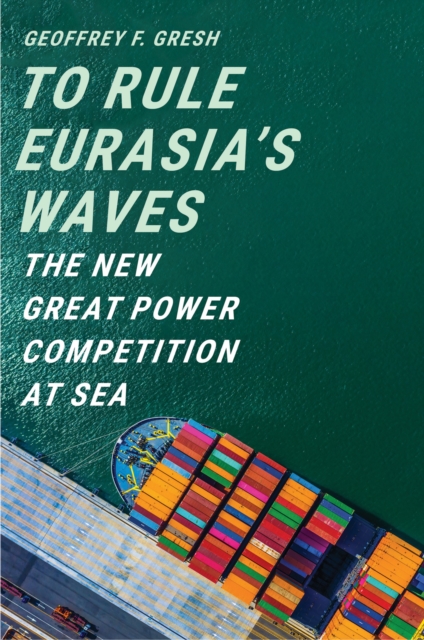
The first book to weave Eurasia together through the perspective of the oceans and seas Eurasia's emerging powers-India, China, and Russia-have increasingly embraced their maritime geographies as they have expanded and strengthened their economies, military capabilities, and global influence.
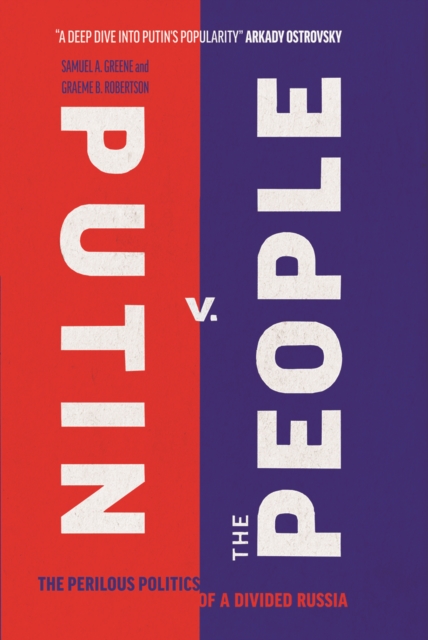
A fascinating,bottom-up exploration of contemporary Russian politics that sheds new light on why Putin's grip on power is more fragile than we think "e;Putin vs.
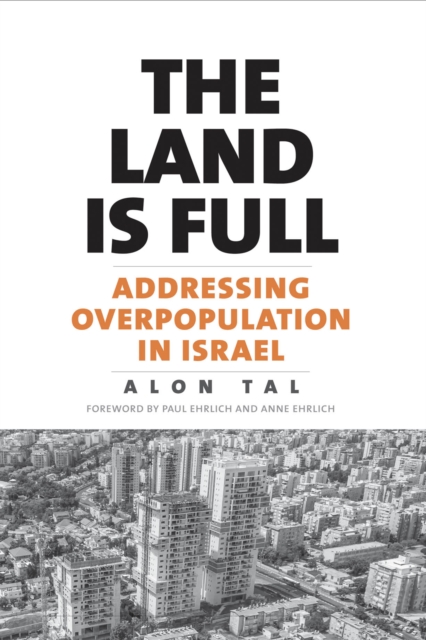
An assessment of how Israel’s extraordinary population growth undermines the country’s environment, social equity, and quality of life—and what must be done about it During the past sixty-eight years, Israel’s population has increased from one to eight million people.
This book, focusing on the history of religious and political thinking in early modern Russia, demonstrates that Russia’s path toward enlightenment began long before Peter the Great’s opening to the West.
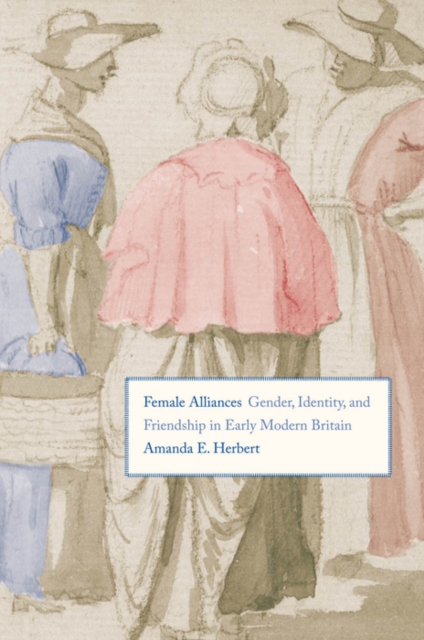
In the late seventeenth and early eighteenth centuries, cultural, economic, and political changes, as well as increased geographic mobility, placed strains upon British society.
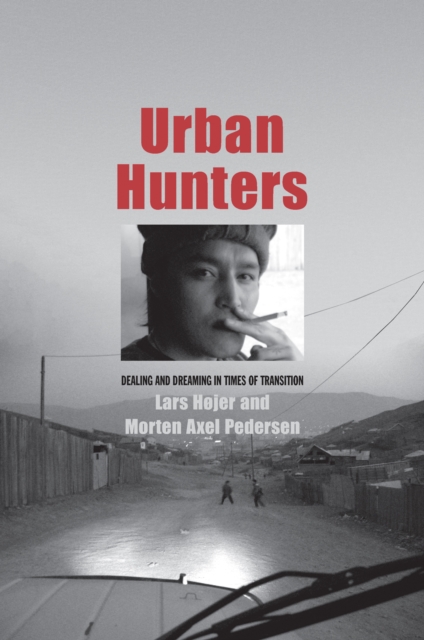
An ethnography of the Mongolian capital city of Ulaanbaatar during the nation’s transition from socialism to a market-based economic systemUrban Hunters is an ethnography of the Mongolian capital city, Ulaanbaatar, during the nation’s transition from socialism to a market-based economic system.
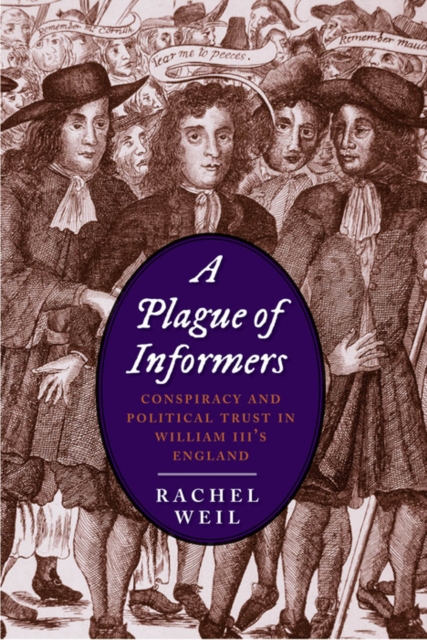
Stories of plots, sham plots, and the citizen-informers who discovered them are at the center of Rachel Weil's compelling study of the turbulent decade following the Revolution of 1688.
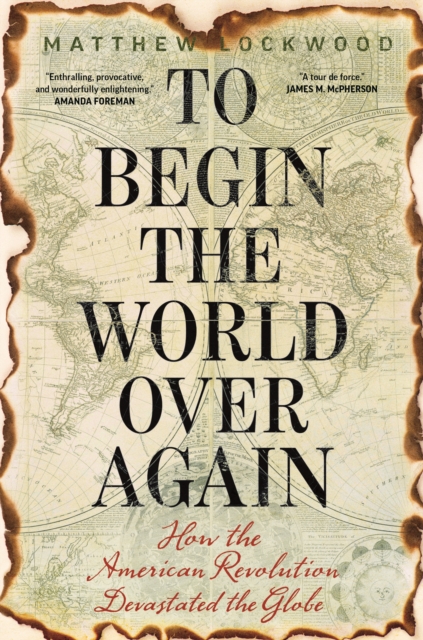
The first exploration of the profound and often catastrophic impact the American Revolution had on the rest of the world While the American Revolution led to domestic peace and liberty, it ultimately had a catastrophic global impact—it strengthened the British Empire and led to widespread persecution and duress.
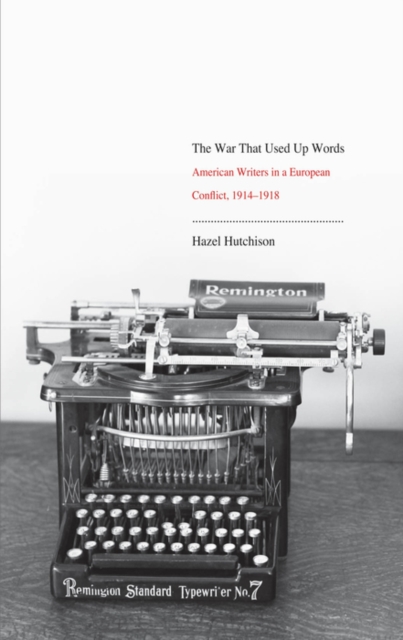
In this provocative study, Hazel Hutchison takes a fresh look at the roles of American writers in helping to shape national opinion and policy during the First World War.
A look at how the desire to improve international status affects Russia's and China's foreign policies Deborah Welch Larson and Alexei Shevchenko argue that the desire for world status plays a key role in shaping the foreign policies of China and Russia.
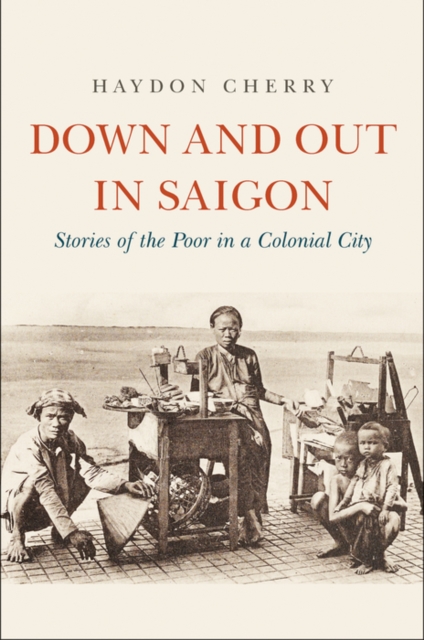
A moving portrait of the lives of six poor city-dwellers, set in early twentieth century colonial Saigon Historian Haydon Cherry offers the first comprehensive social history of the urban poor of colonial French Saigon by following the lives of six individuals—a prostitute, a Chinese laborer, a rickshaw puller, an orphan, an incurable invalid, and a destitute Frenchman—and how they navigated the ups and downs of the regional rice trade and the institutions of French colonial rule in the first half of the twentieth century.
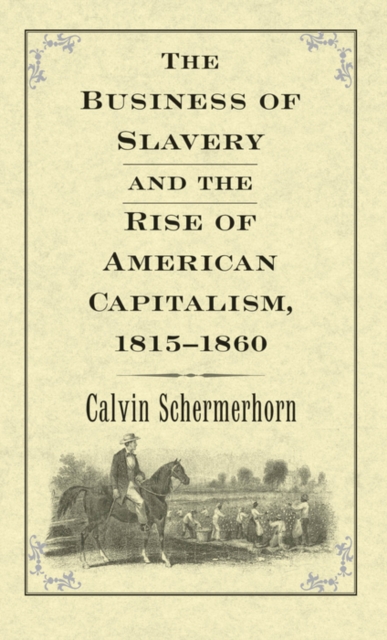
Calvin Schermerhorn’s provocative study views the development of modern American capitalism through the window of the nineteenth-century interstate slave trade.
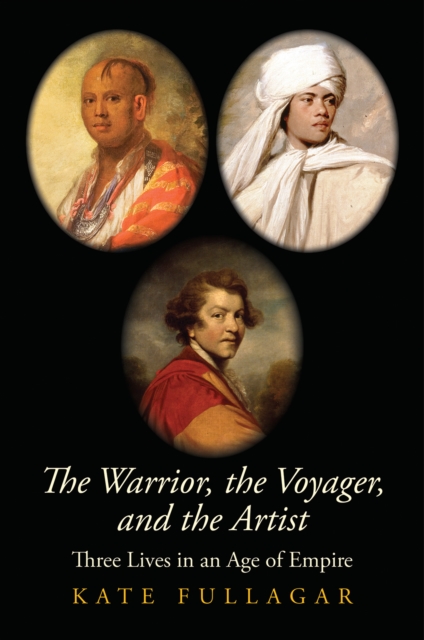
A portrait of empire through the biographies of a Native American, a Pacific Islander, and the British artist who painted them both Three interconnected eighteenth-century lives offer a fresh account of the British empire and its intrusion into Indigenous societies.