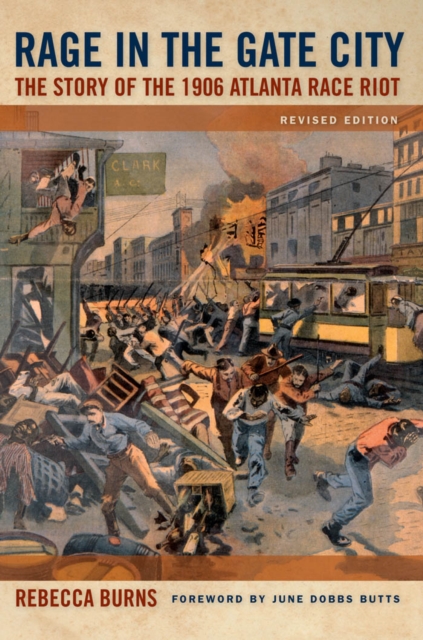
During the hot summer of 1906, anger simmered in Atlanta, a city that outwardly savored its reputation as the Gate City of the New South, a place where the races lived peacefully, if apart, and everyone focused more on prosperity than prejudice.
The follow-up to the critically acclaimed collection Southern Manhood: Perspectives on Masculinity in the Old South (Georgia, 2004), Southern Masculinity explores the contours of southern male identity from Reconstruction to the present.
Ranging from the 1840s through the early twenty-first century, this study of shared political, economic, and cultural histories fills significant gaps in our understanding of Paraguayan-U.
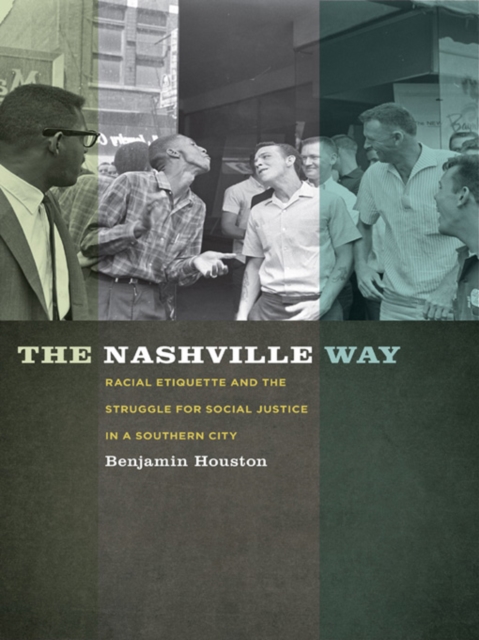
Among Nashville's many slogans, the one that best reflects its emphasis on manners and decorum is the Nashville Way, a phrase coined by boosters to tout what they viewed as the city's amicable race relations.
Thirty-six years before Hurricane Katrina ravaged New Orleans and southern Mississippi, the region was visited by one of the most powerful hurricanes ever to hit the United States: Camille.
Prophet from Plains covers Nobel Peace Prize winner Jimmy Carter's major achievements and setbacks in light of what has been at once his greatest asset and his greatest flaw: his stubborn, faith-driven integrity.
Widely remembered as a time of heated debate over the westward expansion of slavery, the 1850s in the United States was also a period of mass immigration.
Georgia Odyssey is a lively survey of the state's history, from its beginnings as a European colony to its current standing as an international business mecca, from the self-imposed isolation of its Jim Crow era to its role as host of the centennial Olympic Games and beyond, from its long reign as the linchpin state of the Democratic Solid South to its current dominance by the Republican Party.
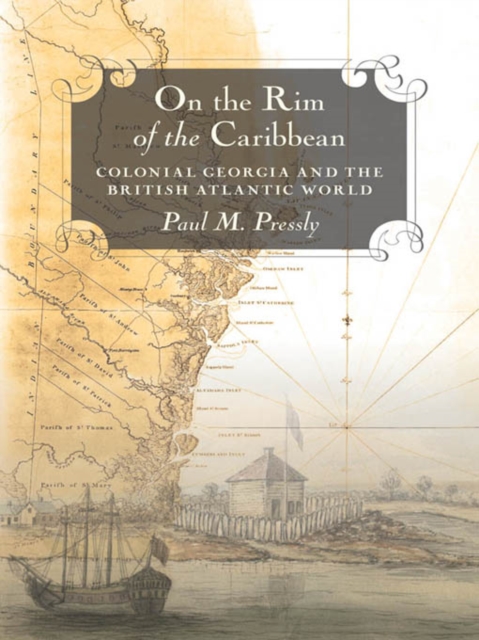
How did colonial Georgia, an economic backwater in its early days, make its way into the burgeoning Caribbean and Atlantic economies where trade spilled over national boundaries, merchants operated in multiple markets, and the transport of enslaved Africans bound together four continents?
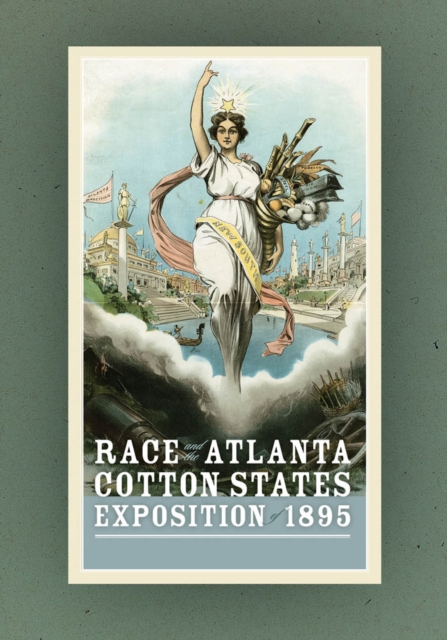
The Cotton States Exposition of 1895 was a world's fair in Atlanta held to stimulate foreign and domestic trade for a region in an economic depression.
Focusing on the impact of the Savannah River Plant (SRP) on the communities it created, rejuvenated, or displaced, this book explores the parallel militarization and modernization of the Cold War-era South.
In the aftermath of the Civil War, the Lost Cause gave white southerners a new collective identity anchored in the stories, symbols, and rituals of the defeated Confederacy.
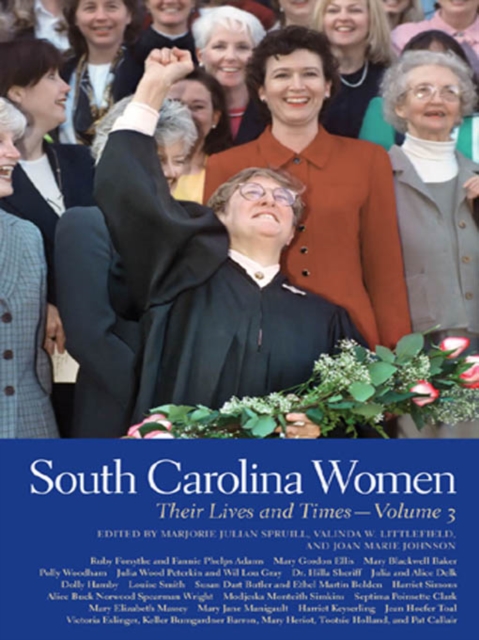
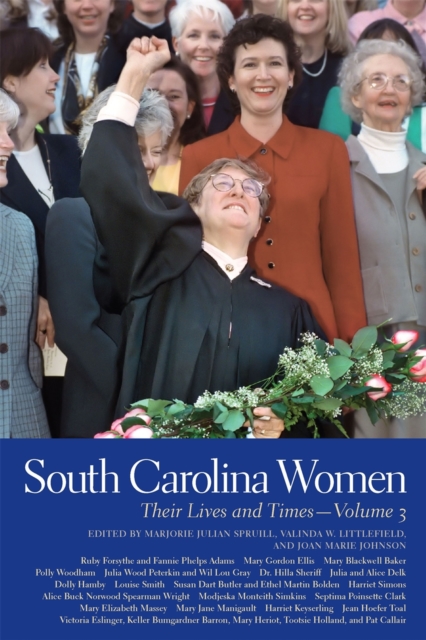
Covering an era from the early twentieth century to the present, this volume features twenty-seven South Carolina women of varied backgrounds whose stories reflect the ever-widening array of activities and occupations in which women were engaged in a transformative era that included depression, world wars, and dramatic changes in the role of women.
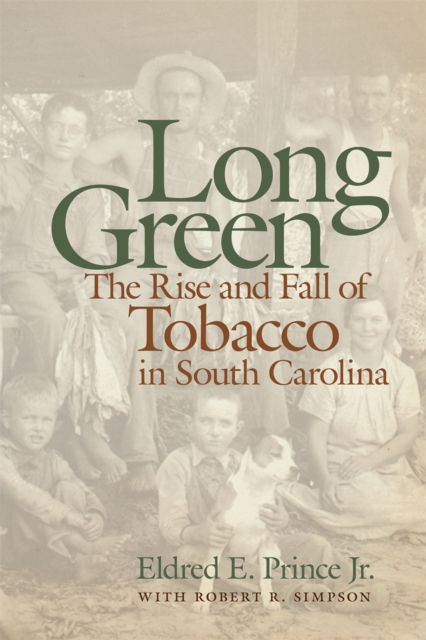
The first comprehensive history of Bright Leaf tobacco culture of any state to appear in fifty years, this book explores tobacco's influence in South Carolina from its beginnings in the colonial period to its heyday at the turn of the century, the impact of the Depression, the New Deal, and World War II, and on to present-day controversies about health risks due to smoking.
The Rise and Decline of the Redneck Riviera traces the development of the Florida-Alabama coast as a tourist destination from the late 1920s and early 1930s, when it was sparsely populated with "e;small fishing villages,"e; through to the tragic and devastating BP/Deepwater Horizon oil spill of 2010.
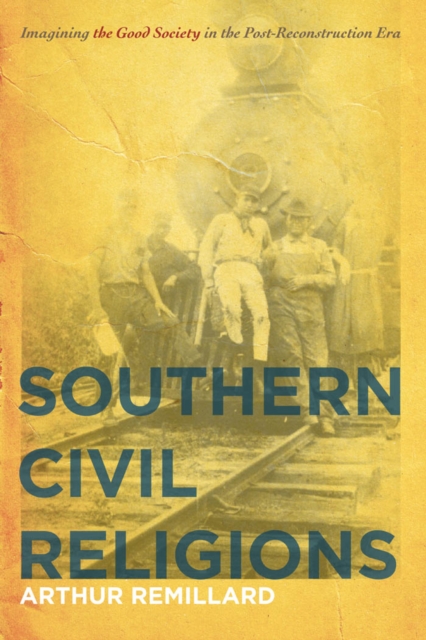
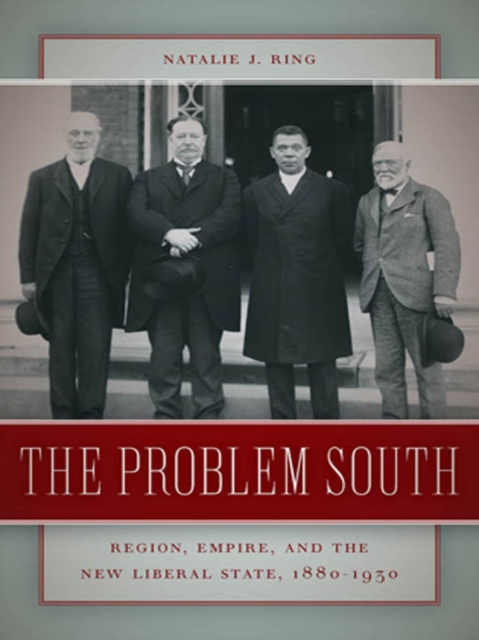
For most historians, the late nineteenth and early twentieth centuries saw the hostilities of the Civil War and the dashed hopes of Reconstruction give way to the nationalizing forces of cultural reunion, a process that is said to have downplayed sectional grievances and celebrated racial and industrial harmony.
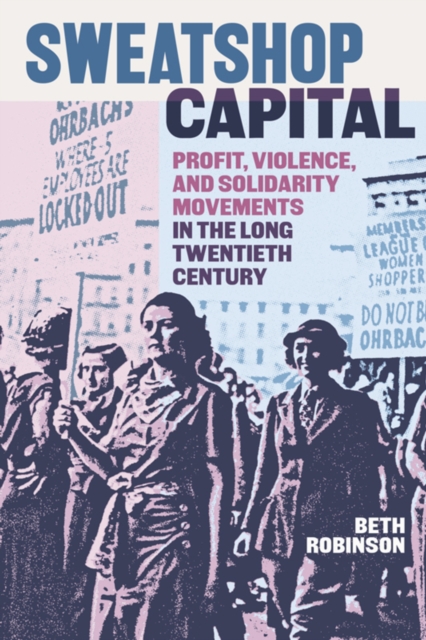
In Sweatshop Capital, Beth Robinson examines the brutal sweatshop labor conditions that produced American consumer goods from the late nineteenth through the early twenty-first centuries, as well as the labor and social movements that contested them.
The first comprehensive history of Bright Leaf tobacco culture of any state to appear in fifty years, this book explores tobacco's influence in South Carolina from its beginnings in the colonial period to its heyday at the turn of the century, the impact of the Depression, the New Deal, and World War II, and on to present-day controversies about health risks due to smoking.
Covering an era from the early twentieth century to the present, this volume features twenty-seven South Carolina women of varied backgrounds whose stories reflect the ever-widening array of activities and occupations in which women were engaged in a transformative era that included depression, world wars, and dramatic changes in the role of women.
Covering an era from the early twentieth century to the present, this volume features twenty-seven South Carolina women of varied backgrounds whose stories reflect the ever-widening array of activities and occupations in which women were engaged in a transformative era that included depression, world wars, and dramatic changes in the role of women.
Nationalism in the New World brings together work by scholars from the United States, Canada, Latin America, and Europe to discuss the common problem of how the nations of the Americas grappled with the basic questions of nationalism: Who are we?