This campaign-by-campaign analysis of the War Between the States presents the action from the opening shots at Fort Sumter to the furled flags at Appomattox.
Finalist, 2026 Brass Knuckles Award for Best Nonfiction Crime Book (Crime Writers of Canada)Fascinating stories of the age-old tug-of-war between prisons struggling to keep inmates inside and escapees desperate to get out.
Finalist, 2026 Brass Knuckles Award for Best Nonfiction Crime Book (Crime Writers of Canada)Fascinating stories of the age-old tug-of-war between prisons struggling to keep inmates inside and escapees desperate to get out.
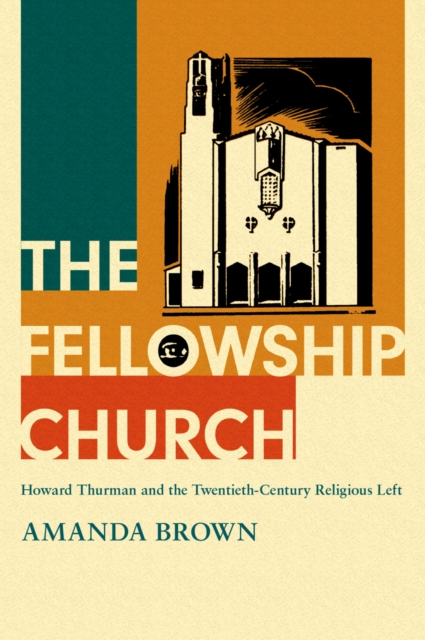
The Fellowship Church explores the evolution of the American religious left through a case study of the African American intellectual and theologian Howard Thurman, and the physical embodiment of his thought: The Church for the Fellowship of All Peoples.
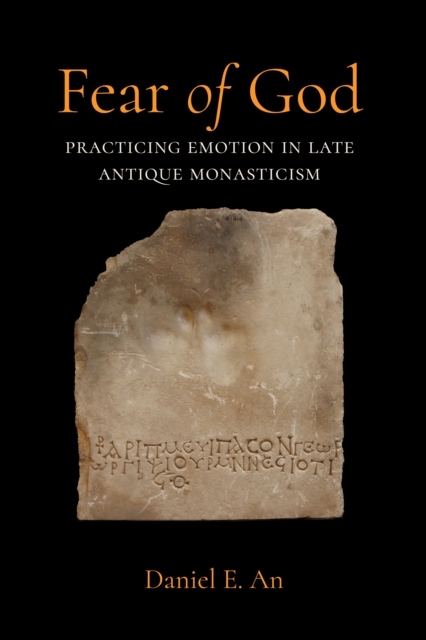
In the writings of ancient Christians, the near-ubiquitous references to the fear of God have traditionally been seen as a generic placeholder for piety.
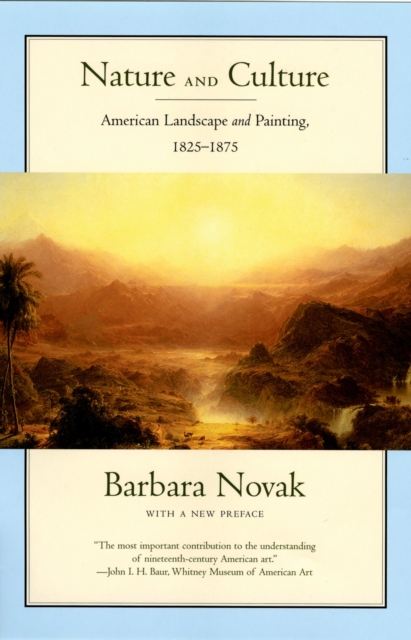
In this richly illustrated volume, featuring more than fifty black-and-white illustrations and a beautiful eight-page color insert, Barbara Novak describes how for fifty extraordinary years, American society drew from the idea of Nature its most cherished ideals.
The definitive history of the US labor movement's complicity in Zionist settler colonialism, and a call for today's labor militants to organize in solidarity with Palestinians.
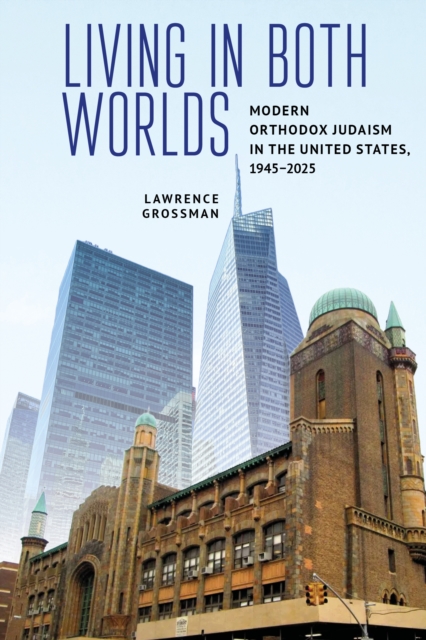
Modern Orthodoxy is a form of American Judaism that affirms the traditional tenets and practices of Orthodox Judaism while at the same time maintaining an openness to contemporary cultural and intellectual developments.
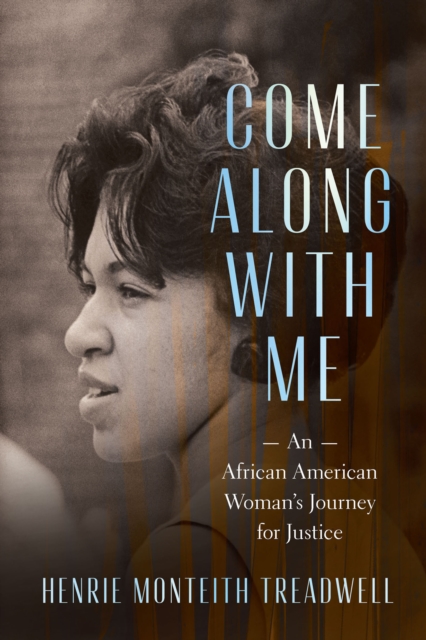
The first Black woman graduate of the University of South Carolina recounts a life of activism and service Come Along with Me is a compelling memoir of resilience, activism, and breaking barriers in the causes of health equity and social justice.
The first Black woman graduate of the University of South Carolina recounts a life of activism and service Come Along with Me is a compelling memoir of resilience, activism, and breaking barriers in the causes of health equity and social justice.
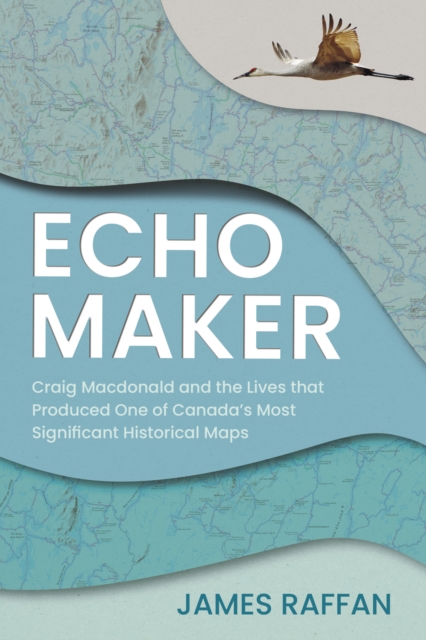
In an example of truth and reconciliation put into practice, Craig Macdonald spent decades creating a unique map of Temagami, developed through trust and experience, in partnership with the Teme-Augama Anishnabai.
Modern Orthodoxy is a form of American Judaism that affirms the traditional tenets and practices of Orthodox Judaism while at the same time maintaining an openness to contemporary cultural and intellectual developments.
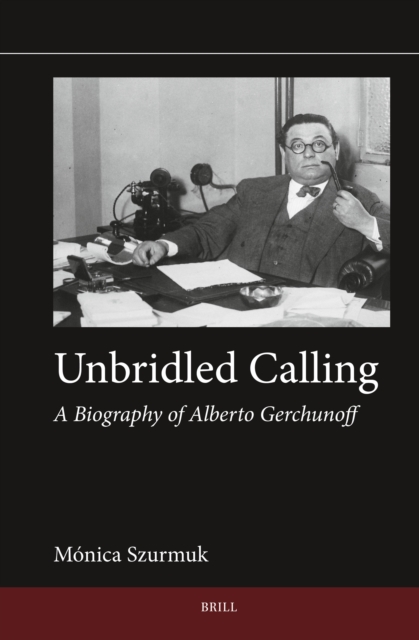
How can a child born in the Russian Pale at the end of the 19th century become one of the most celebrated journalists in Latin America and a writer admired by Jorge Luis Borges?
The apparently centuries-old field of "e;the history of cartography"e; was invented after 1950 through incomplete historiographies by leading map historians.