The historian James Allen Smith traces the evolution of Washington's oldest and prototypical think tank on the occasion of its seventy-fifth anniversary in 1991.
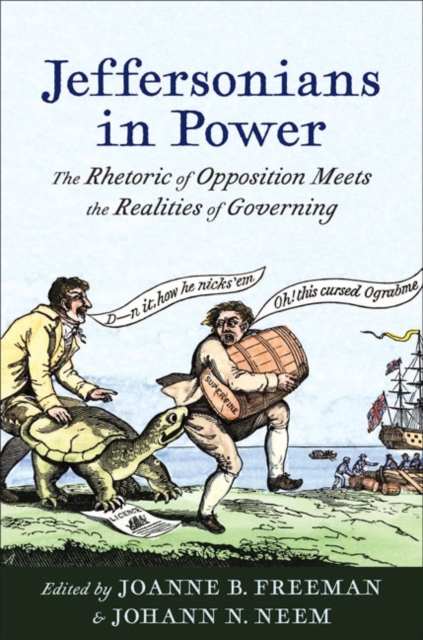
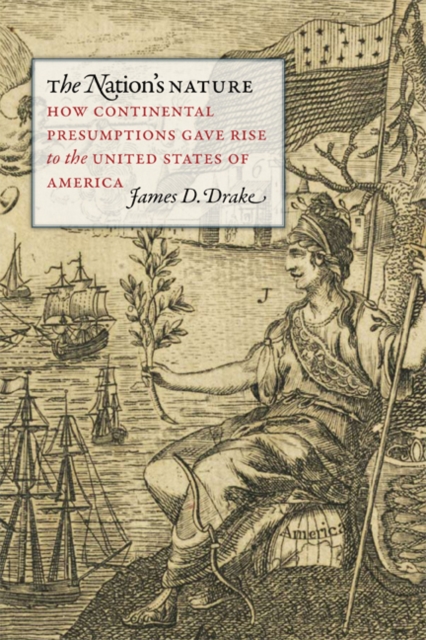
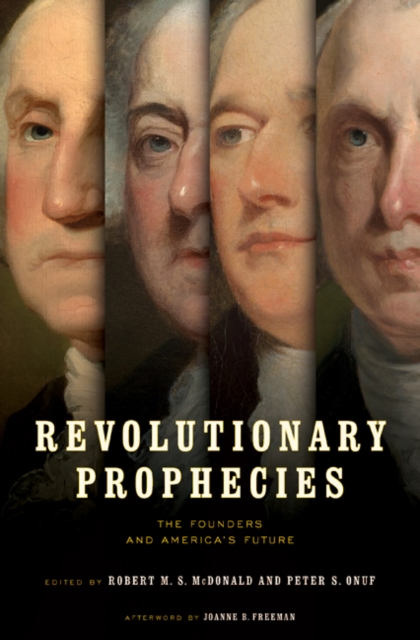
The emergence of the early American republic as a new nation on the world stage conjured rival visions in the eyes of leading statesmen at home and attentive observers abroad.
In Era of Experimentation, Daniel Peart challenges the pervasive assumption that the present-day political system, organized around two competing parties, represents the logical fulfillment of participatory democracy.
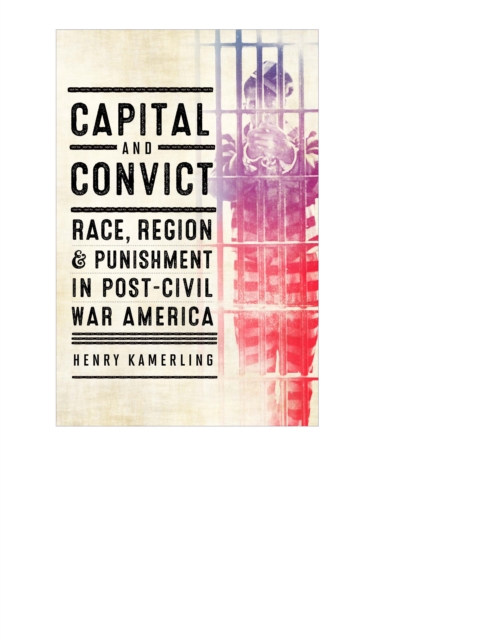
Both in the popular imagination and in academic discourse, North and South are presented as fundamentally divergent penal systems in the aftermath of the Civil War, a difference mapped onto larger perceived cultural disparities between the two regions.
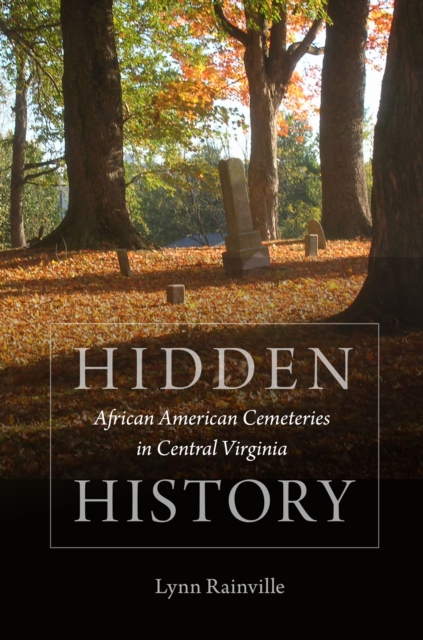
In Hidden History, Lynn Rainville travels through the forgotten African American cemeteries of central Virginia to recover information crucial to the stories of the black families who lived and worked there for over two hundred years.
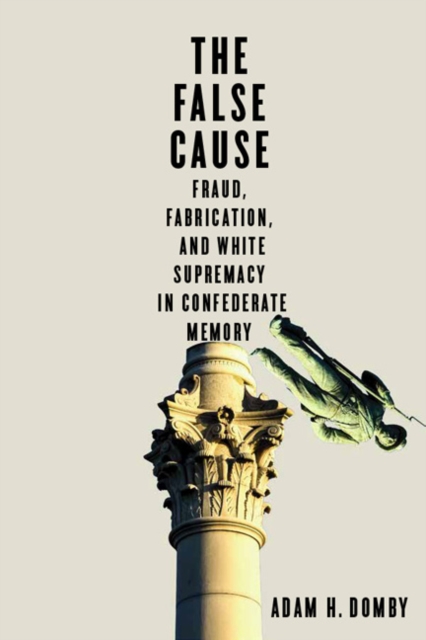
The Lost Cause ideology that emerged after the Civil War and flourished in the early twentieth century in essence sought to recast a struggle to perpetuate slavery as a heroic defense of the South.
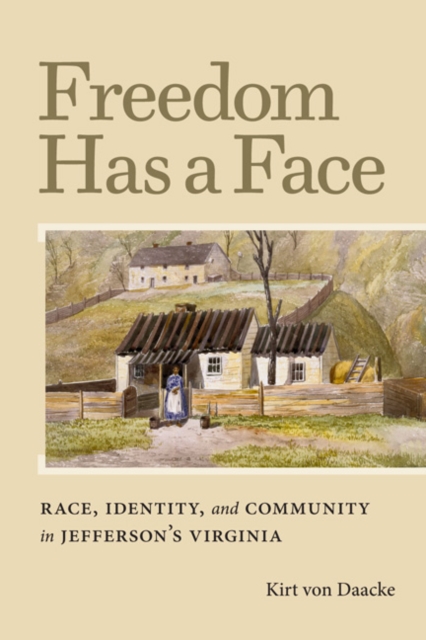
In his examination of a wide array of court papers from Albemarle County, a rural Virginia slaveholding community, Kirt von Daacke argues against the commonly held belief that southern whites saw free blacks only as a menace.
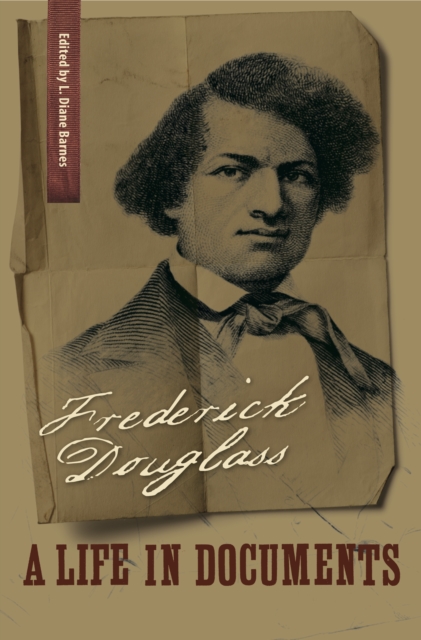
Frederick Douglass was born enslaved in February 1818, but from this most humble of beginnings, he rose to become a world-famous orator, newspaper editor, and champion of the rights of women and African Americans.
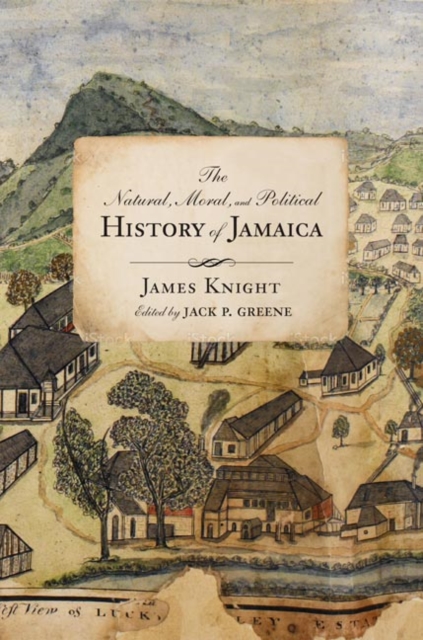
Between 1737 and 1746, James Knight-a merchant, planter, and sometime Crown official and legislator in Jamaica-wrote a massive two-volume history of the island.
The America of the early republic was built on an experiment, a hopeful prophecy that would only be fulfilled if an enlightened people could find its way through its past and into a future.
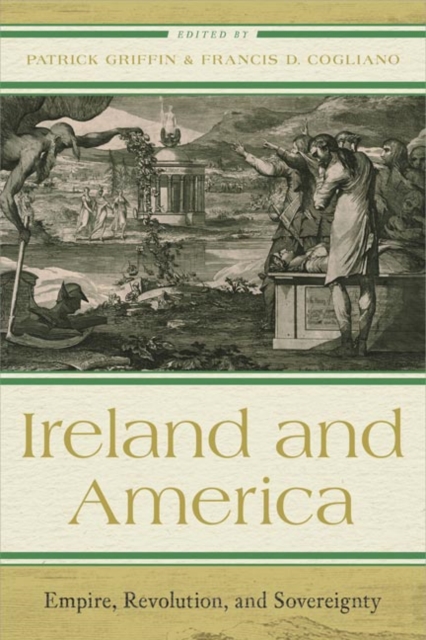
Looking at America through the Irish prism and employing a comparative approach, leading and emerging scholars of early American and Atlantic history interrogate anew the relationship between imperial reform and revolution in Ireland and America, offering fascinating insights into the imperial whole of which both places were a part.
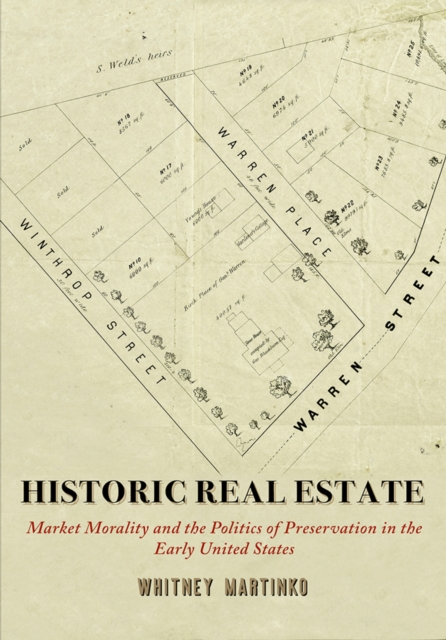
A detailed study of early historical preservation efforts between the 1780s and the 1850sIn Historic Real Estate, Whitney Martinko shows how Americans in the fledgling United States pointed to evidence of the past in the world around them and debated whether, and how, to preserve historic structures as permanent features of the new nation's landscape.
Although many white southerners chose to memorialize the Lost Cause in the aftermath of the Civil War, boosters, entrepreneurs, and architects in southern cities believed that economic development, rather than nostalgia, would foster reconciliation between North and South.
This collection of essays, organized around the theme of the struggle for equality in the United States during the nineteenth and twentieth centuries, also serves to honor the renowned Civil War historian James McPherson.
This is the story of a self-educated, charismatic, gifted leader who overcame personal tragedy in childhood and was elected the youngest mayor of a major city in America at age twenty-six.
A Quaker Colonel, His Fiancee, and Their Connections: Selected Civil War Correspondence offers a Northern counterpart to the great collection of Southern family letters published in The Children of Pride.
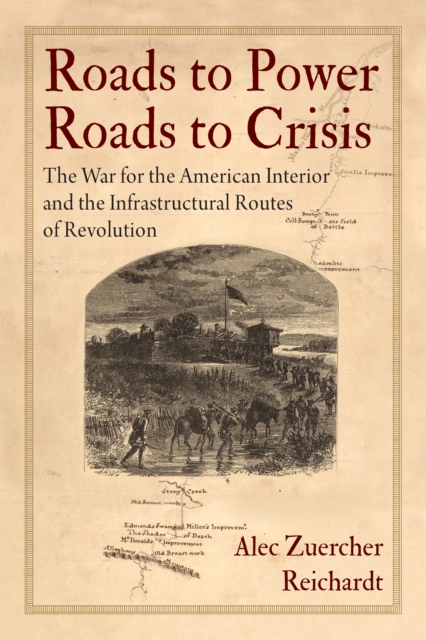
Infrastructure was key to British victory in the Seven Years' War yet was its undoing on the roads to revolutionRoads to Power, Roads to Crisis maps the Seven Years' War for the American Interior and reconstructs the inter-imperial roots of the American Revolution.
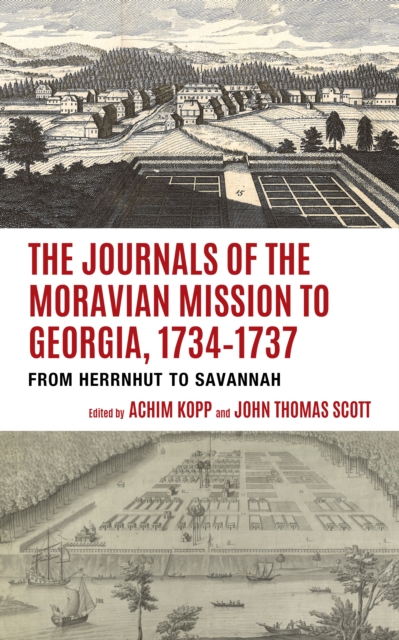
This book offers the first English translation of journals written by four leading figures in the Moravian Church who spent time in the British colony of Georgia between 1735 and 1737.
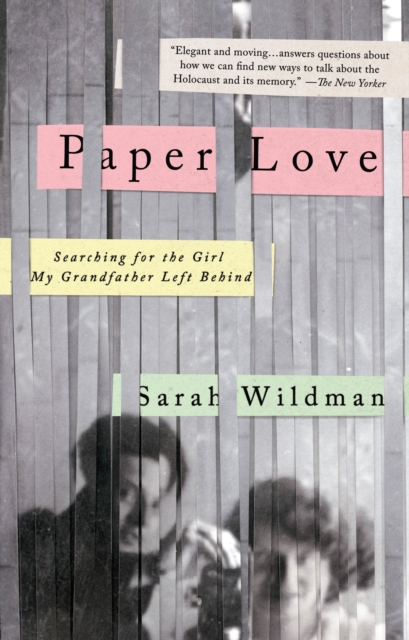
One woman’s journey to find the lost love her grandfather left behind when he fled pre-World War II Europe, and an exploration into family identity, myth, and memory.
In his widely acclaimed Chasing Shadows ("e;the best account yet of Nixon's devious interference with Lyndon Johnson's 1968 Vietnam War negotiations"e;-- Washington Post), Ken Hughes revealed the roots of the covert activity that culminated in Watergate.
In Uncommon Sense, Andrew Pessin leads us on an entertaining tour of philosophy, explaining the pivotal moments when the greatest minds solved some of the knottiest conundrums-by asserting some very strange things.
The 'end of the world' opens up philosophical questions concerning the very notion of the world, which is a fundamental element of all existential, phenomenological and hermeneutical philosophy.
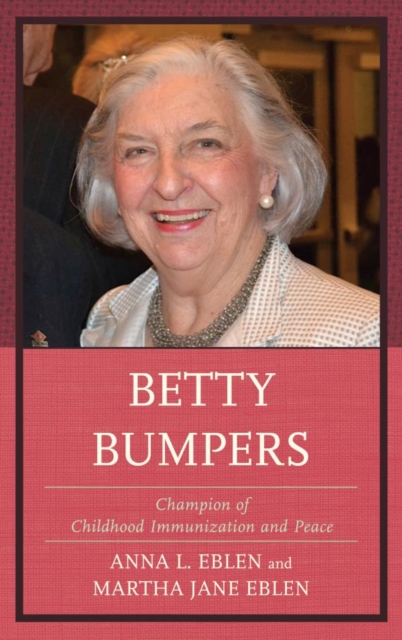
Betty Bumpers: Champion of Childhood Immunization and Peace explores the significance of Bumpers' work, situating her story within the context of the history and society of the late twentieth century.
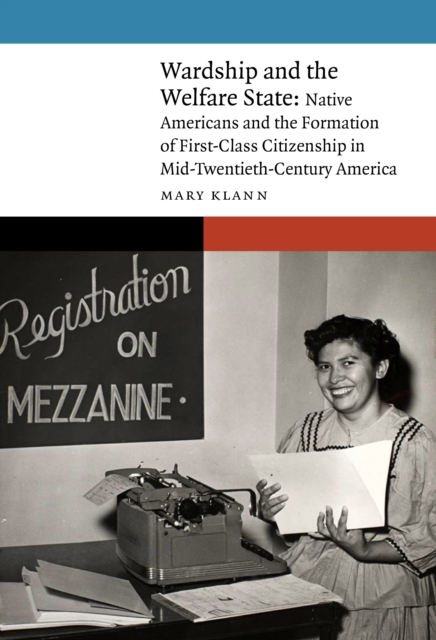
Wardship and the Welfare State examines the ideological dimensions and practical intersections of public policy and Native American citizenship, Indian wardship, and social welfare rights after World War II.
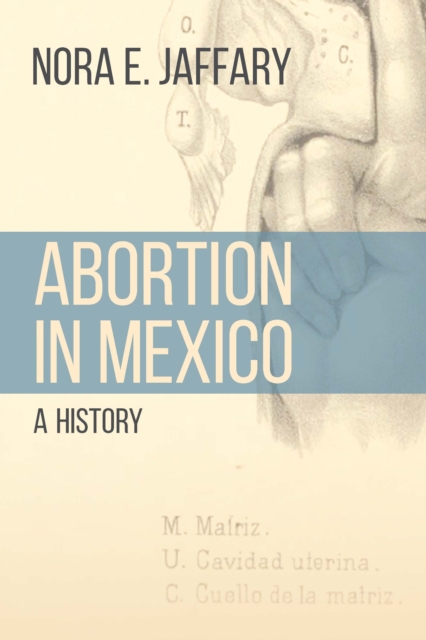
Abortion in Mexico: A History concisely examines the long history of abortion from the early postcontact period through the present day in Mexico by studying the law, criminal and ecclesiastical trials, medical texts, newspapers, and other popular publications.
Pastor of a bilingual, multicultural church for more than a decade, Gary Commins knows that "e;diversity"e; is a spiritual exercise that can be as charged with anxiety as it is laced with hope.
Encompassing the lands immediately surrounding the upper reaches of the Beaver River from its headwaters at Lake Lila to Beaver Lake at the settlement of Number Four, Beaver River country is the largest undisturbed tract of forest in the entire northeastern United States.
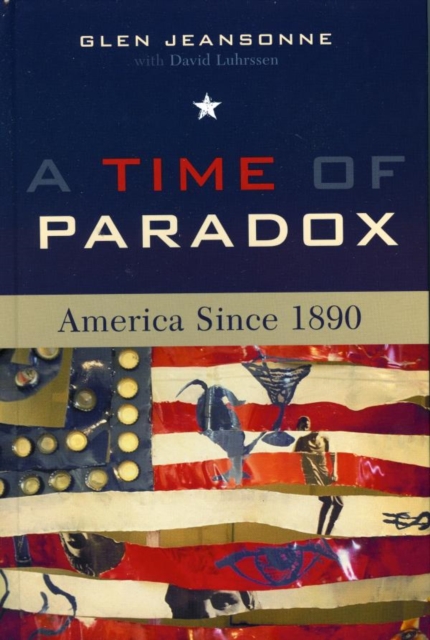
In this lively and provocative synthesis, distinguished historian Glen Jeansonne explores the people and events that shaped America in the twentieth century.
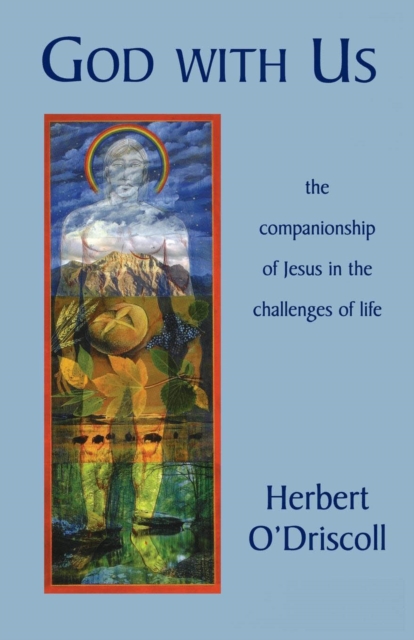
Few Anglican theologians today are as conversant about the reality and meaning of the Incarnation in the lives of ordinary women and men as Herbert O'Driscoll.