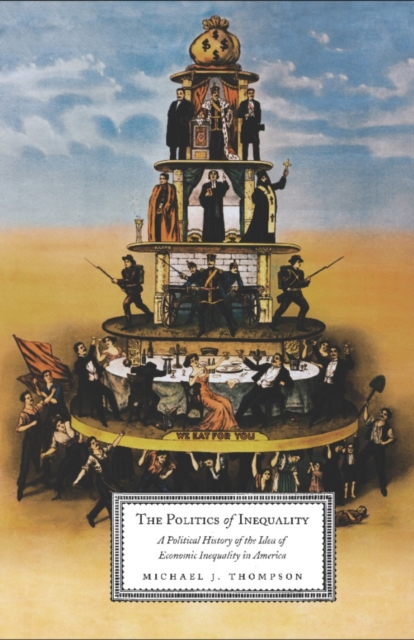
Since the early days of the American republic, political thinkers have maintained that a grossly unequal division of property, wealth, and power would lead to the erosion of democratic life.
Beyond Belief: Surviving the Revocation of the Edict of Nantes in France presents a demographic study of the behaviors of Protestants and Catholics in a town in southeastern France between 1650 and 1715.
The first book to shed light on what caused corporate executives to pursue a pro-globalization agenda over the last eight decadesCrusading for Globalization tells the story of an extraordinarily influential group of business executives at the helms of the largest US multinational corporations and their quest to drive globalization forward over the last eight decades.
This is the story of the oldest warship afloat in the world, the venerable frigate USS Constitution, the cornerstone of the nascent American navy created by act of Congress in 1794.
This volume examines significant individuals and developments in American political, economic, social, and cultural history between the years 1913 and 1933.
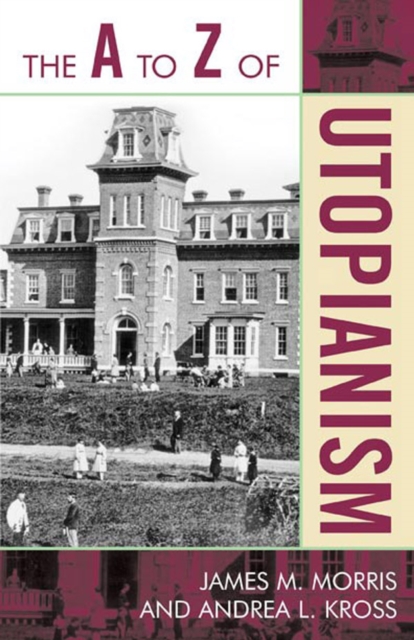
This reference contains more than 600 cross-referenced dictionary entries on utopian thought and experimentation that span the centuries from ancient times to the present.
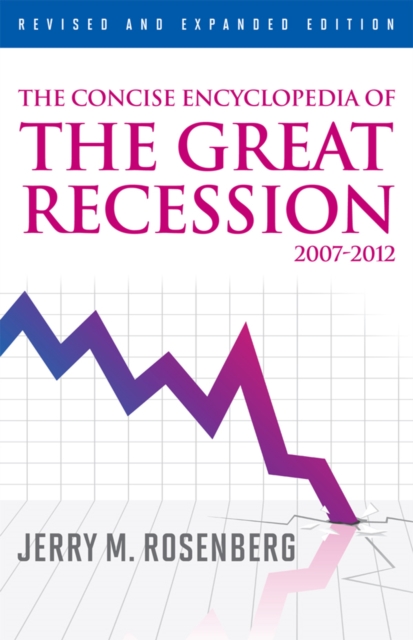
The Concise Encyclopedia of the Great Recession 2007-2012 brings to the present the necessary information for understanding the first major recession of the 21st century and one of the deepest since the Great Depression itself.
This autobiography is a series of interrelated true-life events and decisions taken by a black philosopher that highlight the human drama unfolding in the inferno of the South African apartheid system.
In recent years, a growing literature has focused on how to create more effective and democratic global governance mechanisms to better tackle global challenges such as health epidemics, global hunger, Internet surveillance or the consequences of climate change.
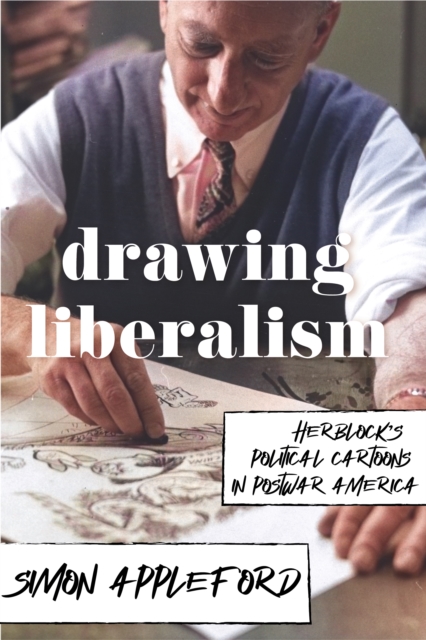
Drawing Liberalism is the first book-length critical examination of the political and social impact of the political cartoonist Herbert Block-popularly known as Herblock.
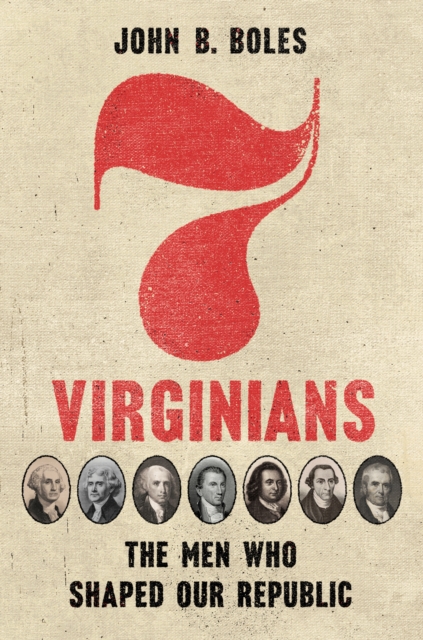
Seven Virginians, the culmination of a lifetime of erudition by one of America's leading historians, reveals the integral role played by seven major Virginians before, during, and after the American Revolution: George Washington, Thomas Jefferson, James Madison, James Monroe, George Mason, Patrick Henry, and John Marshall.
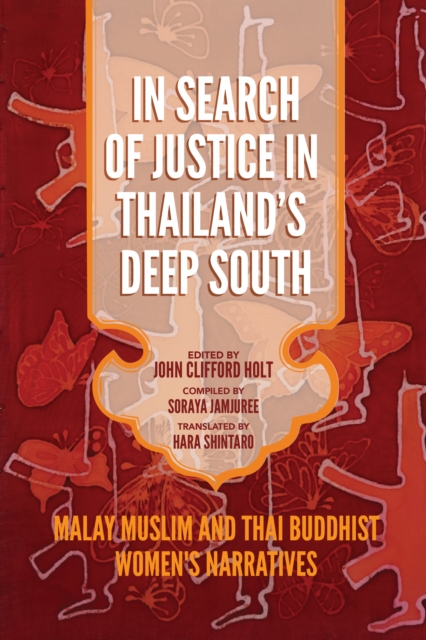
Since 2004, the violent conflict between Thai Buddhists and Malay Muslims has caused more than 7,500 deaths and 13,000 injuries in the southern border provinces of Thailand.
The historic lakeside village of Cazenovia in the scenic Finger Lakes region is one of the jewels of Central New York, and yet very few books have told its story.
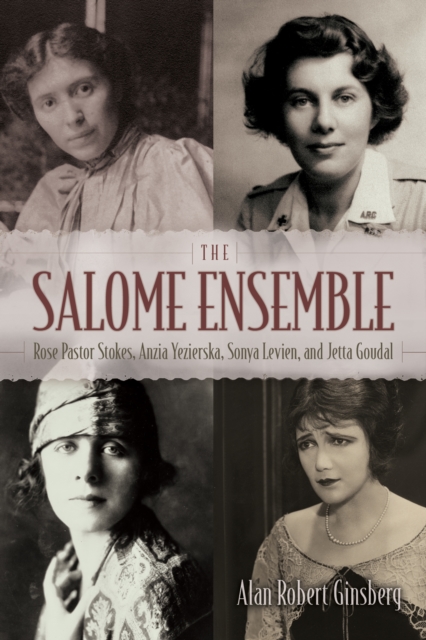
The Salome Ensemble probes the entangled lives, works, and passions of a political activist, a novelist, a screenwriter, and a movie actress who collaborated in 1920s New York City.
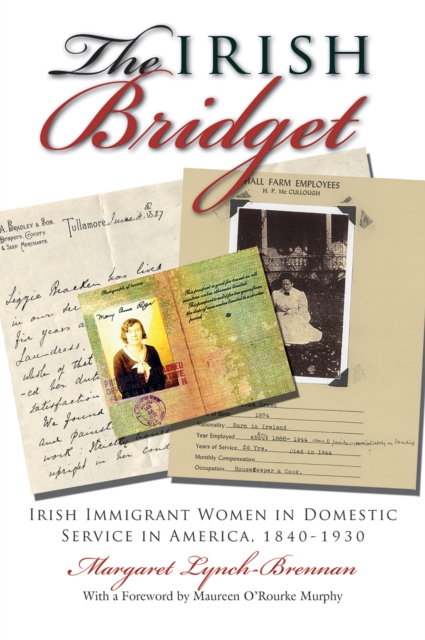
"e;Bridget"e; was the Irish immigrant servant girl who worked in American homes from the second half of the nineteenth century into the early years of the twentieth.
This revealing book presents a selection of lost articles from "e;Our Osage Hills,"e; a newspaper column by the renowned Osage writer, naturalist, and historian, John Joseph Mathews.
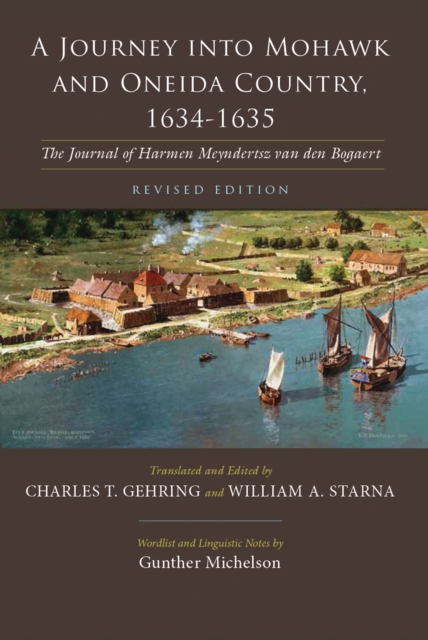
In 1634, the Dutch West India Company was anxious to know why the fur trade from New Netherland had been declining, so the company sent three employees far into Iroquois country to investigate.
The 2017 "e;Summer of Hate"e; in Charlottesville became a worldwide media event, putting at center stage the resurgence of emboldened and empowered white supremacy and "e;alt-right"e; extremism, as well as the antiracist movement opposing it.
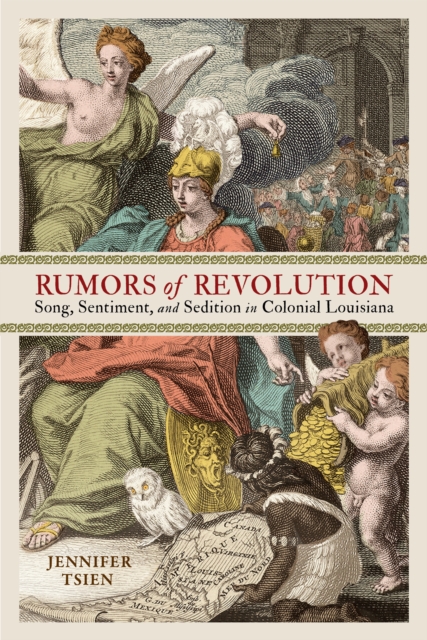
In 1682 the French explorer Rene-Robert Cavelier de La Salle claimed the Mississippi River basin for France, naming the region Louisiana to honor his king, Louis XIV.
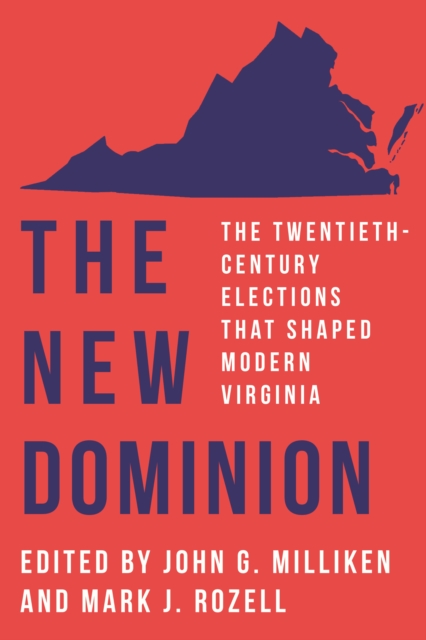
The New Dominion analyzes six key statewide elections to explore the demographic, cultural, and economic changes that drove the transformation of the state's politics and shaped the political Virginia of today.
The 2017 "e;Summer of Hate"e; in Charlottesville became a worldwide media event, putting at center stage the resurgence of emboldened and empowered white supremacy and "e;alt-right"e; extremism, as well as the antiracist movement opposing it.
In 1682 the French explorer Rene-Robert Cavelier de La Salle claimed the Mississippi River basin for France, naming the region Louisiana to honor his king, Louis XIV.
The New Dominion analyzes six key statewide elections to explore the demographic, cultural, and economic changes that drove the transformation of the state's politics and shaped the political Virginia of today.
The history of African Americans in southern Appalachia after the Civil War has largely escaped the attention of scholars of both African Americans and the region.
The revised and updated third edition of The Making of Urban America includes seven new articles and a richly detailed historiographical essay that discusses the vast urban history literature added to the canon since the publication of the second edition.