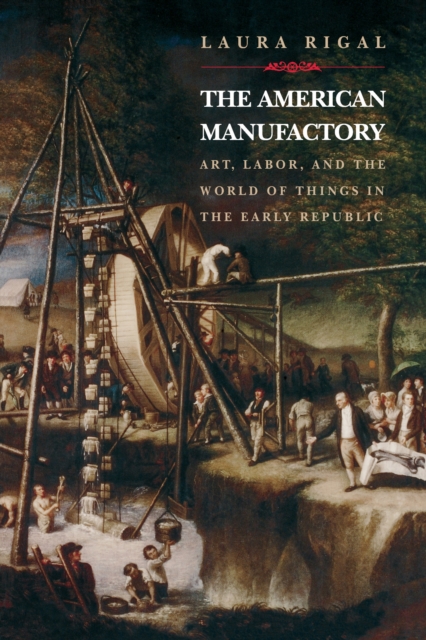
This cultural history of American federalism argues that nation-building cannot be understood apart from the process of industrialization and the making of the working class in the late-eighteenth-century United States.
Sharpening the debate over the values that formed America's founding political philosophy, Barry Alan Shain challenges us to reconsider what early Americans meant when they used such basic political concepts as the public good, liberty, and slavery.
The untold story of the founding father's likely Jewish birth and upbringing-and its revolutionary consequences for understanding him and the nation he fought to create In The Jewish World of Alexander Hamilton, Andrew Porwancher debunks a string of myths about the origins of this founding father to arrive at a startling conclusion: Hamilton, in all likelihood, was born and raised Jewish.
A timely and provocative account of the Bible's role in one of the most consequential episodes in the history of slaveryOn July 2, 1822, Denmark Vesey, a formerly enslaved man, was hanged in Charleston, South Carolina.
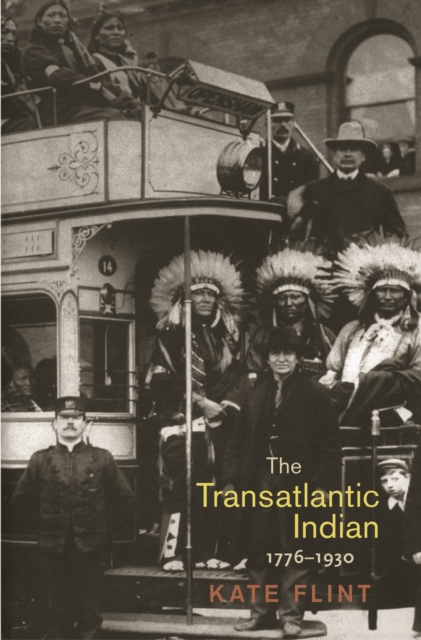
This book takes a fascinating look at the iconic figure of the Native American in the British cultural imagination from the Revolutionary War to the early twentieth century, and examining how Native Americans regarded the British, as well as how they challenged their own cultural image in Britain during this period.
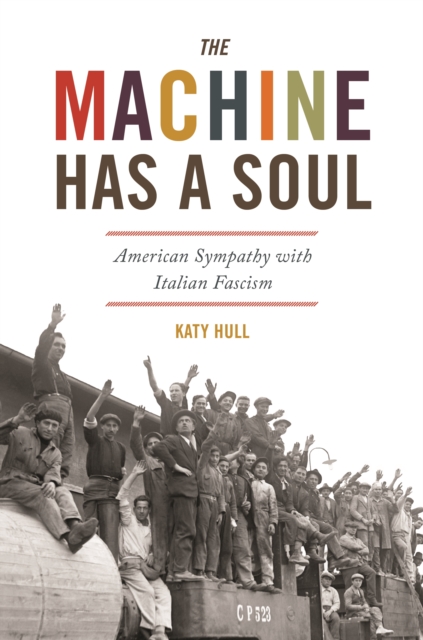
A historical look at the American fascination with Italian fascism during the interwar periodIn the interwar years, the United States grappled with economic volatility, and Americans expressed anxieties about a decline in moral values, the erosion of families and communities, and the decay of democracy.
The unknown history of deportation and of the fear that shapes immigrants' livesConstant headlines about deportations, detention camps, and border walls drive urgent debates about immigration and what it means to be an American in the twenty-first century.
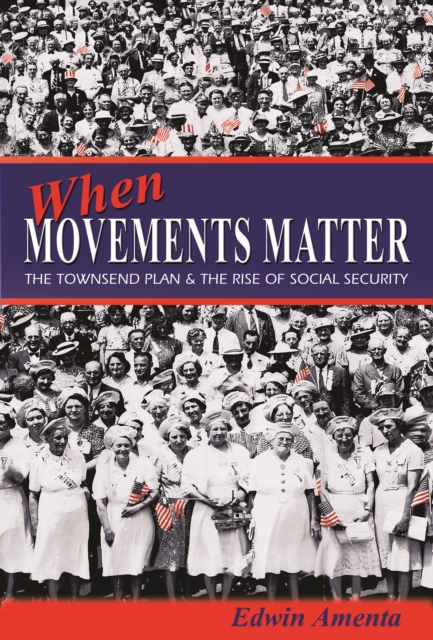
How political protests and activism influence voters and candidatesThe "e;silent majority"e;-a phrase coined by Richard Nixon in 1969 in response to Vietnam War protests and later used by Donald Trump as a campaign slogan-refers to the supposed wedge that exists between protestors in the street and the voters at home.
In the summer of 1964, the turmoil of the civil rights movement reached its peak in Mississippi, with activists across the political spectrum claiming that God was on their side in the struggle over racial justice.
The racist legacy behind the Western idea of freedomThe era of the Enlightenment, which gave rise to our modern conceptions of freedom and democracy, was also the height of the trans-Atlantic slave trade.
From the author of the acclaimed biography Martin Luther: Renegade and Prophet, new perspectives on how Luther and others crafted his larger-than-life imageMartin Luther was a controversial figure during his lifetime, eliciting strong emotions in friends and enemies alike, and his outsized persona has left an indelible mark on the world today.
The first complete history of US industry's most influential and controversial lobbyistFounded in 1895, the National Association of Manufacturers-NAM-helped make manufacturing the basis of the US economy and a major source of jobs in the twentieth century.
The story of how Arab editors of the late nineteenth and early twentieth centuries revolutionized Islamic literatureIslamic book culture dates back to late antiquity, when Muslim scholars began to write down their doctrines on parchment, papyrus, and paper and then to compose increasingly elaborate analyses of, and commentaries on, these ideas.
A compelling history of the national conflicts that resulted from efforts to produce the first definitive American dictionary of English In The Dictionary Wars, Peter Martin recounts the patriotic fervor in the early American republic to produce a definitive national dictionary that would rival Samuel Johnson's 1755 Dictionary of the English Language.
A sociologist and former fashion model takes readers inside the elite global party circuit of "e;models and bottles"e; to reveal how beautiful young women are used to boost the status of menMillion-dollar birthday parties, megayachts on the French Riviera, and $40,000 bottles of champagne.
An in-depth look at how democratic values have widened the American arts scene, even as it remains elite and cosmopolitanTwo centuries ago, wealthy entrepreneurs founded the American cathedrals of culture-museums, theater companies, and symphony orchestras-to mirror European art.
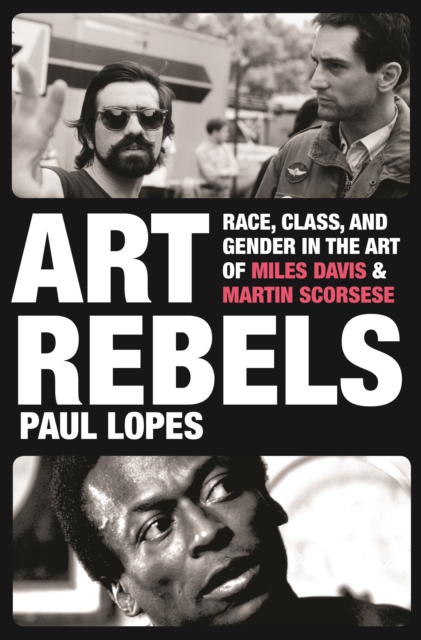
How creative freedom, race, class, and gender shaped the rebellion of two visionary artistsPostwar America experienced an unprecedented flourishing of avant-garde and independent art.
How parents approach the task of passing on religious faith and practice to their childrenHow do American parents pass their religion on to their children?
A firsthand look at efforts to improve diversity in software and hackerspace communitiesHacking, as a mode of technical and cultural production, is commonly celebrated for its extraordinary freedoms of creation and circulation.
The untold story of how welfare and development programs in the United States and Latin America produced the instruments of their own destructionIn the years after 1945, a flood of U.
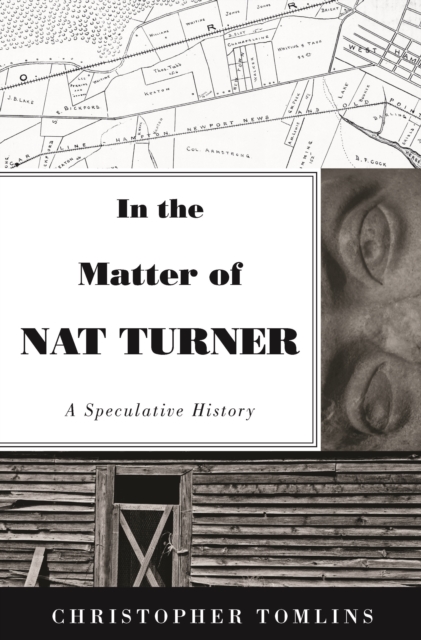
A bold new interpretation of Nat Turner and the slave rebellion that stunned the American SouthIn 1831 Virginia, Nat Turner led a band of Southampton County slaves in a rebellion that killed fifty-five whites, mostly women and children.
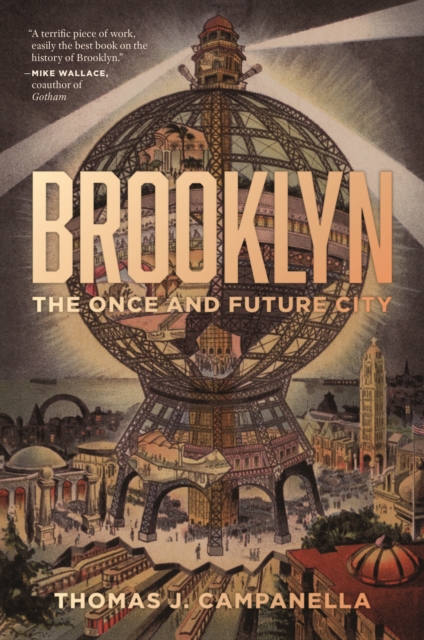
An unprecedented history of Brooklyn, told through its places, buildings, and the people who made them, from the early seventeenth century to todayAmerica's most storied urban underdog, Brooklyn has become an internationally recognized brand in recent decades-celebrated and scorned as one of the hippest destinations in the world.
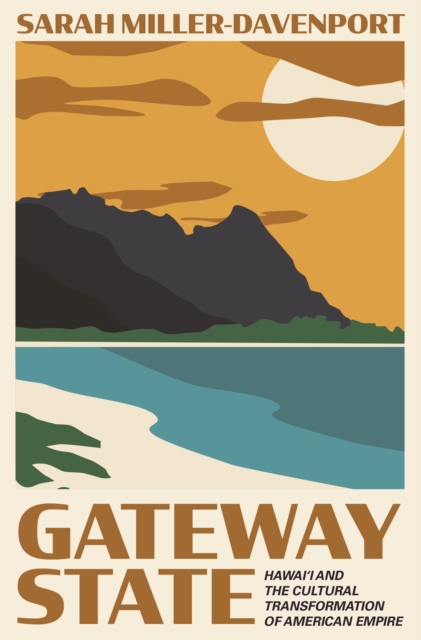
How Hawai'i became an emblem of multiculturalism during its journey to statehood in the mid-twentieth centuryGateway State explores the development of Hawai'i as a model for liberal multiculturalism and a tool of American global power in the era of decolonization.
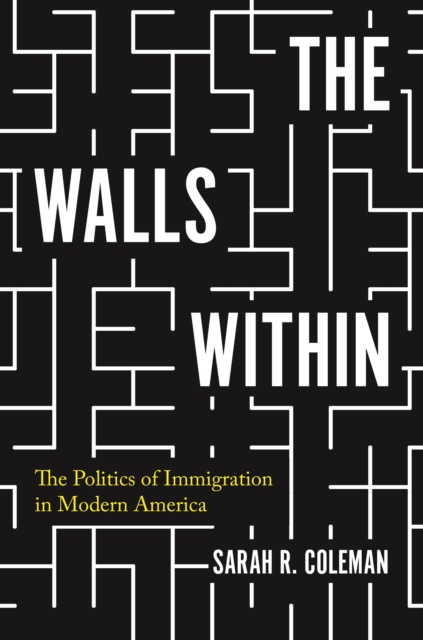
A history of the battles over US immigrants' rights since 1965-and how these conflicts reshaped access to education, employment, civil liberties, and moreThe 1965 Hart-Celler Act transformed the American immigration system by abolishing national quotas in favor of a seemingly egalitarian approach.
How beef conquered America and gave rise to the modern industrial food complexBy the late nineteenth century, Americans rich and poor had come to expect high-quality fresh beef with almost every meal.
The gripping history of Afro-Latino migrants who conspired to overthrow a colonial monarchy, end slavery, and secure full citizenship in their homelandsIn the late nineteenth century, a small group of Cubans and Puerto Ricans of African descent settled in the segregated tenements of New York City.
The fascinating untold story of digital cash and its creators-from experiments in the 1970s to the mania over Bitcoin and other cryptocurrenciesBitcoin may appear to be a revolutionary form of digital cash without precedent or prehistory.
A groundbreaking history of early America that shows how Boston built and sustained an independent city-state in New England before being folded into the United StatesIn the vaunted annals of America's founding, Boston has long been held up as an exemplary "e;city upon a hill"e; and the "e;cradle of liberty"e; for an independent United States.
A look at the revolution in game live streaming and esports broadcastingEvery day thousands of people broadcast their gaming live to audiences over the internet using popular sites such as Twitch, which reaches more than one hundred million viewers a month.
How silver influenced two hundred years of world history, and why it matters todayThis is the story of silver's transformation from soft money during the nineteenth century to hard asset today, and how manipulations of the white metal by American president Franklin D.
Why American founding father John Adams feared the political power of the rich-and how his ideas illuminate today's debates about inequality and its consequencesLong before the "e;one percent"e; became a protest slogan, American founding father John Adams feared the power of a class he called simply "e;the few"e;-the wellborn, the beautiful, and especially the rich.
A guide to the latest research on how young people can develop positive ethnic-racial identities and strong interracial relationsToday's young people are growing up in an increasingly ethnically and racially diverse society.
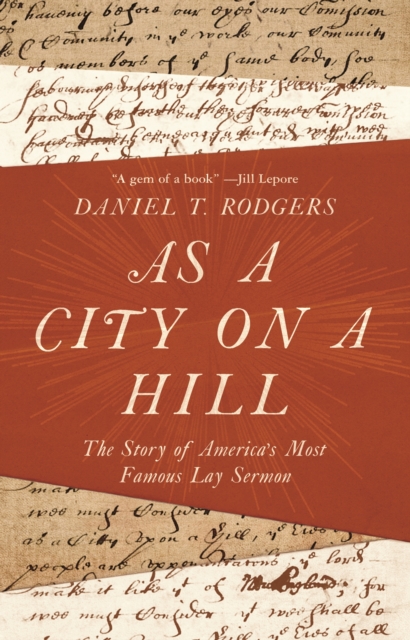
How an obscure Puritan sermon came to be seen as a founding document of American identity and exceptionalism"e;For we must consider that we shall be as a city upon a hill,"e; John Winthrop warned his fellow Puritans at New England's founding in 1630.
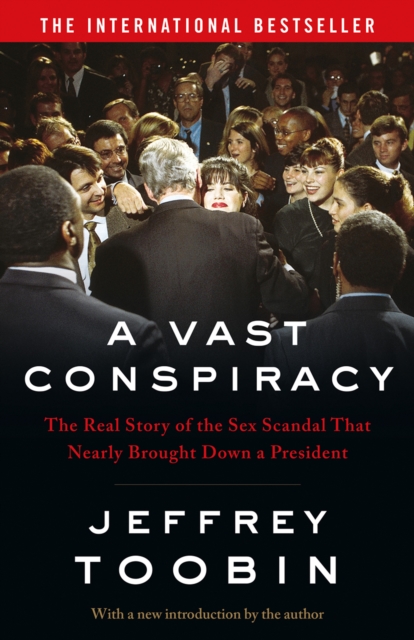
The International BestsellerThe inspiration for Impeachment: American Crime StoryThe definitive account of the Clinton-Lewinsky sex scandals, A Vast Conspiracy casts an insightful eye over the extraordinary ordeal that nearly brought down a president.
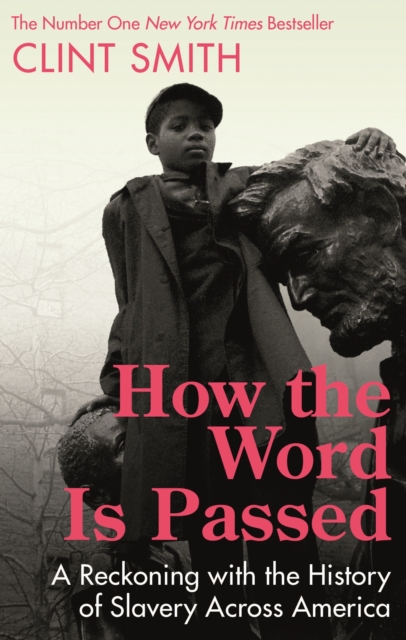
ONE OF BARACK OBAMA'S FAVOURITE BOOKS OF THE YEARA NUMBER ONE NEW YORK TIMES BESTSELLERLONGLISTED FOR THE NATIONAL BOOK AWARD FOR NON-FICTION'A beautifully readable reminder of how much of our urgent, collective history resounds in places all around us that have been hidden in plain sight.
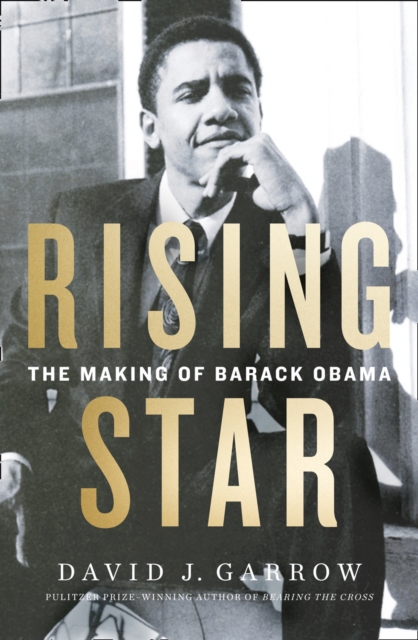
The definitive account of Barack Obama's life before he became the 44th president of the United States - the formative years, confluence of forces, and influential figures who helped shaped an extraordinary leader and his rise - from the Pulitzer Prize-winning author of Bearing the Cross.