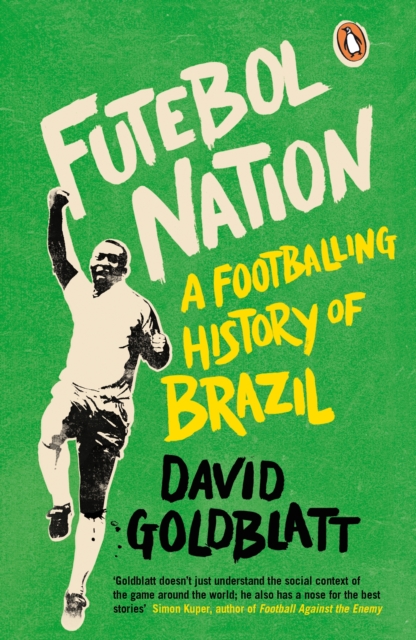
Futebol Nation by David Goldblatt - a thriling history of Brazil through its sporting passionFrom the genius of Pel to corruption and civil unrest, no nation has so closely aligned its national identity with playing and watching football as Brazil.
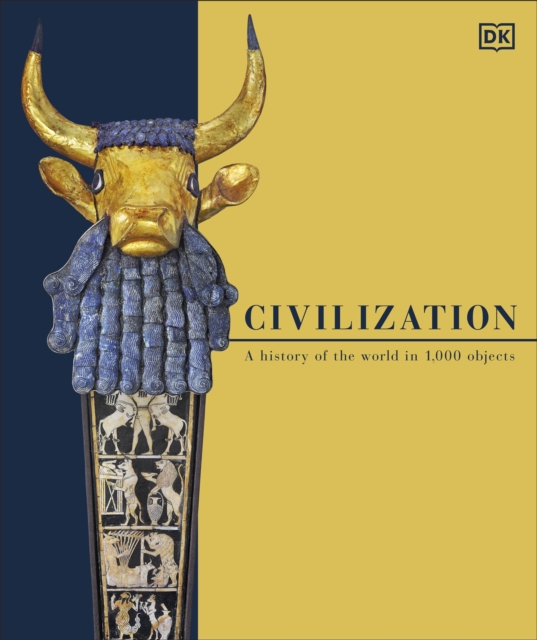
Discover how humans created their world from the objects they left behind - from the US Constitution to the first iPhone - in DK's latest history ebook.
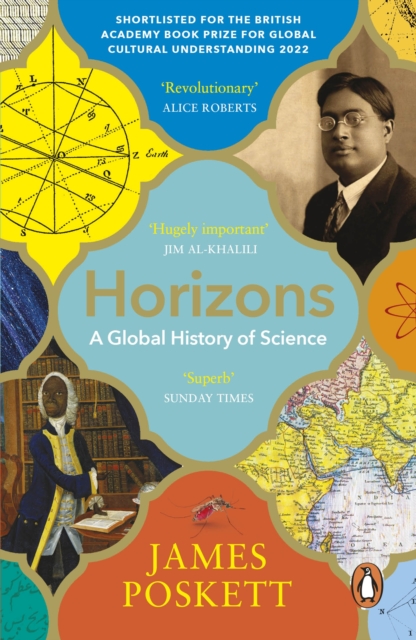
'Superb' Sunday Times'Revolutionary' Alice Roberts'Hugely important' Jim Al-Khalili_______________A radical retelling of the history of science that foregrounds the scientists erased from history In this major retelling of the history of science from 1450 to the present day, James Poskett explodes the myth that science began in Europe.
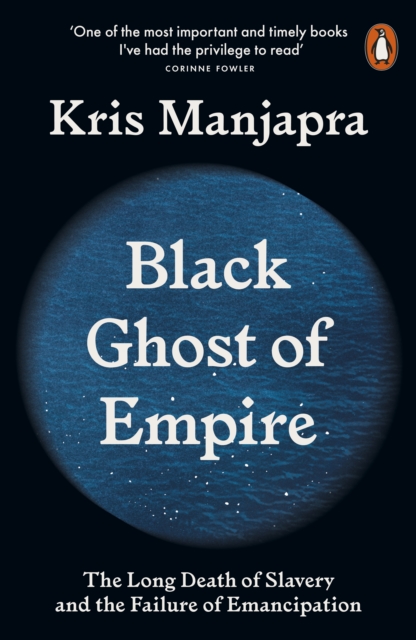
A revelatory historical indictment of the long afterlife of slavery in the Atlantic worldTo fully understand why the shadow of slavery haunts us today, we must confront the flawed way that it ended.
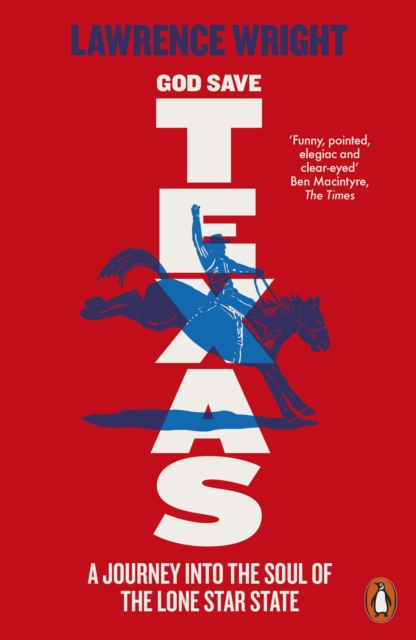
A New York Times Notable Book of 2018'This is a funny, pointed love letter to Texas, at once elegiac and clear-eyed' Ben Macintyre, The TimesFrom the Pulitzer Prize-winning author of The Looming Tower, God Save Texas is a journey through the most controversial state in America.
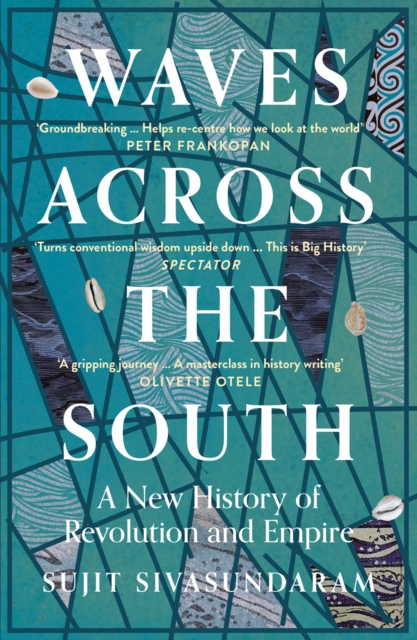
WINNER OF THE BRITISH ACADEMY BOOK PRIZE FOR GLOBAL CULTURAL UNDERSTANDINGSHORTLISTED FOR THE PEN-HESSEL TILTMAN PRIZE 2021LONGLISTED FOR THE CUNDILL HISTORY PRIZE 2021'Helps re-centre how we look at the world' PETER FRANKOPAN'Global history at its finest' SUNIL AMRITH'A master class' OLIVETTE OTELE'Fascinating' FINANCIAL TIMESStarting from the ocean and from the forgotten histories of ocean-facing communities, this is a new history of the making of our world.
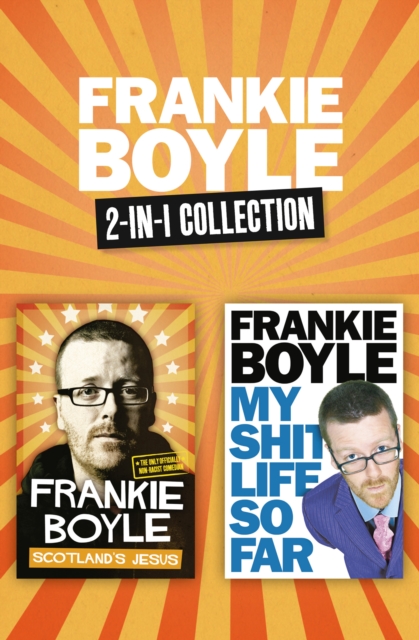
Frankie Boyle's uproarious bestseller My Shit Life So Far combined with his latest book, Scotland's Jesus, which showcases Frankie's increasingly unsympathetic worldview and philosophical despair, now available in one complete eBook volume.
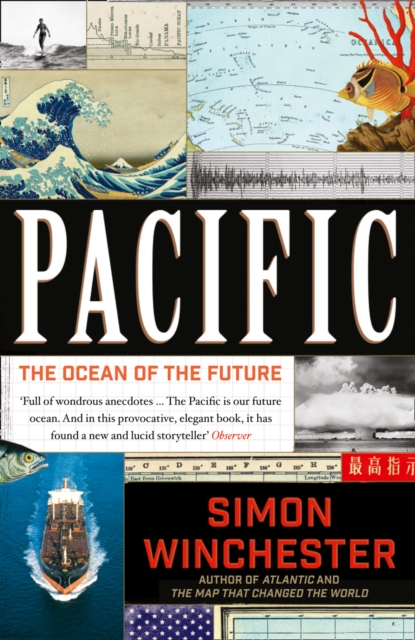
Travelling the circumference of the truly gigantic Pacific, Simon Winchester tells the story of the world's largest body of water, and - in matters economic, political and military - the ocean of the future.
The Immortal Life of Henrietta Lacks is a heartbreaking mix of memoir and science, telling the story of how one woman's cells - taken without her knowledge - have saved countless lives.
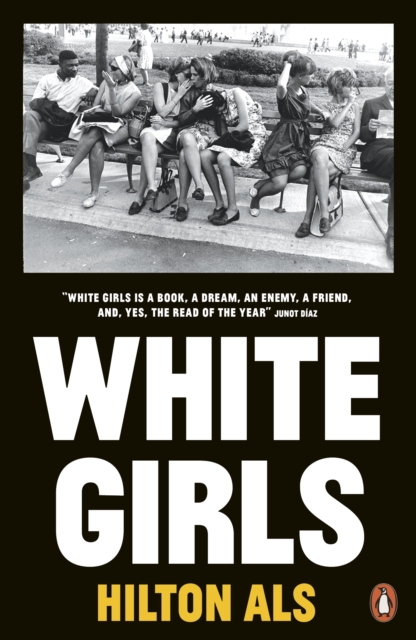
'I defy you to read this book and come away with a mind unchanged' John Jeremiah Sullivan'Als has a serious claim to be regarded as the next James Baldwin' Observer'I see how we are all the same, that none of us are white women or black men; rather, we're a series of mouths, and that every mouth needs filling: with something wet or dry, like love, or unfamiliar and savory, like love'White Girls is about, among other things, blackness, queerness, movies, Brooklyn, love (and the loss of love), AIDS, fashion, Basquiat, Capote, philosophy, porn, Louise Brooks and Michael Jackson.
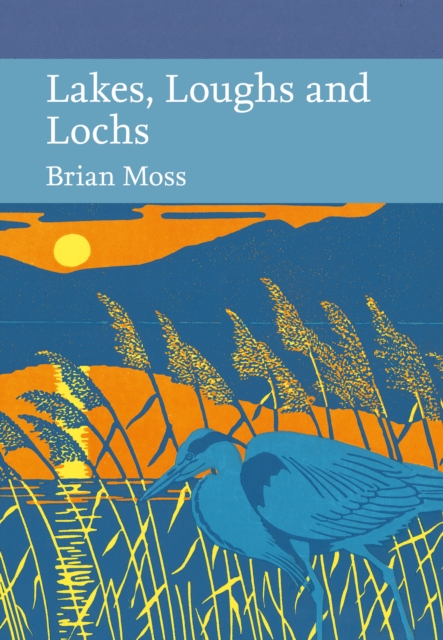
Another volume in the popular New Naturalist series, this book gives a comprehensive account of the natural history of Britain and Ireland's inland waters, many of which are popular holiday destinations.
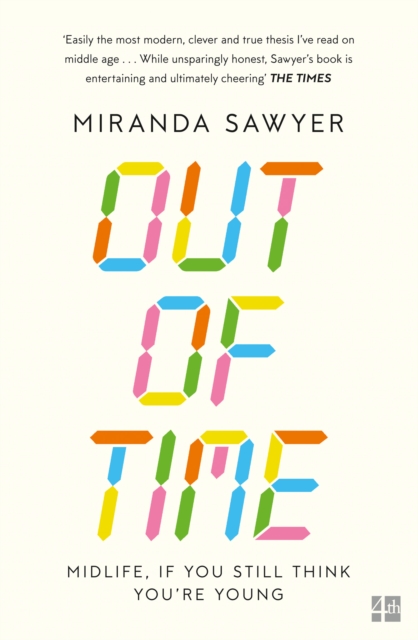
From the hugely respected journalist Miranda Sawyer, a very modern look at the midlife crisis - delving into the truth, and lies, of the experience and how to survive it, with thoughtfulness, insight and humour.
THE DIARY OF ANNE FRANK IS 'A MONUMENT TO THE HUMAN SPIRIT'One of the most famous accounts of living under the Nazi regime comes from the diary of a thirteen-year-old Jewish girl, Anne Frank.
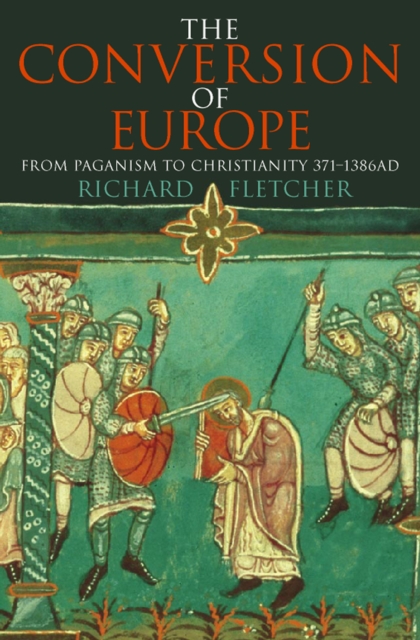
The story of how Europe was converted to Christianity from 300AD until the barbarian Lithuanians finally capitulated at the astonishingly late date of 1386.
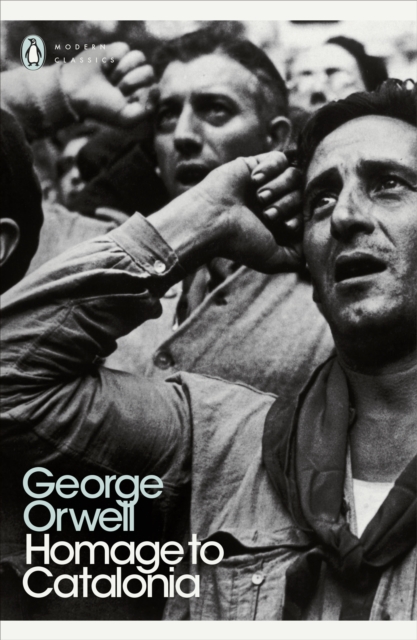
'Every line of serious work that I have written since 1936 has been written, directly or indirectly, against totalitarianism and for democratic Socialism as I understand it'.
Selected as the Sunday Times History Book of the Year for 2012, this is a meticulous work of scholarship from the foremost historian of 20th-century Spain.
For viewers of BBC One's 'Britain and the Sea', 'Leviathan' is a must-read; overturning long-held beliefs about our ancestry and weaving together the disparate strands that made the fabric of the Empire.