At once informative and entertaining, inspiring and challenging, My Los Angeles provides a deep understanding of urban development and change over the past forty years in Los Angeles and other city regions of the world.
In the late nineteenth and early twentieth centuries, working-class Americans had eating habits that were distinctly shaped by jobs, families, neighborhoods, and the tools, utilities, and size of their kitchens-along with their cultural heritage.
This first major examination the interrelationships of music and surfing explores different ways that surfers combine surfing with making and listening to music.
How Race Is Made in America examines Mexican Americans-from 1924, when American law drastically reduced immigration into the United States, to 1965, when many quotas were abolished-to understand how broad themes of race and citizenship are constructed.
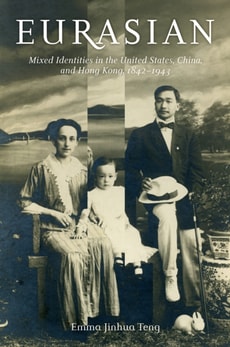
In the second half of the nineteenth century, global labor migration, trade, and overseas study brought China and the United States into close contact, leading to new cross-cultural encounters that brought mixed-race families into being.
Saints and Citizens is a bold new excavation of the history of Indigenous people in California in the late eighteenth and nineteenth centuries, showing how the missions became sites of their authority, memory, and identity.
This book is an expanded version of the Clark Kerr Lectures of 2012, delivered by Neil Smelser at the University of California at Berkeley in January and February of that year.
Tracing the rise of evangelicalism and the decline of mainline Protestantism in American religious and cultural lifeHow did American Christianity become synonymous with conservative white evangelicalism?
Tracing the origins of the Hawaiians and other Polynesians back to the shores of the South China Sea, archaeologist Patrick Vinton Kirch follows their voyages of discovery across the Pacific in this fascinating history of Hawaiian culture from about one thousand years ago.
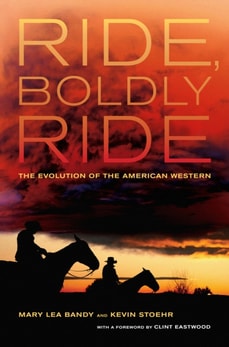
This comprehensive study of the Western covers its history from the early silent era to recent spins on the genre in films such as No Country for Old Men, There Will Be Blood, True Grit, and Cowboys & Aliens.
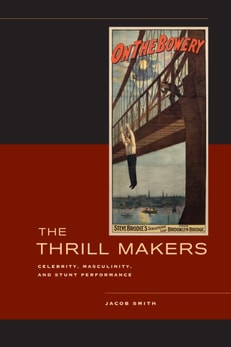
Well before Evel Knievel or Hollywood stuntmen, reality television or the X Games, North America had a long tradition of stunt performance, of men (and some women) who sought media attention and popular fame with public feats of daring.
In this gripping memoir of the AIDS years (1981-1996), Sarah Schulman recalls how much of the rebellious queer culture, cheap rents, and a vibrant downtown arts movement vanished almost overnight to be replaced by gay conservative spokespeople and mainstream consumerism.
From individual grains to desert dunes, from the bottom of the sea to the landscapes of Mars, and from billions of years in the past to the future, this is the extraordinary story of one of nature's humblest, most powerful, and most ubiquitous materials.
In rethinking and reframing the American national narrative in a wider context, the contributors to this volume ask questions about both nationalism and the discipline of history itself.
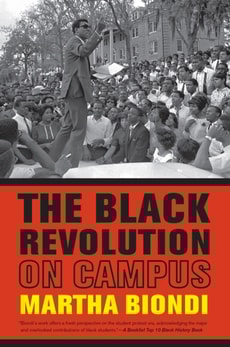
This momentous work offers a groundbreaking history of the early civil rights movement in the South with new material that situates the book in the context of subsequent movement literature.
First published in 1999, this celebrated history of San Francisco traces the exploitation of both local and distant regions by prominent families-the Hearsts, de Youngs, Spreckelses, and others-who gained power through mining, ranching, water and energy, transportation, real estate, weapons, and the mass media.
Chronicling the rise of Los Angeles through shifting ideas of race and ethnicity, William Deverell offers a unique perspective on how the city grew and changed.
Originally published in 1843, Fanny Calderon de la Barca, gives her spirited account of living in Mexico-from her travels with her husband through Mexico as the Spanish diplomat to the daily struggles with finding good help-Fanny gives the reader an enlivened picture of the life and times of a country still struggling with independence.
Santa Fe Trail Association Award of MeritIn the culture of the American West, images abound of Indians drunk on the white mans firewater, a historical stereotype William Unrau has explored in two previous books.
In this first comprehensive comparison of left-wing violence in the United States and West Germany, Jeremy Varon focuses on America's Weather Underground and Germany's Red Army Faction to consider how and why young, middle-class radicals in prosperous democratic societies turned to armed struggle in efforts to overthrow their states.
Food consumption is a significant and complex social activity-and what a society chooses to feed its children reveals much about its tastes and ideas regarding health.
How evangelical churches in the United States convert migrant distress into positive religious devotionWhy do migrants become more deeply evangelical in the United States and how does this religious identity alter their self-understanding?
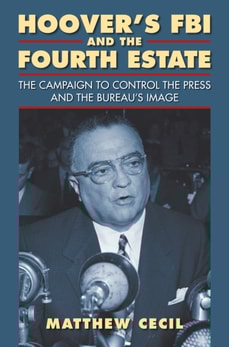
Winner: AEJMC Book AwardFinalist, Frank Luther Mott-Kappa Tau Alpha Research AwardThe Federal Bureau of Investigation was an agency devoted to American ideals, professionalism, and scientific methods, directed by a sage and selfless leaderand anyone who said otherwise was a no-good subversive, bent on discrediting the American way of life.
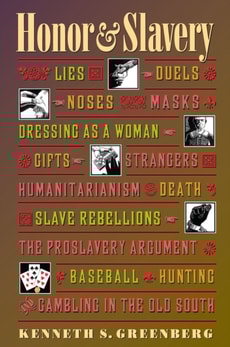
The "e;honorable men"e; who ruled the Old South had a language all their own, one comprised of many apparently outlandish features yet revealing much about the lives of masters and the nature of slavery.
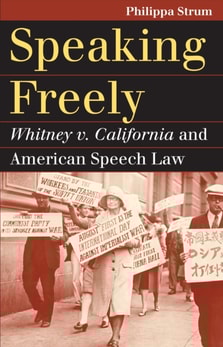
Anita Whitney was a child of wealth and privilege who became a vocal leftist early in the twentieth century, supporting radical labor groups such as the Wobblies and helping to organize the Communist Labor Party.
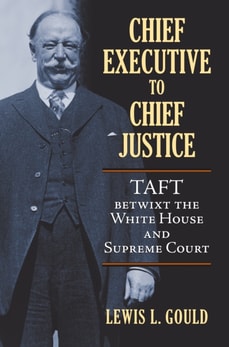
As our 27th president from 1909 to 1913, and then as chief justice of the Supreme Court from 1921 to 1930, William Howard Taft was the only man ever to lead two of Americas three governing branches.
The surprising story of how George Washington, Alexander Hamilton, John Adams, and Thomas Jefferson came to despair for the future of the nation they had createdAmericans seldom deify their Founding Fathers any longer, but they do still tend to venerate the Constitution and the republican government that the founders created.
Delving beneath Southern California's popular image as a sunny frontier of leisure and ease, this book tells the dynamic story of the life and labor of Los Angeles's large working class.