This book is an innovative, interdisciplinary study of the nature of design as a form of communication within and across Britain and its empire in the long nineteenth century.
This collection brings together leading and emerging scholars to evaluate the viability of four nations approaches to the history of the United Kingdom from the eighteenth to the twentieth century.
Ireland in an Imperial World interrogates the myriad ways through which Irish men and women experienced, participated in, and challenged empires in the nineteenth and twentieth centuries.
This book points out a novel pattern in colonial intimacy - that Catholic colonizers tended to leave behind significant mixed communities while Protestant colonizers were more likely to police relations with local women.
This book weaves William Thomas Thornton'slife story into the larger themes of his diverse writings whose purpose was toexpose ambiguities and contradictions in politics, economics, metaphysics andreligion.
This book is a vivid history of Madagascar from the pre-colonial era to decolonization, examining a set of French colonial projects and perceptions that revolve around issues of power, vulnerability, health, conflict, control and identity.
This book offers an interpretive and critical comparative politics analysis of the post-1945 development trajectory of the broad East Asian region and its component countries.
This book examines how the expansion of a steam-powered Royal Navy from the second half of the nineteenth century had wider ramifications across the British Empire.
This book explores the world of Nigerian universities to offer an innovative perspective on the history of development and decolonisation from the 1930s to the 1960s.
The typical image of the Gezira Scheme, the large-scale irrigation scheme started under British colonial rule in Sudan, is of a centrally planned effort by a central colonial power controlling tenants and cotton production.
Examining the rise of the field of imperial history in Britain and wider webs of advocacy, this book demonstrates how intellectuals and politicians promoted settler colonialism, excluded the subject empire, and laid a precarious framework for decolonization.
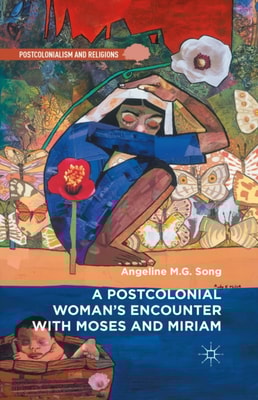
This book is grounded in a theorization of the author's personal story including growing up as a female adoptee of a single parent in a patriarchal context, and current material context as an immigrant in New Zealand.
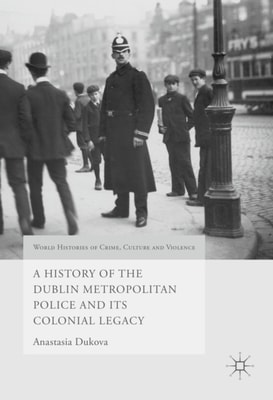
This book illuminates the neglected history of the Dublin Metropolitan Police - a history that has been long overshadowed by existing historiography, which has traditionally been preoccupied with the more radical aspects of Irish history.