This book explores the dynamics of Anglo-Australian cricketing relations within the 'British World' in the late nineteenth and early twentieth centuries.
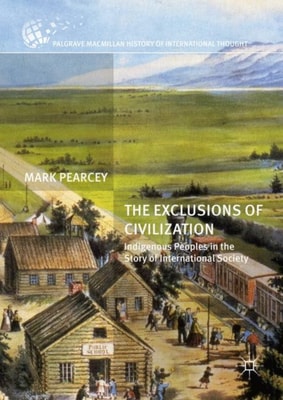
This book builds upon an inter-disciplinary body of literature to detail the centrality of European colonialism and imperialism in the constitution of modern international relations.
This book discusses John Stuart Mill's intellectual activity from about 1827 to 1848, namely between his recovery from his so-called 'Mental Crisis' and the publication of Principles of Political Economy.
Using previously unexplored archives from colonial institutions and individuals, and primary materials produced by the Burmese Chinese, this comprehensive study investigates over a century of history of the Burmese Chinese under British colonial rule.
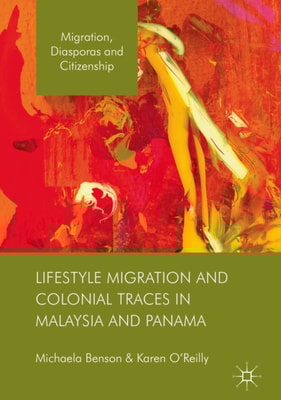
Leading scholars in the sociology of migration, Michaela Benson and Karen O'Reilly, re-theorise lifestyle migration through a sustained focus on postcolonialism at its intersections with neoliberalism.
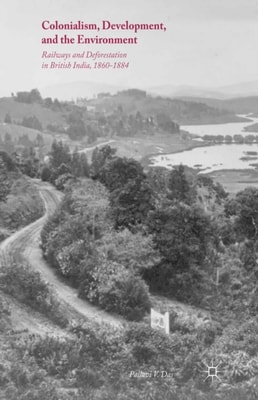
This study explores the confluence of economy and ecology in British India, showing that Britain initiated economic development strategies in India in order to efficiently extract resources from it.
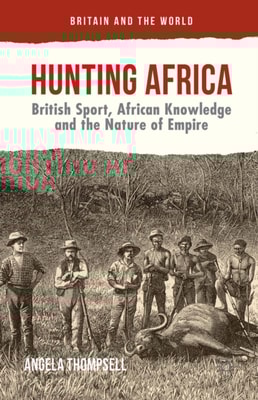
This book recovers the multiplicity of meanings embedded in colonial hunting and the power it symbolized by examining both the incorporation and representation of British women hunters in the sport and how African people leveraged British hunters' dependence on their labor and knowledge to direct the impact and experience of hunting.
This book brings together the newest and the most innovative scholarship on Nigerian children-one of the least researched groups in African colonial history.
This edited collection is the first book-length project to undertake a multidisciplinary study of democratization and human security in the post war nation of Sierra Leone.
This history of the 'Torrid Zone' offers a comprehensive and powerfully rich exploration of the 17th century Anglophone Atlantic world, overturning British and American historiographies and offering instead a vernacular history that skillfully negotiates diverse locations, periodizations, and the fraught waters of ethnicity and gender.
Using the concept of otherness as an entry point into a discussion of poetry, Jonathan Hart's study explores the role of history and theory in relation to literature and culture.
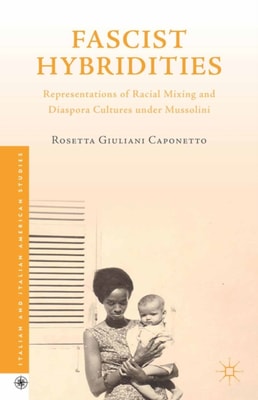
Under Italian Fascism, African-Italian mulattoes and white Italians living in Egypt posed a particular threat to the pursuit of a homogenous national identity.
Johnson provides an historically rich examination of the intersection of early twentieth-century imperial culture, imperial politics, and imperial economics as reflected in the colonial built environment at New Delhi, a remarkably ambitious imperial capital built by the British between 1911 and 1931.
Aggressive policy, enthusiastic news coverage and sensational novelistic style combined to create a distinctive image of Britain's Empire in late-Victorian print media.
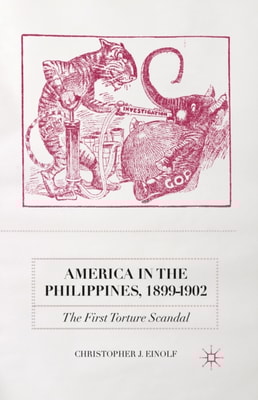
America in the Philippines, 1899-1902: The First Torture Scandal analyzes the US army's use of the 'water cure' torture in the Philippine War and the ensuing political scandal that resulted.
The concentrations camps that existed in the colonised world at the turn of the 20th Century are a vivid reminder of the atrocities committed by imperial powers on indigenous populations.
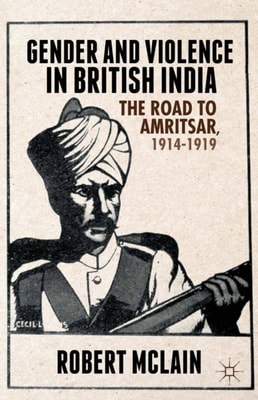
In British India, the years during and following World War I saw imperial unity deteriorate into a bitter dispute over "native" effeminacy and India's postwar fitness for self-rule.
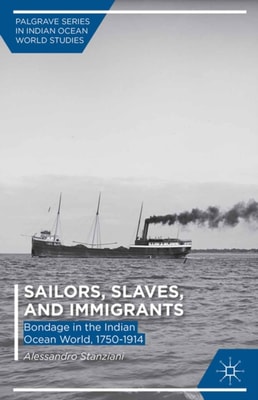
Slaves, convicts, and unfree immigrants have traveled the oceans throughout human history, but the conventional Atlantic World historical paradigm has narrowed our understanding of modernity.
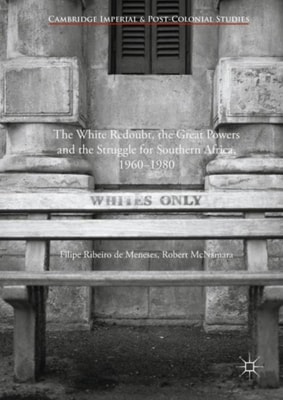
This work examines the attempt by the governments of Portugal, Rhodesia and South Africa to defy the drive for African independence in the 1960s and 70s, and the international community's response.
African cultures and politics remain significantly affected by precolonial and postcolonial configurations of modernity, as well as hegemonic global systems.
Oppression and violence are often cited as the pivotal aspects of modern dictatorships, but it is the collusion of large majorities that enable these regimes to function.
This collection of essays explores the inter-imperial connections between British, Spanish, Dutch, and French Caribbean colonies, and the 'Old World' countries which founded them.
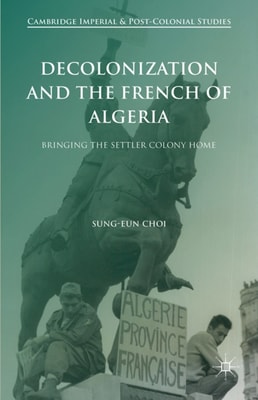
This volume provides a multidimensional assessment of the diverse ends of the European colonial empires, addressing different geographies, taking into account diverse chronologies of decolonization, and evaluating the specificities of each imperial configuration under appreciation (Portuguese, Belgian, French, British, Dutch).
The Political Economy of Imperial Relations offers a much needed historical and theoretical intervention into the relationship between Britain and Malaya after the Second World War.
Emerging from a long and exhausting conflict against the Boers in South Africa, Edwardians are often perceived as rocked by a profound set of doubts about the future of the British Empire.