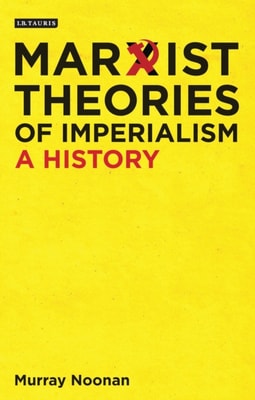
On the 25th April 1974, a coup destroyed the ranks of Portugal’s fascist Estado Novo government as the Portuguese people flooded the streets of Lisbon, placing red carnations in the barrels of guns and demanding a ‘land for those who work in it’.
On the 25th April 1974, a coup destroyed the ranks of Portugal’s fascist Estado Novo government as the Portuguese people flooded the streets of Lisbon, placing red carnations in the barrels of guns and demanding a ‘land for those who work in it’.
This is the controversial history of the British government's involvement in the Zionist project, from the Balfour Declaration in 1917 to the present day.
This is the controversial history of the British government's involvement in the Zionist project, from the Balfour Declaration in 1917 to the present day.
In 2015, students at the University of Cape Town demanded the removal of a statue of Cecil Rhodes, the imperialist, racist business magnate, from their campus.
In 2015, students at the University of Cape Town demanded the removal of a statue of Cecil Rhodes, the imperialist, racist business magnate, from their campus.
In 1891 a major anti-British revolt erupted in the northeast Indian princely state of Manipur after a dangerously miscalculated attempt by the Government of India to assert its authority in the wake of a palace coup.
Winston Churchill began his career as a junior officer and war correspondent in the North West borderlands of British India, and this experience was the beginning of his long relationship with the Islamic world.
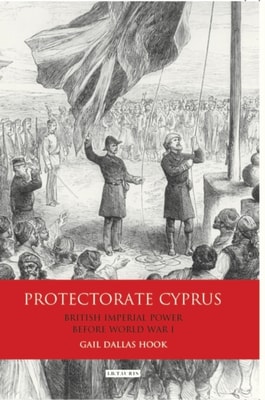
A strategic outpost in the Eastern Mediterranean, Cyprus was vital to British imperial ambitions in the East as the Ottoman Empire grew increasingly fragile in the nineteenth century.
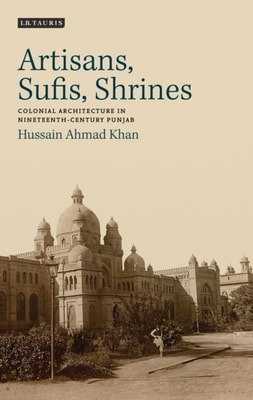
In nineteenth-century Punjab, a cultural tug-of-war ensued as both Sufi mystics and British officials aimed to engage the local artisans as a means of realizing their ideological ambitions.
Offering an examination of the diplomatic and economic regional power structures in Africa and their relationships with each other, Dawn Nagar discusses the potential and future of pan-Africanism.
Beyond Empire looks at three decades of British colonial administration to assess the capacity of the independent governments of Africa to achieve independence.
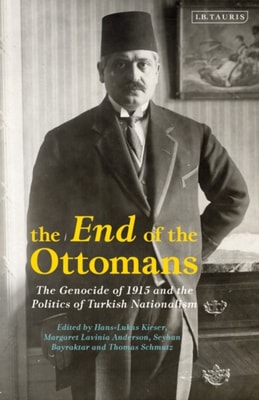
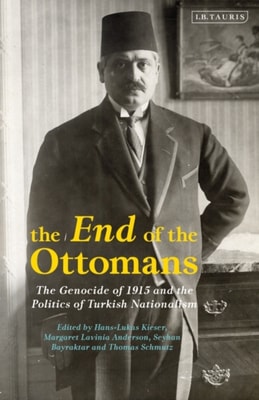
In the early part of the twentieth century, as Europe began its descent into the First World War, the Ottoman world – once the largest Empire in the Middle East – began to experience a revolution which would culminate in the new, secular Turkish state.
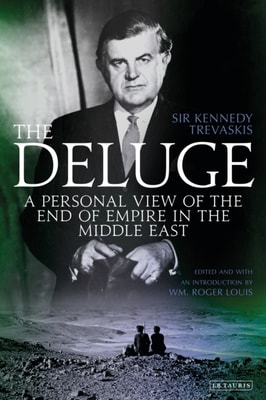
Sir Kennedy Trevaskis was the last High Commissioner of South Arabia - a role he held from 1963-1965, which provided the pinnacle of his career and yet also his ultimate failure.
With fascinating extracts from his own writings, this book reveals the captivating travels and adventures of Arthur Conan Doyle - the creator of Sherlock Holmes.
Afghanistan has been a theatre of civil and international conflict for much of the twentieth century – stability is essential if there is to be peace in the Greater Middle East.
Rome Urbs Roma: city of patricians and plebeians, emperors and gladiators, slaves and concubines was the epicentre of a far-flung imperium whose cultural legacy is incalculable.
Conceived as both a vehicle to national prestige and as a civilizing mission, the second French colonial empire (1830-1962) challenged soldiers, scholars, and administrators to understand societies radically different from their own.
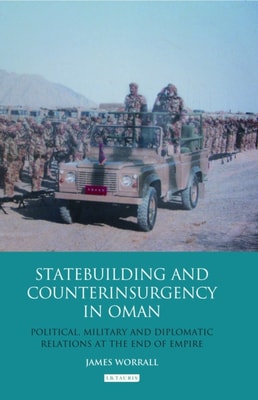
In the depths of the Cold War and in the wake of Britain's announcement of its intention to withdraw 'East of Suez' by the end of 1971, Britain was faced with the stark reality of a Marxist rebellion in the Dhofar province of Oman.
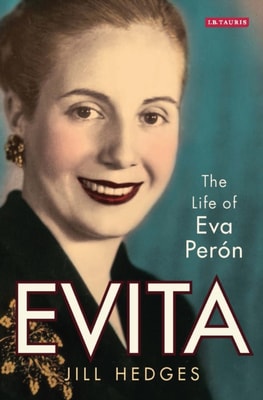
Eva Peron remains Argentina's best-known and most iconic personality, surpassing even sporting superstars such as Diego Maradona or Lionel Messi, and far outlasting her own husband, President Juan Domingo Peron himself a remarkable and charismatic political leader without whom she, as an uneducated woman in an elitist and male-dominated society, could not have existed as a political figure.
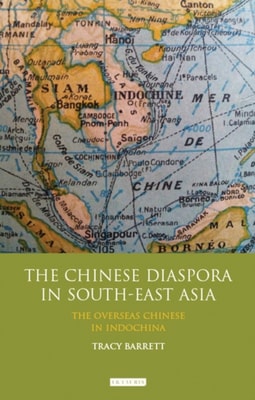
As Qing Dynasty China disintegrated, economic hardship and civil disorder led to millions of Chinese men and women seeking their fortunes abroad, many journeying south into French Indochina.
Offering an examination of the diplomatic and economic regional power structures in Africa and their relationships with each other, Dawn Nagar discusses the potential and future of pan-Africanism.
Beyond Empire looks at three decades of British colonial administration to assess the capacity of the independent governments of Africa to achieve independence.
Conceived as both a vehicle to national prestige and as a civilizing mission, the second French colonial empire (1830-1962) challenged soldiers, scholars, and administrators to understand societies radically different from their own.
In the early part of the twentieth century, as Europe began its descent into the First World War, the Ottoman world – once the largest Empire in the Middle East – began to experience a revolution which would culminate in the new, secular Turkish state.
While jihad has been the subject of countless studies in the wake of recent terrorist attacks, scholarship on the topic has so far paid little attention to South Asian Islam and, more specifically, its place in South Asian history.
In 1903 Tsar Nicholas II issued a decree allowing the confiscation of Armenian Church property, marking the low point in relations between imperial Russia and its Armenian subjects.
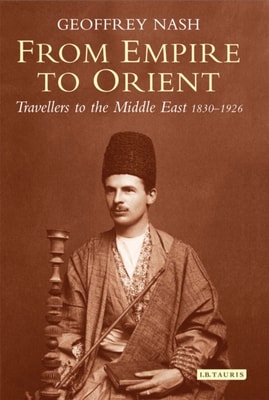
"From Empire to Orient" offers an alternative perspective on Britain's late imperial period by looking at the lives and the writings of the men who chose to defy the conventional social and political attitudes of the British ruling classes towards the Near East.